
- Places
 November 21, 2026 | Michail Takach
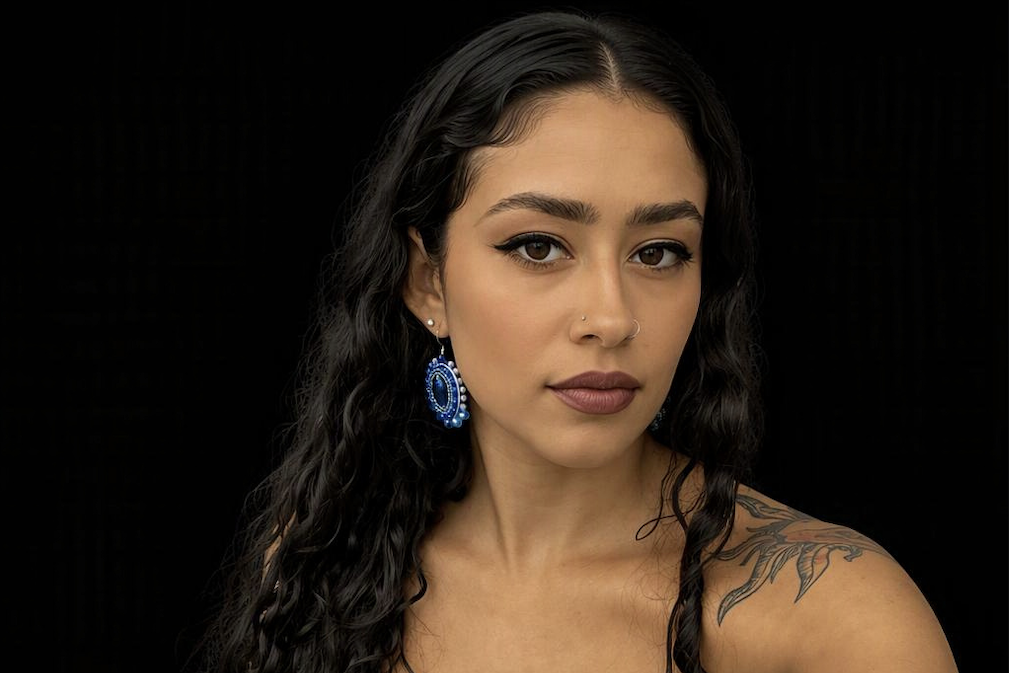
Amaya Varela: finding her way home
After a lifetime navigating her own intersectional identities, she helped create a transformative annual tradition for Wisconsin.
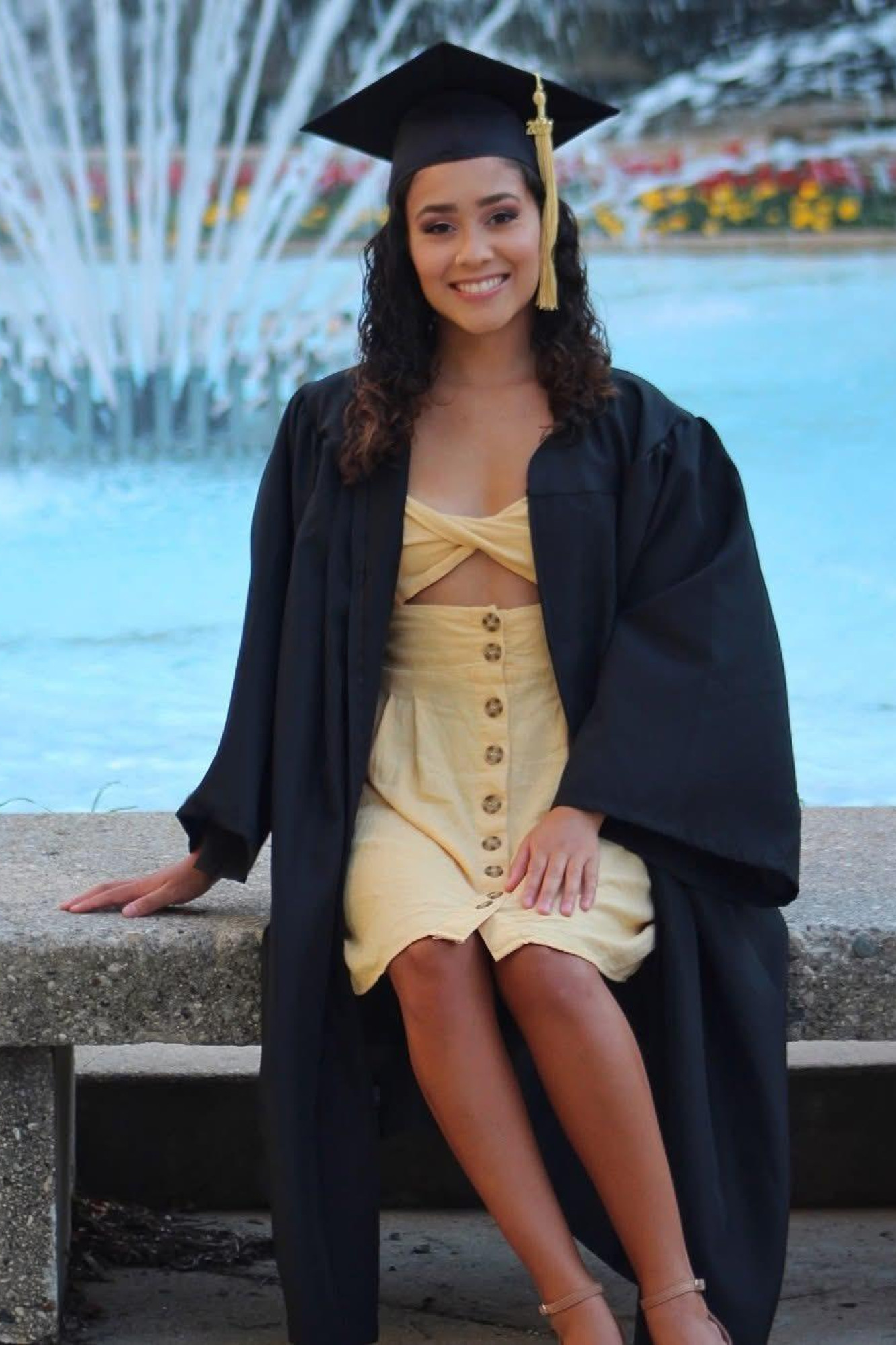
Amaya VarelaFor much of her childhood, Amaya felt caught between worlds.
Growing up in the Oneida-Green Bay area of Wisconsin, she was surrounded by different cultural influences, family traditions, and expectations about who she was supposed to be. Her maternal family carried connections to both the Menominee Nation and the Oneida Nation, while her household was deeply rooted in the Christian faith.
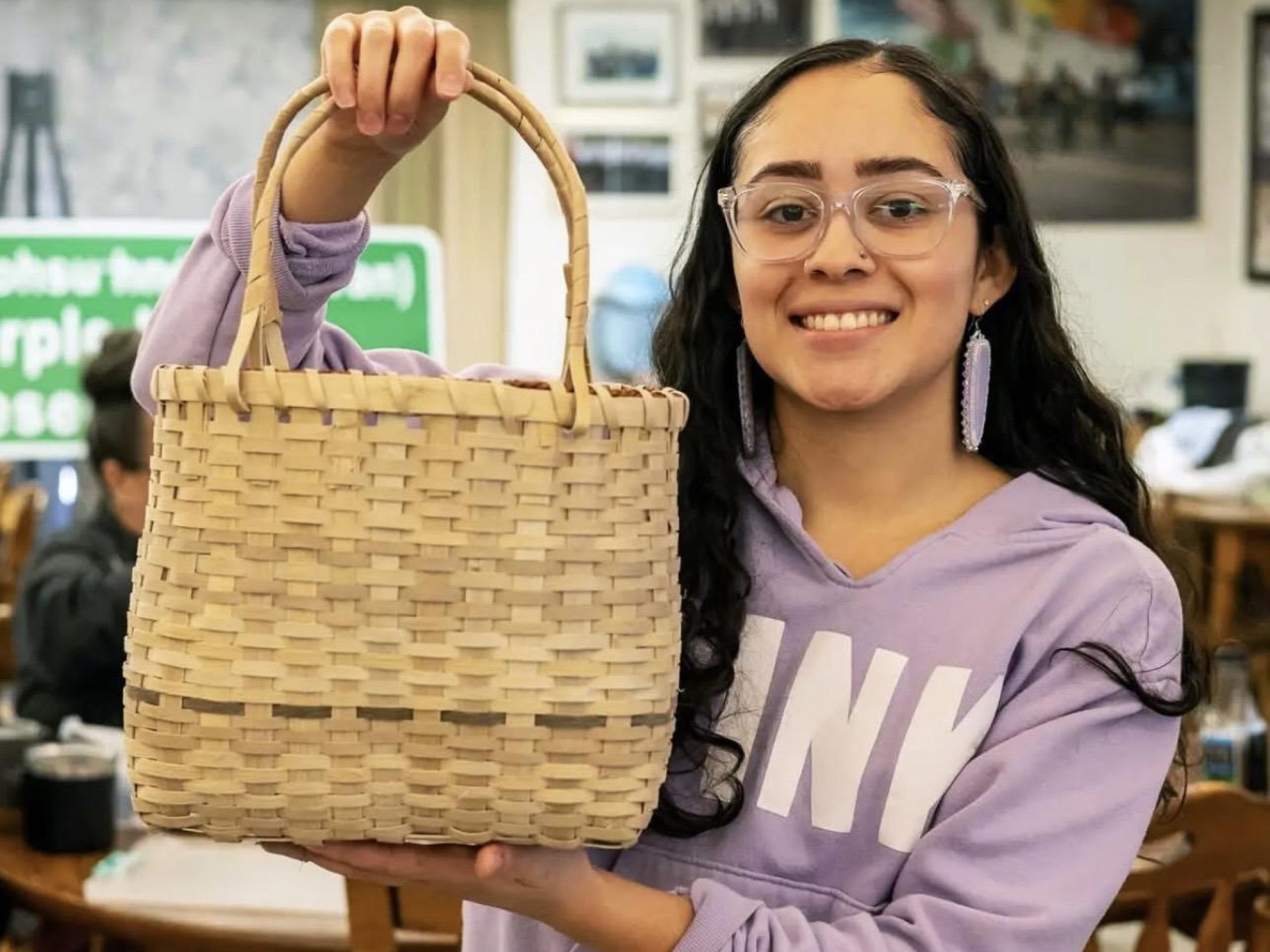
Her mother was born to a Menominee woman, but was adopted as an infant by the Oneida grandmother who would go on to raise Amaya. That grandmother introduced Amaya to elements of Oneida culture through traditional arts, music, and language. She worked as a language teacher, which provided Amaya earliy exposure to the cultural traditions that would later become so important to her.
But those experiences existed alongside a very different set of messages.
Her grandparents' strong Christian beliefs sometimes placed Indigenous cultural practices in conflict with religious expectations. As Amaya grew older, she began recognizing that traditions she had been introduced to as a child were sometimes treated with suspicion or disapproval. Those contradictions became particularly complicated when she began questioning her own sexuality and gender.
"From a very young age, I felt this tremendous sense of confusion," she said.
The messages she received about being queer were often rooted in shame. Within her family's religious environment, homosexuality was described as sinful, something that needed to be changed or overcome. Queer relatives were sometimes discussed in terms of dishonor or embarrassment.
For a young person trying to understand herself, those attitudes created a difficult emotional landscape. She was learning about cultural values that emphasized acceptance and community while simultaneously absorbing messages that certain identities were unacceptable.
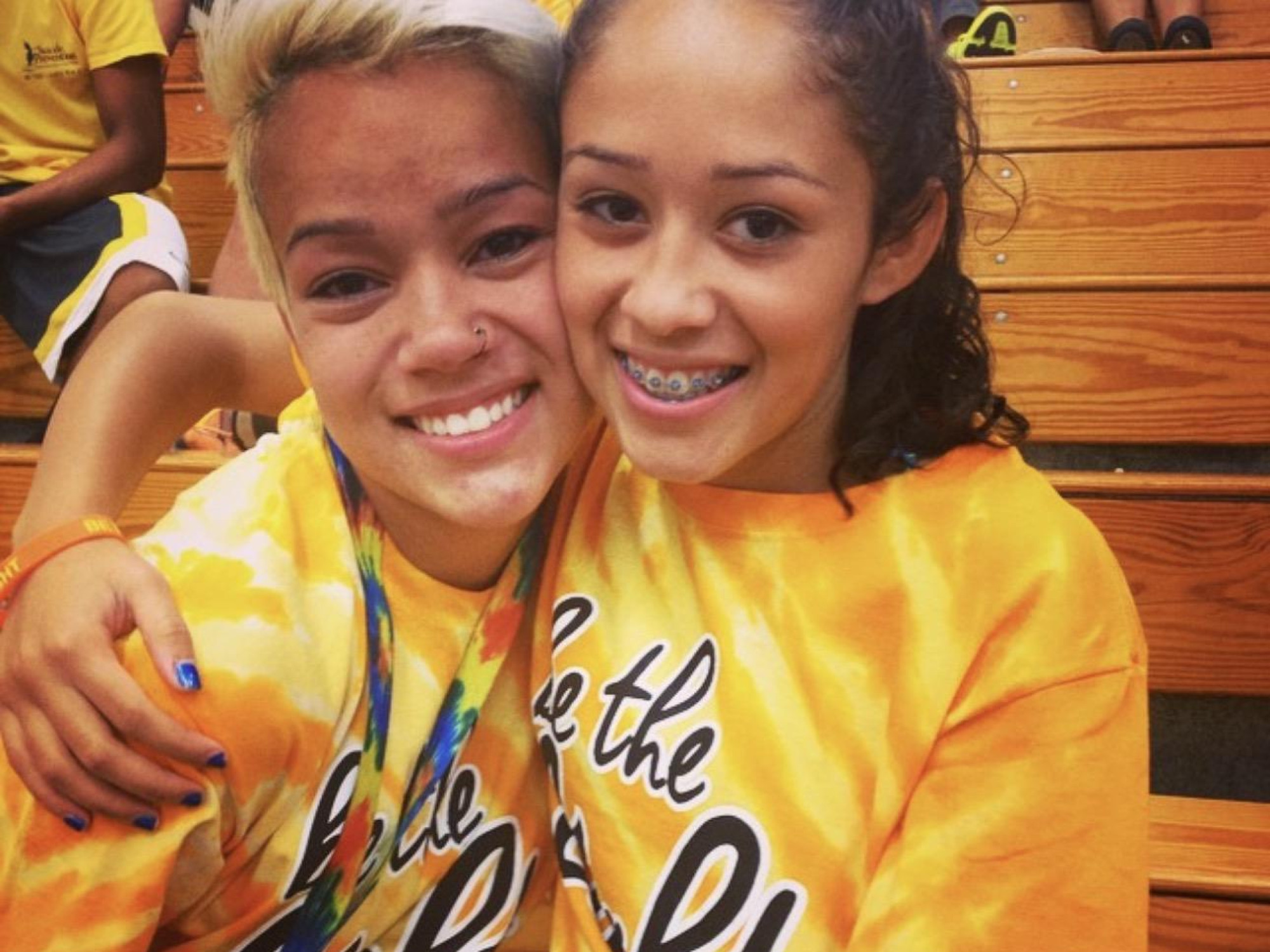
By the time she reached adolescence, Amaya had begun recognizing the distance between the different worlds surrounding her. She was not entirely comfortable among the predominantly white students at school, but she also sometimes felt disconnected from Native students because she had not grown up on the reservation.
"I was too whitewashed for the Native students at my school,” she said. “To the white kids, I was a person of color. I didn’t fit in anywhere.”
Amaya's connection to her Indigenous identity developed gradually, through relationships and opportunities that helped her feel less isolated.
After college, Amaya focused on establishing an independent and professional life. Her connection to Indigenous community remained important, but another significant chapter of her cultural journey began around 2023.
She started working at the Gerald L. Ignace Indian Health Center in Milwaukee as a youth and family coordinator, which brought her into daily contact with Native community members, including people with direct connections to her own tribal heritage.
For the first time, she experienced a sustained connection to Indigenous community that extended beyond occasional cultural events or school programs. One of her closest friends and colleagues was a Menominee woman who knew the language and began teaching Amaya how to introduce herself in Menominee.
The experience was deeply emotional. She recalled leaving work in tears, overwhelmed by the feeling of finally having access to something she had spent much of her life searching for.
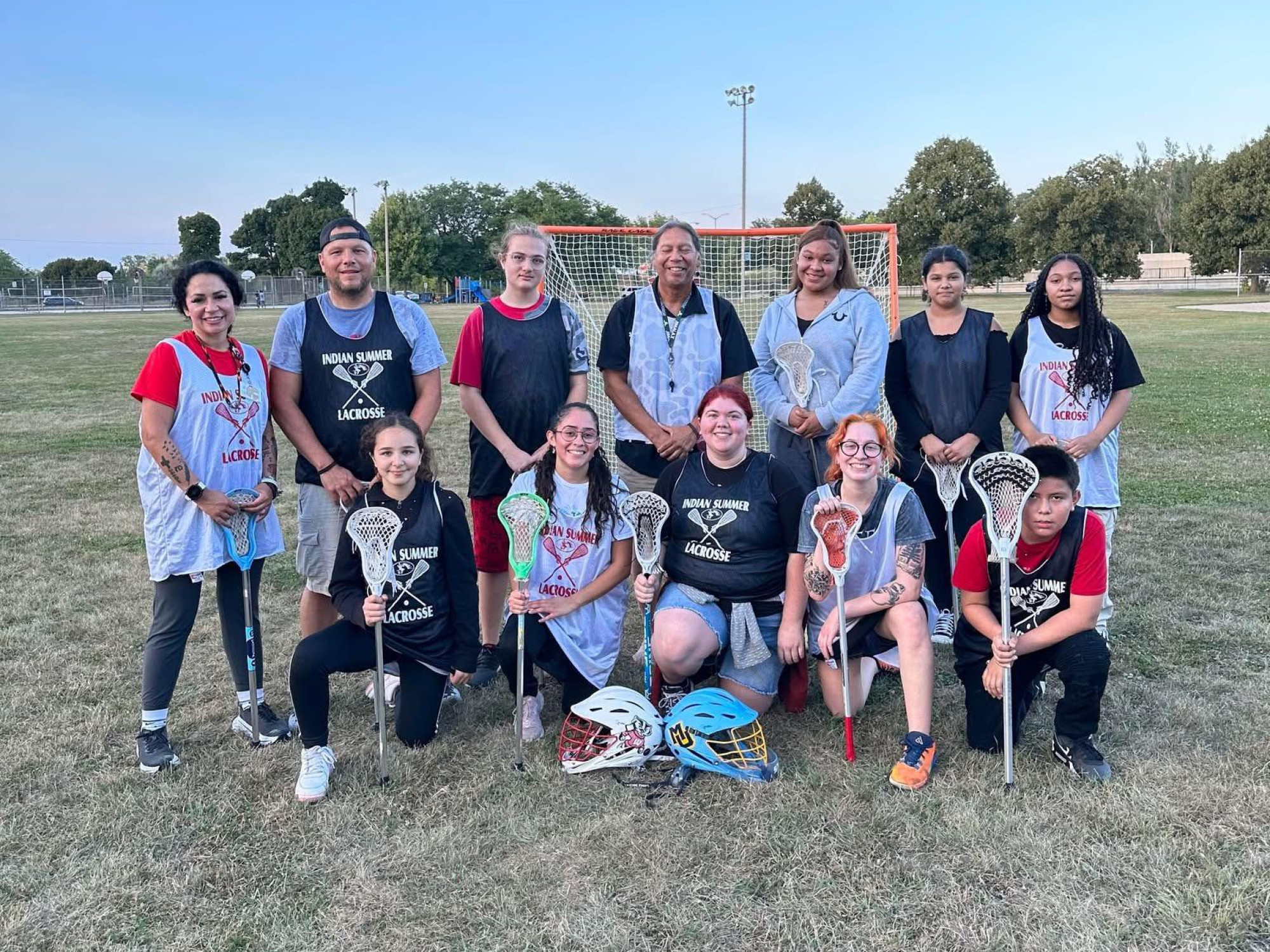
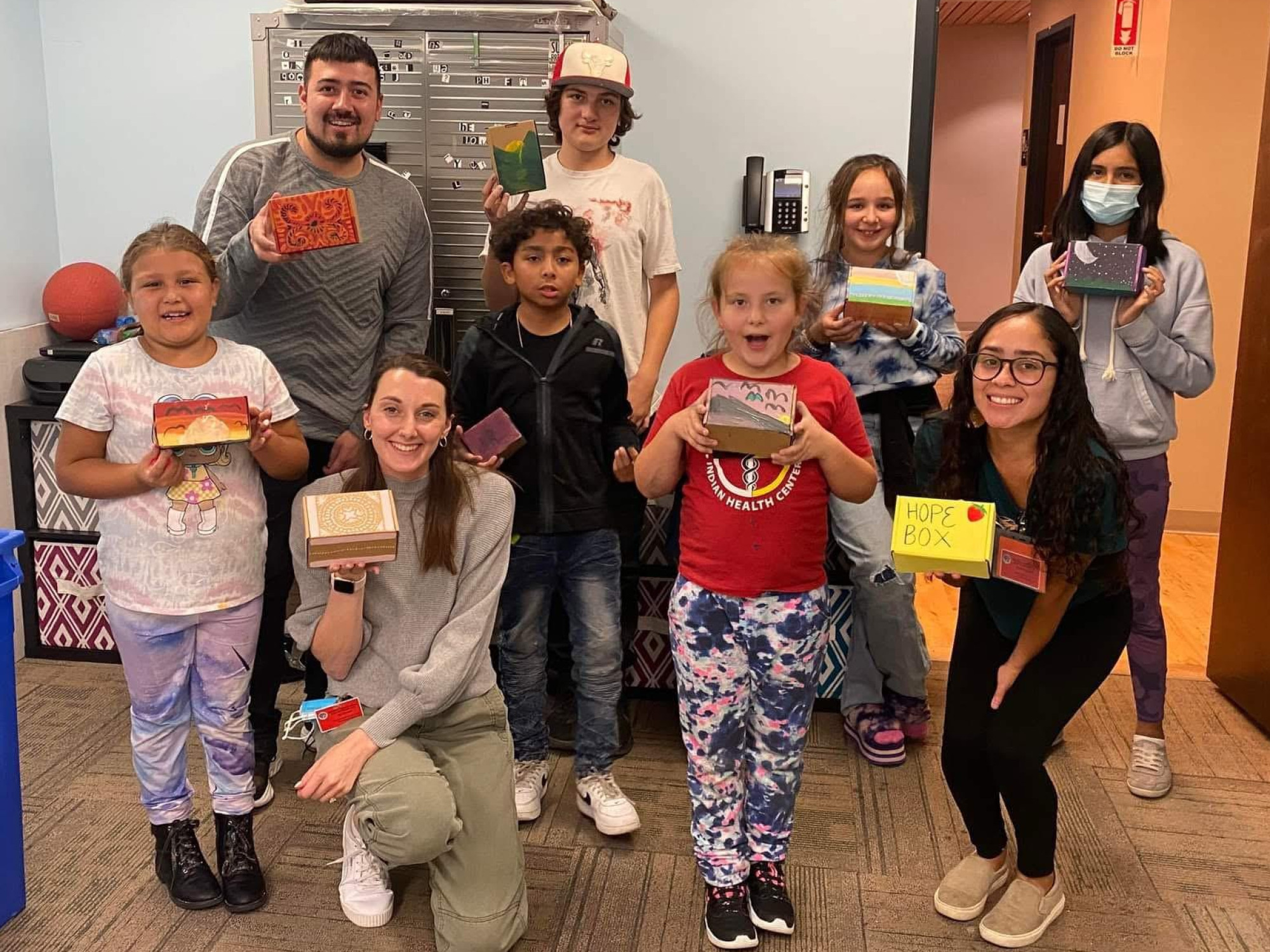
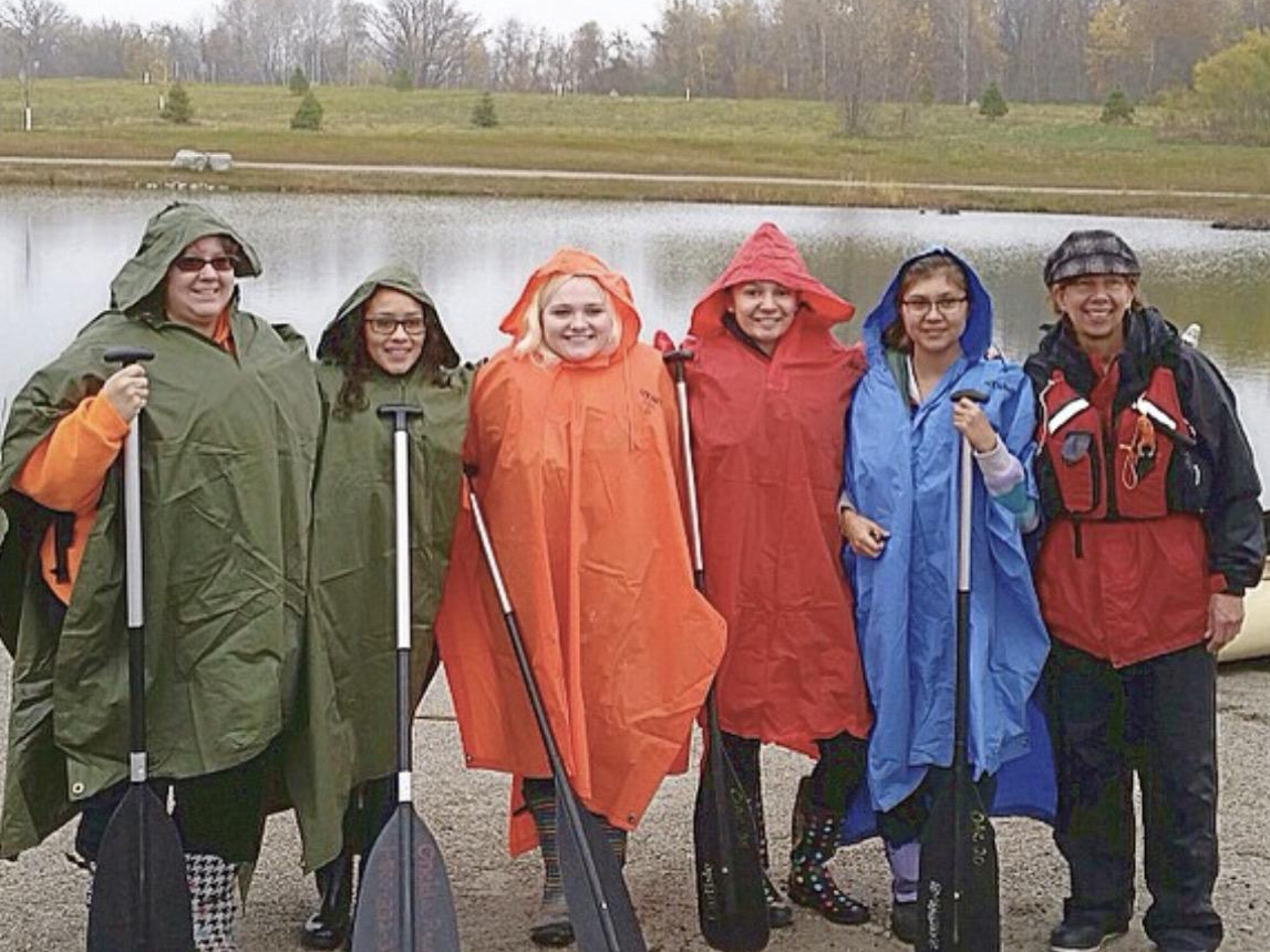
Her professional responsibilities also gave her the opportunity to help young people experience the kinds of support she wished she had received growing up. Through youth programming, prevention initiatives, community outings, and cultural activities, she helped create opportunities for young people to develop connections with one another and their heritage. They attended community events, participated in activities, and even had the opportunity to meet photographer Matika Wilbur.
For Amaya, the work was about more than organizing programs. It was about making sure young people had places where they could feel supported, understood, and connected. She recognized that the resources available to these young people were things she had often lacked during her own childhood.
Over the past several years, Amaya has continued building relationships with Menominee elders and other community members, hoping to learn more about her relatives and the family history that had been difficult to access. She does not believe reconnection should be forced or rushed. Instead, she approaches it with patience, openness, and an appreciation for the relationships that develop along the way.
Her journey has taught her that not having grown up immersed in a culture does not mean someone is unworthy of reclaiming that connection.
"You don't need to feel like you're not worthy of learning your culture just because you didn't get that growing up or just because you didn't grow up on the reservation," she said.
One of the most meaningful discoveries in Amaya's cultural education came through learning about Two Spirit people and their longstanding place in Indigenous communities. She first began developing a deeper understanding of Two Spirit history around 2020. What she learned challenged assumptions she had encountered about queer identity and Indigenous history.
Two Spirit people were not a new phenomenon or a modern cultural trend. They have been part of Indigenous communities since time immemorial, although colonization and the suppression of Indigenous traditions contributed to the erasure of their histories and roles. For Amaya, understanding that history reinforced the importance of visibility, acceptance, and cultural reclamation.
She sees the possibility of it becoming a trailblazing event and an enduring resource for Two Spirit community members.
As Amaya has reconnected with Indigenous culture, some of her most important lessons have come not from extraordinary events, but from everyday acts of respect and community.
She’s realized the importance of humility. Being involved in ceremony and community gatherings has reminded her that there is always more to learn. Knowledge is not a measure of superiority, and cultural participation requires respect, patience, and intentionality.
She has also found profound meaning in the ways people welcome one another. At gatherings, people make an effort to acknowledge one another, exchange greetings, shake hands, offer hugs, and, when appropriate, speak in their Native language. The way people come together around food has been especially meaningful.
She describes the importance of elders being served first, followed by others in the community. These practices communicate respect and reinforce the importance of caring for one another.
For Amaya, these traditions offer a powerful alternative to the individualism she experienced growing up in predominantly white institutions and communities. They demonstrate that community is something people actively create through their actions.
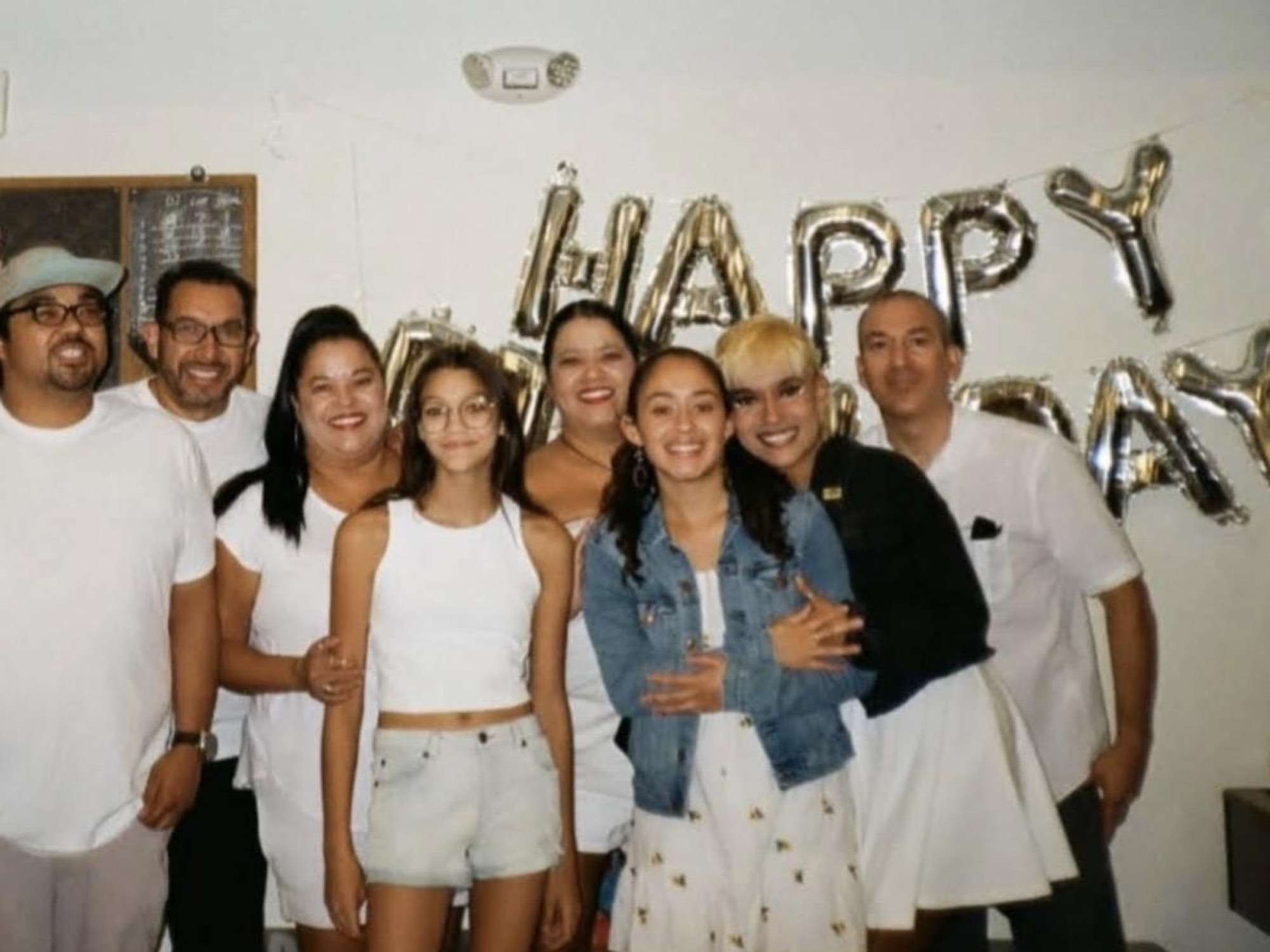
She has brought these practices to her own family gatherings, where she takes an active role in planning opportunities for relatives to come together.
By being intentional about greeting one another, sharing food, and prioritizing time together, she has noticed a difference in how her family interacts. People spend less time on their phones and more time connecting with one another. She describes these simple acts of kindness, respect, and compassion as "good medicine."
Amaya believes that cultural disconnection cannot be separated from the historical and ongoing impacts of colonization. The separation of Indigenous families, the suppression of languages and traditions, the destruction of Indigenous food systems, and attacks on tribal sovereignty have all contributed to generational trauma.
She sees the consequences in the struggles experienced by families, friends, and community members, including substance use and fractured relationships. These challenges are not simply individual failures. They must also be understood within the context of systems that deliberately disrupted Indigenous ways of life. The loss of cultural connections can leave people without the relationships, traditions, and support systems that help communities thrive.
Yet Amaya also sees reasons for hope.
Across Wisconsin, she has witnessed growing opportunities for people to reconnect with Indigenous culture, even when they do not have immediate family connections or did not grow up on a reservation. She has noticed more programs, community gatherings, cultural education, and opportunities for participation in the Menominee community. Her mother, who has witnessed these changes across generations, is often surprised by the opportunities Amaya describes today.
Amaya hopes these developments will become permanent pillars of community life, sustained for future generations. She believes in building something that will remain available not just for today's families, but for the next seven generations.’
In closing, Amaya has a clear message for non-Indigenous Wisconsinites who want to become better allies.
Educate yourself.
She recognizes that people often want to hear directly from Indigenous community members, but she also believes that education should not always come at the expense of Indigenous people's time and emotional energy. There are books, documentaries, interviews, cultural campaigns, educational organizations, and other resources available throughout the year, particularly during Native American Heritage Month.
People can attend Pow Wows and cultural events that welcome the broader community. They can support Indigenous non-profits, contribute to fundraising efforts, and learn about current issues affecting Native communities.
Most importantly, they can show up intentionally.
For Amaya, meaningful allyship is not about taking up space or expecting Indigenous people to provide a personal education on demand. It is about making the effort to learn, honoring the people and traditions being shared, and supporting Indigenous communities in tangible ways.
That support also means recognizing the barriers that prevent Indigenous people from participating in leadership and community organizations. When asked what LGBTQ+ nonprofits can do to develop the next generation of Indigenous leaders, Amaya emphasized the importance of removing practical obstacles. Financial compensation matters. So do free meals, transportation assistance, professional development, networking opportunities, resume support, and other resources that make participation more accessible.
She remembers what it was like to live paycheck to paycheck and struggle with food insecurity while trying to establish herself professionally. Even something as simple as being offered a meal or being able to take leftovers home could make the difference between participating in an event and staying away.
She also emphasized the importance of personal relationships. People in leadership positions should make time to check in with emerging leaders, ask how they are doing, recognize their contributions, and offer encouragement.
Sometimes, knowing that someone sees your potential is enough to make you believe that bigger opportunities are within reach.
Amaya imagines a more equitable world where coming out is no longer something people have to fear. She imagines communities where queer and Two-Spirit identities are so accepted and normalized that people no longer have to defend their right to exist. She also envisions a society where Indigenous LGBTQ+ people have equitable access to basic needs, including safe housing, health care, and protection from violence.
The statistics surrounding violence, housing insecurity, and health disparities affecting Indigenous and queer communities weigh heavily on her.
She wants a future where those disparities no longer define people's lives.
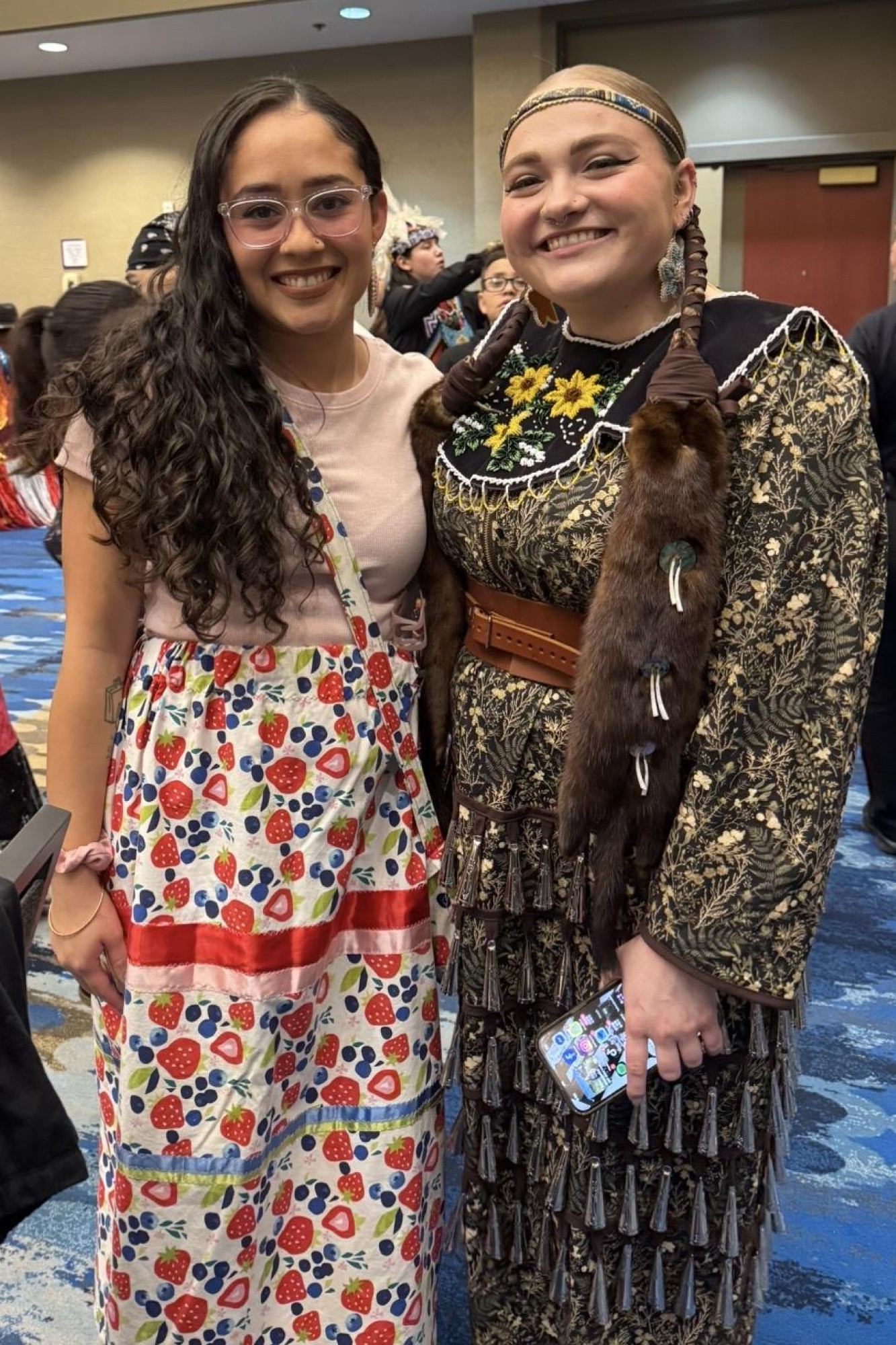
When she thinks about that future, she remembers walking through the Two Spirit Pow Wow and seeing people dressed as they wanted, interacting freely, and experiencing genuine joy.
She remembers the feeling of safety, acceptance, and belonging. That is the feeling she wants people to experience everywhere, not just at a cultural gathering.
For now, she continues to pray for the safety of her Two Spirit and queer relatives and community members, recognizing that many still face discrimination and threats simply for being themselves. Her vision of equity is ultimately a vision of freedom: the ability to live openly, participate fully in community, and build a life without fear.
And as she looks toward the future, she hopes the opportunities she has found will be waiting for the generations that follow.
Not just for the next generation, but for the next seven generations.

recent blog posts
November 15, 2026 | Michail Takach
November 09, 2026 | Michail Takach
November 02, 2026 | Michail Takach
Christopher Peguero: bridging roots, resistance, and reconciliation
The concept for this web site was envisioned by Don Schwamb in 2003, and over the next 15 years, he was the sole researcher, programmer and primary contributor, bearing all costs for hosting the web site personally.
join our email list
Get WI LGBTQ History Project updates in your inbox.


