
- Places
 September 18, 2026 | Amy Luettgen
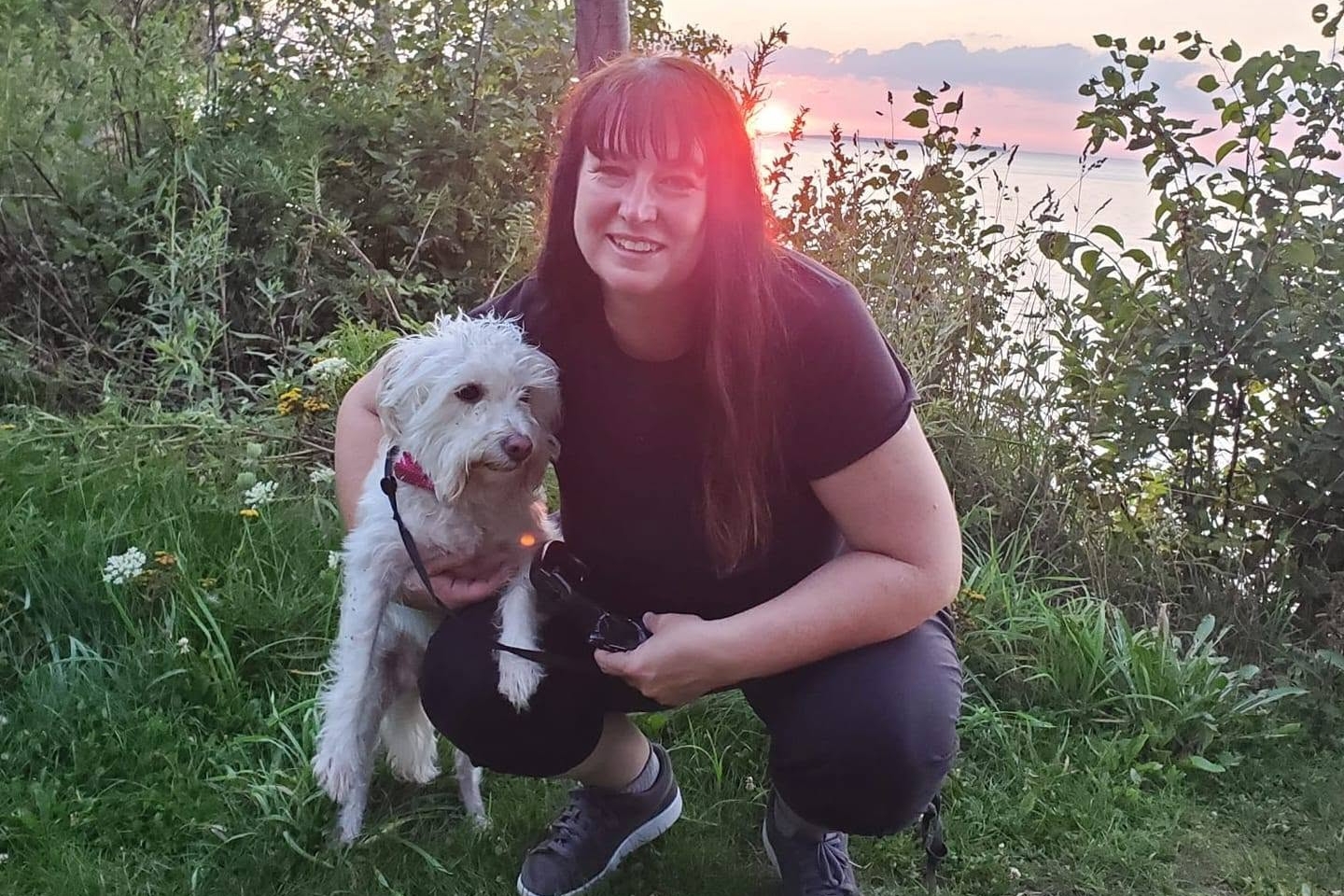
Dr. Amney Castaneda: creating the support she once needed herself
Finding the words was only the beginning of her journey to self-acceptance.
Dr. Amney Castaneda:Dr. Amney JH Castaneda, N.C.C. (she/her or they/them) is a professor of counselor education and supervision at the University of Wisconsin - Oshkosh and a longtime activist and advocate for the LGBTQ community.
Born in Madison, Indiana, and raised in the small town of North Vernon, IN, Dr. Castaneda obtained her bachelor’s and Master’s degrees at Ball State University (in Muncie, Indiana) and pursued a doctorate at Auburn University in Alabama before moving to Wisconsin in 2008.
Amney is a full professor at UW-Oshkosh, where she has been working since 2008. She is also serving as the associate school director for counseling and human services (formerly department chair) for the past four years.
She co-owns a business called Somewhere Over the Moon Trainings, where she and Dr. Liz Cannon develop and facilitate LGBTQ and DEI trainings in the greater community. She has facilitated trainings across Wisconsin (at schools, non-profits, and corporations) and outside of the state. Trainings vary in focus depending on the customer, but often they focus on understanding LGBTQ identities and people, mental health, risk factors, and appropriate interventions.
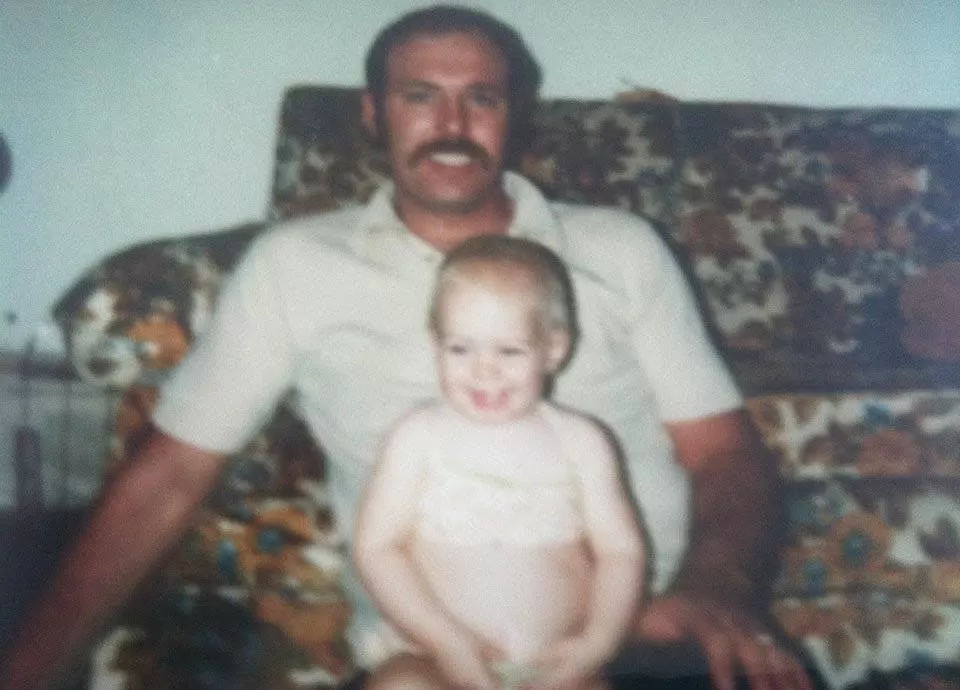
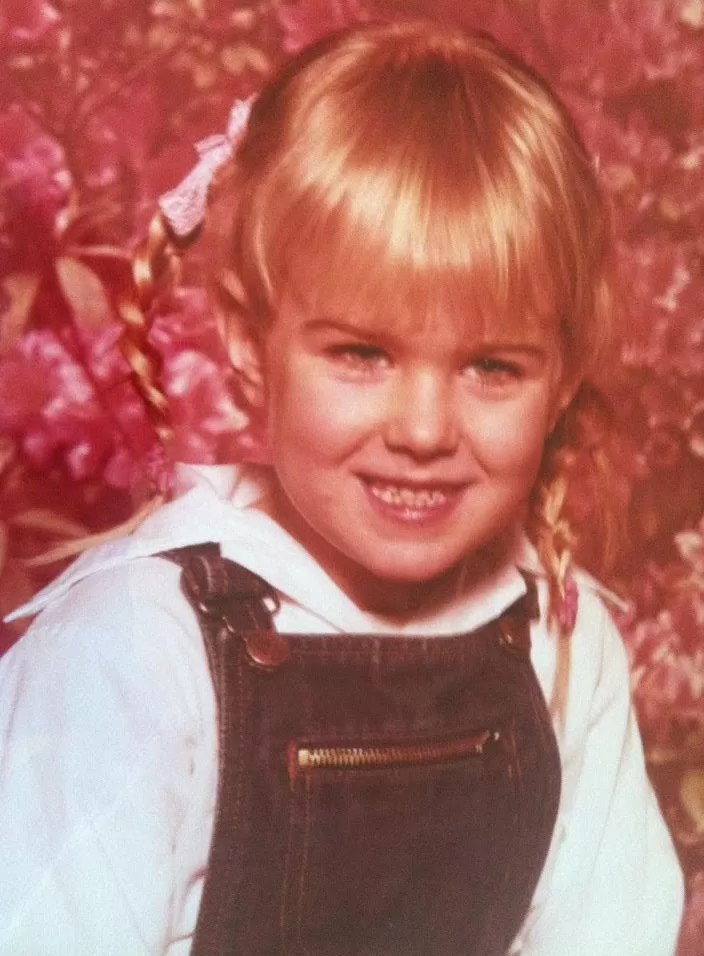
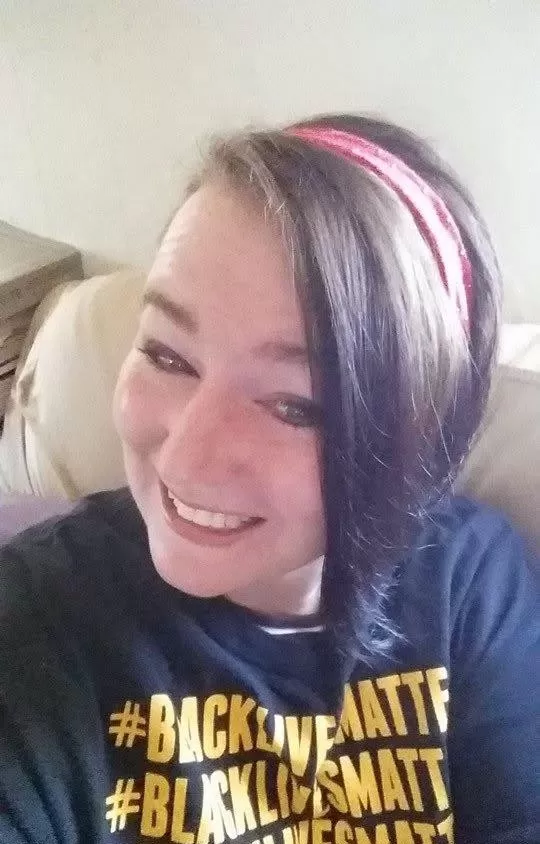
Activism had always been an interest for Amney. While living in Indiana, she had been involved in anti-racist work, so getting involved in campus activism at Auburn University in Alabama seemed a natural thing to do. Although the campus was very tight-knit, the wider Alabama community was not very supportive of LGBTQ issues.
Initially, she considered herself an ally and was interested in helping to establish LGBTQ resources on campus. After co-founding an LGBTQ graduate student group (Spectrum Alliance,) and spending significant time within the community, Amney started to realize that she needed to really examine her sexual orientation.
“I knew I needed to take a deeper look at my own identity. I was becoming more involved in queer activism and I had some crushes on women," said Amney.
"While this was not the first time I experienced same sex attractions, and as a young person had experiences with other girls, however, I think that the tipping point was becoming involved in a relationship with a woman who was in my friend group. When things were brewing with us I realized I had to figure out what this meant about my sexuality. It was at this time that I came out as openly bi.”
When Amney came out as bi, she thought that being open about her identity would be welcomed within her LGBTQ circle. However, some members of the group were not as supportive as Amney expected. She encountered blatant biphobia.
“I heard from a lot of people, ‘well, we’re just going to think of you as a lesbian. We can’t imagine you with men, anyway.’ It seemed they were only willing to see me as a lesbian and were erasing part of my identity.”
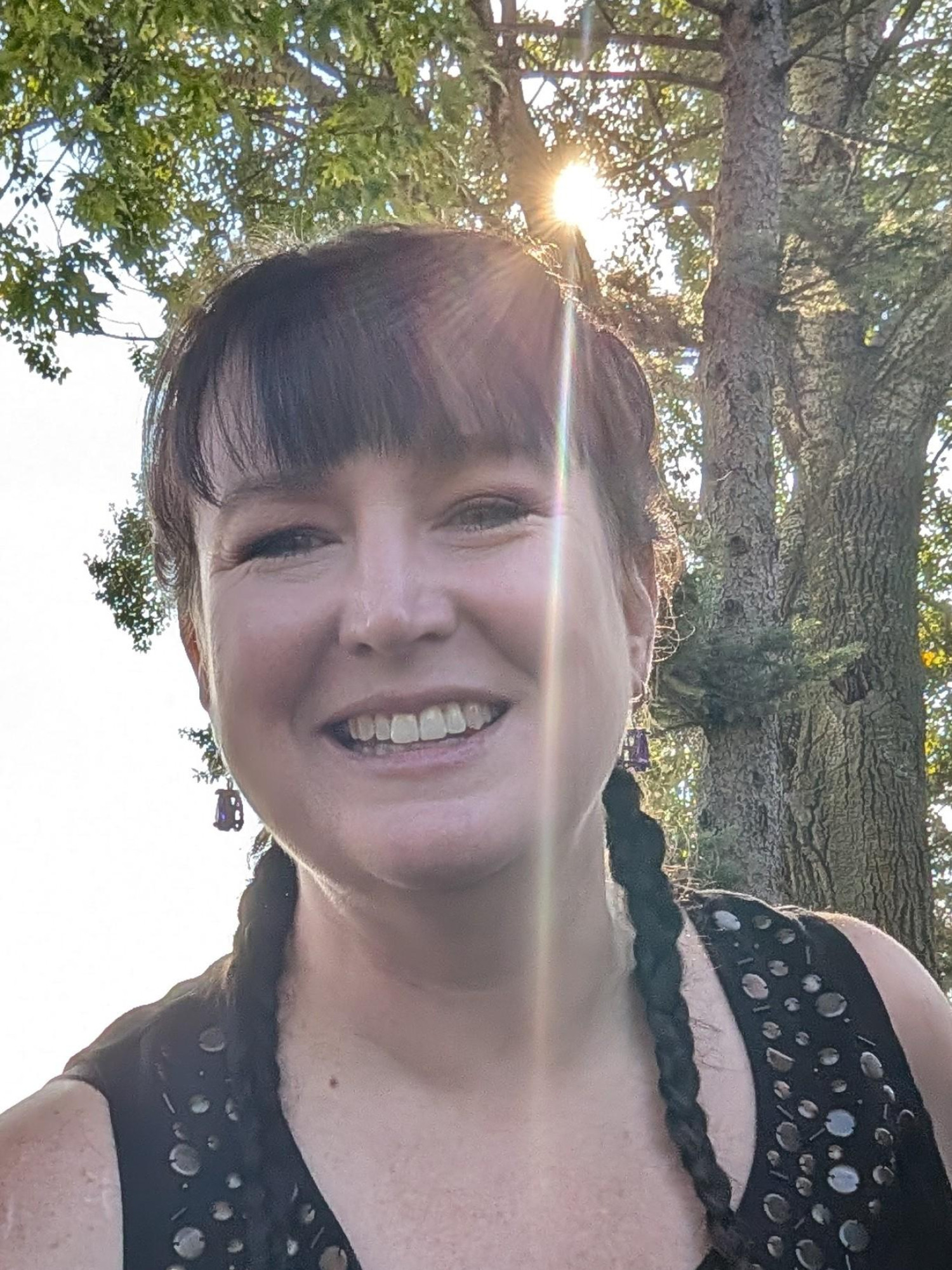
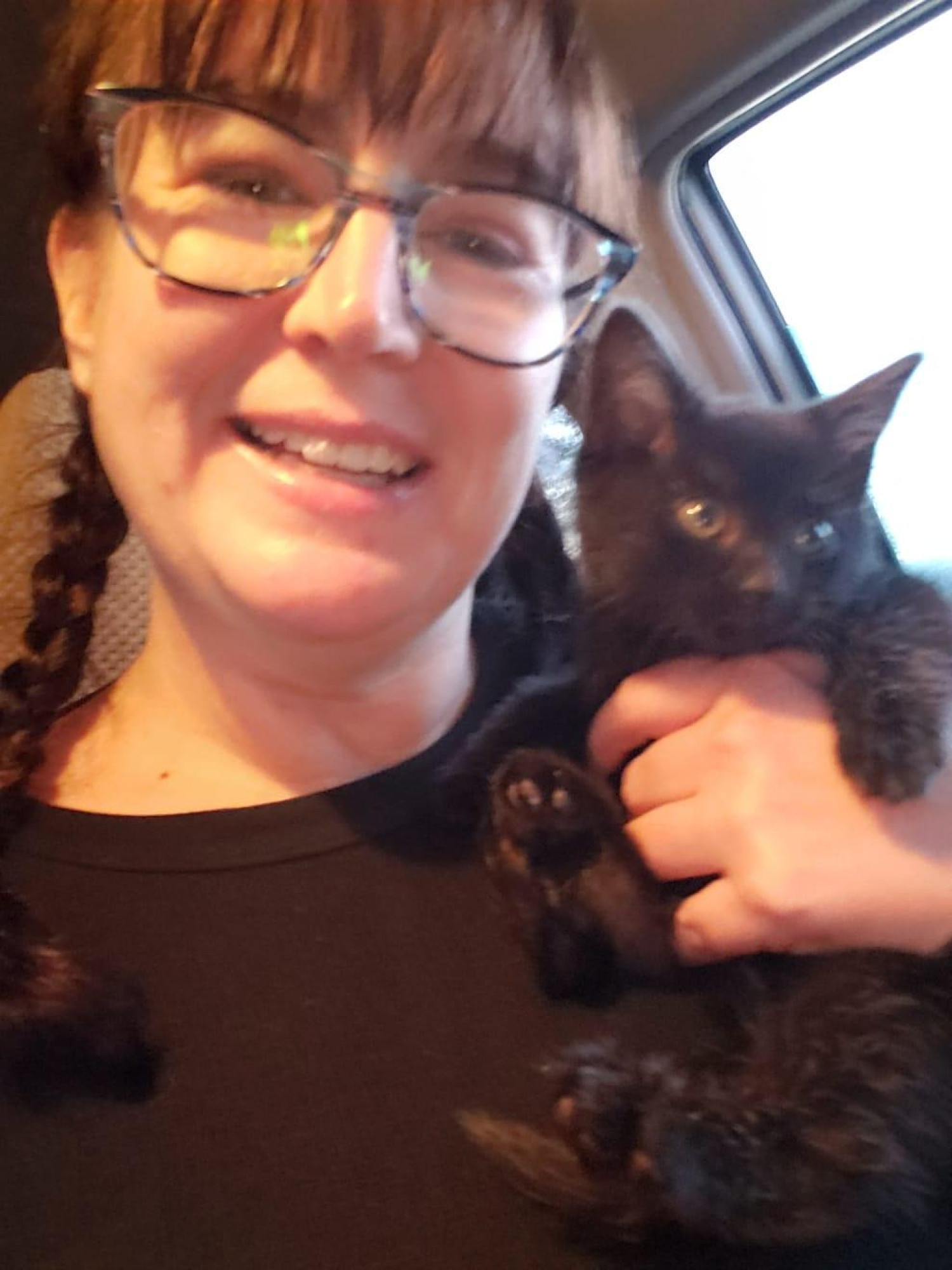
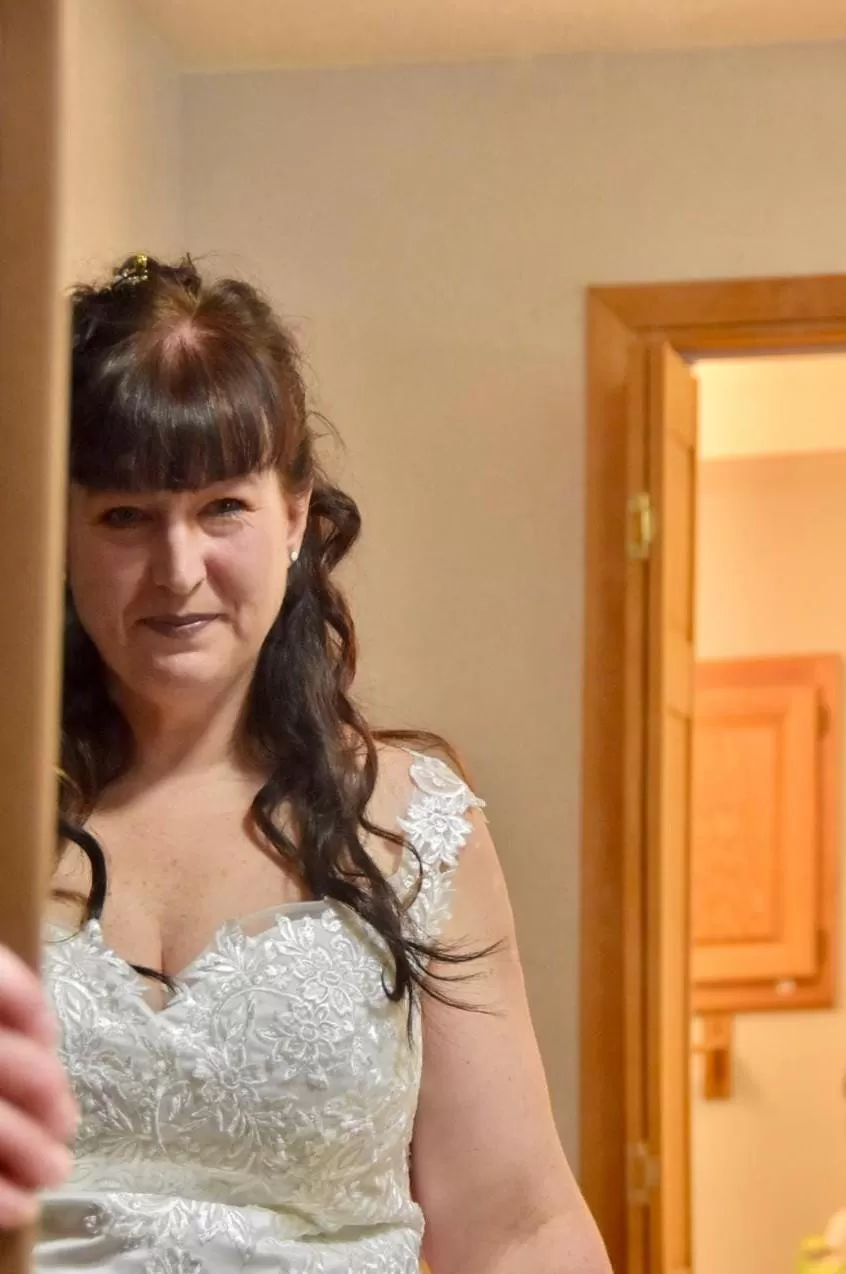
While family support was fragile, and her place in the queer community sometimes felt uncertain, Amney did find support in her academic life. Amney found a mentor in their doctoral program, Dr Kimberly King-Jupiter, who taught her qualitative research class.
Amney felt she could talk to Dr. King-Jupiter about the climate on campus and some of then negative and biphobic reactions she'd received.
“I ended up co-teaching a women and gender studies class alongside her, and we would often talk about social theory and our lives in her office. Ultimately, I told her there had been negative experiences with faculty about being bi, and we both talked about negative experiences living and working in Alabama around racism, homophobia, sexism, etc.. ”
One of the most confusing experiences occurred with Amney’s advisor.
“My advisor told me that when she was contacted for references, she made sure to tell them I was straight, so they wouldn’t look at my resume, assume I was part of the LGBTQ community, and hire me to fill a DEI quota.”
Luckily, not everyone at Auburn was trying to keep Amney in the closet. One of her supportive colleagues came out as transgender.
“We thought of her as a Mama Bear. She and some members of the LGBTQ community did provide me with a feeling of safety, even though there were some very negative responses to my identity. It was not all bad. ”
When Amney arrived at the University of Wisconsin-Oshkosh, she was fortunate to connect with Dr. Liz Cannon, the director of the brand new campus LGBTQ Resource Center.
“I became a SAFE Trainer right away, and I was also really interested in getting a resource/support group going for queer faculty and staff. It was difficult though, and it was almost as if the staff and faculty didn’t really feel they needed it. The situation was so different from what it had been in Alabama where community felt like everything.”
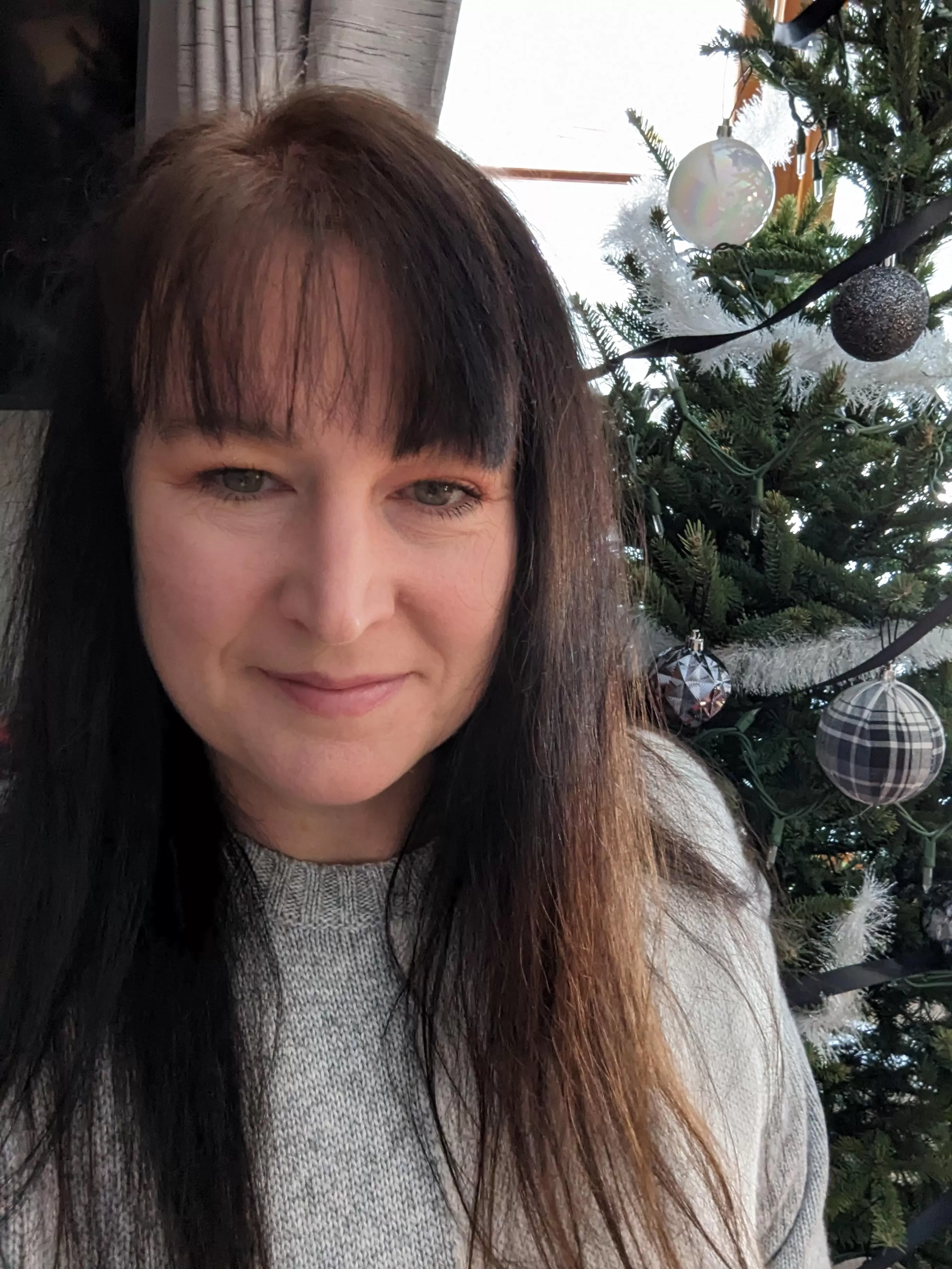
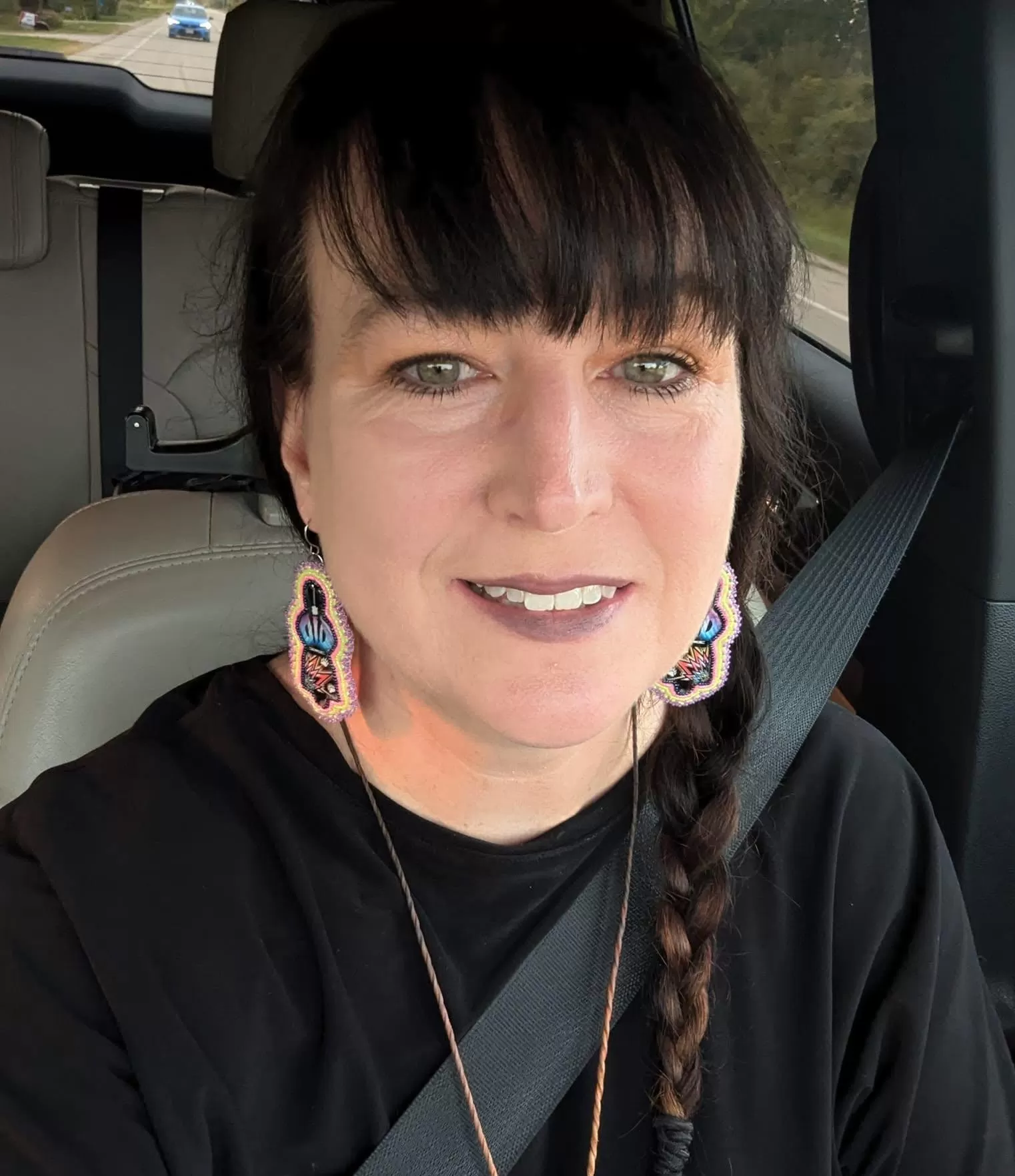
Right now, Amney has concerns about the political climate. Throughout the DEI pushback, historic progress is being lost: the University of Wisconsin-Oshkosh lost its LGBTQ Resource Center, Center director, and many other unique positions, programs, and spaces.
“It's disheartening. We will have a lot of work to do to recreate the resources that have been lost."
Amney envisions a future where society moves past rigid binaries and stigma. She hopes for the adoption of a more expansive understanding of human sexuality and fluidity. It is an utopian vision, but one which Professor Castaneda is uniquely situated to help create.
“I just want people to be valued and cared for and to get an equal playing field. What if we understood the human condition differently? We could understand that it’s okay to experiment, look into it, and just figure yourself out at your own pace.”
“I have so much admiration for younger generations who are unapologetically themselves. I would envision all of us advocating and working together, intergenerationally, to push identity conversations forward.”

recent blog posts

September 11, 2026 | Amy Luettgen
September 04, 2026 | Amy Luettgen
August 31, 2026 | Noah Johnson
The concept for this web site was envisioned by Don Schwamb in 2003, and over the next 15 years, he was the sole researcher, programmer and primary contributor, bearing all costs for hosting the web site personally.
join our email list
Get WI LGBTQ History Project updates in your inbox.


