Places
Wisconsin LGBTQ History Project Fundraiser
If you appreciate the History Project's work, we hope you'll support the second fundraiser in our 29-year history!
We are a self-funded, independent, all-volunteer, non-profit team -- and we provide most services FREE to the community.
Organizations
Wisconsin LGBTQ History Project Fundraiser
If you appreciate the History Project's work, we hope you'll support the second fundraiser in our 29-year history!
We are a self-funded, independent, all-volunteer, non-profit team -- and we provide most services FREE to the community.
Wisconsin LGBTQ History Project Fundraiser
If you appreciate the History Project's work, we hope you'll support the second fundraiser in our 29-year history!
We are a self-funded, independent, all-volunteer, non-profit team -- and we provide most services FREE to the community.
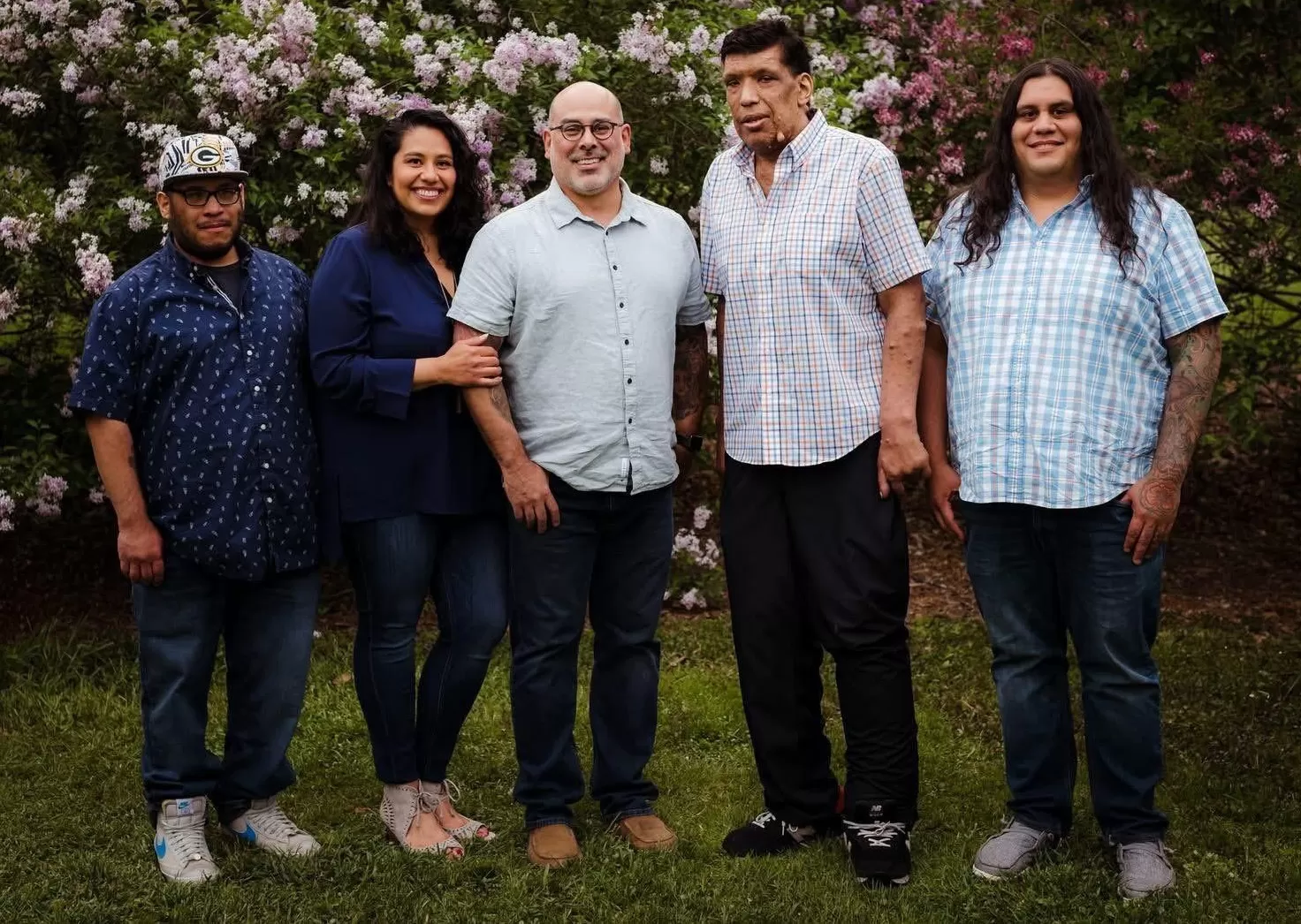
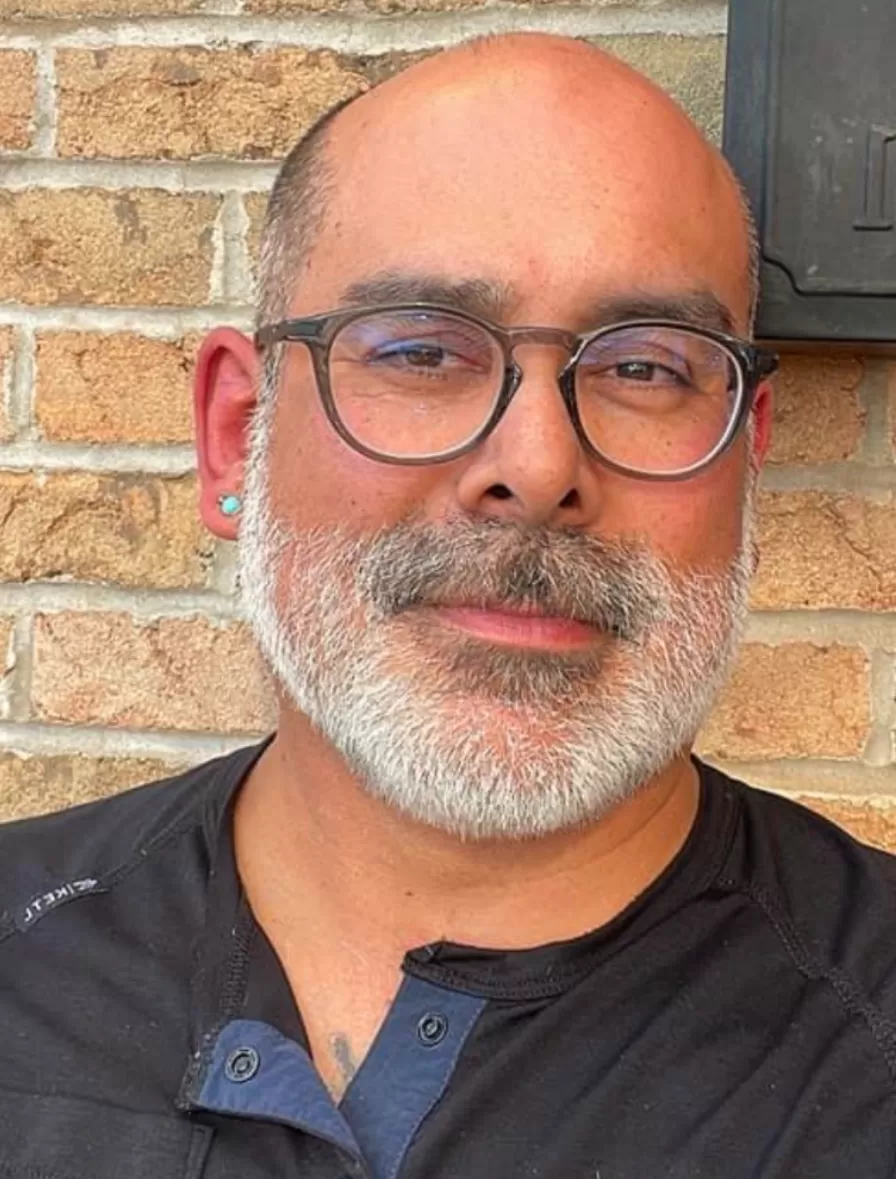
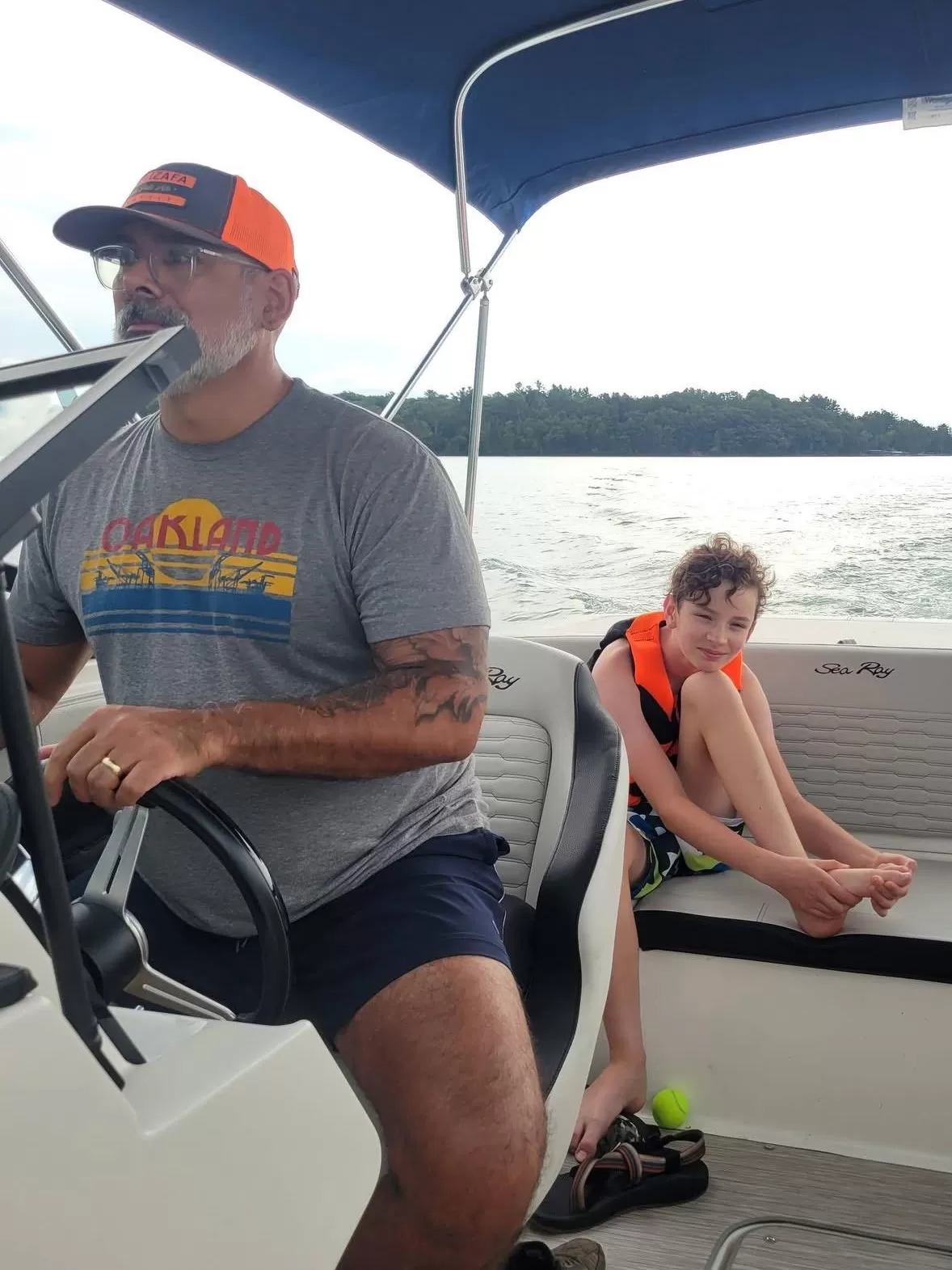
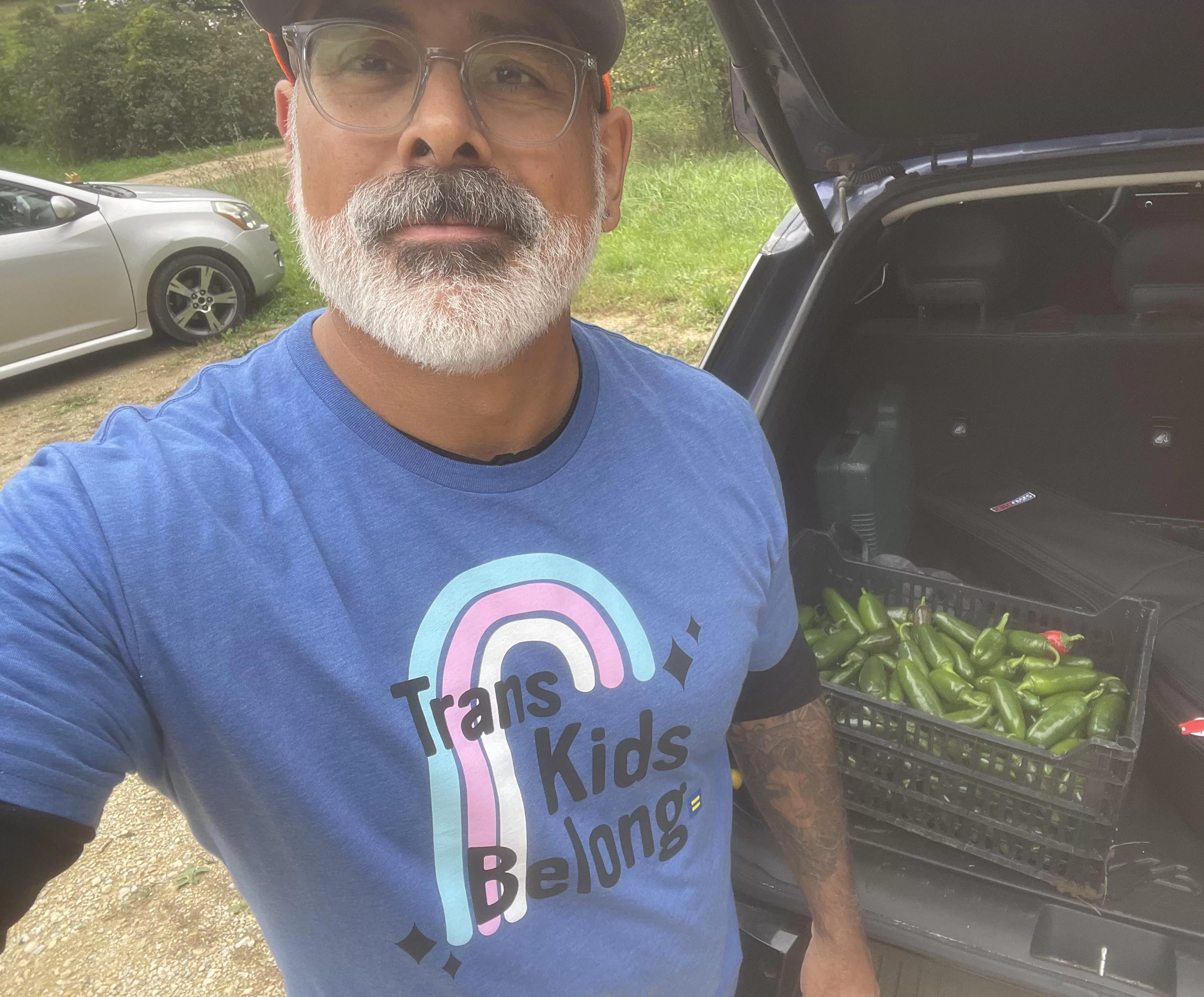
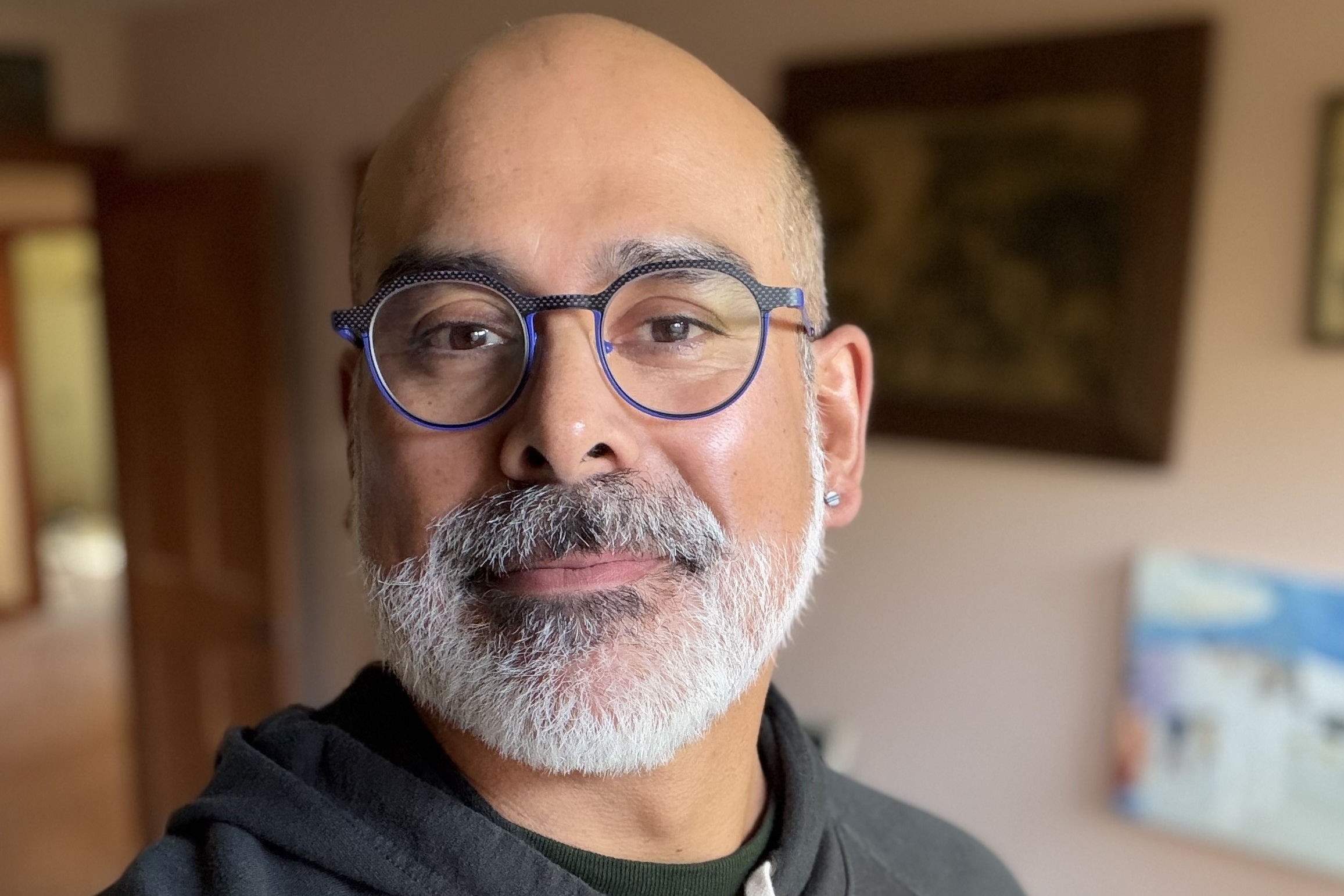
Christopher Peguero (he/him/his) is a Menominee descendant, Two Spirit community leader, environmental equity champion, and executive director of the Farley Center for Peace, Justice, and Sustainability in Verona, Wisconsin. His life story celebrates the complex intersections of biracial Indigenous heritage, while confronting the colonial notions still systemic within Native communities.
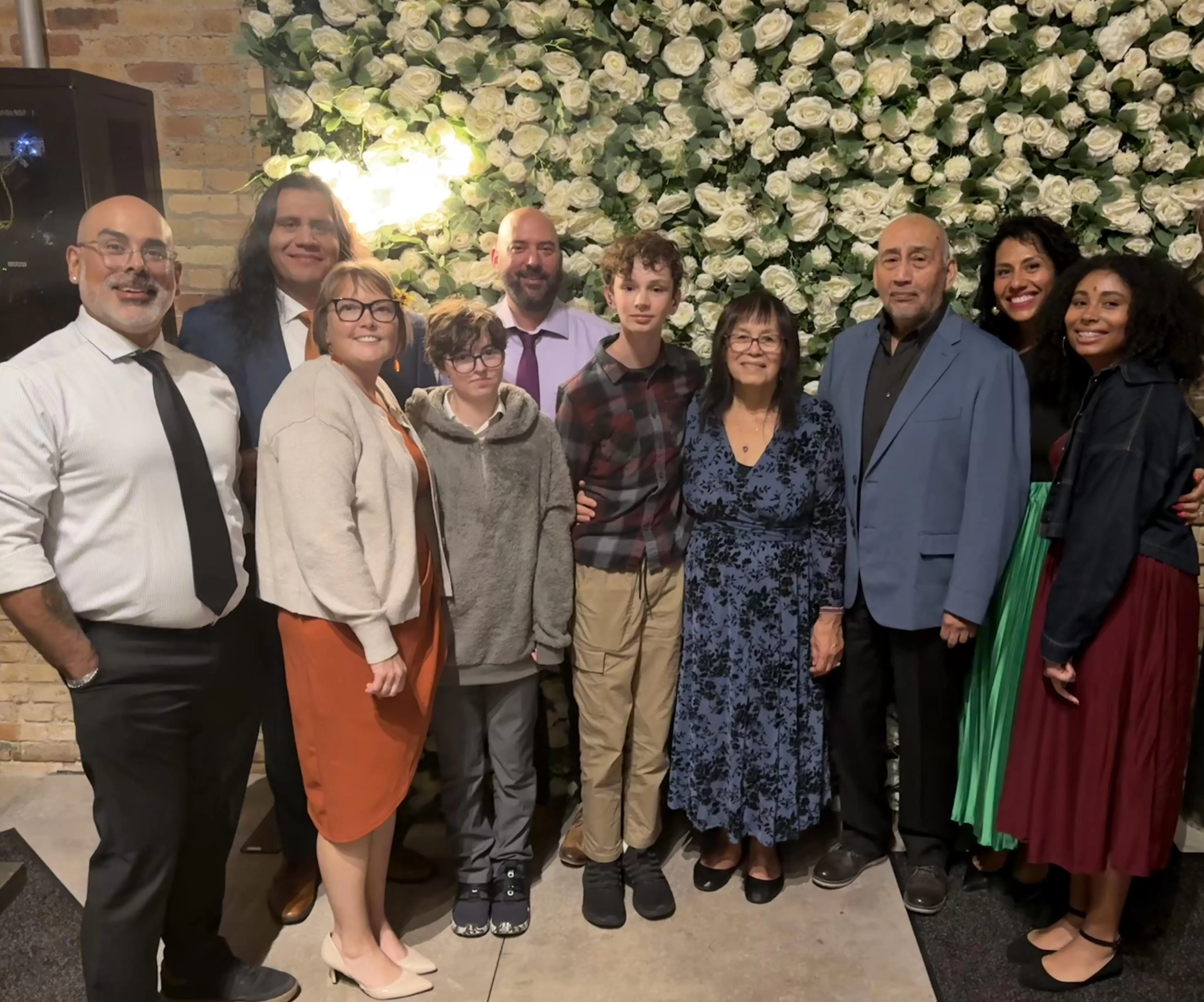
Born in Laredo, Texas, Christopher has blended Indigenous roots: he is a descendant of the Menominee Indian Tribe of Wisconsin on his mother’s side and descended from Indigenous Mexico on his father’s side. His parents met in the 1970s while attending the University of Wisconsin–Milwaukee. Later, they relocated to northern Wisconsin to be closer to relatives.
After briefly living on the Menominee reservation, the Peguero family settled in Green Bay, where Christopher attended public schools and graduated high school in 1993. His mother was an educator and principal at the Oneida Nation’s Turtle School.
Despite direct maternal lineage, Christopher is not an enrolled member of the Menominee Nation. This legal status is dictated by federal blood quantum laws: administrative criteria implemented by the United States government to regulate tribal enrollment and restrict trust obligations. By design, blood quantum policies frequently exclude Native people from their own generational history and heritage.
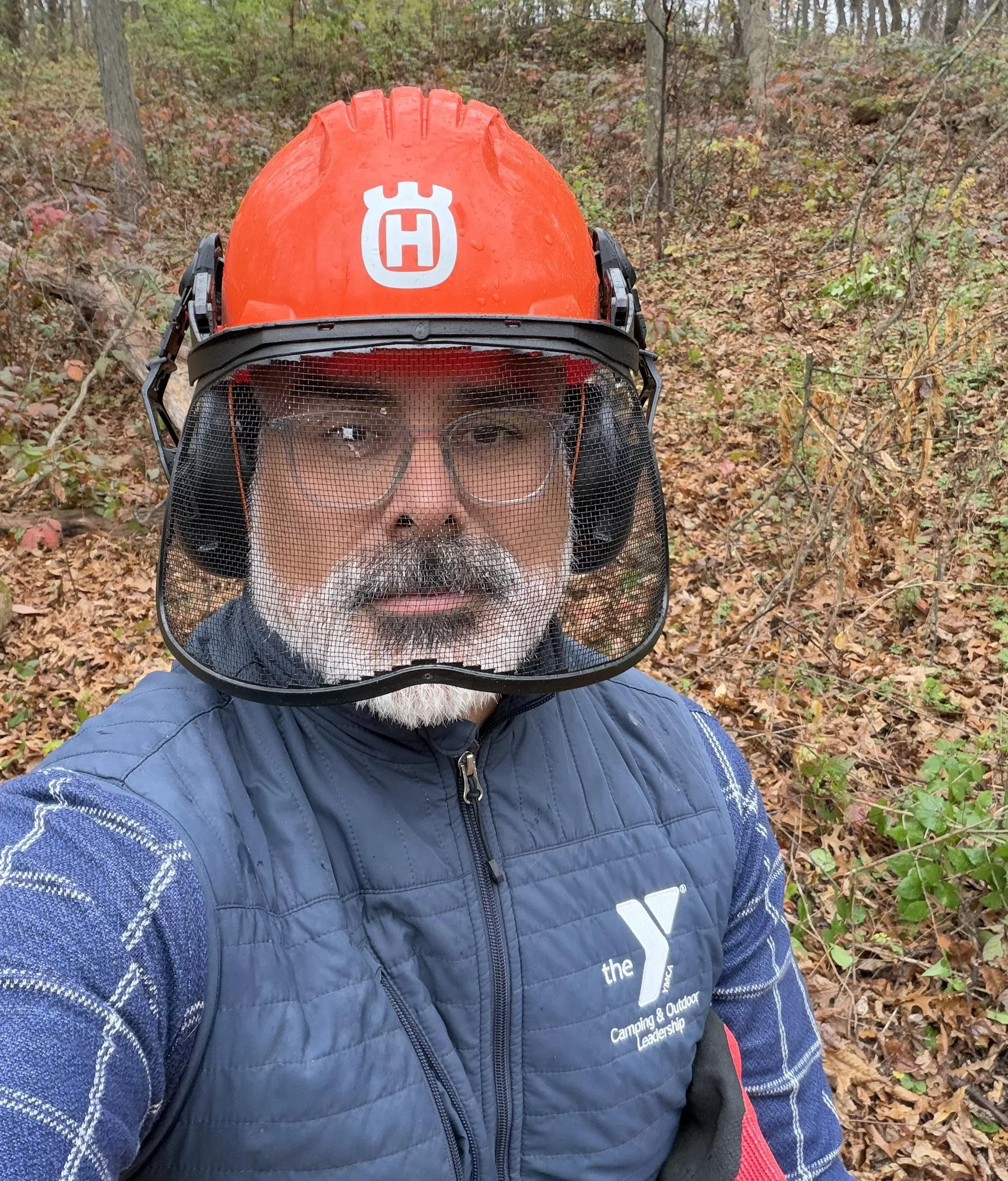
Following high school, Christopher enrolled at the University of Wisconsin–Stevens Point to pursue a forestry degree. Originally, he planned to return to his ancestral land to work for Menominee Tribal Enterprises. However, he soon came to an important conclusion: he did not feel entirely safe in this field.
"I had an epiphany,” he said. “As a queer brown man in the 1990s, forestry was probably not the wisest career choice for me.”
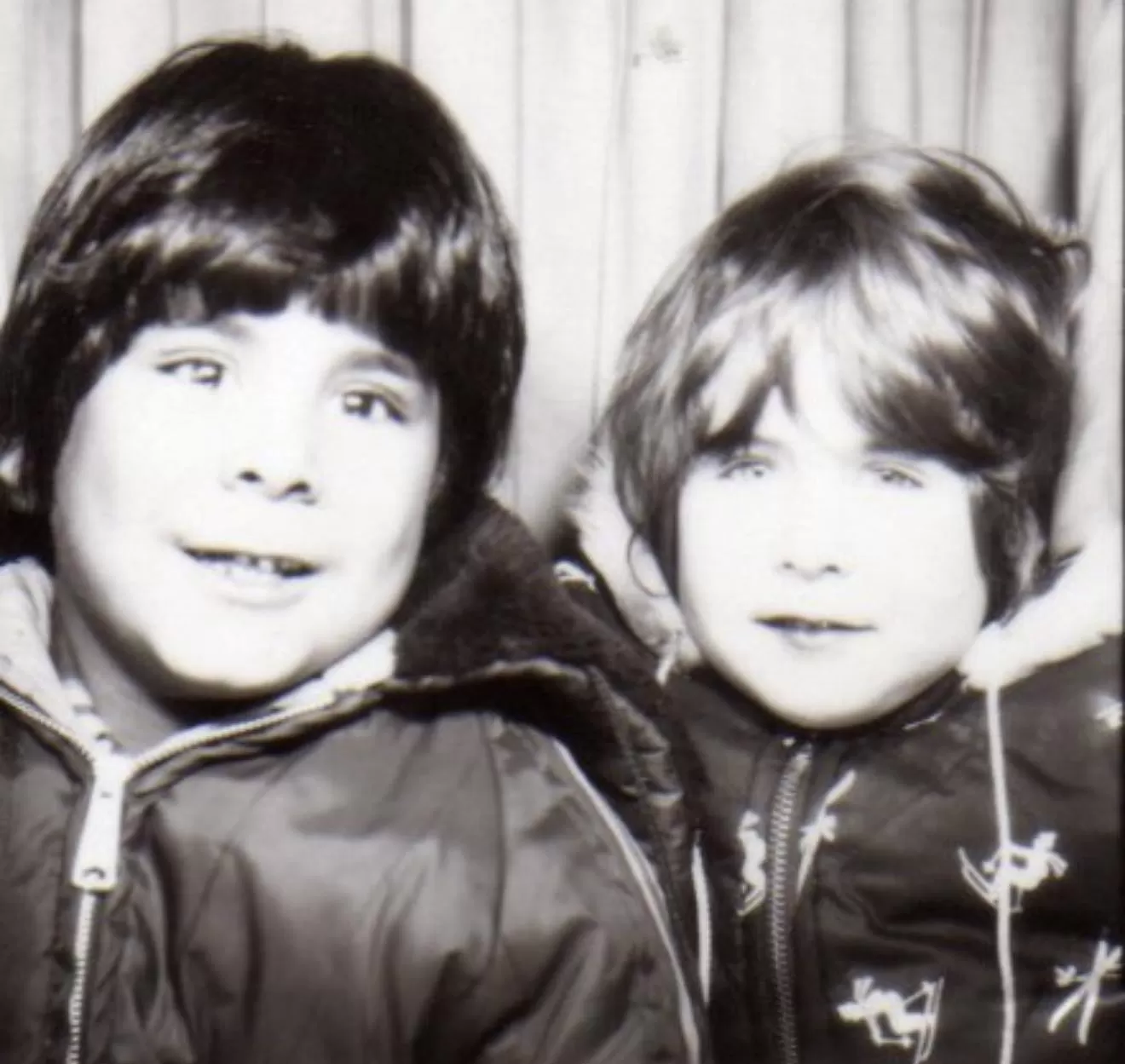
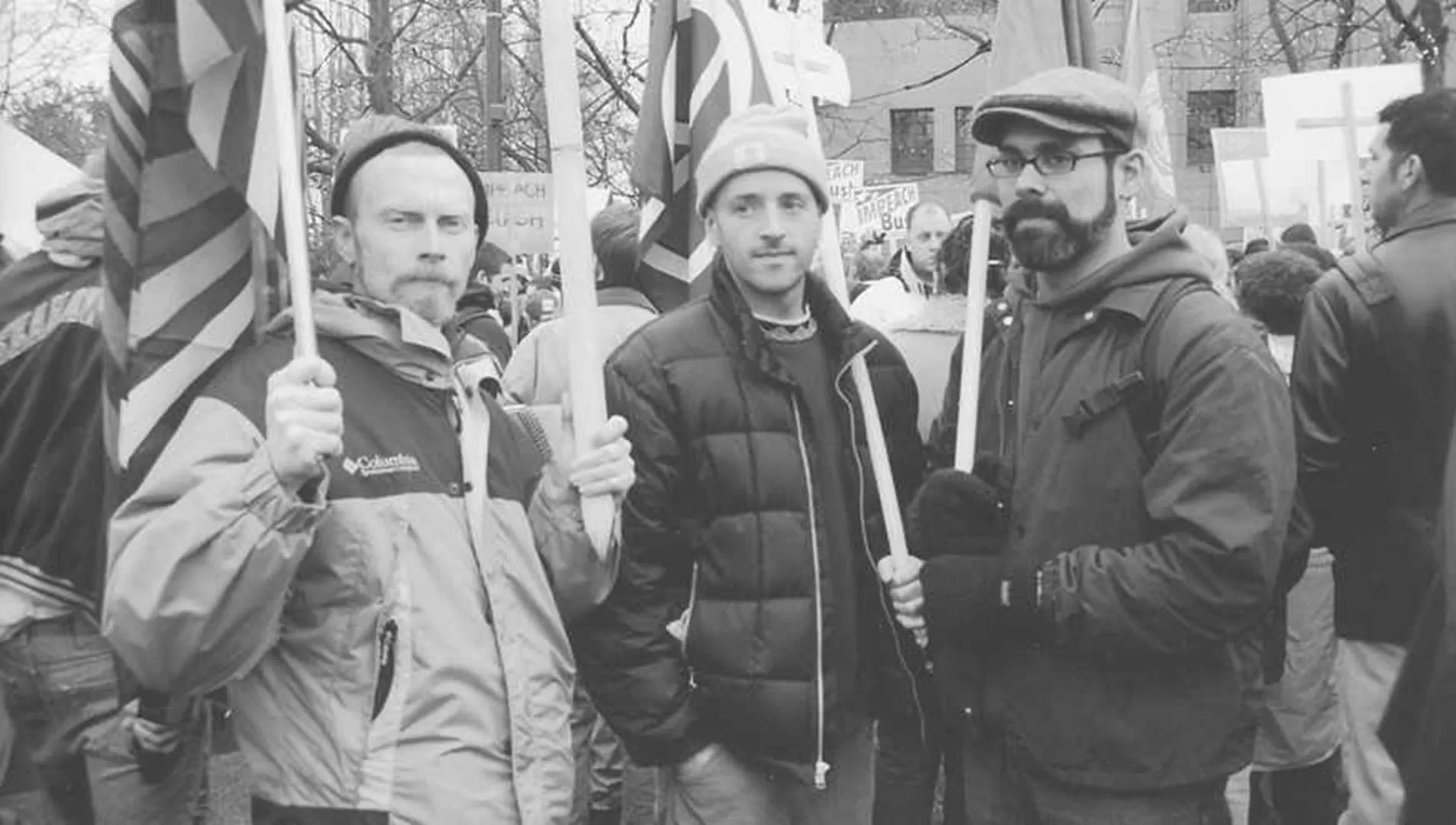
Christopher redirected his studies toward sociology, earning his Bachelor of Science degree in 1999. After graduation, he moved to Seattle, Washington. Throughout the 20th century, it was very common for LGBTQ people from rural areas and small towns to move to big cities, seeking freedoms and opportunities impossible at home.
“Like many people of my generation, I was part of the Midwest queer diaspora,” he said. “I felt like I had to leave Wisconsin to be who I was meant to be.”
In Seattle, Christopher built a public career in civil rights and environmental policy. Managing the Pacific Northwest regional office of the Environmental Careers Organization, he recruited professionals for federal agencies like the National Park Service and the Bureau of Land Management.
He later joined Seattle City Light, leading the implementation of the municipal Race and Social Justice Initiative and founding the utility’s first environmental equity program. In 2019, he ran for Seattle City Council in District 2 on a social justice platform.
His journey was shaped by triumph as well as tragedy. At age 29, his first partner, Kelvin Scott, passed away from HIV/AIDS after nearly five years together. Christopher served as Scott’s end-of-life doula, an experience that deepened his understanding of somatic care and transition.
Scott’s passing was a transformative moment for his survivors: after several years of avoiding the conversation, Christopher finally came out to his father on the day Scott died.
“That experience helped me find my voice as a community activist,” said Christopher.
“Prior to that, I was pretty quiet. Rugby also helped. I played with the Seattle Quake for a few years, which helped me grieve my loss.”
After his brother Robert was diagnosed with lung cancer, Christopher realized his time in the Pacific Northwest would be coming to an end. Eventually, he returned to Madison to be one of Robert’s caregivers during his final six months of life.
In 2022, the Peguero family suffered another tragic loss when another brother, Gerardo, died from a fentanyl overdose.
“The fentanyl epidemic is having a disproportionate impact on tribal communities,” said Christopher. “Gerardo’s death was a sad reflection of that fact.”
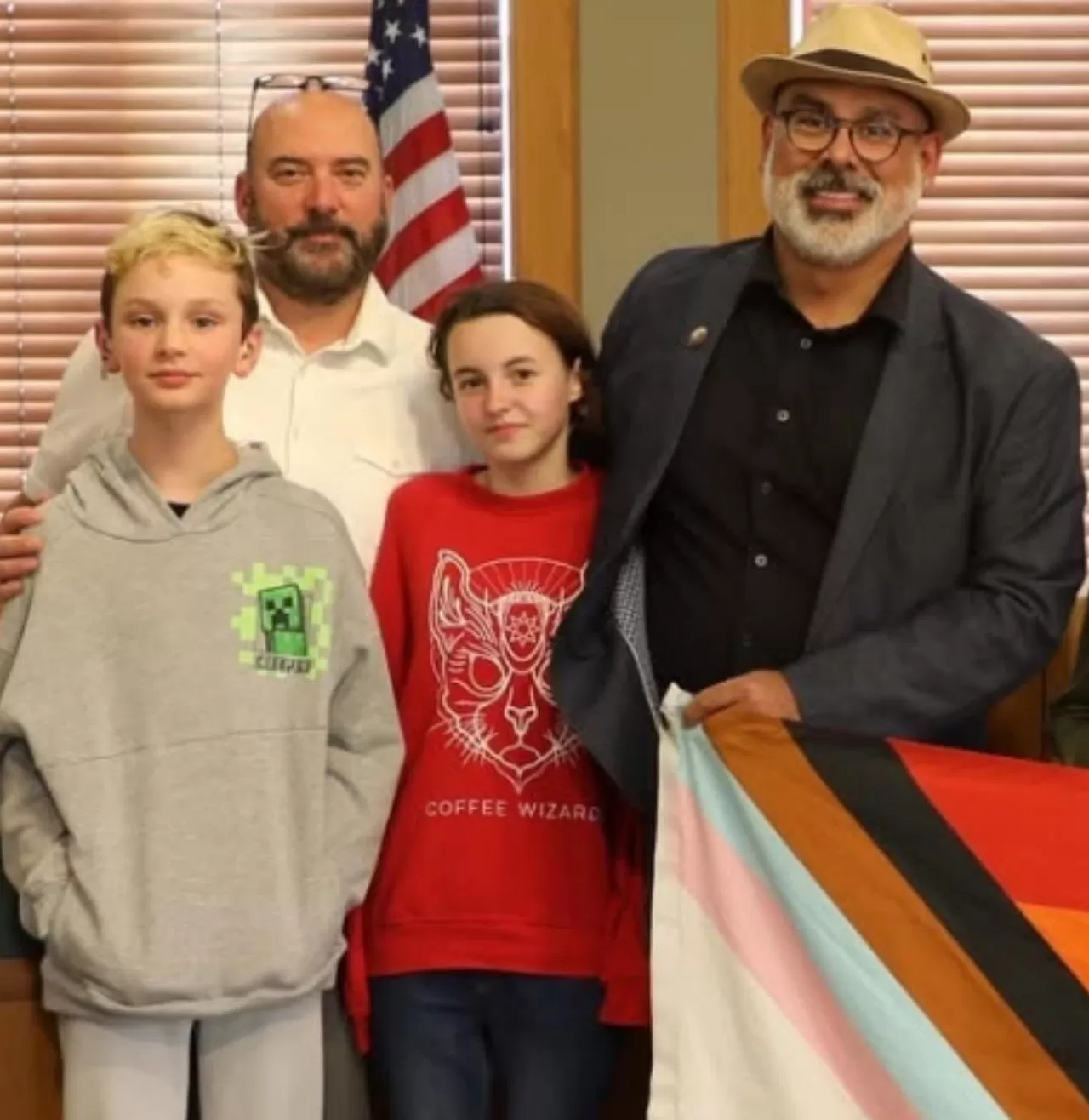
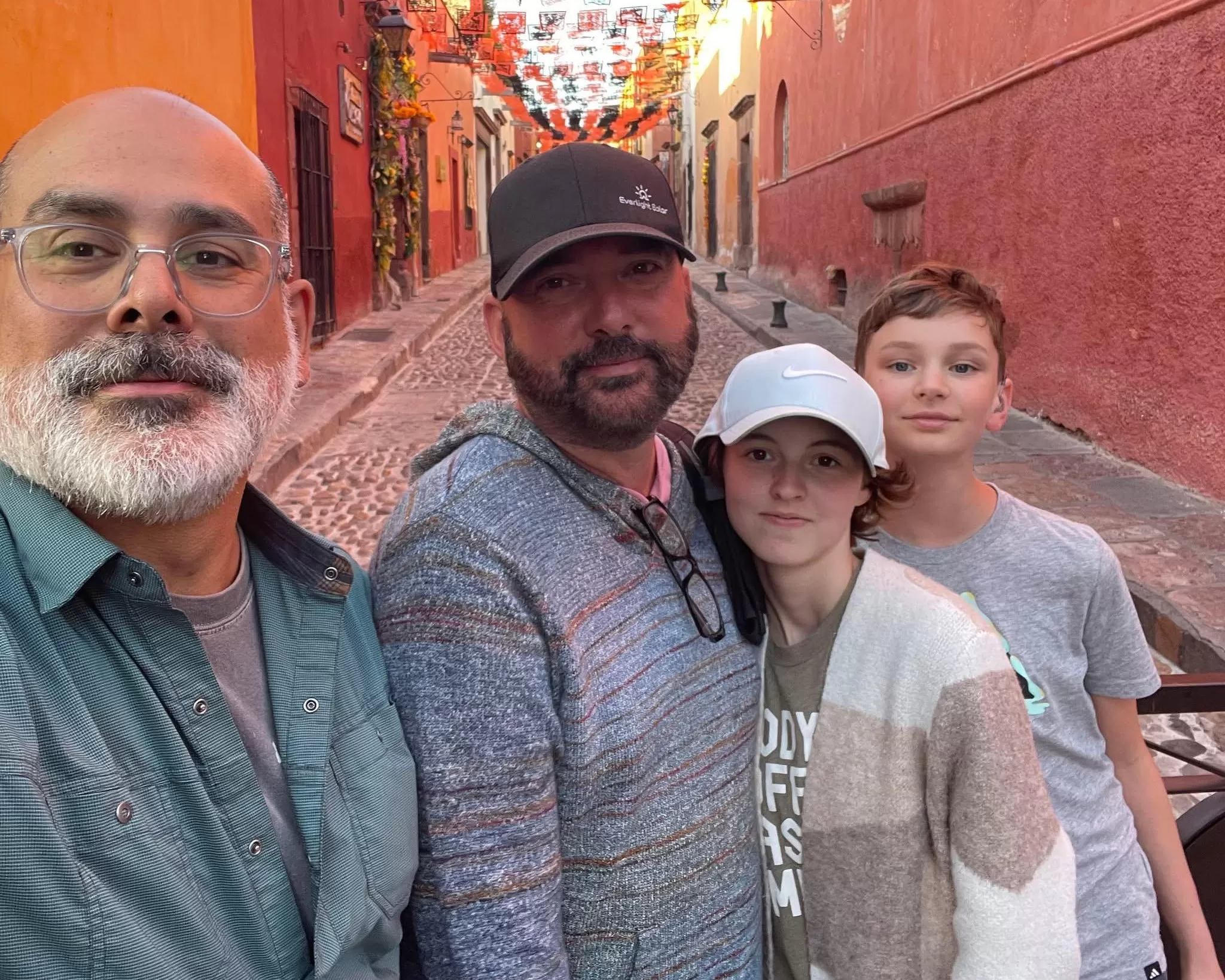
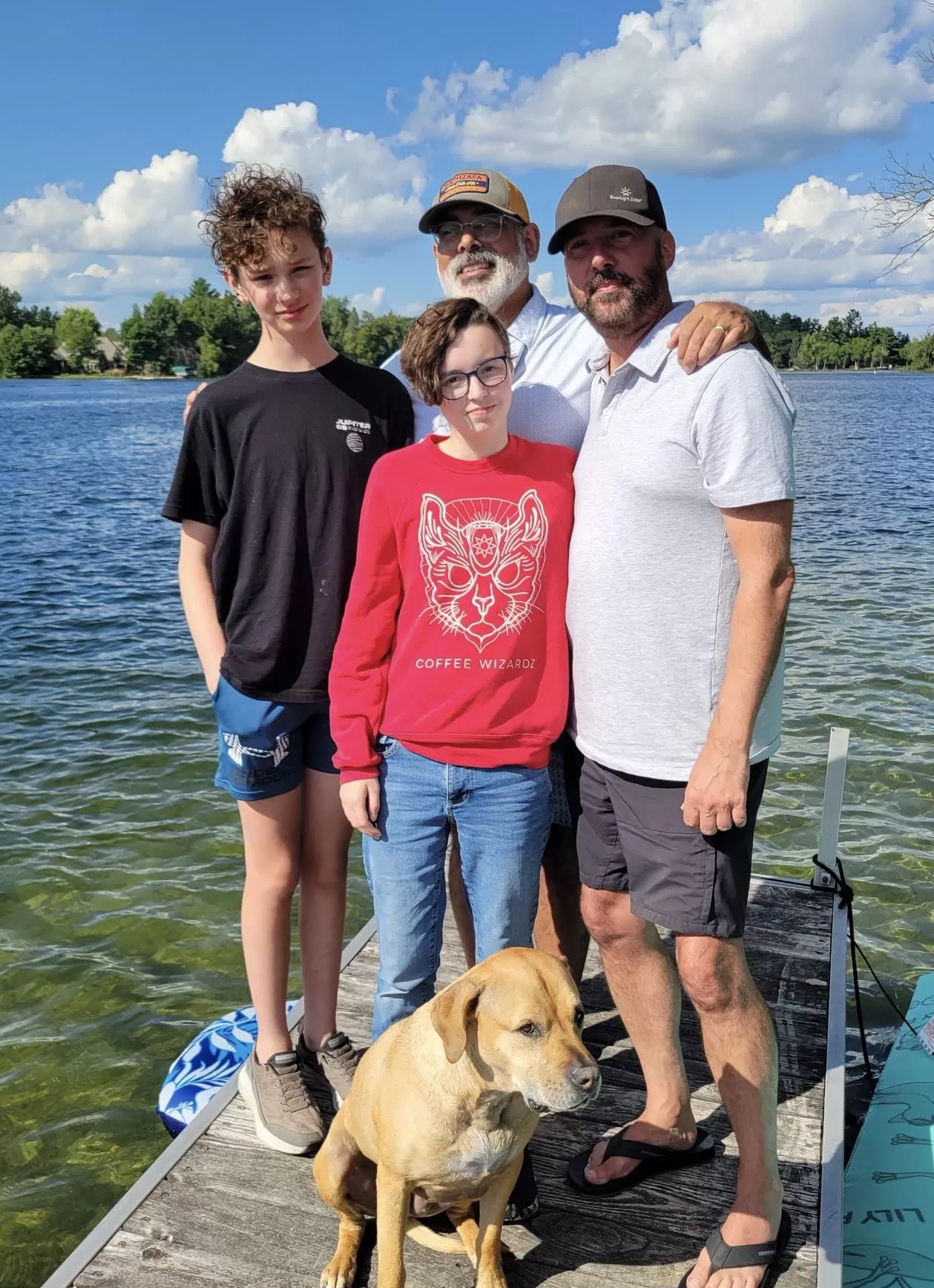
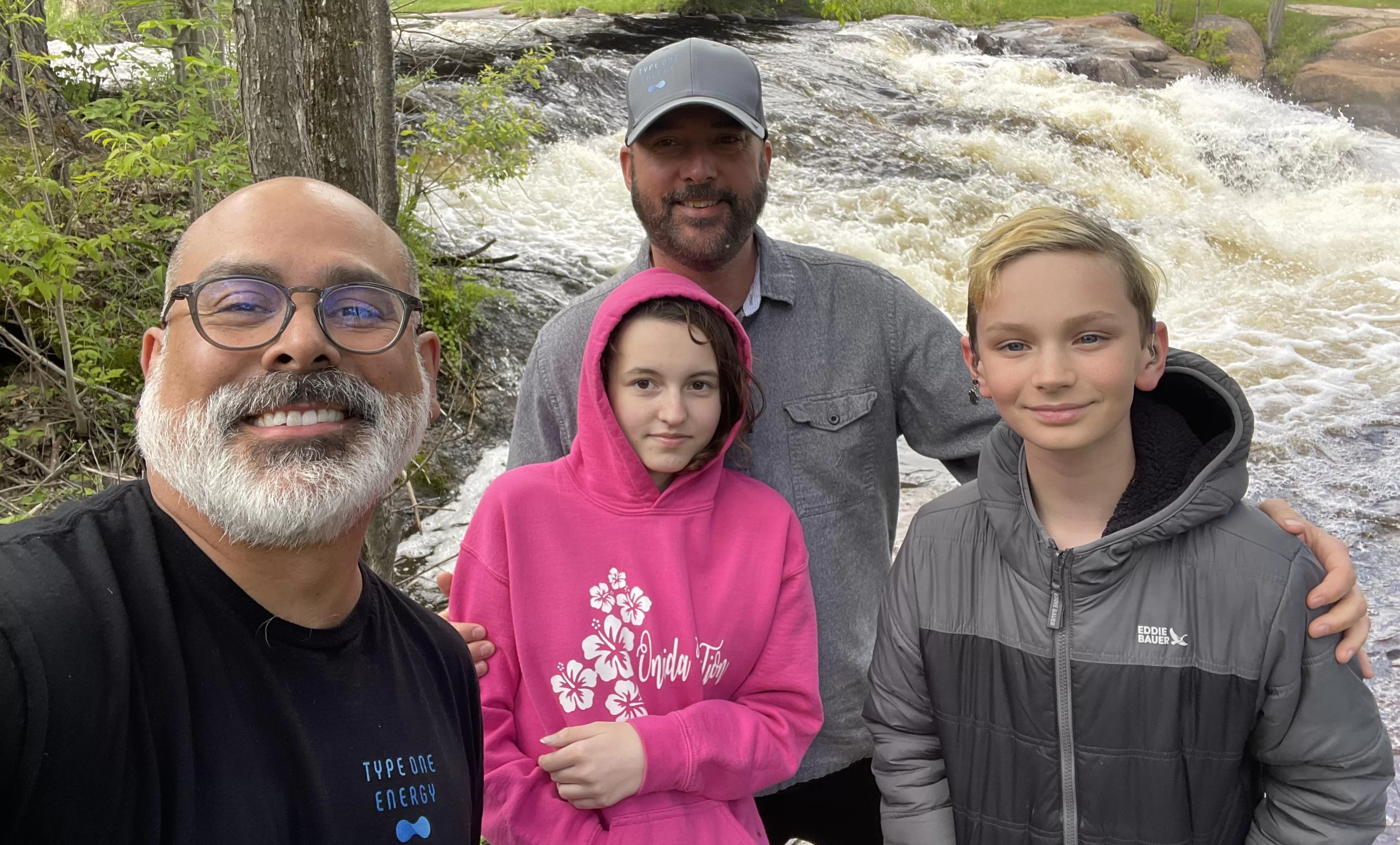
Recently, Christopher relocated his retired parents from Green Bay to the Madison area. He and his husband, Anthony Potter, have built a family of their own across their 18-year relationship, including two sons James and Alexander.
For Christopher, identifying as Two Spirit (niizh manidoowag) was a transformative step in decolonizing his understanding of gender and culture. Introduced by Western explorers and missionaries, derogatory colonial terms like berdache were used to classify Indigenous people who did not conform to European gender norms.
"Two Spirit isn't just a Western LGBTQ label under a different name," Christopher emphasizes.
"It is deeply centered in culture and community. Prior to colonization, Two Spirit individuals held sacred roles as teachers, culture keepers, healers, and neutral mediators between warring parties or within families."
This cultural framing has been essential in driving family acceptance. When Christopher’s grandmother, a devout Jehovah's Witness, expressed doubt about Two Spirit identity, Christopher’s mother intervened. She cited traditional Menominee culture, reminding the family that gender-diverse individuals were important contributors to the survival and spiritual health of their nation.
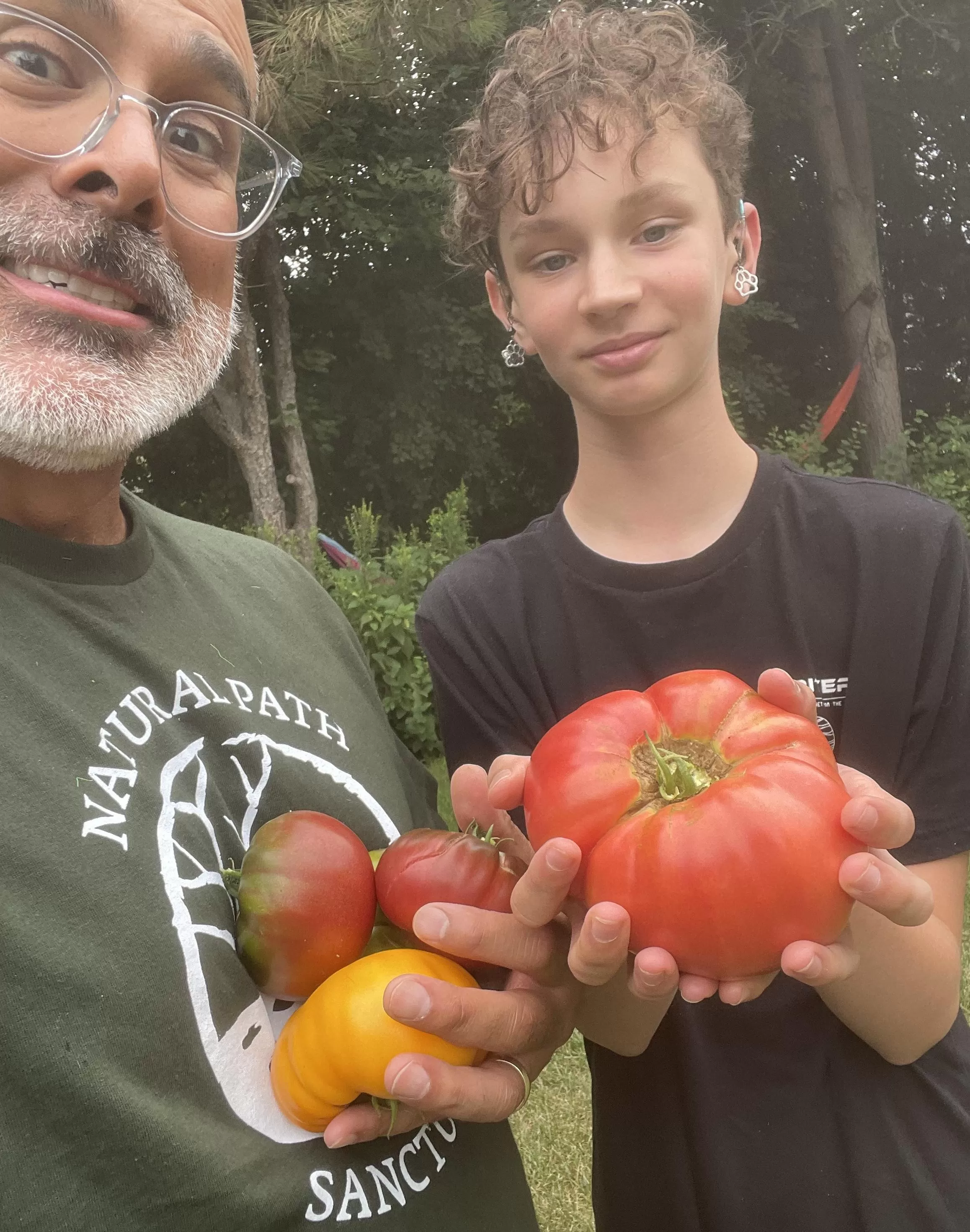
Christopher applies this decolonized worldview within his own family, supporting his trans son through conversations that challenge patriarchal norms. When his son asked for advice on presenting masculinely, Christopher encouraged him to examine the cultural construction of manhood rather than adopting rigid expectations like emotional stoicism.
"Two Spirit culture challenges rigid binaries," Christopher said.
"It recognizes a balance of male and female spirits within us, emphasizing that gender is holistic and relational."
On June 13, 2026, the first-ever Wisconsin Two Spirit Powwow was held in Keshena, Wisconsin on the Menominee Indian Reservation. Celebrating and honoring Two Spirit, Indigiqueer, and LGBTQ lives, the Pow Wow re-imagined the traditional Woodland Bowl as a space of universal acceptance and belonging.
Rather than enforcing gender categories and point-based dance competitions, the gathering emphasized open intertribal dancing and cultural specials -- such as the Haudenosaunee Smoke Dance -- centering dance as a ceremonial act of community healing.
Christopher was invited to speak on the "Quelder" (Queer Elder) panel at the Pow Wow. Being recognized as an elder -- at age 51 -- was a profound, yet sobering experience.
While traditional tribal custom recognizes elders as 55 and older, Two Spirit gathering spaces frequently adjust these thresholds downward to reflect the disparate experiences of Two Spirit people.
"To be invited to speak inside the Woodland Bowl -- on my own tribal land -- was one of the greatest honors of my life," Christopher said.
The event featured the carrying of the Two Spirit Pride flag alongside sovereign tribal flags during the grand entry ceremony. Organizers have since established a rotational model to move the Wisconsin Two Spirit Powwow annually across sovereign tribal nations, with the Oneida Nation slated to host in July 2027.
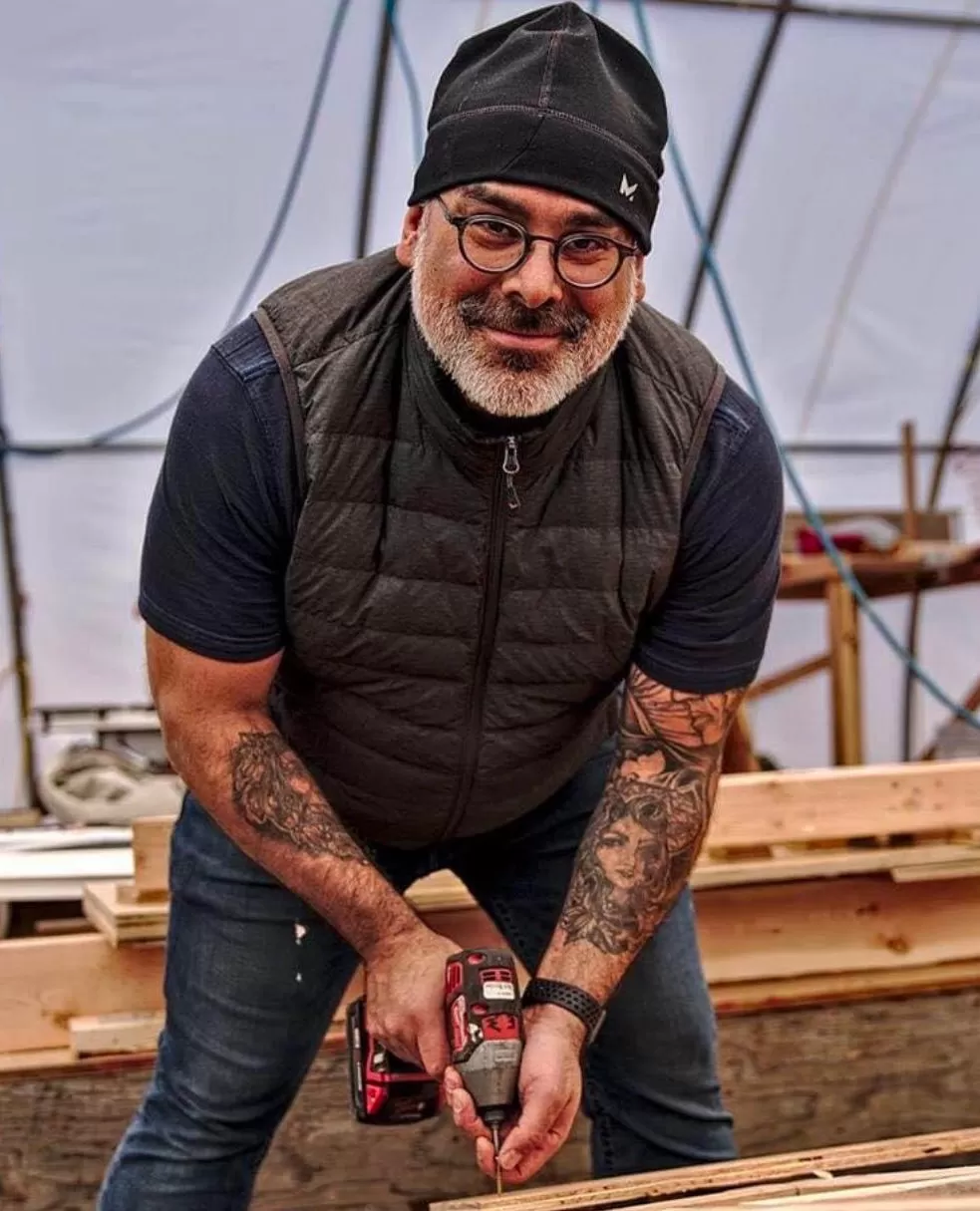
Today, Christopher serves as Executive Director of the Farley Center for Peace, Justice, and Sustainability in Verona, Wisconsin, overseeing 108 acres of land, a 25-acre organic farm incubator for diverse growers, and Natural Path Sanctuary, a 25-acre green burial cemetery.
One of their farming partners is Urban Triage, which operates an urban farming program that brings free, culturally relevant food to Dane County’s Black community.
Christopher integrates Two Spirit principles directly into land administration through four core concepts: reciprocity with nature, collectivity in resource sharing, holistic land stewardship, and economic sufficiency rather than growth for growth's sake.
"How we manage land in a sustainable way directly informs how we interact with one another in community," Christopher said.
Facing the next chapter of his life with a clear vision and open heart, Christopher hopes to provide Indigenous and queer youth with the representation he searched for as a young man. His message to the next generation could not be clearer.
"Youth shouldn't have to flee their tribal communities or leave Wisconsin to discover who they are. Our culture holds space for all of us. We have always been an important part of society, and we will always be.”
The concept for this web site was envisioned by Don Schwamb in 2003. Over the next 15 years, he was the sole researcher, programmer and primary contributor.
If you would like to contribute as a blog writer please contact us.
recent blog posts
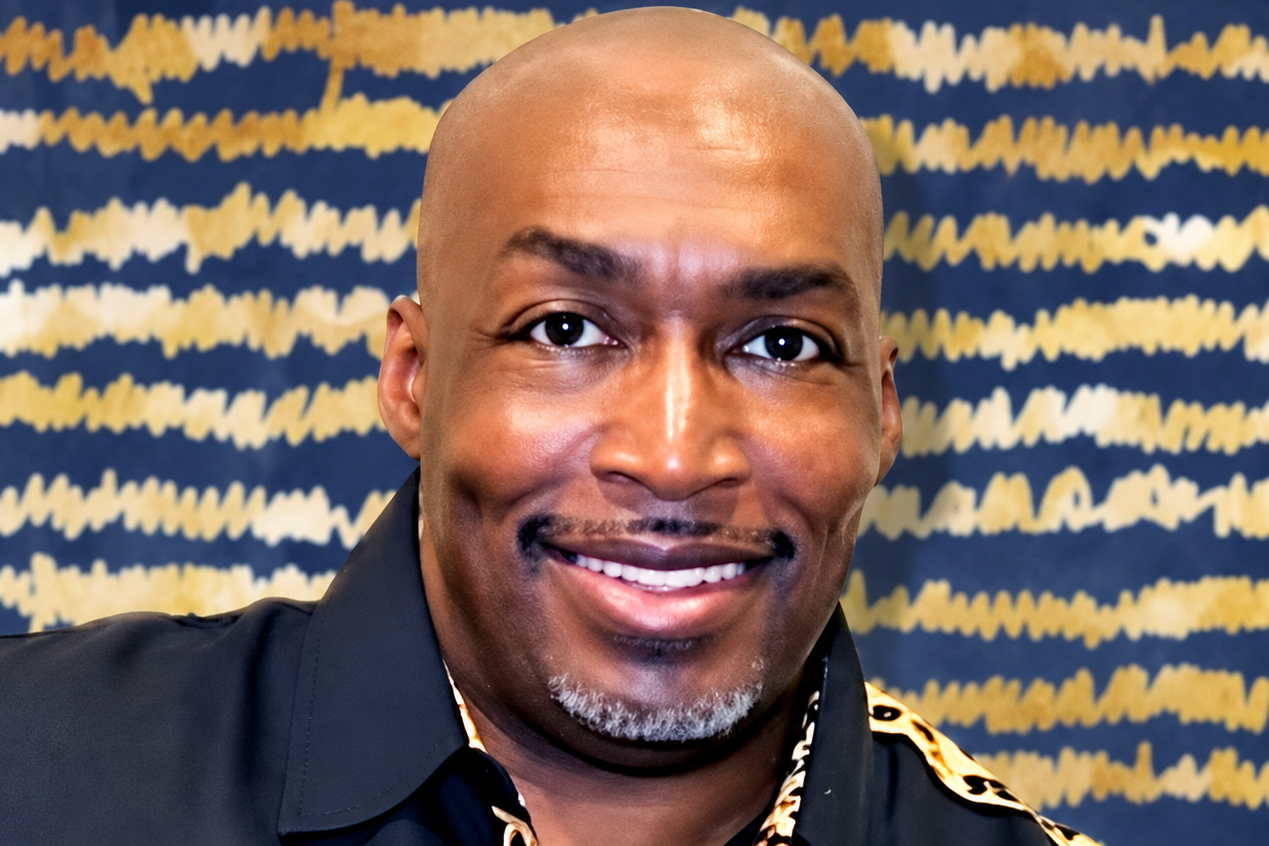
October 23, 2026 | Ricardo W. Harris
September 25, 2026 | Amy Luettgen
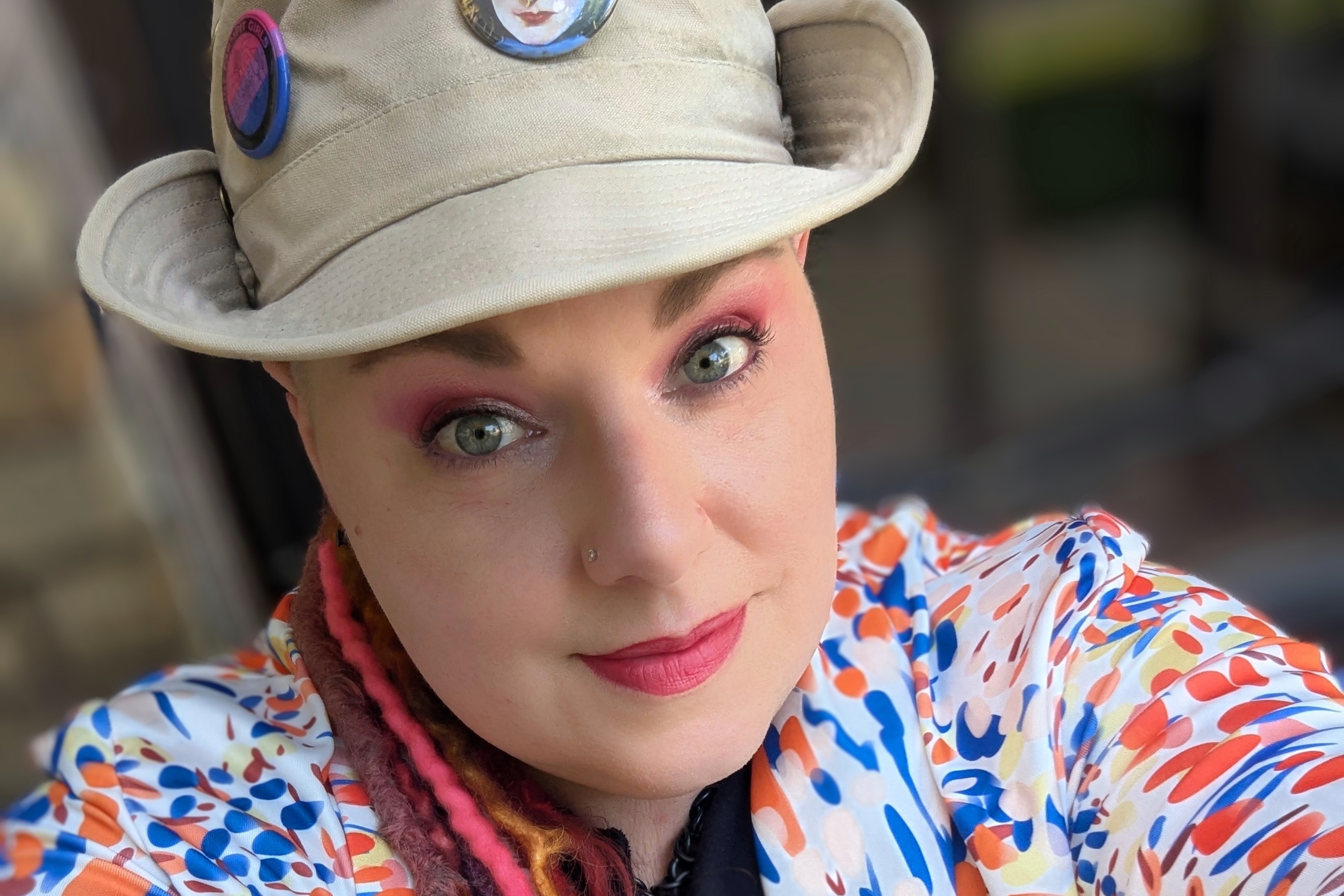
Val Benner: finding identity, community, purpose, and belonging
The concept for this web site was envisioned by Don Schwamb in 2003, and over the next 15 years, he was the sole researcher, programmer and primary contributor, bearing all costs for hosting the web site personally.
This work is licensed under a Creative Commons Attribution-NonCommercial-ShareAlike 4.0 International License.
© 2026 Wisconsin LGBTQ History Project. All Rights Reserved.