
- Places
 November 22, 2026 | Michail Takach
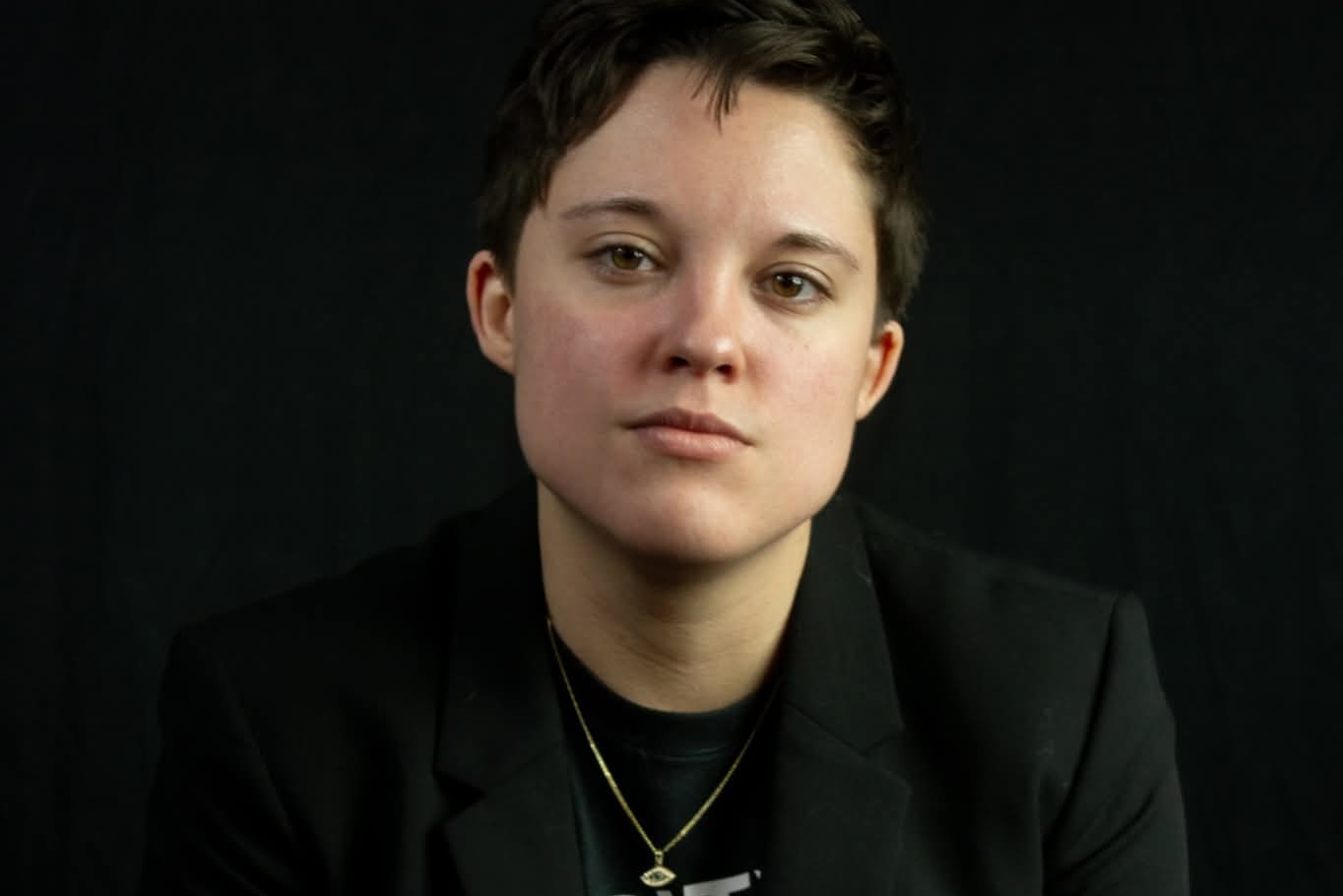
Darrian Kaye Adler: inheriting the past, building the future
Darrian Kaye AdlerThere is no English word for the longing you feel -- knowing you belong to a history you have never personally experienced.
For Darrian Kaye Adler, that longing began long before he understood what it meant to be Indigenous, what it meant to be Two Spirit, or how profoundly the history of his family had shaped his own life.
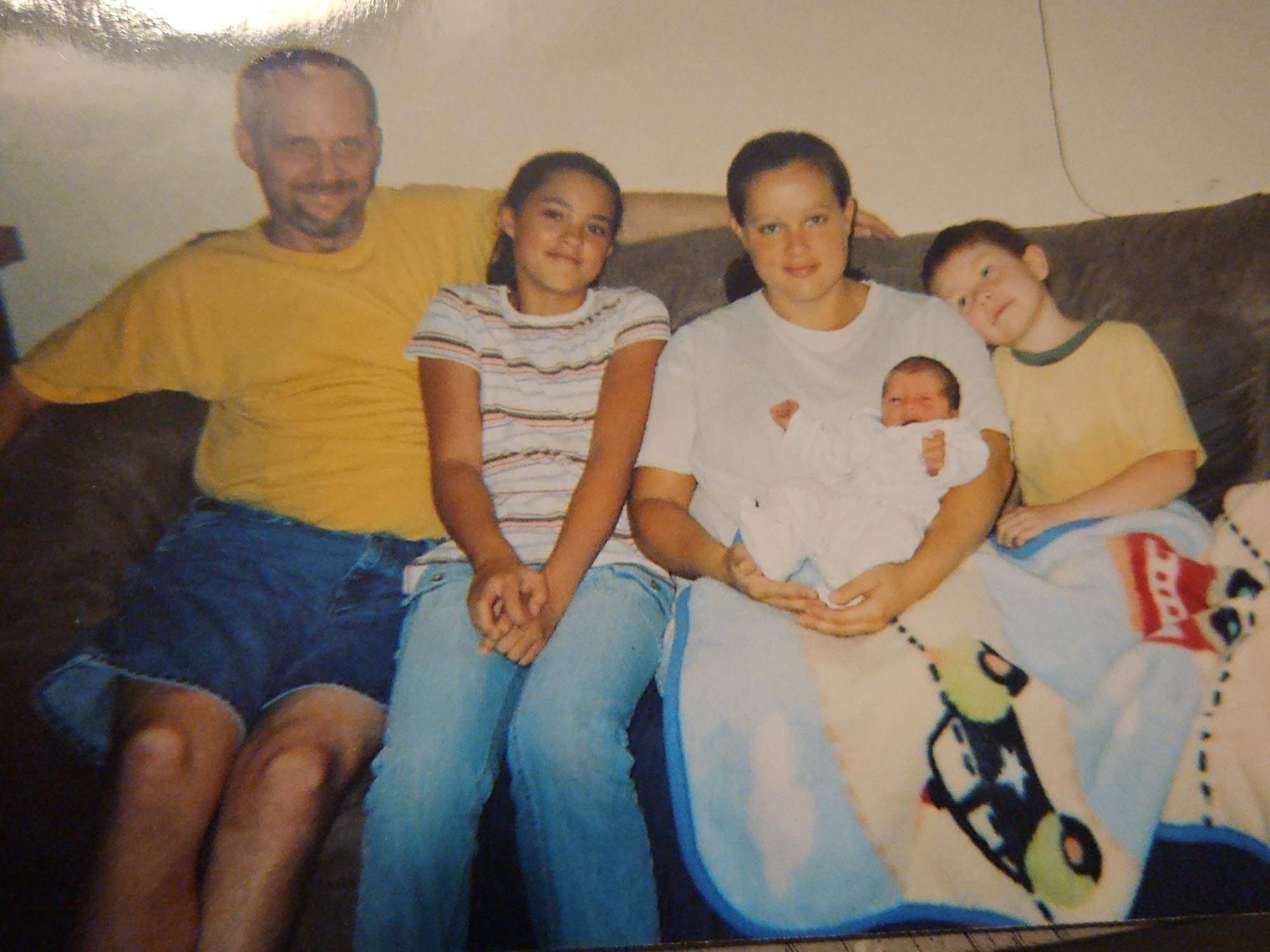
Born in Appleton, Wisconsin, Darrian grew up several generations removed from the cultural traditions, language, and community of his Stockbridge-Munsee Band of Mohican Indians. His grandmother had been born on the reservation but was removed from her family and placed in foster care at approximately eight years old. Her experience was a common tragedy for Indigenous children. By being taken from their families, colonizers disrupted the relationships through which cultural knowledge, language, and identity were traditionally passed from one generation to the next.
And that separation did not end with his grandmother. Its consequences extended to his mother, and eventually to Darrian himself. He grew up knowing he had Indigenous ancestry. However, knowing where your family comes from, and having the opportunity to experience its culture are two very different things.
As a young boy attending a small, predominantly white private school in Appleton, Darrian was often reminded that he looked different. He remembers classmates pointing to his skin and asking why it looked like dirt compared with theirs. Teachers and classmates sometimes made assumptions about his ethnicity, even once placing a Spanish translator behind him because they presumed he spoke Spanish. (He only spoke English.)
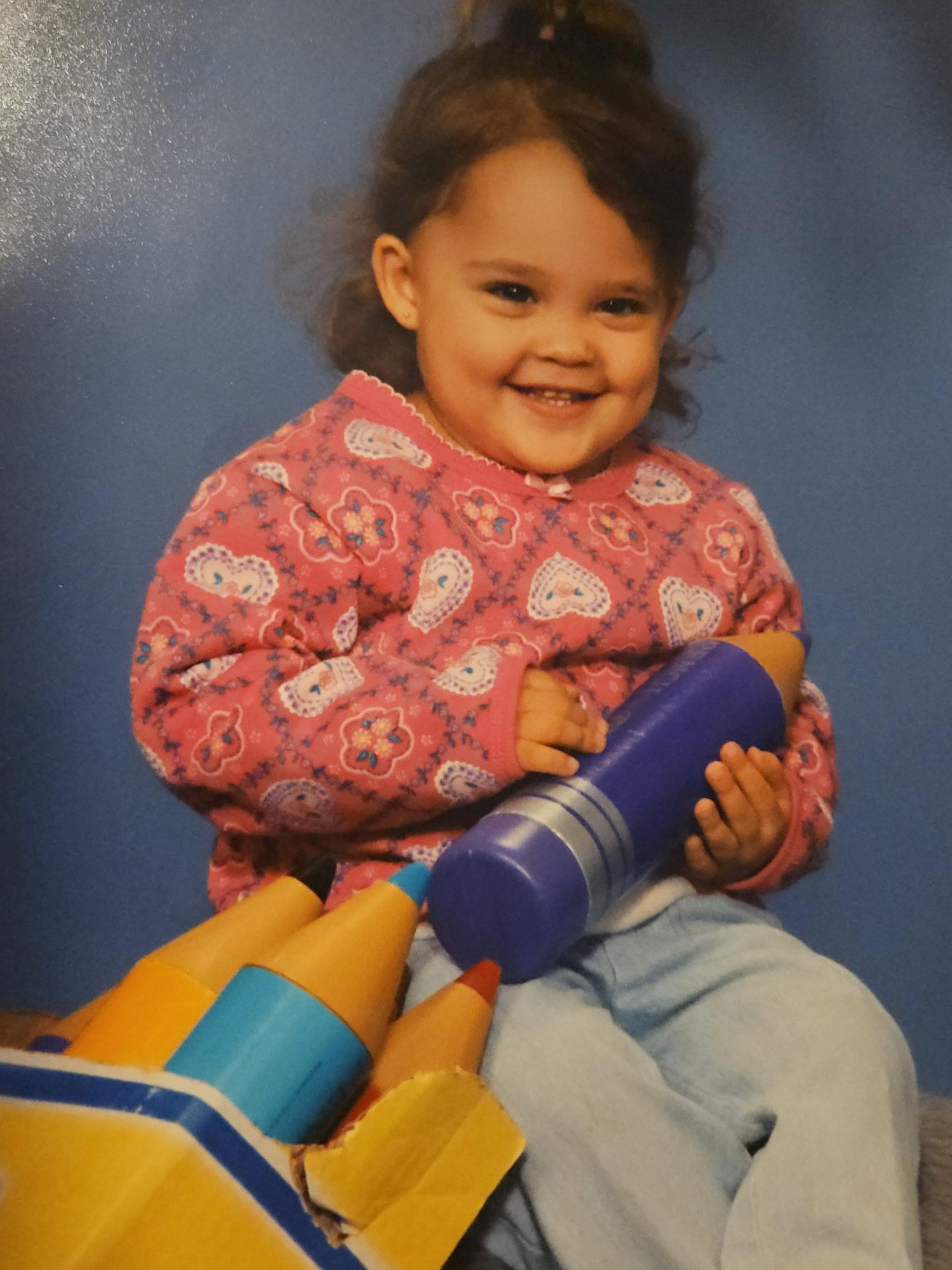
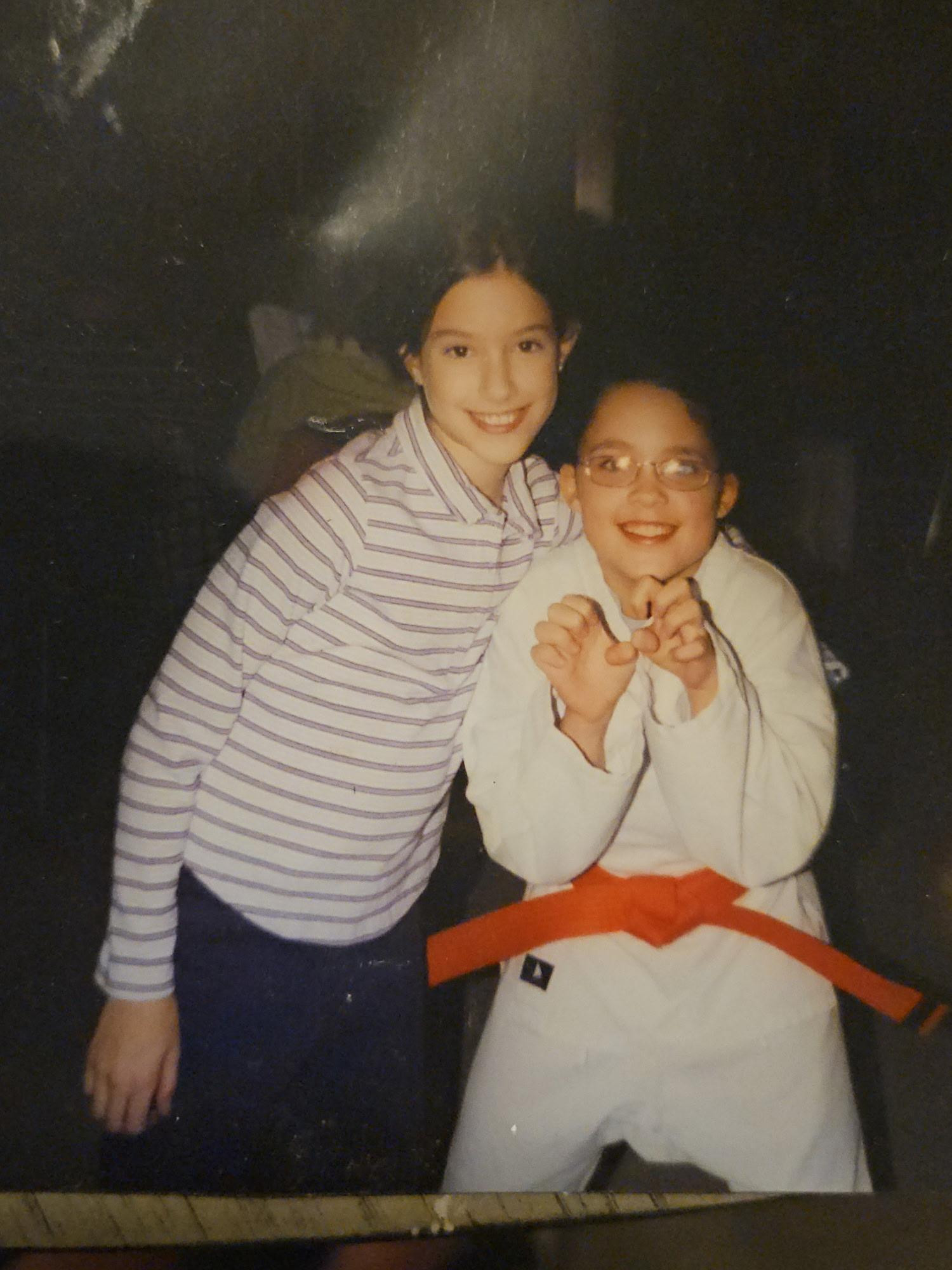

For Darrian, reconnecting with his Indigenous heritage also meant developing a deeper understanding of his identity as a Two Spirit person.
He is thoughtful about the meaning of the term and the importance of understanding it within its Indigenous context. Two Spirit is not simply another word for gay, queer, or transgender. It is an Indigenous identity whose meaning and significance are rooted in Indigenous cultures and vary among tribal nations.
Darrian believes one of its most important dimensions is the rejection of colonial systems of language and identity that have historically attempted to define Indigenous people on someone else’s terms. He explains that Indigenous people should not have to rely on colonial language to explain who they are. Instead, they should look to their own languages, traditions, and cultural understandings.
His exploration of the Mani language offered him a particularly meaningful example. He learned that the language does not use the familiar English distinction between he and she in the same way. For Darrian, this discovery reinforced the idea that identity does not always fit neatly into the categories imposed by another culture.
“We are sovereign and we are independent and we have our own way of thinking,” he explained.
Darrian also recognizes that many Indigenous communities have experienced the loss of knowledge about their own Two Spirit histories. The suppression of Indigenous traditions and the influence of colonial religious and cultural systems have contributed to generations of disconnection. But he rejects the idea that Two Spirit people were somehow absent from Indigenous history.
They were present. They had meaningful places within their communities. Their contributions mattered.
The challenge now is to recover those stories through oral histories, traditional teachings, historical research, and conversations with elders.
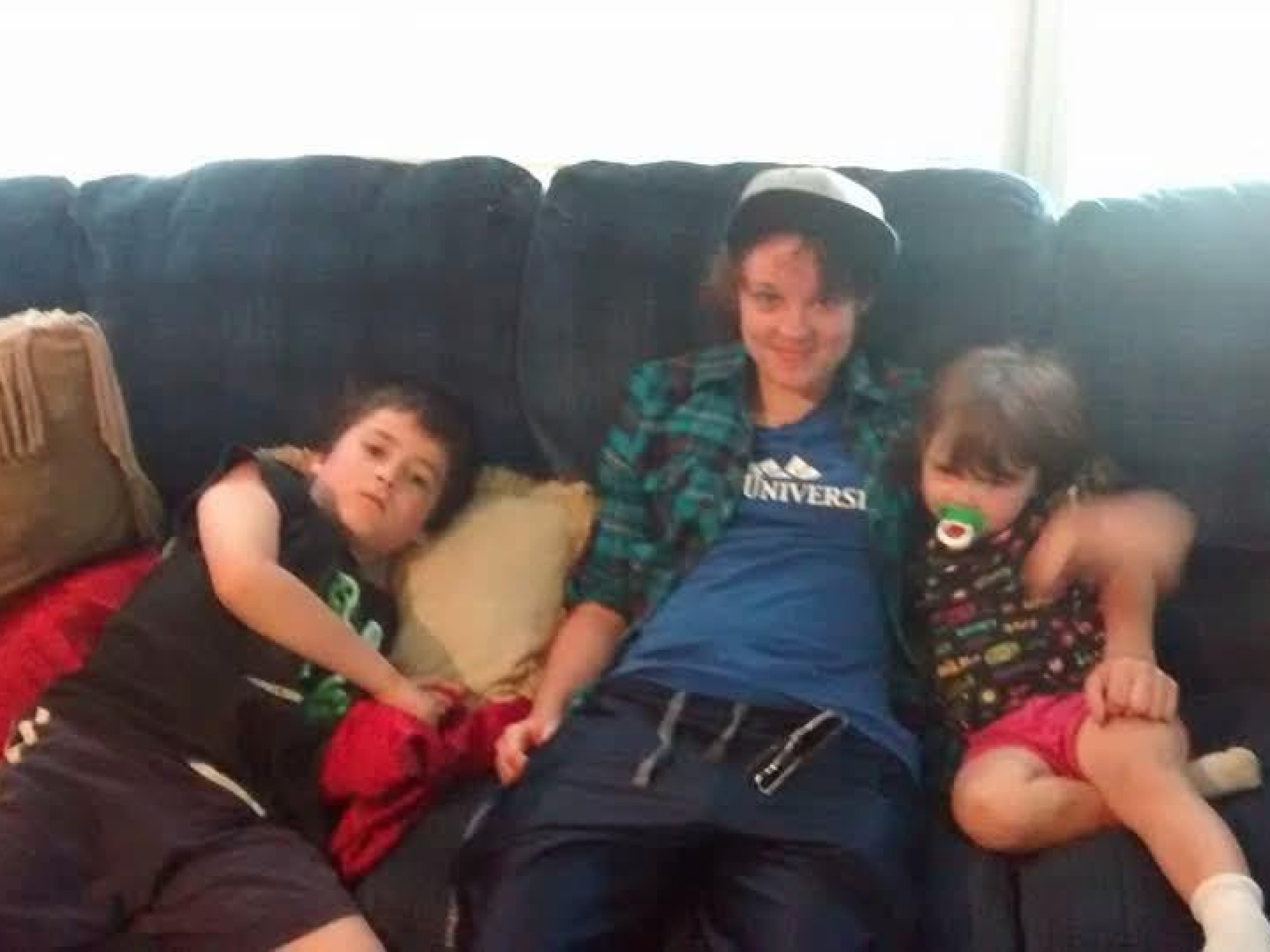
While living in Minneapolis, Darrian worked downtown near Ninth Street and Nicollet Avenue. Every day, he encountered people experiencing homelessness and extreme hardship. During the winter, he witnessed the devastating consequences of exposure to the cold, including people who had died overnight.
The experience profoundly affected him.
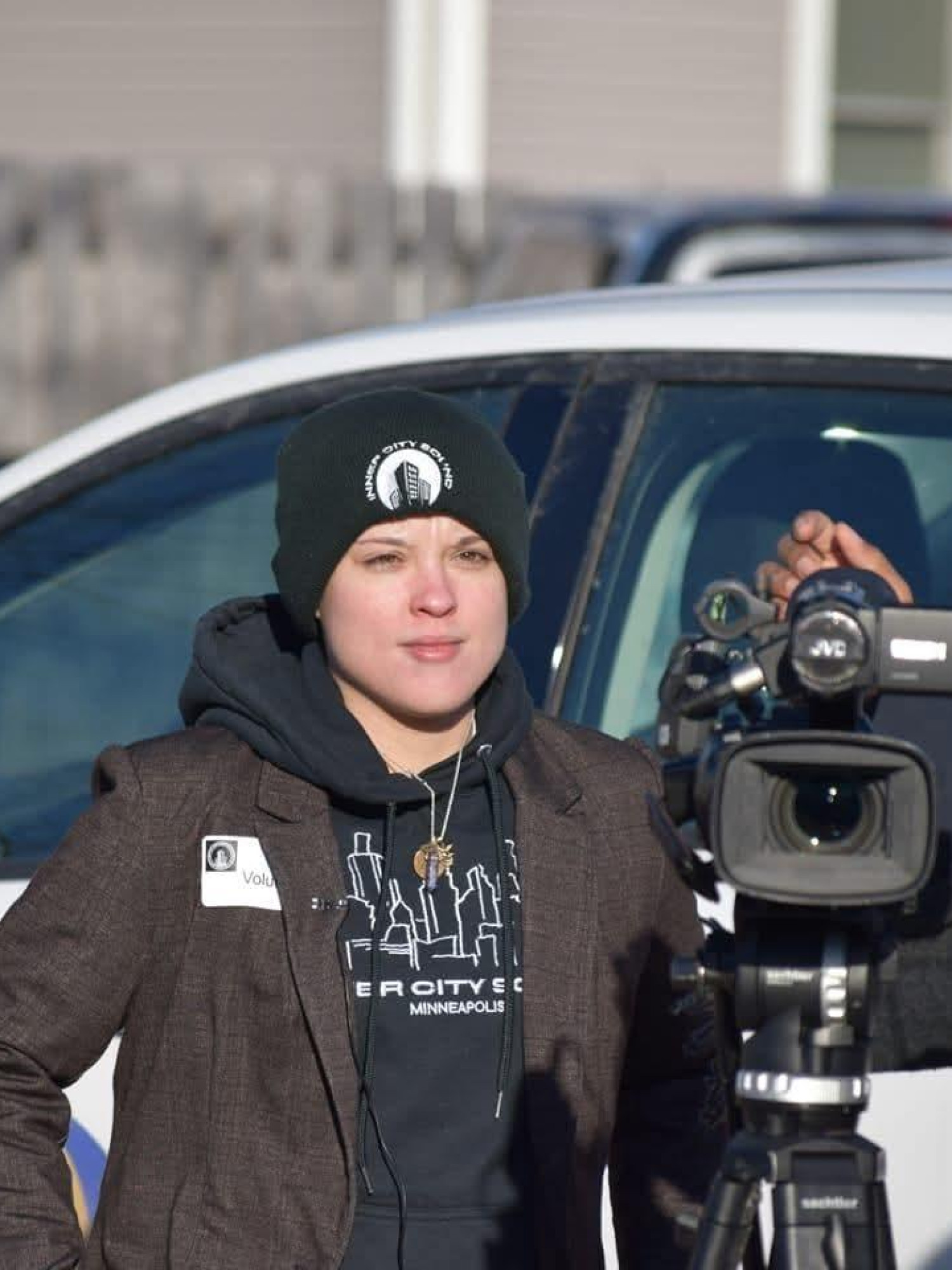
At just 18 years old, he made a personal commitment to return home and find a way to help people facing similar circumstances. That commitment eventually became Mission We Hear You, a grassroots community initiative that provides essential supplies and winter clothing to people experiencing hardship. Rather than waiting until he had accumulated years of professional experience or financial resources, Darrian decided to start with what he had.
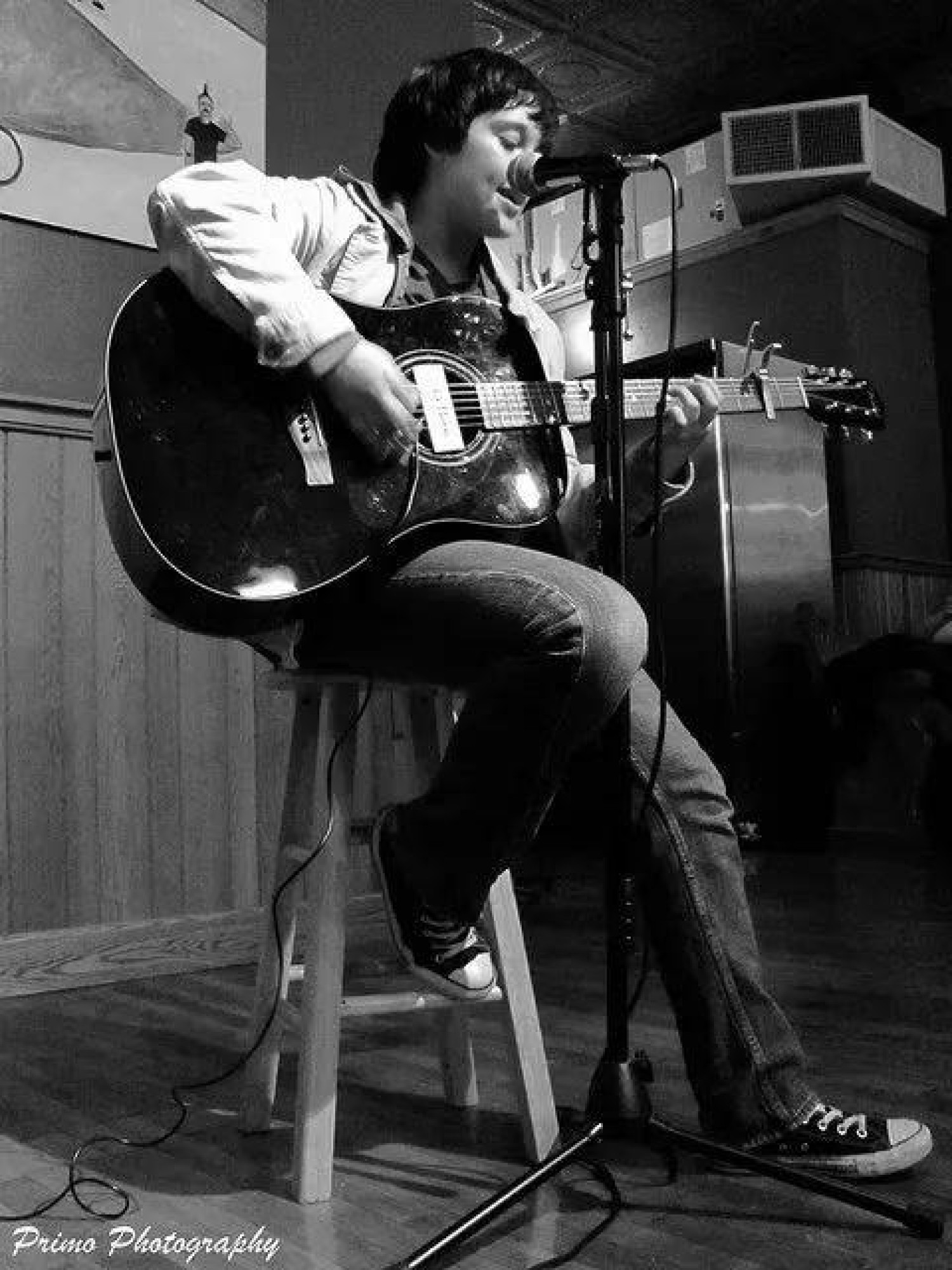
Through Inner City Sound, he created a way to connect music, business, and community service. Proceeds and donations could be directed toward helping people who needed warm clothing, protective gear, and other necessities. The initiative reflects a belief that community is not simply something people belong to. It is something they actively build through responsibility, compassion, and action.
His work demonstrates that the values he has been rediscovering through his Indigenous heritage are not confined to cultural programs or historical conversations. They are expressed in the everyday decisions he makes about how to treat other people and how to use the opportunities he has been given.
Darrian’s experiences have informed his particularly strong perspective on allyship.
He believes non-Indigenous people who want to support Indigenous and Two Spirit communities must begin by educating themselves rather than expecting Indigenous people to shoulder the responsibility of teaching everyone else.
But he takes that expectation further.
He believes allies should bring that education into their own families, workplaces, and social circles. When cultural appropriation or disrespect occurs, allies should be willing to challenge it themselves. It is exhausting, he explains, for Indigenous people to continually defend their identities, explain their traditions, and correct misinformation. Sometimes the most meaningful contribution an ally can make is to take responsibility for educating people within their own community.
More importantly, allyship must remain consistent when circumstances become difficult.
Darrian offers a particularly memorable description of what genuine support looks like:
“Don’t say you’re our ally, but you stand in the back of the line and make us take all the beatings, all the stones, everything that they’re throwing at us.”
He believes allies must be willing to stand beside Indigenous people publicly, defend their dignity, and demonstrate through their actions that their support is genuine. It is not enough to express solidarity when doing so is comfortable. When the criticism comes, that is precisely when an ally needs to step forward.
When Darrian considers the generations coming after him, his hopes extend well beyond greater visibility for Indigenous LGBTQ people.
He wants younger generations to inherit a stronger understanding of their culture, their history, and their responsibilities to their communities. He speaks passionately about land back, treaty rights, water protection, environmental preservation, and the restoration of Indigenous homelands.
For Darrian, these issues are interconnected. Cultural preservation cannot be separated from the protection of the land, water, and natural world that have sustained Indigenous communities for generations.
He points to an enduring principle within Mohican law: without justice, there can be no peace.
It is a teaching he believes younger generations should carry into the future. He has no time for complacency. He has no time for passive acceptance. He wants people to stand up for what they believe in, demand justice, protect the environment, and challenge systems that continue to marginalize Indigenous communities.
“Go forth and don’t be peaceful, make good trouble, do what you need to do and get the job done,” he says.
Darrian also believes the LGBTQ community has significant work to do in correcting the historical record.
For decades, mainstream LGBTQ history has disproportionately centered the experiences of white, cisgender gay men. Indigenous LGBTQ people, particularly Two Spirit individuals, have too often been overlooked or excluded. But their absence from historical narratives should never be confused with an absence from history.
Indigenous history is not simply something that happened generations ago. It is alive in the people who are reclaiming their identities, rebuilding cultural connections, and creating new opportunities for those who will come after them.
Darrian wants to see greater attention paid to the oral traditions, family histories, and cultural teachings that can help recover the stories of Indigenous LGBTQ people. He believes it is essential to work with elders, rediscover historical accounts, and bring Indigenous voices into conversations that have too often taken place without them. For him, the work of reclaiming history is inseparable from the work of reclaiming the future.
And the responsibility for telling those stories should rest first with Indigenous people themselves.
For younger Indigenous people who may be wondering whether reconnecting with their heritage is worth the effort, he offers encouragement. Begin the journey. Ask questions. Seek out your elders. Find your relatives. Learn your language. Allow yourself to discover the history that belongs to you.
And for those who want to stand beside Indigenous and Two Spirit people, his message is equally clear: Do more than say you support us. Show up. Educate yourself. Stand up when it matters.
“Cultural survival requires more than just remembering the past,” he said. “This work is active, ongoing, and more important than ever.”




recent blog posts
November 21, 2026 | Michail Takach
November 15, 2026 | Michail Takach
November 09, 2026 | Michail Takach
The concept for this web site was envisioned by Don Schwamb in 2003, and over the next 15 years, he was the sole researcher, programmer and primary contributor, bearing all costs for hosting the web site personally.
join our email list
Get WI LGBTQ History Project updates in your inbox.


