
- Places
 February 24, 2026 | Michail Takach
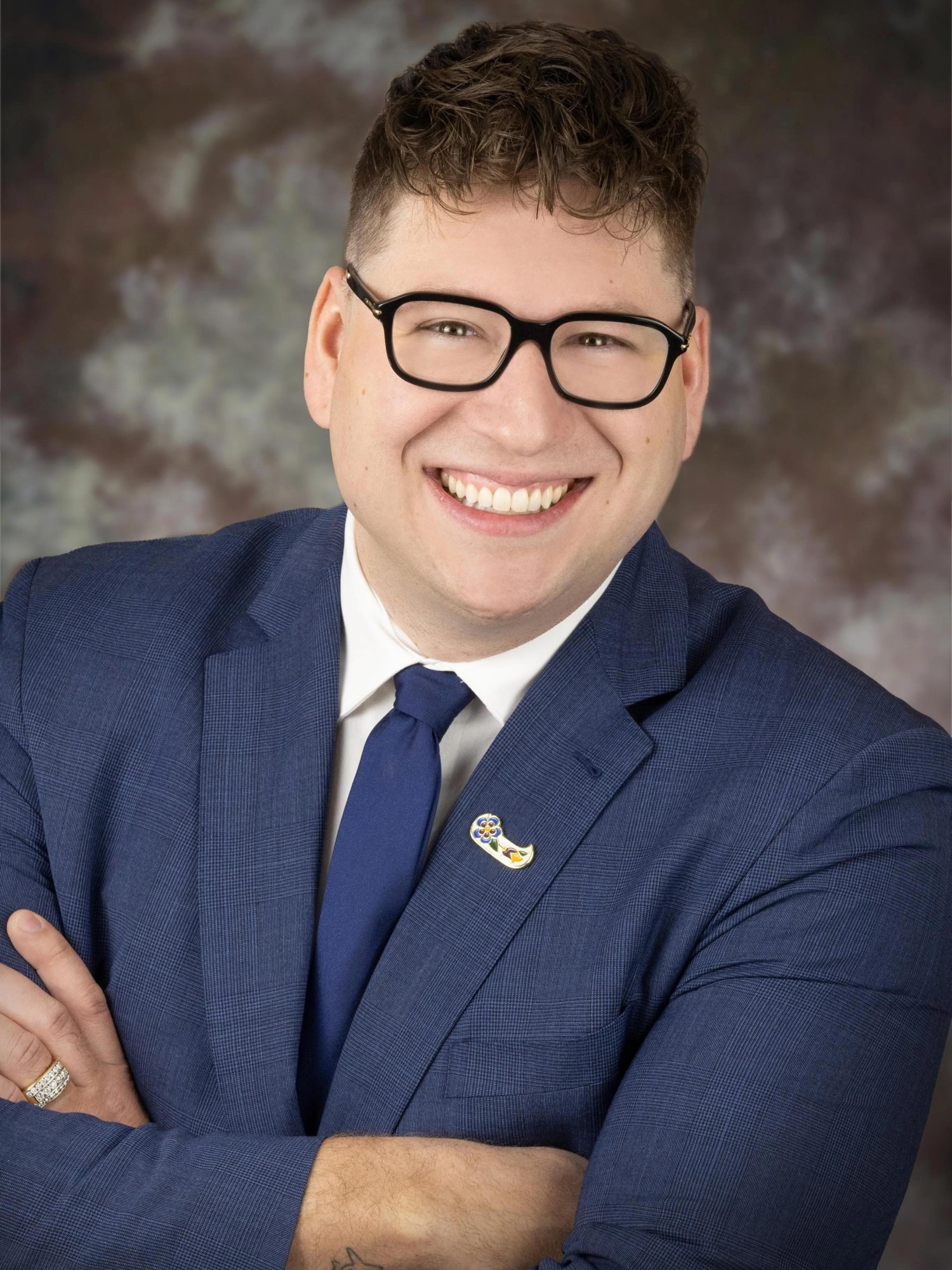
Dr. Benjamin Rieth: lifting the weight of the in-between
After struggling with a lifelong sense of disconnection, Benny found his calling: to create belonging for LGBTQ people in every one of Wisconsin's 72 counties.
“You can absolutely find yourself anywhere – and there is room for all people to find themselves in Wisconsin.”
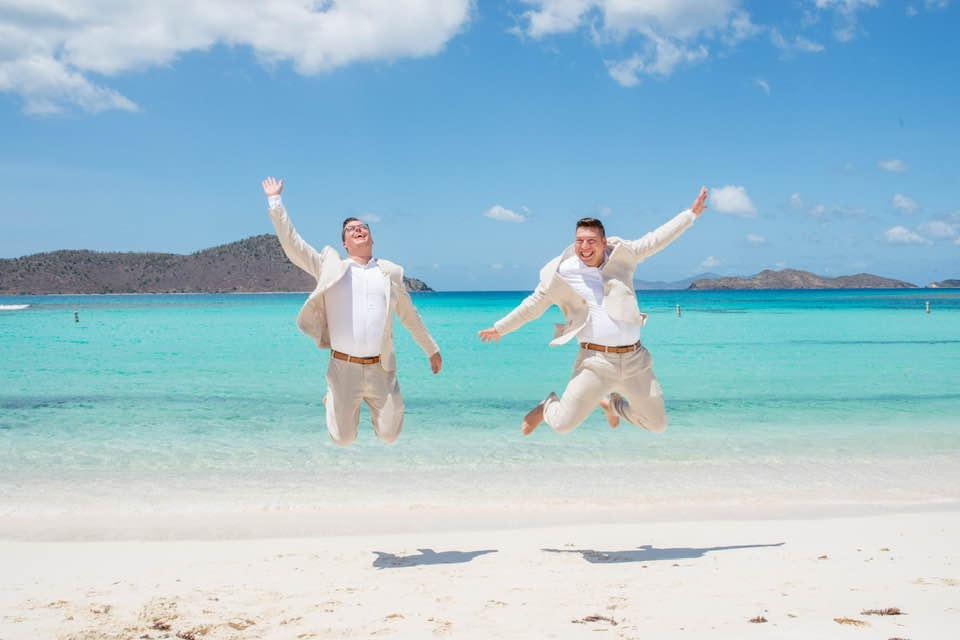
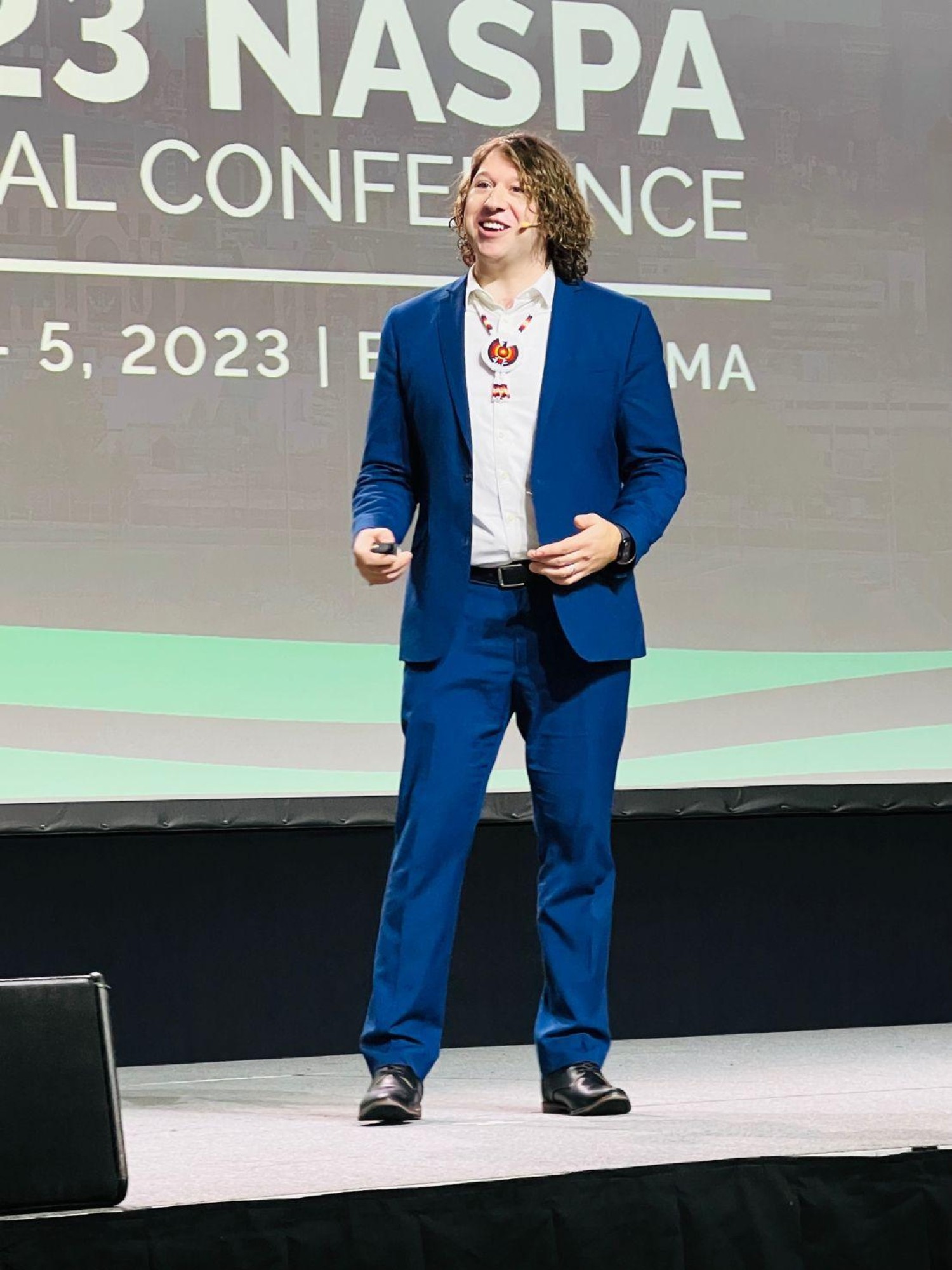
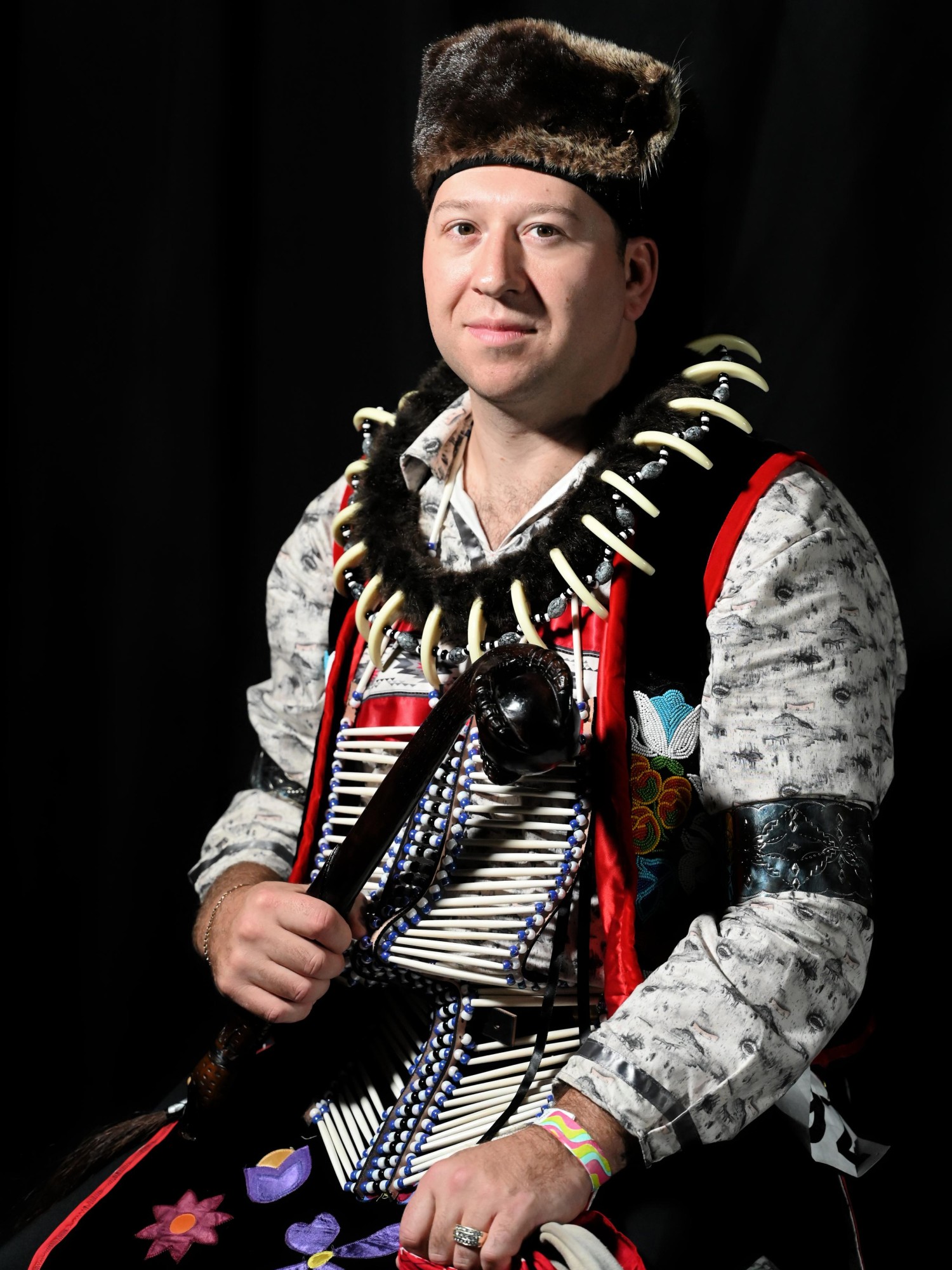
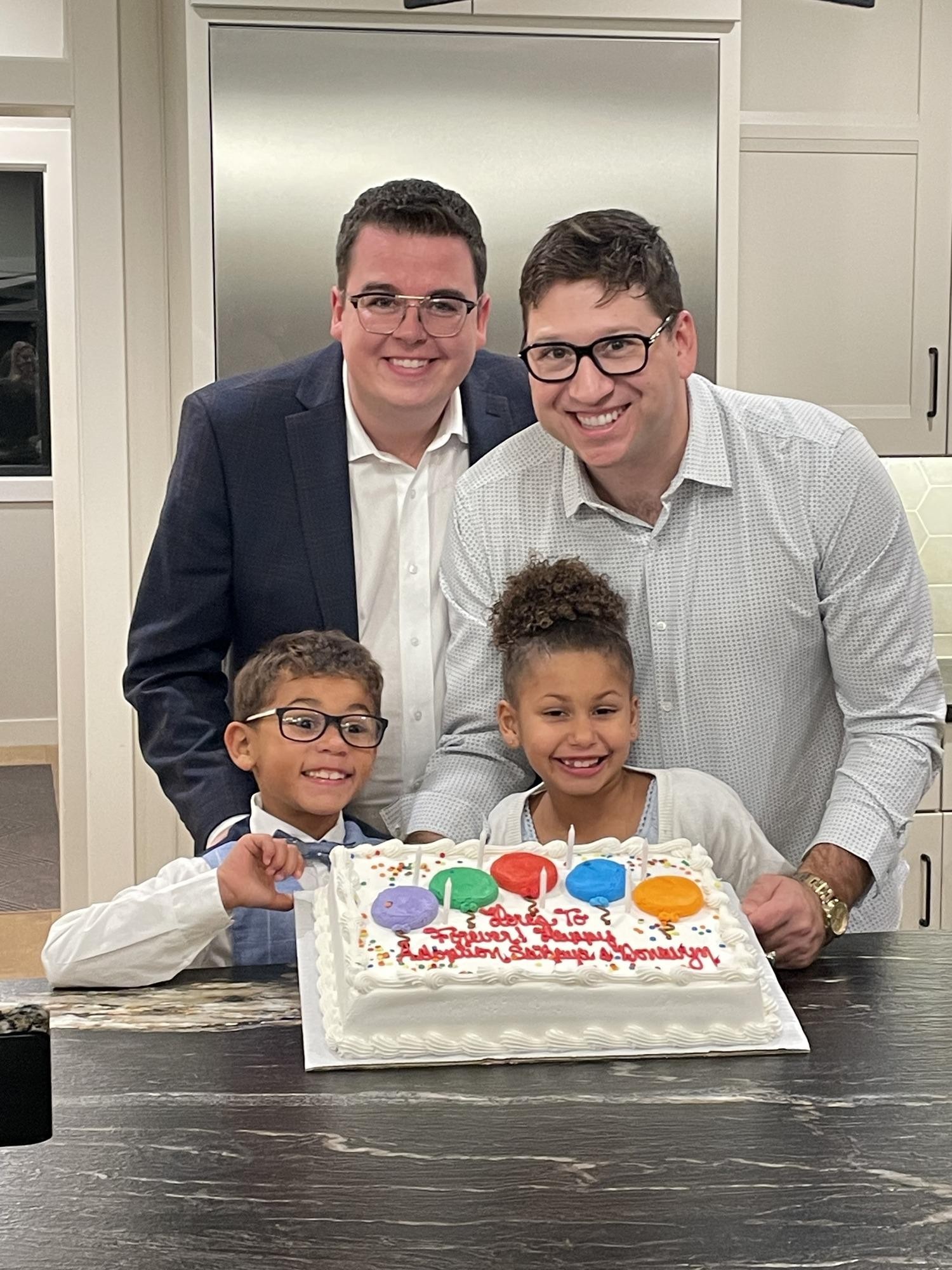
As an Indigenous, Two-Spirit, gay man, Dr. Benjamin “Benny” Rieth has dedicated both his personal and professional life to exploring how interconnectedness shapes human belonging. His work is purpose-driven, community-connective, and firmly grounded in his spiritual values.
Childhood, disconnected
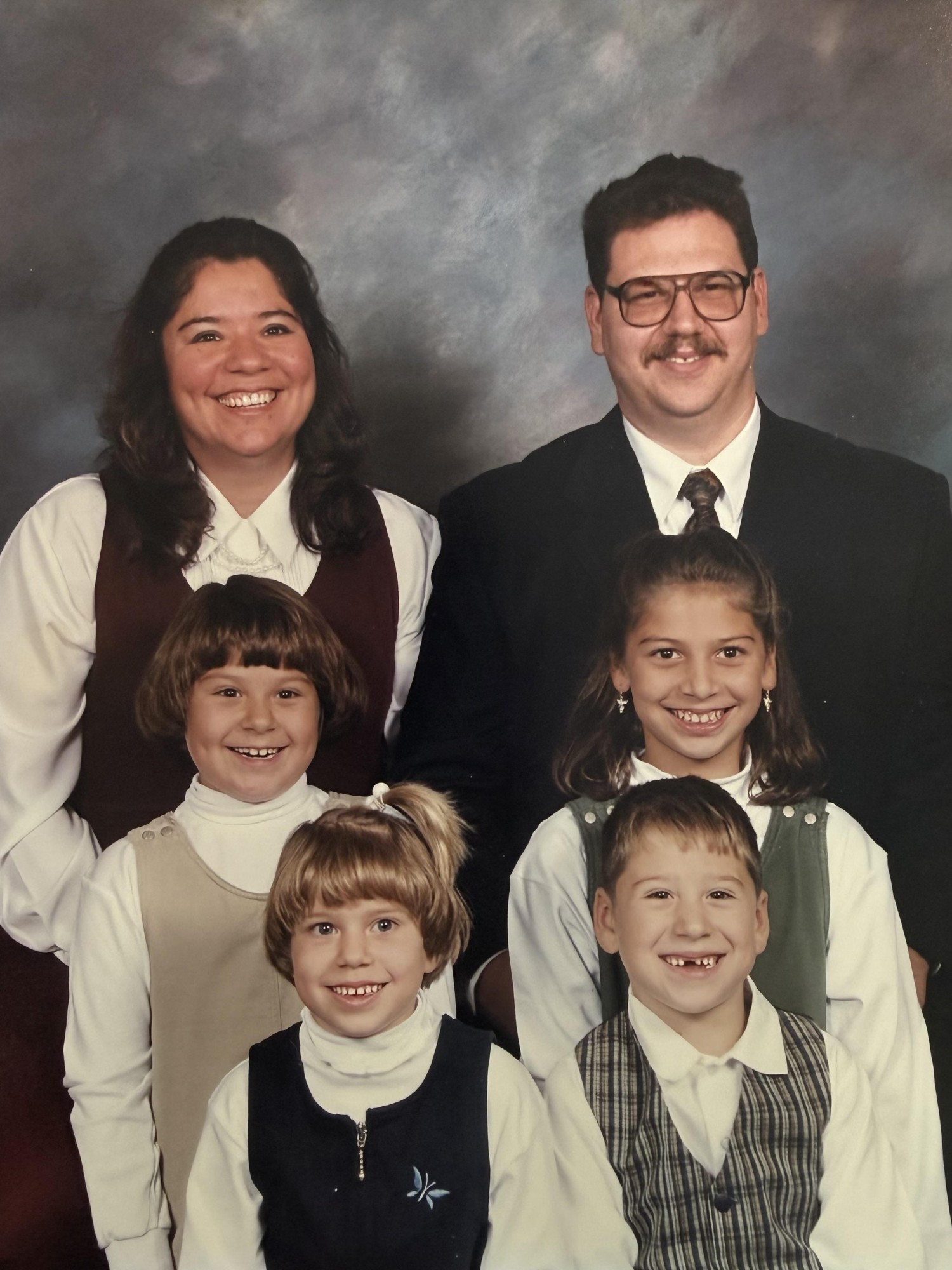
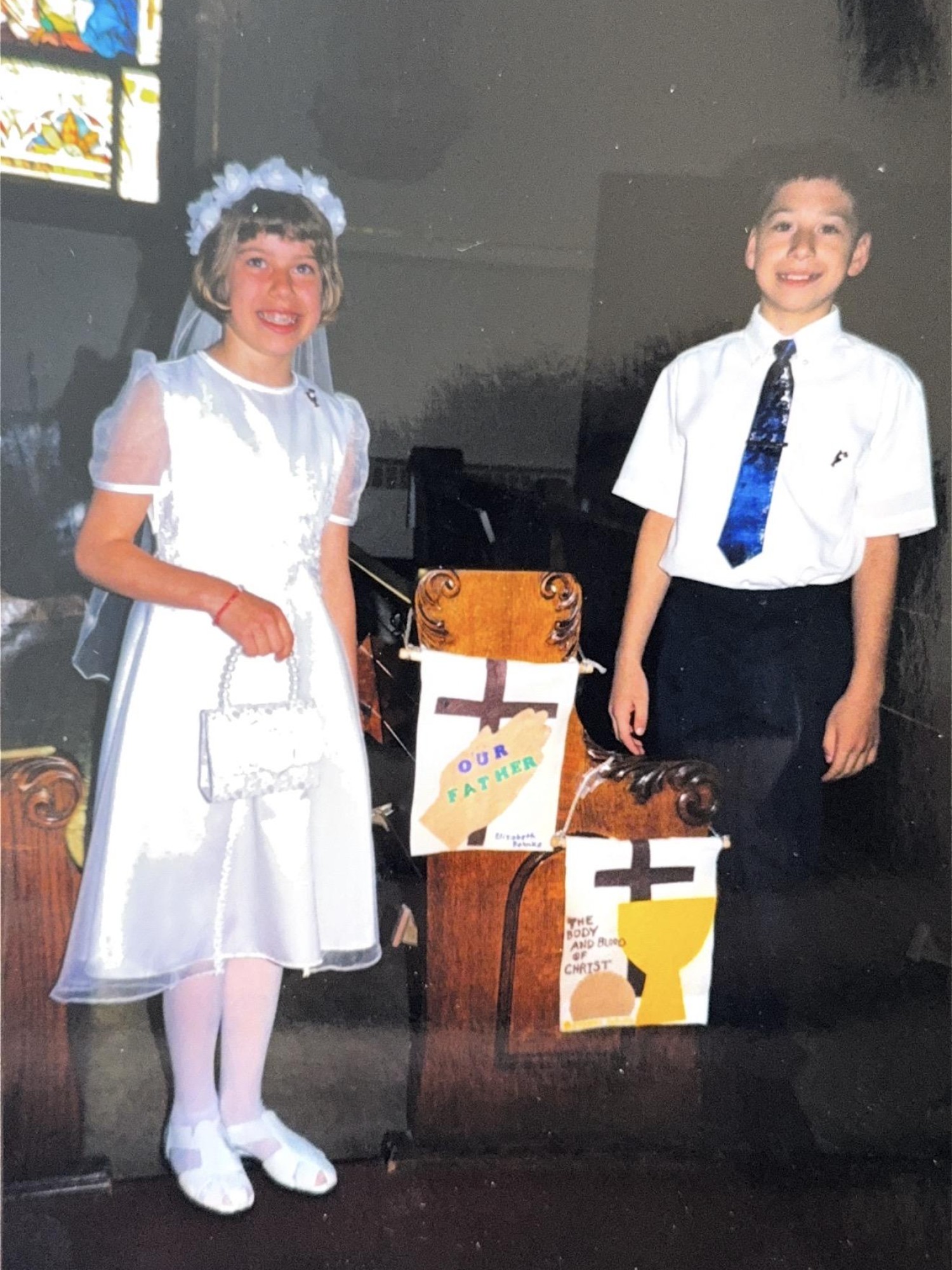
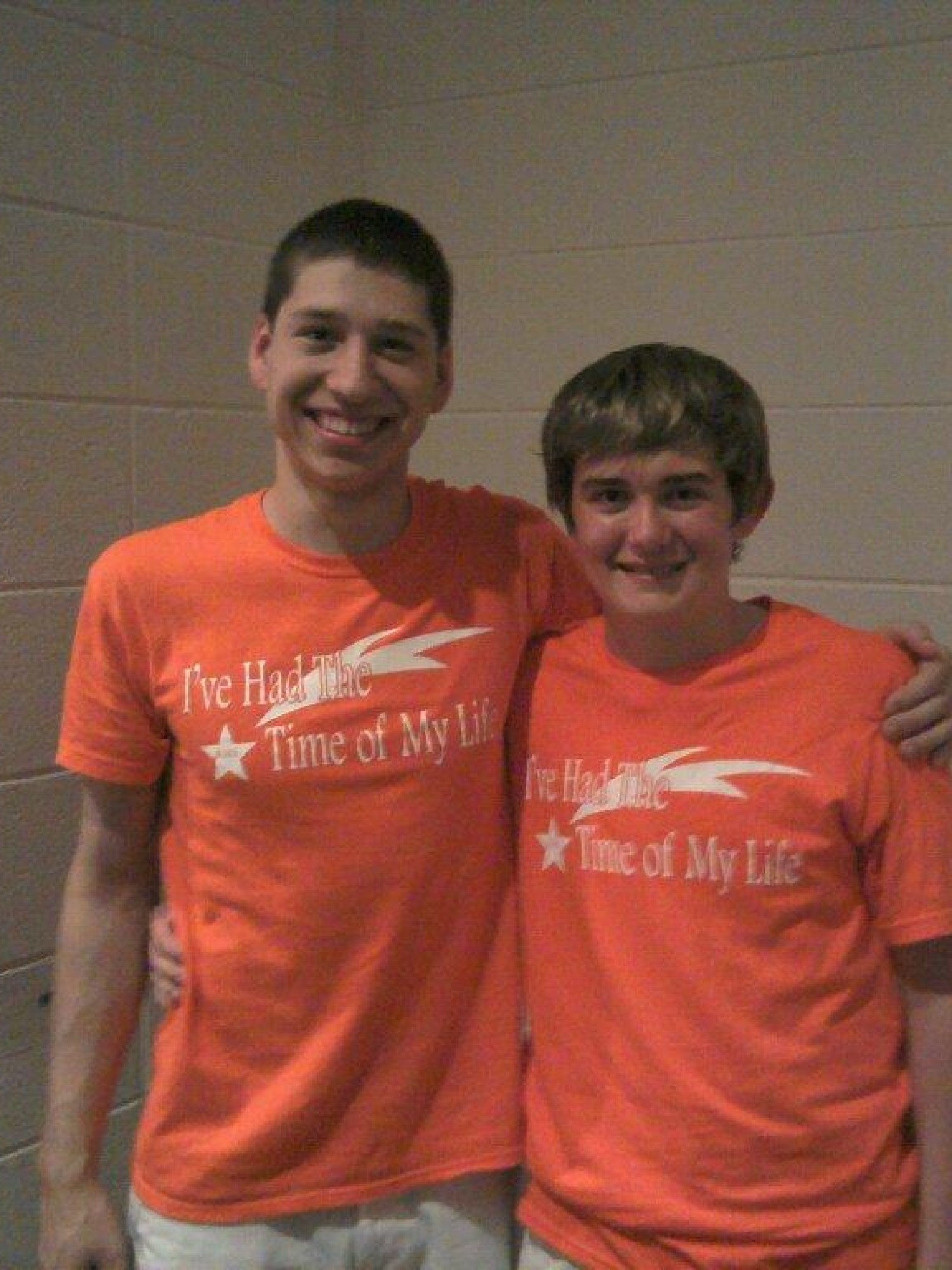
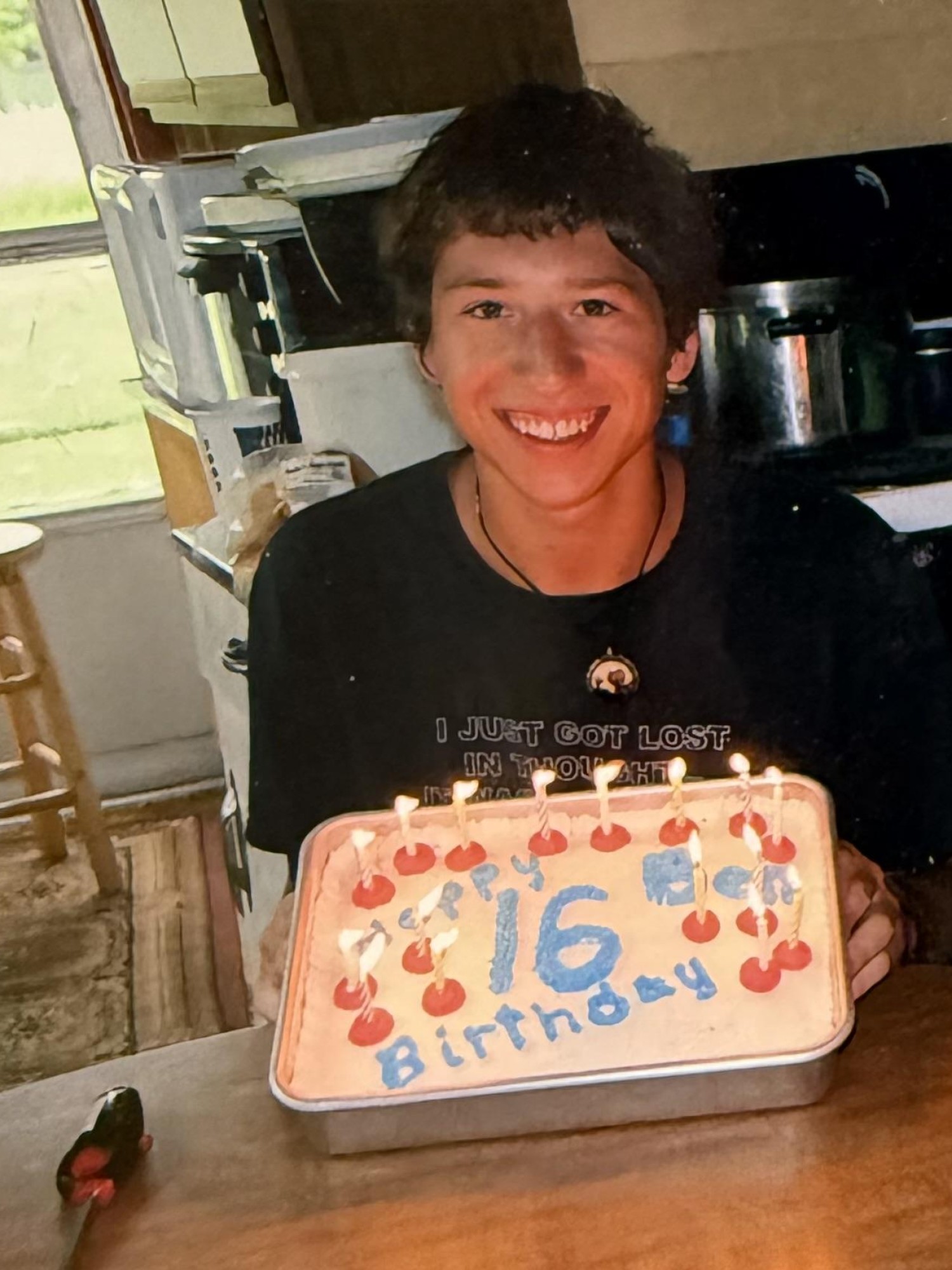
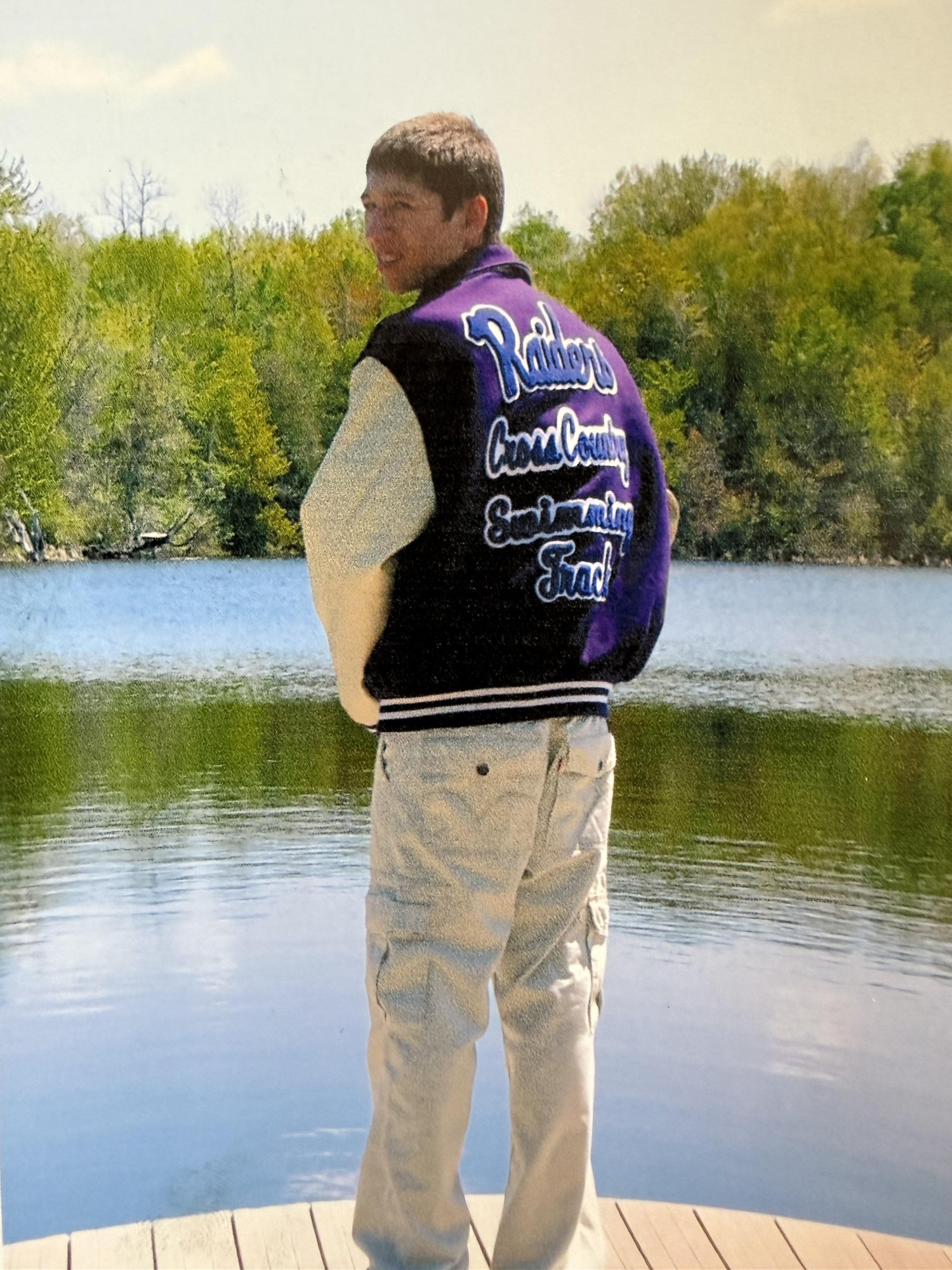
Benny was born Benjamin Behnke in Sheboygan in 1994 and moved to Kiel July 11th 1997. He grew up in a supportive family of four children, alongside his twin sister and two older sisters. The children were raised with the core belief that family was absolutely everything. They learned the value of supporting each other, showing up for each other, and staying connected.
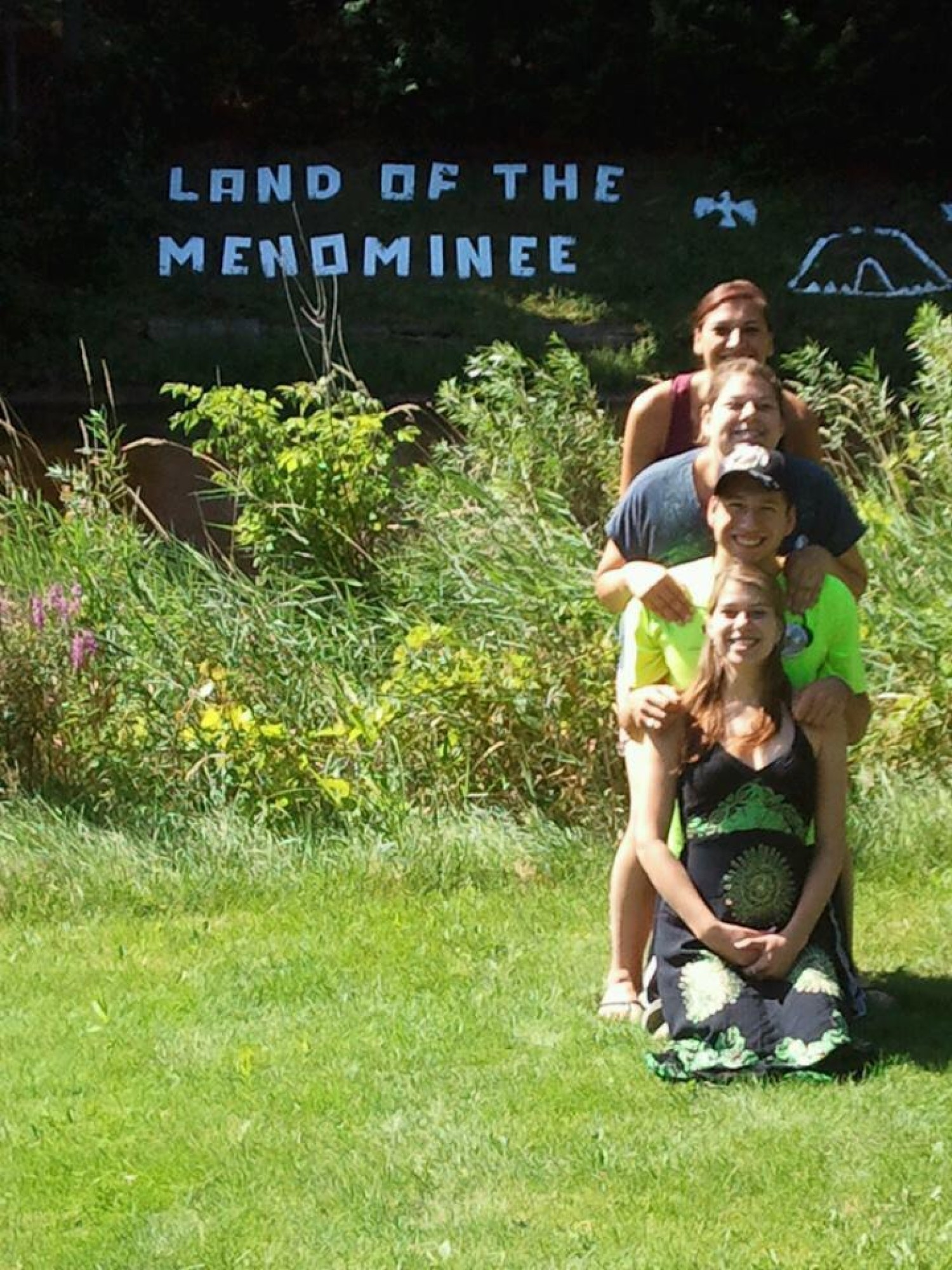
They were one of the first Indigenous families living in the area, which was very difficult for him. His mother’s family left the Menomonee Indian Reservation during the termination era (1954-1973,) when the federal government dissolved the tribal authority of the Menomonee Nation. His grandmother was part of the Bad River Reservation in northern Wisconsin, where him, his siblings, and their cousins were enrolled in the tribe at birth. His father came from a white, Wisconsin German background, which was dramatically different from his Indigenous heritage, but provided a source of beloved family traditions.
“I loved the history, the food, the holiday traditions,” said Benny. “I valued my German heritage tremendously.”
All these forces collided to leave Benny feeling like he didn’t truly belong anywhere. When he was on the reservation, he didn’t feel Indigenous enough. When he returned to Kiel, he didn’t feel white enough. And despite a loving foundation at home, he came to understand that he had feelings for other boys. These inner conflicts became more difficult over time.
“There was always this feeling of loss, confusion, and isolation,” said Benny. “I felt very alone and it really shaped my experiences in Kiel. I wanted to fit in with the social norms, without feeling different, but at the same time, I wanted to be different.”
“My family was always doing presentations on Native heritage in the school system, but it sometimes increased the divide, because it pointed out how different we were. I couldn’t find community and I couldn’t connect with people. Something was missing.”
The power of positive mentorship
Benny notes that losing grandparents on his moms side young often means losing the people who are supposed to teach cultural knowledge, requiring reliance on outside sources, distant relatives, and teachers to successfully keep the culture alive.
Driven by a lack of LGBTQ+ guidance in his own youth, Benny is deeply passionate about mentoring. He still wishes he had a queer mentor back then: a coach, guide, elder, or confidante who could help him feel less scared. To overcome these extensive barriers for today's youth, Benny advocates for several necessary structural changes:
- Creating formal mentorship programs: Community organizations, colleges, and schools must safely connect youth with trained, affirming adults by creating intentional, formal mentorship structures rather than relying on chance.
- Investing in visible role models: Implementing inclusive curriculum, storytelling projects, and speaker series helps youth see what is possible.
- Establishing virtual mentorship networks: These networks are crucial for actively reducing geographic barriers, especially in isolated rural regions.
- Fostering safe environments for adults: Supportive workplace climates, strong nondiscrimination policies, and leadership that openly values LGBTQ inclusion drastically increases the likelihood of mentors being visible and available in the first place.
- Ensuring mentorship stays relational: Mentorship is vastly more powerful when it is culturally responsive, rooted in community, and grounded in belonging.
“When young people fail to see adults thriving and living openly, it becomes incredibly difficult for them to know who to turn to for guidance or to imagine possible futures for themselves,” said Benny.
“LGBTQ youth are far more likely to see pathways to thrive when they are surrounded by adults who affirm their identities, accurately reflect their community, and share their cultural experiences.”
Unfortunately, queer adults have always been cautious about being visible due to workplace policies, cultural pressures, safety concerns, or fear of discrimination.
“It’s totally understandable,” said Benny. “LGBTQ adults who hold other marginalized identities are frequently overextended by the emotional labor required of them. Without recognition, compensation, or institutional support, mentorship can quickly become unsustainable, further limiting the number of youth who receive meaningful support.”
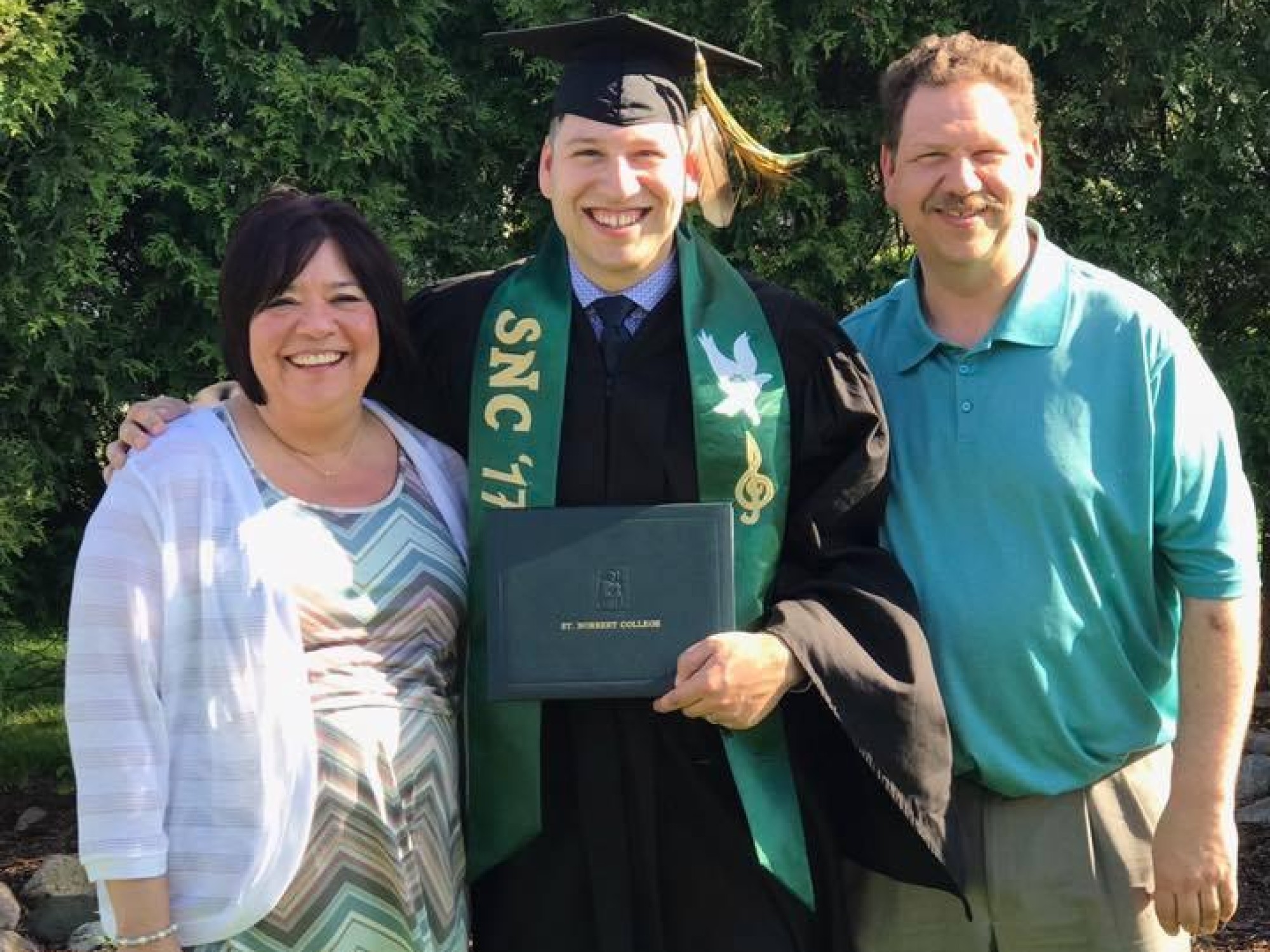
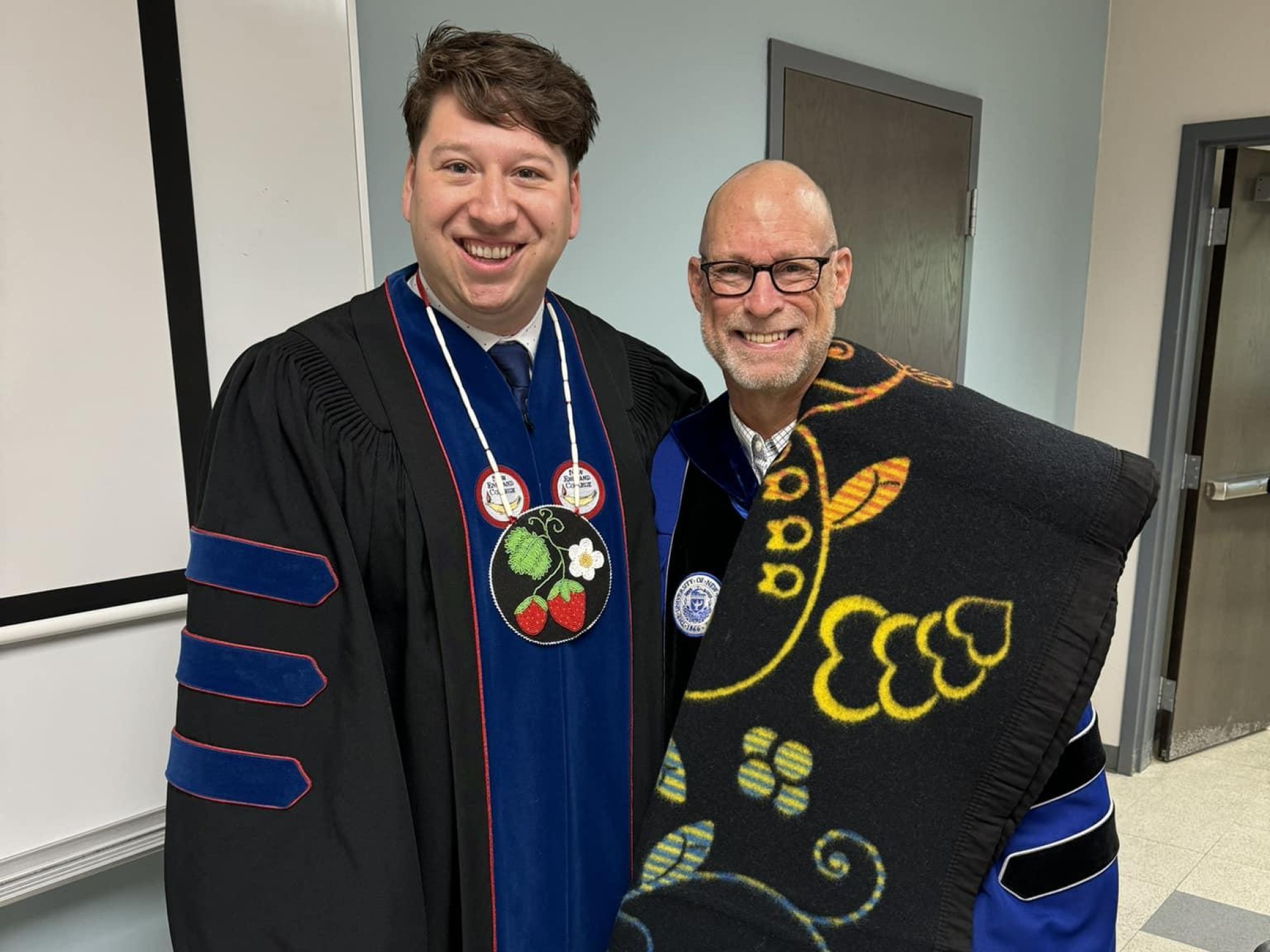
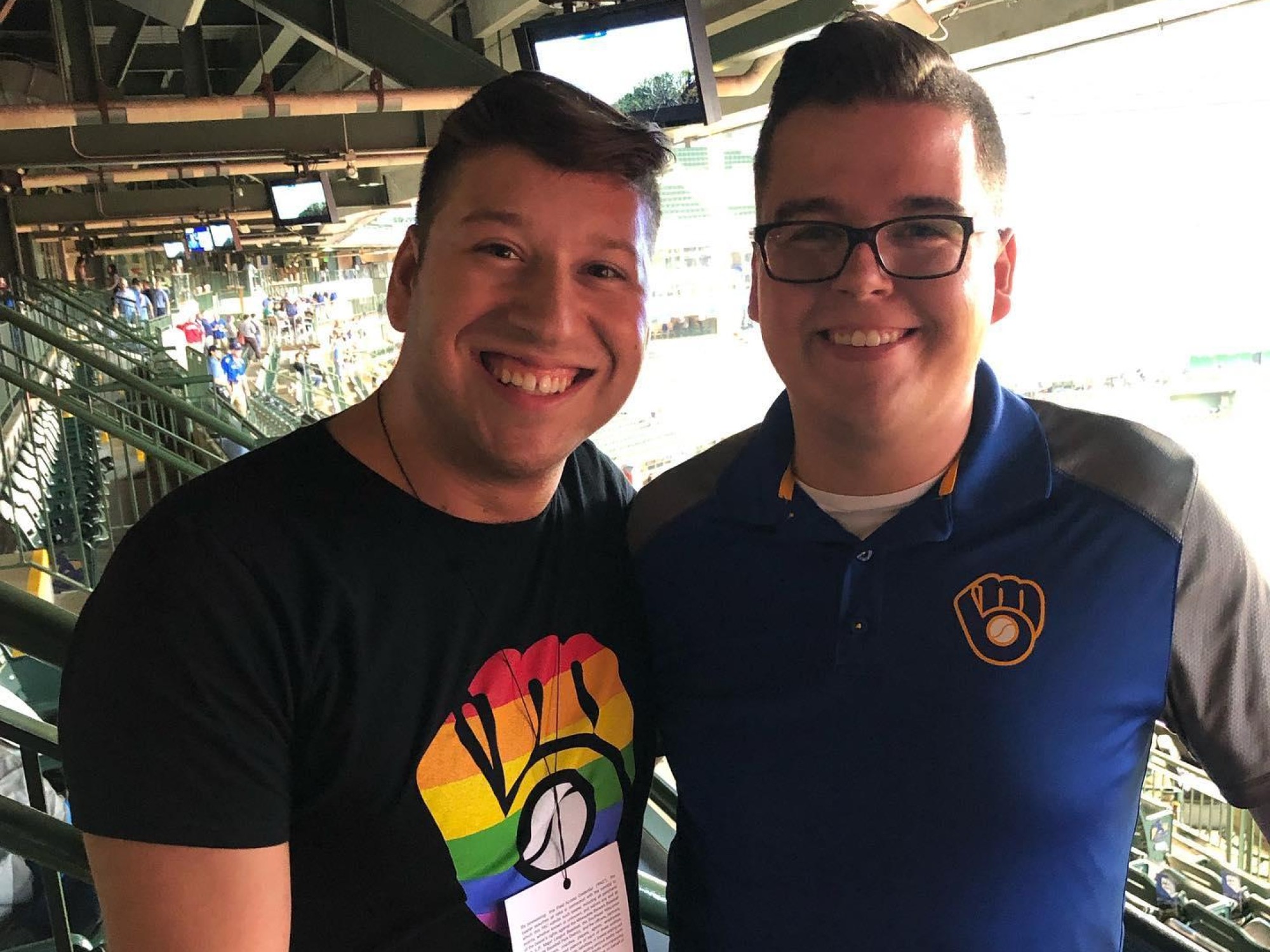
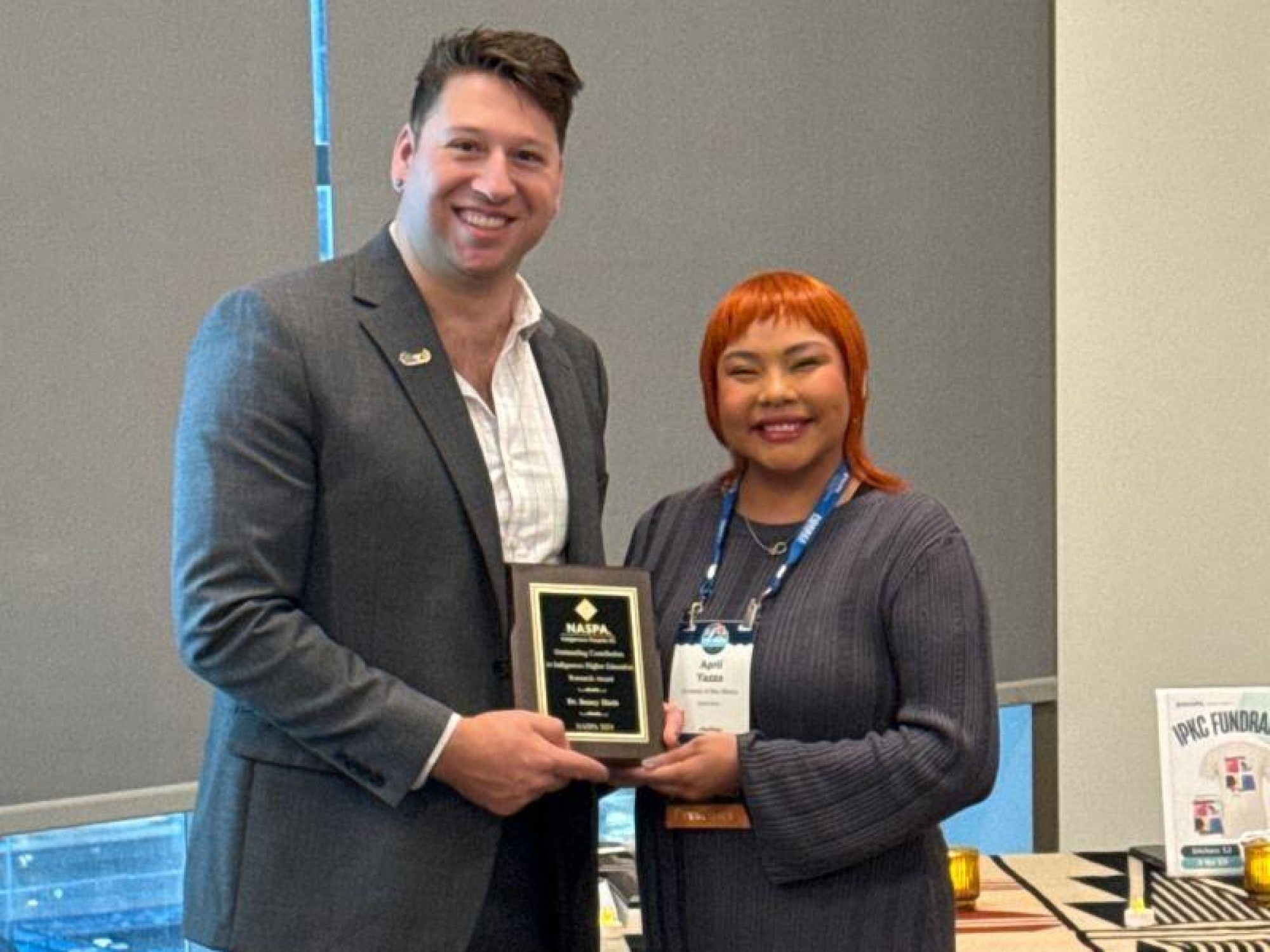
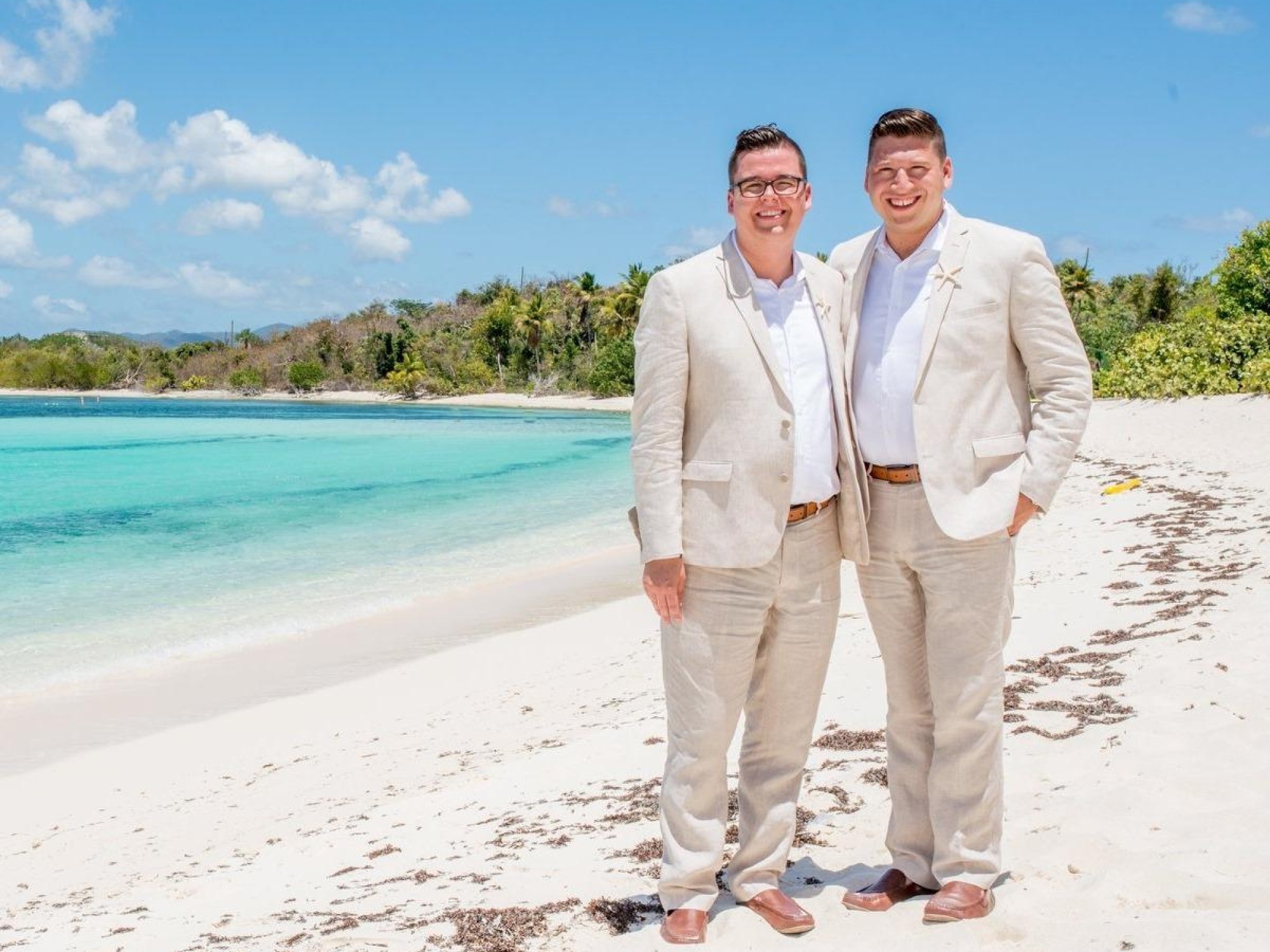
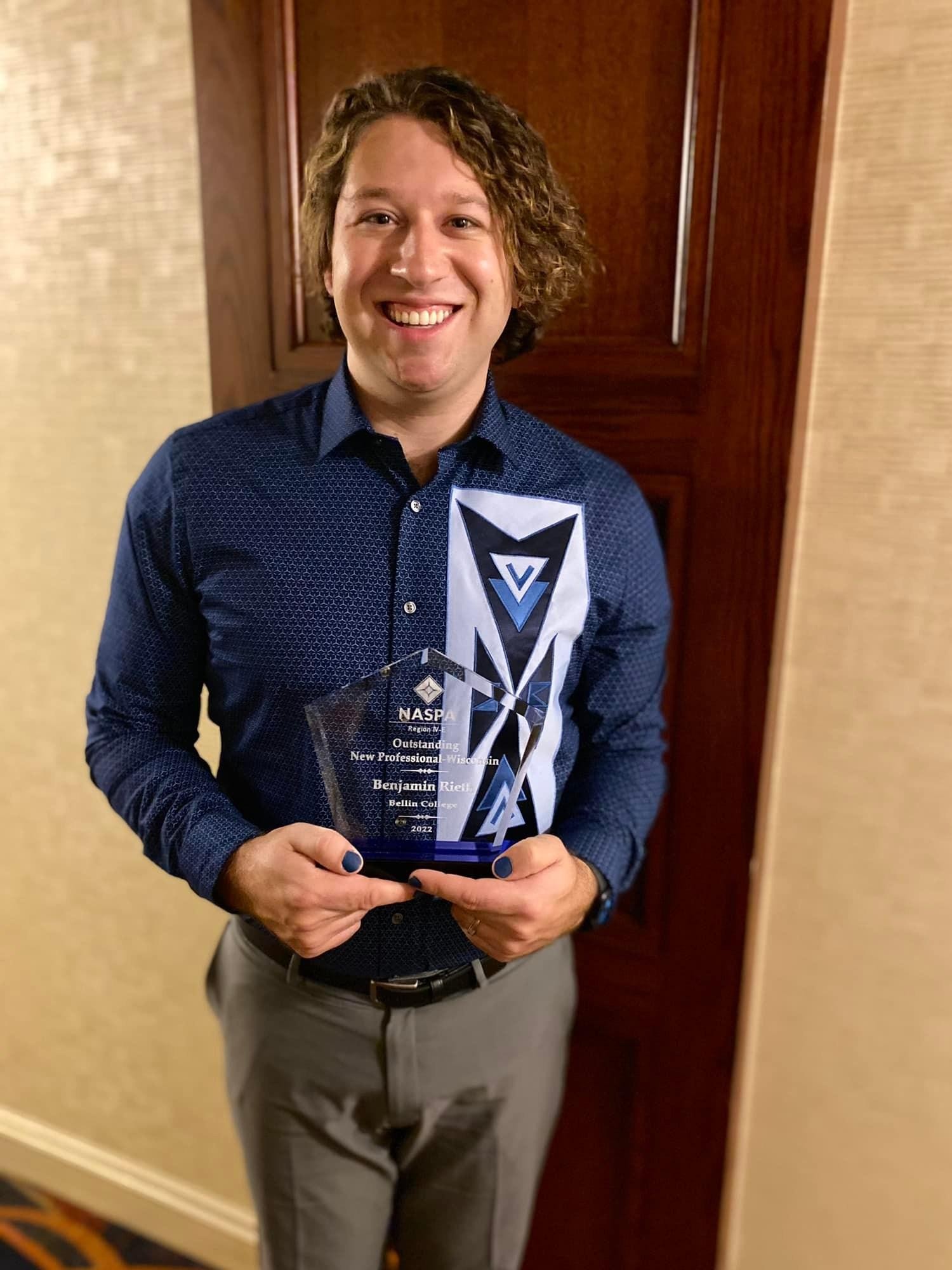
Benny’s research-informed approach is rooted in his theory the Five Rs of belonging—relationships, relevance, reciprocity, respect, and responsibility. Rather than focusing on what is broken, he helps institutions and organizations see what is already working, inviting them to build from strengths, lived experiences, and community wisdom. Through storytelling, reflection, and evidence-based practice, Benny creates space for people to reconnect with purpose, joy, and one another.
Benny emphasizes the concept of relationality, an Indigenous way of being that focuses intimately on how everything is connected, including people, space, water, land, nature, and the different relationships surrounding us. This organic interconnectedness is a core lesson he has actively been trying to teach his students.
Benny continues to maintain strong relationships with the reservations. He proudly dances Woodland style at the Pow Wows and still partners with College of Menominee Nation. This June, he plans to volunteer at Wisconsin’s first Two-Spirit Pow Wow, an event that his cousin Rain is planning.
Benny passionately believes people should attend the Two Spirit Pow Wow to expand their understanding, hear stories, and see exactly what the community is all about. He asserts that education is powerful, and exposure to different things will inevitably lead people to make a stand for matters outside themselves. Benny wants the next generation to have the vital exposure and understanding that he fundamentally lacked.
He wants youth to be exposed to different religions, cultures, and things, helping them recognize that while they all look different, they are all uniquely beautiful.
Benny recently launched the Queer Storybook Project, which aims to collect unique stories from each of the 72 counties in Wisconsin. He believes the initiative (like the Wisconsin LGBTQ History Project) creates the most meaningful positive change in Wisconsin by centering community ownership, relational storytelling, and visibility.
Because many Indigenous and LGBTQ+ stories have historically been overlooked or explicitly erased in Wisconsin, especially in rural areas, Benny notes that simply documenting and sharing authentic lived experiences acts as a highly powerful intervention. Seeing oneself reflected in history directly affirms belonging.
“Encountering stories that are vastly different from your own actively disrupts stereotypes and builds radical empathy,” said Benny. “This work showcases the true beauty of Wisconsin, its resilient people and their layered identities.”
What does he hope the Storybook Project will achieve?
“I want the book to be vibrantly celebrated,” said Benny. “I want elderly people and high school students alike to see it. I want queer folks to see themselves in these pages. I want everyone to understand that Wisconsin is a place where they can thrive, live and be fully themselves.”
“You can absolutely find yourself anywhere – and there is room for all people to find themselves in Wisconsin.”

recent blog posts

September 11, 2026 | Amy Luettgen
September 04, 2026 | Amy Luettgen
August 31, 2026 | Noah Johnson
The concept for this web site was envisioned by Don Schwamb in 2003, and over the next 15 years, he was the sole researcher, programmer and primary contributor, bearing all costs for hosting the web site personally.
join our email list
Get WI LGBTQ History Project updates in your inbox.


