
- Places
 May 01, 2026 | Michail Takach
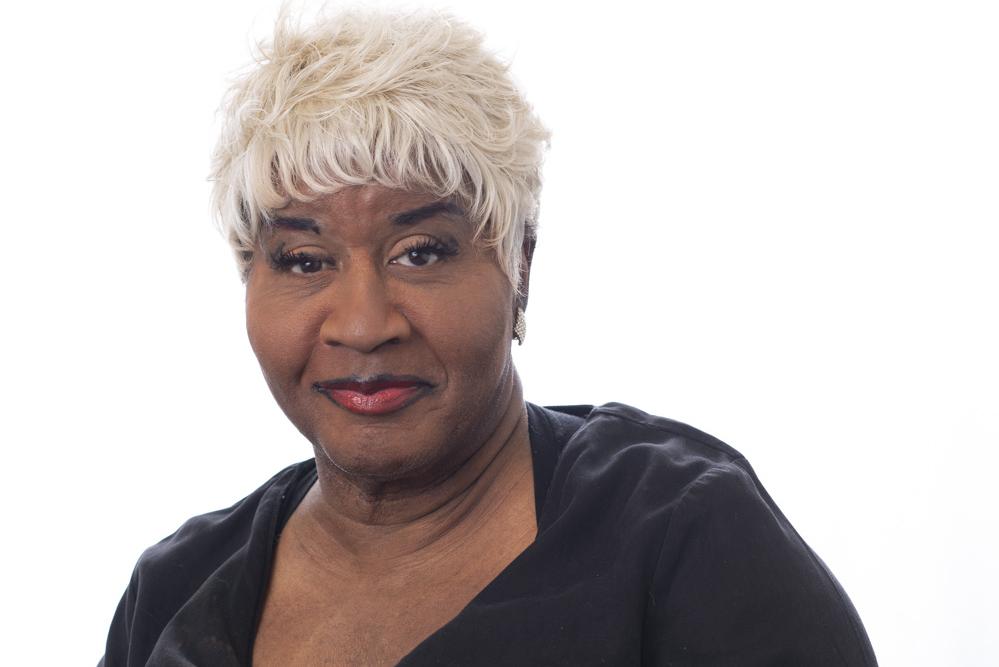
Dynasty Scott: it takes courage to earn a crown
As a celebrated performer, titleholder, and showrunner, she created a lasting legacy of Milwaukee drag sisterhood.
Dynasty Scott“None of us are strong enough to stand out here alone. Not now, not then, not ever.”
As a transgender pioneer, celebrated drag entertainer, and visionary community leader, Dynasty did not simply witness the evolution of Milwaukee’s LGBTQ nightlife: she built the stages so that her younger Black sisters could thrive.
Her journey to becoming an icon was a fierce battle against discrimination, segregation, and a world that was not always ready for her brilliance.
When she returned to Milwaukee, Dynasty was ready to carve out her space on the stage. She knew where to go. She knew what she wanted to do. And she knew how to deliver an unforgettable number.
But then, she discovered a harsh truth: it was going to be an uphill battle to break into the shows. Gay nightlife was very, very different in the North. In almost every white-owned gay bar in Milwaukee, she witnessed widespread discrimination against Black customers.
“Black people were almost entirely absent,” she said. “It didn’t take me too long to figure out why. Customers were pressured to buy multiple drinks just to have a seat at the bar. Bartenders would ask them how much money they had, or if they had a job, or where they lived. It was aggressive and it was intentional. They didn’t want us in their bars. We were tolerated; we weren’t welcome.”
That bias extended to the stages. Local drag line-ups were entirely white for a very long time. Black entertainers were tokenized under a not-so-secret quota system. Nobody, but nobody, was hiring Black queens.
“The managers would say, thanks but no thanks, we don’t need anyone, we’ve already got our Black girl,” said Dynasty. “It was not about talent at all. They hadn't even seen your number and they were already saying no. It was very much about color, even if no one would admit it. There’s a reason you don’t see too many Black queens in the bar ads from those days. They weren’t always allowed to be in the cast photos. If the club became known as a ‘Black bar,’ that might attract more Black customers, and the owners definitely did not want that.”
“Let’s just say what nobody would say back then: this was racism.”
Dynasty also experienced discrimination in the professional workplace. As a gay Black employee, she always felt like she was on watch. Colleagues whispered behind her back, supervisors were unkind and overbearing, and her work was never good enough. Once, a manager told her that her yellow pants were “too gay” and asked her not to wear them again.
“I felt so ashamed of myself,” said Dynasty. “I didn’t have a voice. I didn’t have the tools to fight back. I didn’t know how to speak up. So, I just went along with it.”
While the corporate world tried to silence her, Milwaukee’s Black queer spaces gave her a megaphone. She discovered Artony’s, a neighborhood bar on Keefe Street, where she finally felt safe, seen, and comfortable. Soon after, 27th Street Danceteria opened its doors, giving Milwaukee’s Black LGBTQ community a new and empowering home.
Danceteria, a grand, three-lounge establishment, came with a massive dance floor that had once been Milwaukee’s famous Lost & Found women’s disco. On Sunday nights, the Danceteria backroom came alive with drag shows, and Dynasty became the club’s show director. Managing a modest cast of three performers, she created a space where people could slowly and safely step out of their closets and discover their artistic power.
“Some of the best performers in the city took their baby steps with us,” said Dynasty.
Unfortunately, Danceteria’s short life was riddled with licensing issues. The club originally opened as a “juice bar” to avoid liquor licensing regulations (and limits on operating hours,) but the City of Milwaukee shut it down for allowing dancing without a cabaret license. When owner Chuck Cicirello appealed, he was ordered to get a liquor license before reopening – and then denied the license repeatedly. As a result, it often seemed like Danceteria was closed more than it was open, which hurt its chances of finding its audience.
Dynasty sometimes worries that the community lost some of its collective soul over the years. She’s seen a real decline in the fierce, unyielding loyalty that defined her generation. In her youth, if the queens recognized a spark of talent in a sister, the entire community would unite behind her to promote and uplift her. Today, she observed a culture that can sometimes feel hyper-competitive to the point of selfish, destructive, and toxic.
“We are all in this together, believe it or not,” she said. “Without sisterhood, we are nothing.”
Her final message to the generations inheriting the world she helped build is simple, timeless, and heartfelt.
"We have to start taking care of the we, not just the me. We've got to be good to each other. None of us are strong enough to stand out here in this world alone."

recent blog posts

September 11, 2026 | Amy Luettgen
September 04, 2026 | Amy Luettgen
August 31, 2026 | Noah Johnson
The concept for this web site was envisioned by Don Schwamb in 2003, and over the next 15 years, he was the sole researcher, programmer and primary contributor, bearing all costs for hosting the web site personally.
join our email list
Get WI LGBTQ History Project updates in your inbox.


