
- Places
 May 01, 2026 | Michail Takach
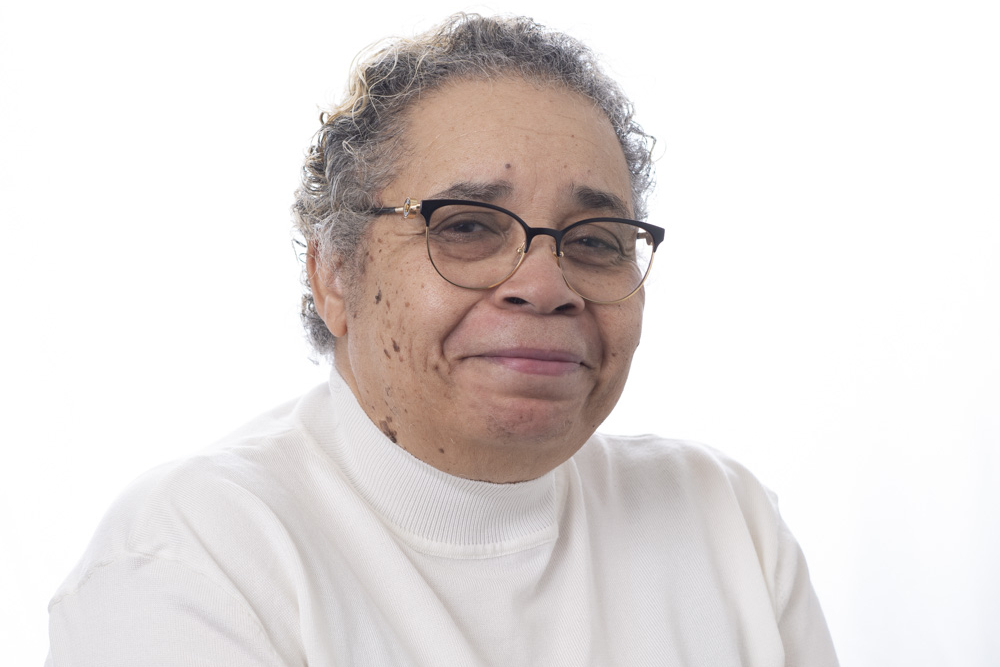
Eloise McPike: the mother of Black Milwaukee Pride
While carving a path where there was none, she became a mother to everyone who followed.
Eloise McPike"Everybody is here for a purpose, and I now know this was my purpose."
Born in Hannibal, Missouri in 1953, Eloise was just six months old when her parents migrated north to Milwaukee in search of a better life. They settled into a cozy back house on 2nd Street, and young Eloise was enrolled at Center Street School.
It was a vibrant childhood filled with friends, family, neighbors, and all-day play. Eloise remembers staying out until the streetlights came on and never once feeling unsafe. Home life was strictly structured. Eloise grew up with seven brothers: three older and four younger. Being the only girl meant she was under the surveillance of not only her parents, but a seven-man security detail.
"My father kept a real tight rule over us," Eloise recalls with a chuckle. "Wherever I went, I had to have one of my brothers go with me. There was no venturing out alone for me.”
One afternoon, a neighborhood bully tried to steal Eloise’s trombone on her way to lessons at the Wells Street School. When her father heard about the incident, he declared that one of her brothers would now escort her to every lesson.
"He would get them up early in the morning because my practice was at nine," Eloise laughed. "They complained the whole way there! ‘We got out of bed for this?’”
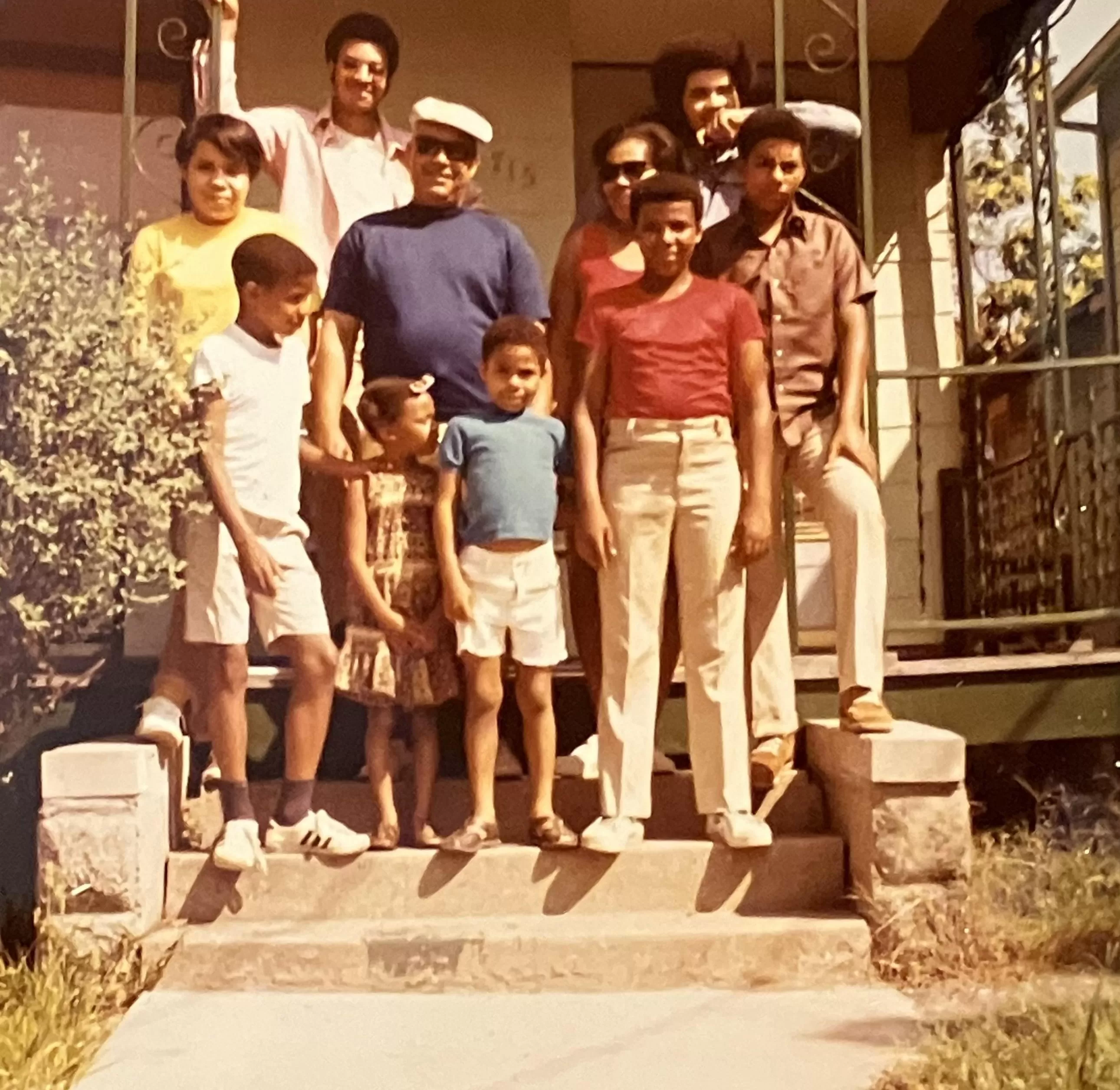 Eloise and family, 1965
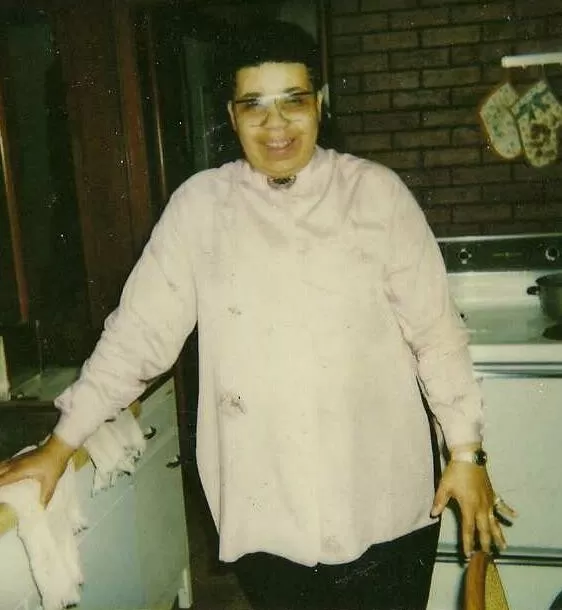
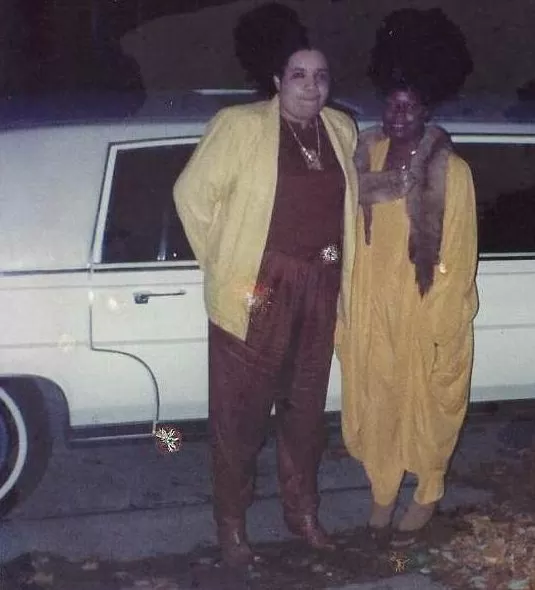
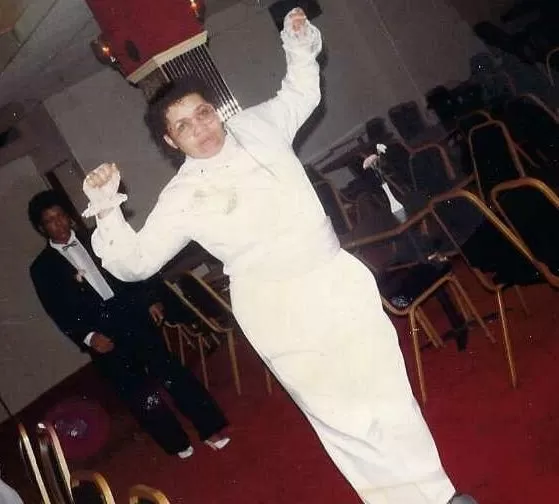 Eloise 1987
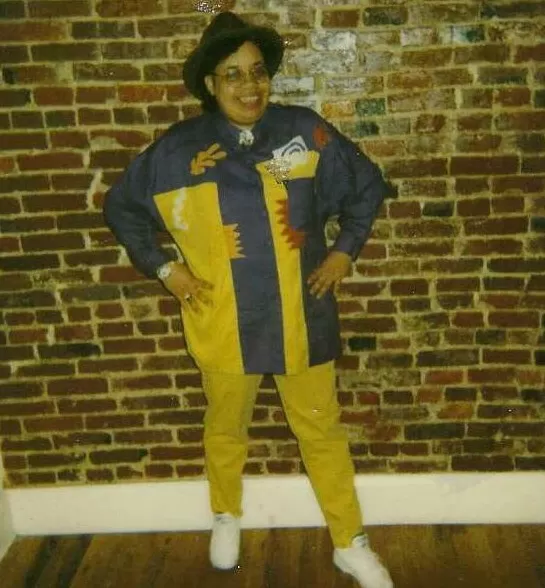 Eloise 1992
"They felt threatened," Eloise said. All the bureaucracy suddenly melted away, the leave was approved, and Eloise was able to bring her partner back home to Milwaukee to recover.
In 1987, the couple held a beautiful, heartfelt ceremony at an affirming local church. While that ceremony gave them a sense of spiritual meaning, the legal system took a few decades to catch up.
In 2015, marriage equality was legalized nationwide. Eloise and Jan hopped on a plane to Las Vegas to make it official. For Eloise, it wasn’t just about a piece of paper. Their earlier experience taught them that marriage equality came with guaranteed protections that civil unions would not.
"I've seen it happen too many times when a same-sex partner passes away,” said Eloise, “the family just comes in and cleans everything out. The survivor is left with nothing.”
“Jan is protected. She’s got my life insurance and my pension. That gives me some peace."
Building her own sanctuary
Eloise’s activism was borne in the separatism of the late 20th century, when Black LGBTQ folks often had limited safe spaces to be themselves.
Black-owned gay bars struggled to stay financially stable. White-owned gay bars were often unwelcome or outright hostile to Black customers. If you weren’t on your absolute best behavior, you’d be removed from the bar.
“There was no relaxing, no cutting loose, no getting wild,” said Eloise. “You knew they were watching you, just waiting for a reason to kick you out.”
One night at La Cage, a bartender cleared their empty glasses by dramatically sweeping them off the bar and directly into a trash can.
“The message was clear,” she said. “My Black friends and I just drank out of those glasses, so they were trash now. They didn’t want those glasses in the bar anymore. That’s what they thought of us!”
“And I remember thinking, we have all this prejudice against the gay community out there, and he’s got the audacity to discriminate against us in here?”
Fortunately, Eloise discovered a new Black-owned club on the North Side. Artony’s was the sanctuary she – and her entire circle of friends – desperately needed at that moment.
"My people were in there," she said. "It was all Black people. It felt so good to just BE. There was absolutely none of that petty racism. I love music, and when I first heard house music there, I just started hanging at Artony’s all the time.”
These bars weren't just businesses; they were living rooms, community centers, and shelters from a cruel world. But that sanctuary was fragile. Artony’s eventually closed, but Tina Terry took over the bar as her first of four locations for Tina’s RTI. Tina became a good friend, as well as a beloved community champion, and Eloise thought the world of her.
On July 10, 1993, Eloise was chatting with Tina about opening a jazz lounge upstairs at her final location. It was close to closing time, and Eloise stepped out to her car. Seconds later, gunfire shattered the night. Two armed robbers had stormed the building. While making their getaway, the gunmen opened fire into the parking lot. A gunman shoved Eloise to safety. If he hadn't, she would definitely have been shot.
Bringing the village back
Today, Eloise looks out at Milwaukee with a mixture of pride, concern, and fierce hope. While she is thrilled to learn that the city now hosts multiple Black Pride organizations, she worries about the next generation navigating economic anxiety, a shortage of Black community clubs, and an absence of civic engagement.
She calls for a return to the “chosen family” structures that strengthened her generation. In her younger years, Eloise was a “house mother” to over a dozen young people: teaching them life skills, helping them navigate challenges, finding them essential support services, and teaching them what mutual aid could and should be.
"A lot of us older ones being mentors could fix it," Eloise said. "A lot of these kids are victims of their environment, looking for love in the wrong places. If they find somebody who truly cares about their future, they’ll come around. We’ve got to bring them back in. We’ve got to find what inspires them and light that fire.”
After a lifetime of breaking barriers, Eloise looks back with simple gratitude. It’s not being a community organizer, festival creator, or mentor that she sees as her greatest achievement.
"Seriously, I’m just thankful I had the opportunity to do it all," Eloise says softly. "All these things gave me a tremendous feeling of self-worth. Everybody is here for a purpose, and I now know this was my purpose."


recent blog posts

September 11, 2026 | Amy Luettgen
September 04, 2026 | Amy Luettgen
August 31, 2026 | Noah Johnson
The concept for this web site was envisioned by Don Schwamb in 2003, and over the next 15 years, he was the sole researcher, programmer and primary contributor, bearing all costs for hosting the web site personally.
join our email list
Get WI LGBTQ History Project updates in your inbox.


