
- Places
 May 01, 2026 | Michail Takach
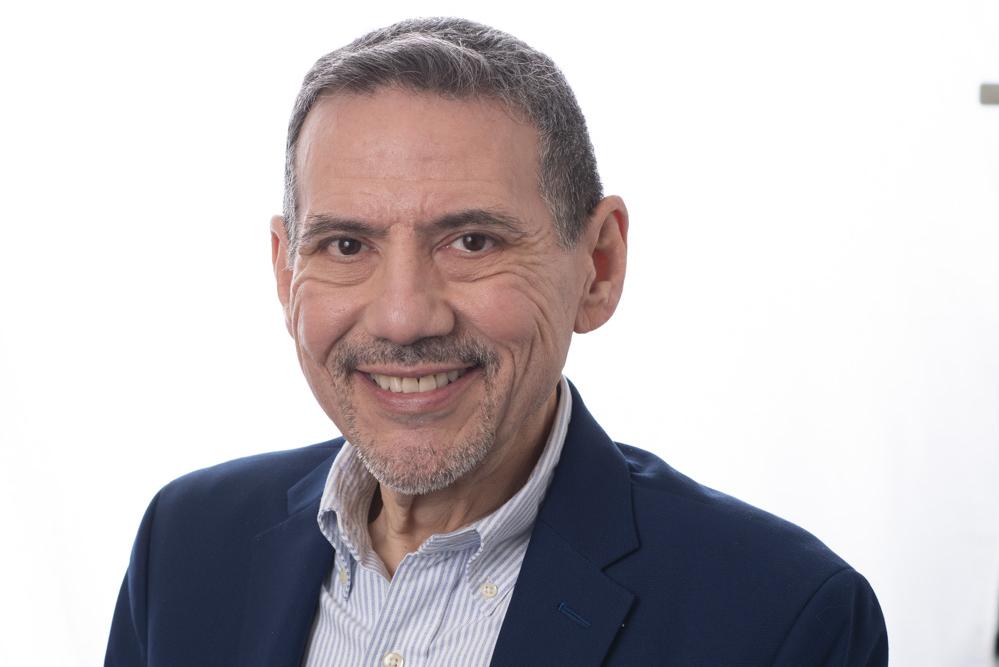
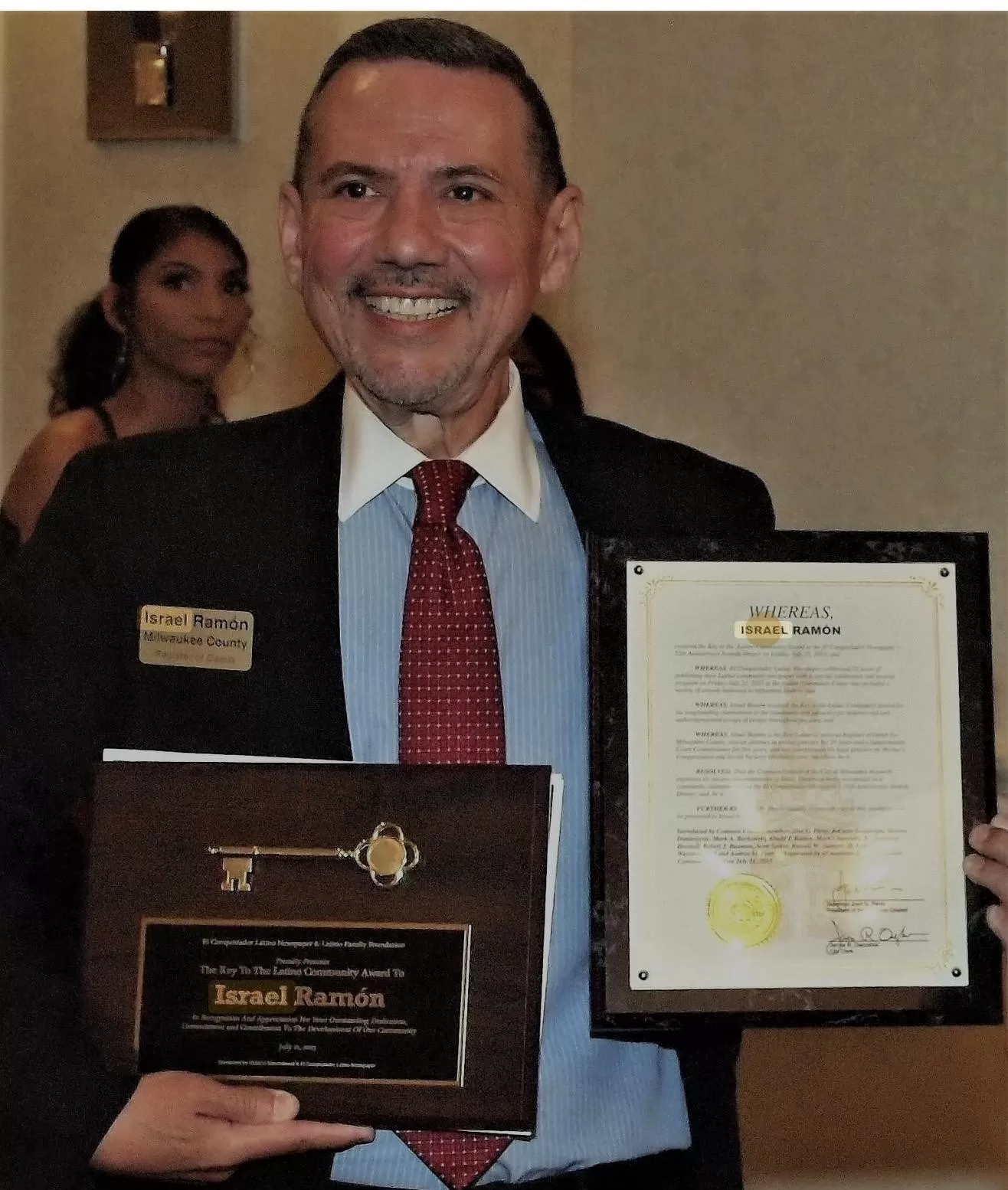
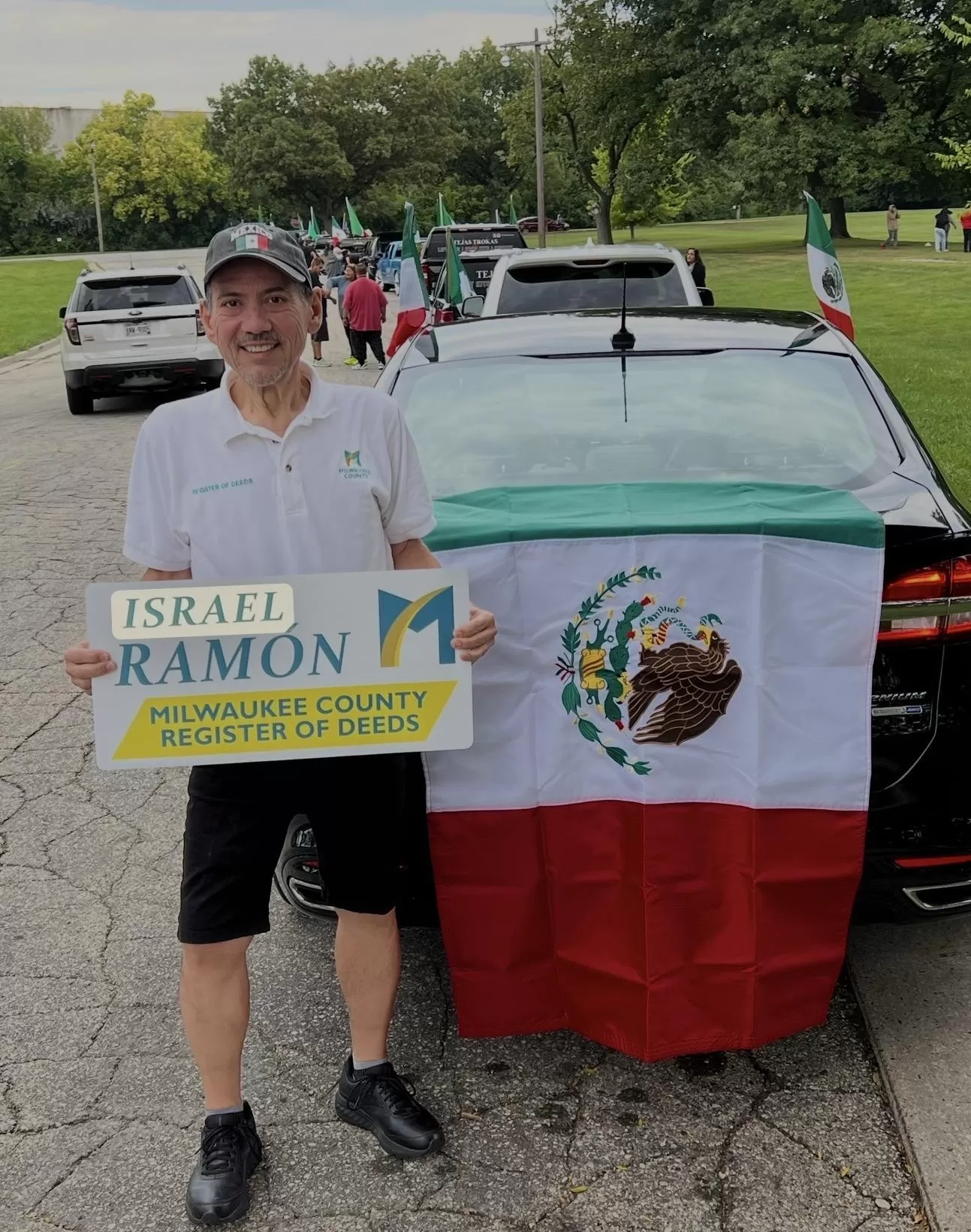
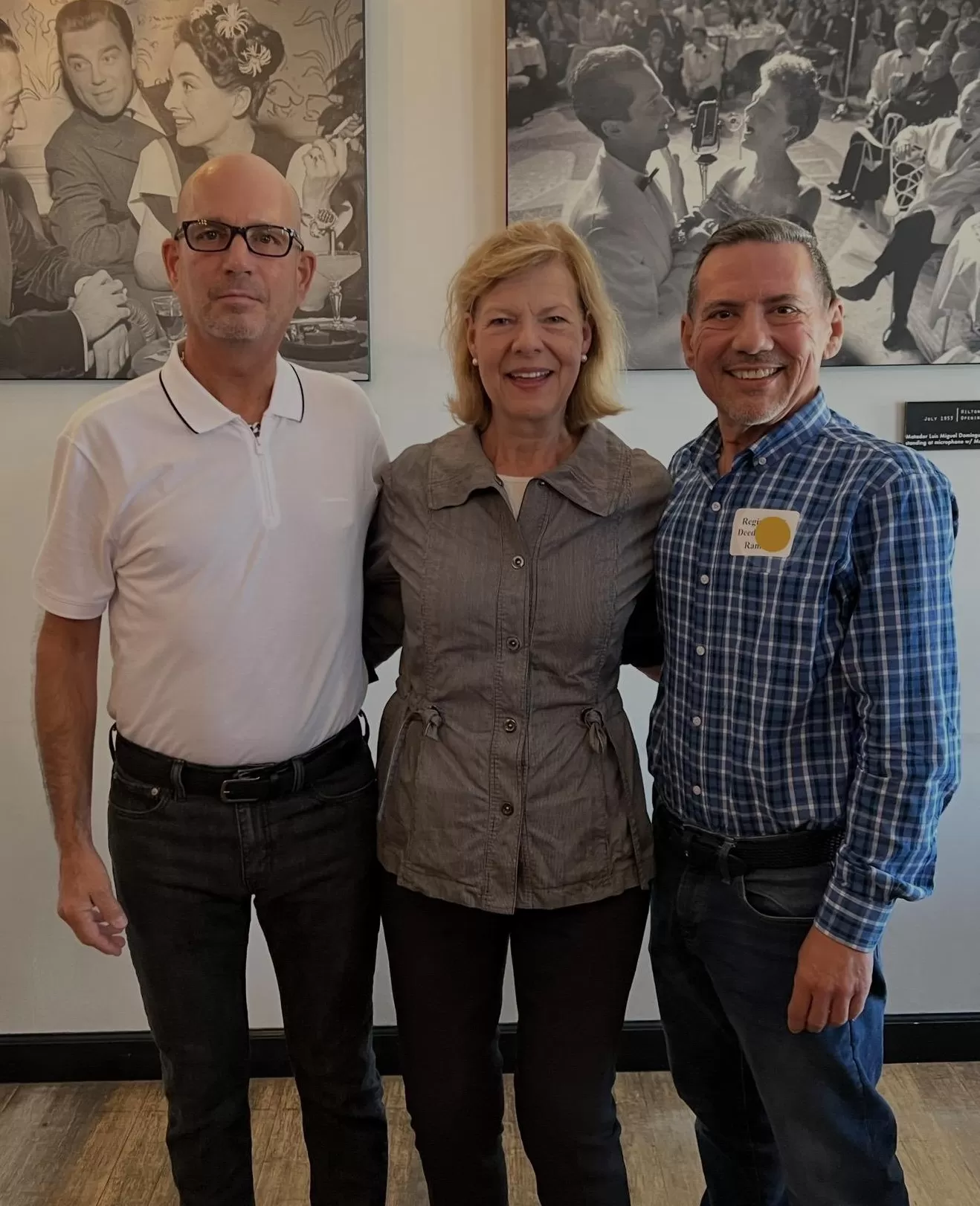
Israel Ramon: refusing to settle for silence
After a lifetime of achieving hard-won historic firsts, his proudest victory was embracing his true self.
Israel Ramon“Once a person accepts the unchangeable truth of who they are, empowerment follows."
For Israel Ramon, being thrust into the spotlight is a slightly uncomfortable, honor.
He is not – and has never been -- someone who seeks out applause or leads with his lifetime achievements. His story is a masterclass in self-acceptance. By breaking barriers, navigating cultural intersections, and accomplishing meaningful "firsts,” Israel has demonstrated that anything is possible if you believe in yourself.
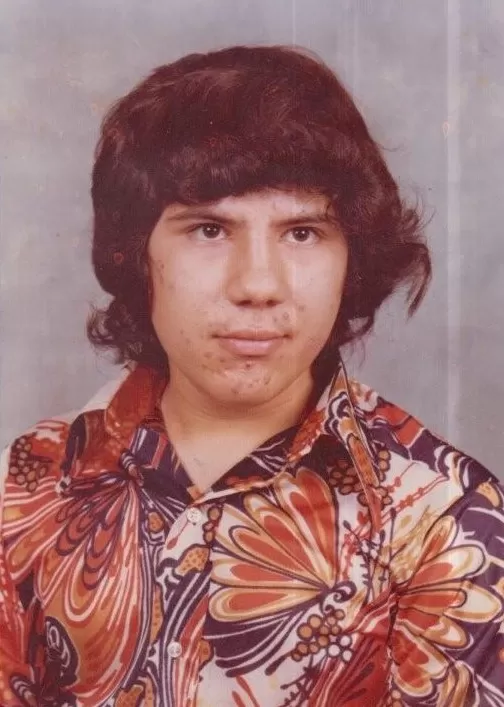
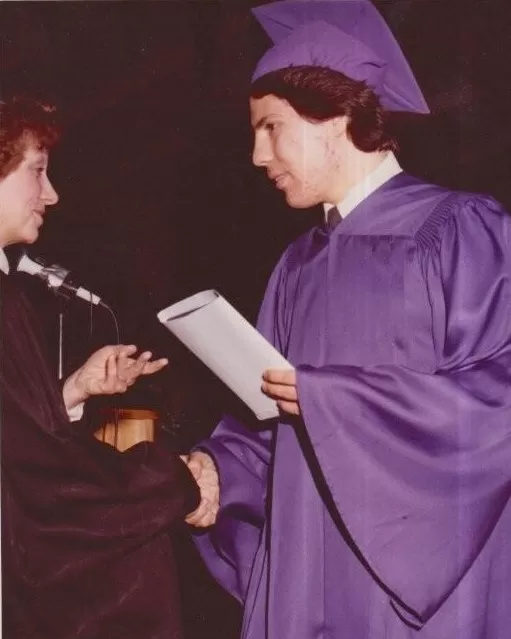
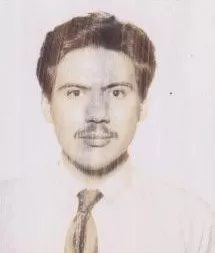
Attending law school in Milwaukee in 1991 was another lesson is isolation. The Marquette campus experience was very different back then, as the university was still surrounded by a transitional neighborhood. Ramon lived in a rundown studio apartment near 17th and Wells Street. He isolated himself from social activities to focus entirely on his studies.
But he was also isolated in terms of demographic representation. In his class of roughly 180 students, Ramon was one of only two Hispanic students. When the other Hispanic student relocated to Texas, he became the sole Mexican American representation in his entire class, alongside just two African American students and one Native American student.
“We were living in the middle of a big, urban city, and all we saw on campus were white people,” Israel said. “I never would have expected that.”
To make matters more challenging, Ramon financed his entire legal education on his own without a single penny in student loans. Every single weekend, he would pack a suitcase, drive all the way back home to Illinois, and work extended shifts as a respiratory therapist to pay his expenses.
“I wasn’t sleeping much,” he laughed.
Fall 1991 was a challenging time for another, more harrowing reason: the Jeffrey Dahmer case was unfolding in the local media, with gruesome, horrifying revelations announced almost every day. Israel was living only blocks away from Dahmer’s infamous apartment building. The fact that Dahmer preyed on gay men, but especially Black and brown men, only increased his anxieties about his sexual identity.
Simply put, it felt more dangerous than ever to come out. He started to doubt he ever would.
Breaking civic barriers
Upon graduating from Marquette Law School debt-free in 1994, Ramon took his relentless work ethic into the professional workforce. He joined a white, Jewish-owned mid-sized law firm of 20 to 30 attorneys. Demonstrating an exceptional legal mind and sharp instincts as a litigator, he shattered corporate timelines by becoming one of the youngest partners in the firm’s history after just four years of practice.
Though he was completely bilingual, Ramon initially didn’t have many Hispanic clients. However, the market responded to him quickly. Word quickly spread across the Milwaukee Metro area: "You speak Spanish, talk to Israel, he'll be able to help you.” Within two years, his client roster was overflowing with Spanish-speaking individuals. By earning this trust, he became one of the very first Latino attorneys in Wisconsin to specialize in workers' compensation and disability law.
His legal brilliance caught the attention of his peers on a statewide level. Ramon was eventually invited to become a Fellow of the Wisconsin Law Foundation—a prestigious honor reserved for a mere 2% to 4% of all practicing lawyers in the state, recognizing elite legal skills and service excellence.
The truth will set you free
Even while his professional life was soaring, Ramon’s personal life was still suffering.
Under the weight of family, social and cultural expectations, he chose to deny his sexual identity for decades. He married a woman and tried to live the life his parents wanted for him. Eventually, the pressure to live honestly became undeniable.
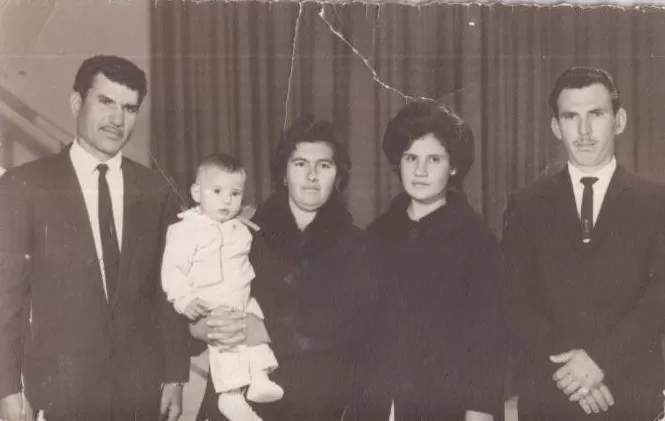
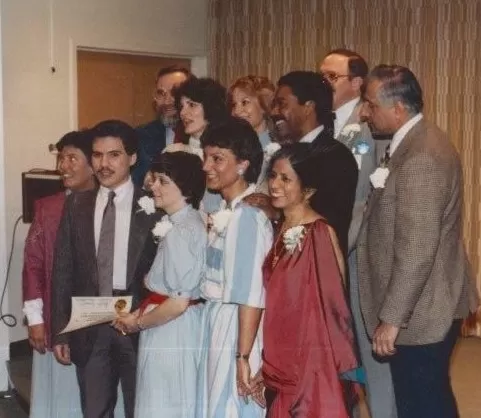
Coming out came with tremendous rewards. After proudly outing himself, that persistent, exhausting fear of being outed evaporated completely – replaced by a deep sense of contentment, peace, and authenticity. He felt an overwhelming sense of calm and relief.“Once a person accepts the unchangeable truth of who they are, empowerment follows,” said Israel. “And all of that psychological stress and distress just melt away.”
After 25 highly successful years as a dedicated, courtroom-tested litigator, Ramon's career underwent a sudden, historic shift. The grueling litigation lifestyle -- working six and sometimes seven days a week -- was starting to severely damage his health and personal life. When a county supervisor and the Milwaukee County Executive, Chris Abele, reached out to inform him of a vacancy in the Register of Deeds office, Ramon decided to throw his hat into the ring.
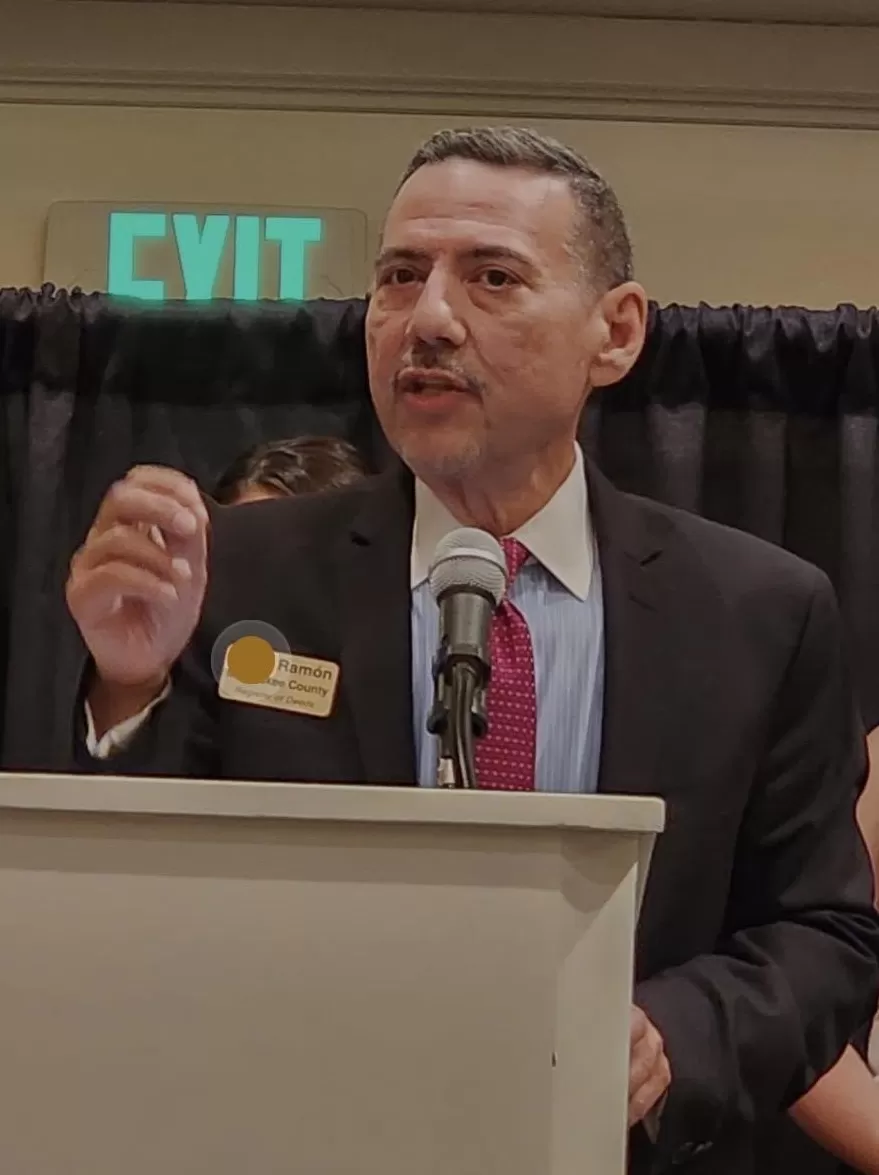
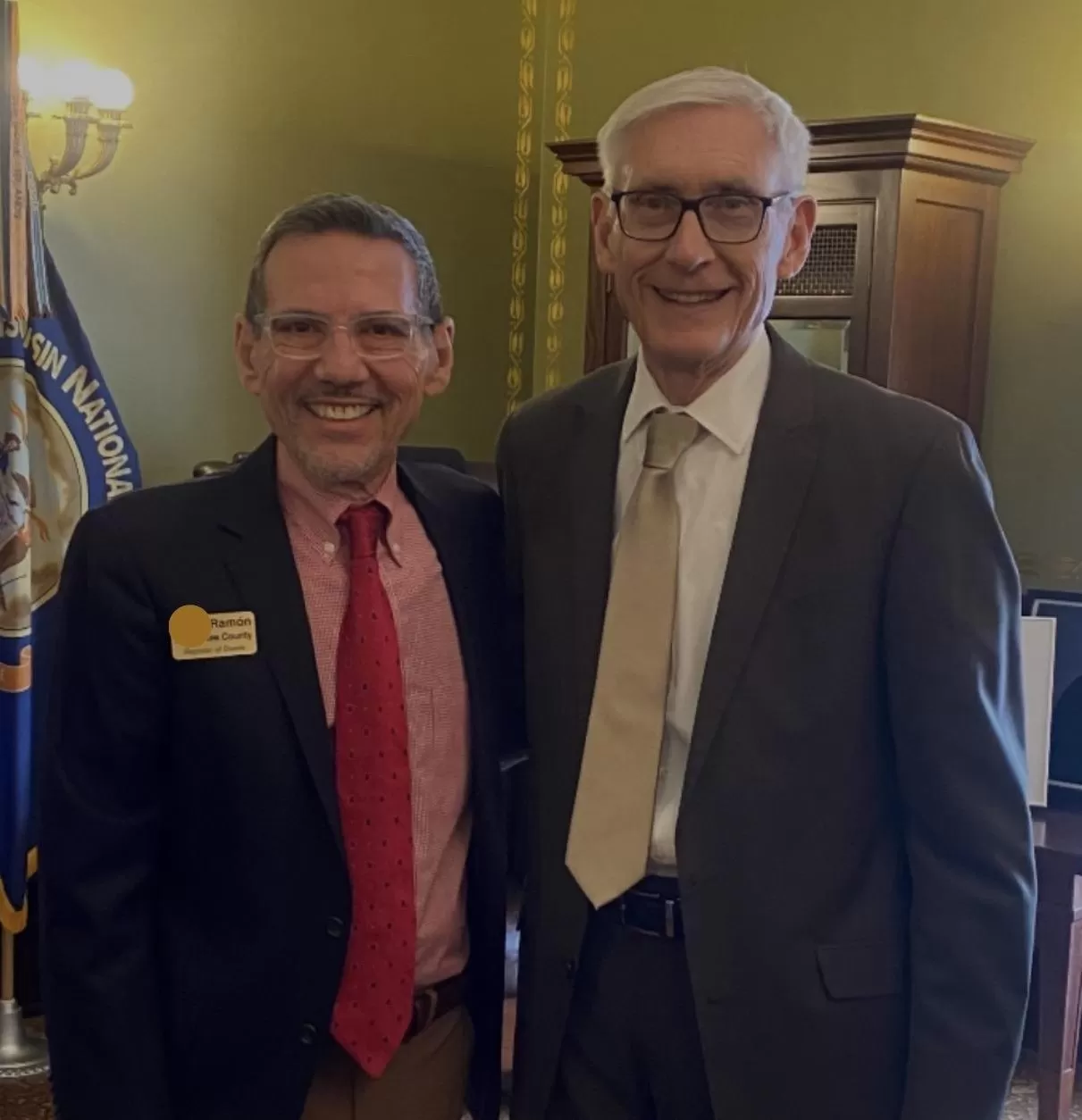
In 2019, Governor Tony Evers officially appointed Israel Ramon as the Register of Deeds for Milwaukee County.
With the stroke of a pen, Ramon secured a permanent place in the history books. He became not only the first Latino constitutional officer in Wisconsin history, but the first Latino and openly gay man to serve as a constitutional officer in Milwaukee County.
Despite making history, Israel remains a most humble elected official. As an elected official, he never opens a public speech by listing his historical milestones as a gay man. To Ramon, being gay is simply a natural part of his fabric. He strives simply to be remembered as a decent, hardworking, and trustworthy human being.
“If anyone can learn a lesson from my life, it’s that being ‘different’ doesn’t have to hold you back from anything you want to do in the world,” said Israel.
A legacy of giving back
Today, Israel uses his platform, his resources, and his leadership to ensure the next generation doesn't have to suffer the same crippling anxieties. He and his partner David are major contributors to Courage, a non-profit cause dedicated to protecting vulnerable, unhoused, and at-risk queer youth.
“I will never forget the intense housing and financial insecurities I lived through,” said Israel. “Coming out carries unique, highly complex obstacles for all young people, but sometimes more so for Black and brown kids growing up in religious or conservative homes. I want to help build the safety net for them.”
Israel and David have strategically structured their long-term finances to leave a legacy for tomorrow. Upon their passing, their estate will provide a generous gift to Courage for youth housing initiatives.
The couple is also invested in the Puerto Vallarta LGBT center, which provides low-cost HIV testing, STD screenings, and access to life-saving PrEP medication.
Despite rising political intolerance against transgender youth, marriage equality, and the overall LGBTQ community, Ramon remains deeply aspirational. He believes that tough times are a call to action.
"Challenge yourself to multiply the good works of those who came before you,” he said. “We can never stop believing in a better future.”


recent blog posts

September 11, 2026 | Amy Luettgen
September 04, 2026 | Amy Luettgen

August 31, 2026 | Noah Johnson
The concept for this web site was envisioned by Don Schwamb in 2003, and over the next 15 years, he was the sole researcher, programmer and primary contributor, bearing all costs for hosting the web site personally.

join our email list
Get WI LGBTQ History Project updates in your inbox.


