Places
Wisconsin LGBTQ History Project Fundraiser
If you appreciate the History Project's work, we hope you'll support the second fundraiser in our 29-year history!
We are a self-funded, independent, all-volunteer, non-profit team -- and we provide most services FREE to the community.
Wisconsin LGBTQ History Project Fundraiser
If you appreciate the History Project's work, we hope you'll support the second fundraiser in our 29-year history!
We are a self-funded, independent, all-volunteer, non-profit team -- and we provide most services FREE to the community.
"My father once told me, 'Son, never start a fight, but never walk away from one.'"
If Jack H. Smith could travel back in time to 1979, he would offer his younger self a single piece of meaningful advice.
“Buckle up. It’s going to be a wild ride.”
Jack’s ride has spanned decades, moving from an isolated childhood in southeastern Wisconsin to the bustling streets of Milwaukee, where he became a self-made businessman, community pillar, and committed philanthropist.
Jack H. Smith stands with a lifelong family commitment to stand not above or below his community, but directly alongside it.
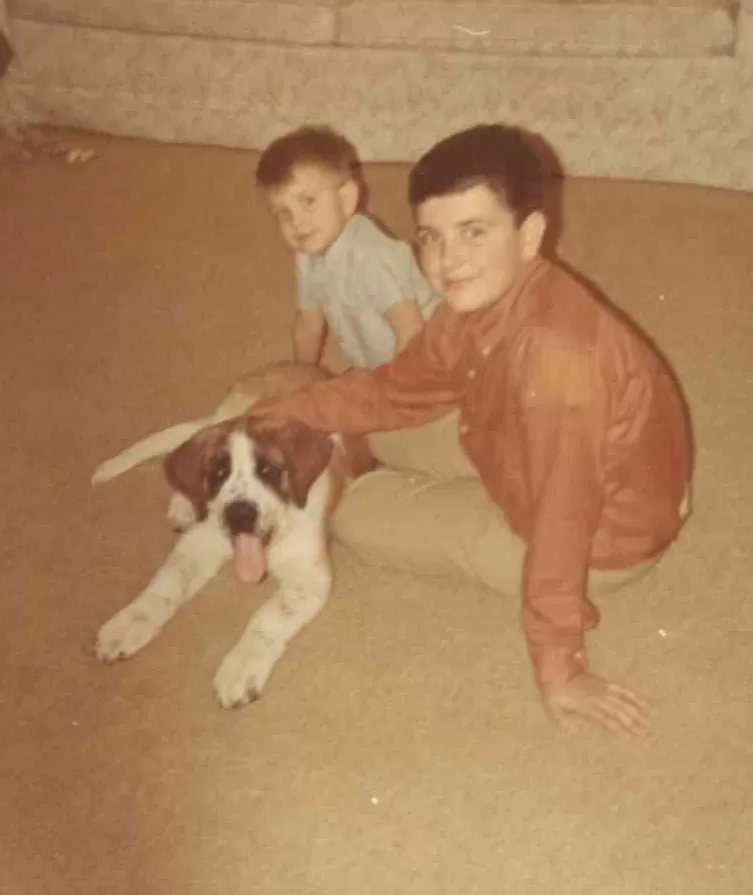
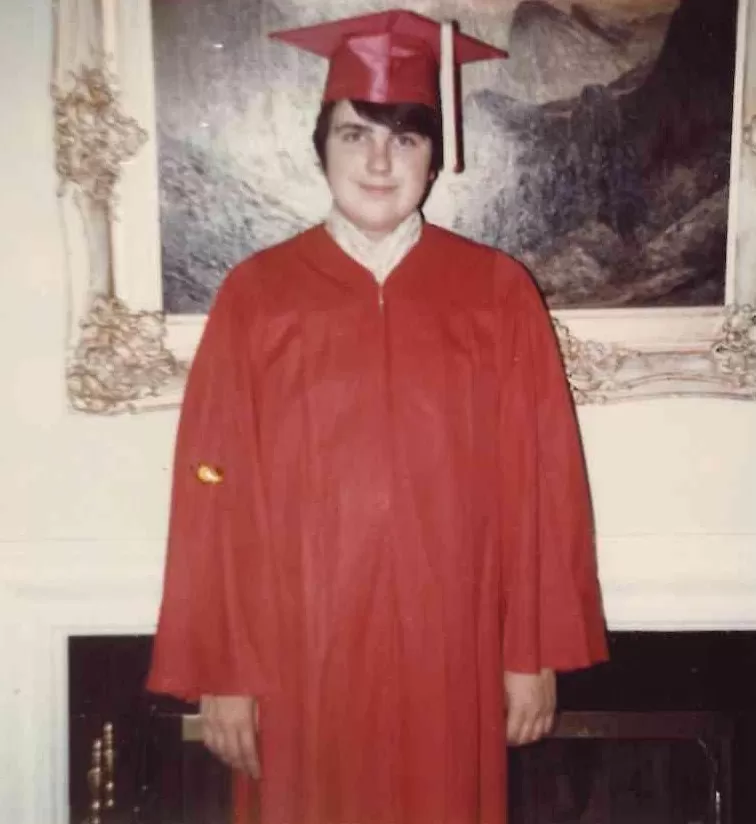
“My story began long ago and far away, in a land called Racine, Wisconsin,” Jack laughs.
Growing up, he lived in a world where the word "gay" really did not exist in the public vocabulary, let alone as an identity one would admit to.
“During my childhood and adolescence, you know, there were no such thing as gay people,” Smith recalls. “And really, for a while, I thought I was the only one. I was sure of it.”
Anyone searching for LGBTQ representation was out of luck.
“It was a vast wasteland,” said Jack, where there was no support or guidance for anyone growing up gay. He didn’t even have words to describe his feelings. Instead, he kept his thoughts to himself and moved along as best he could, while starting to feel fleeting attraction to people he saw in magazines.
Outside his family home, the world could be very hostile. School was a culture of intimidation.
“There were not only bullies at school, but they were also supported by the teachers and administrators,” Jack said. “If someone was hassling you, you were the problem. If someone attacked you, you were the problem. What did you do to provoke them? Why do you attract attention to yourself? Did you do something to deserve getting beat up? No matter what, the victim was always in the wrong. You learned to keep your head down quick.”
Fortunately, Jack had the full and unconditional support of his parents, who created a home free of anger, scorn, or judgement. Good, wonderful, and deeply loving, they taught him to be strong and resilient.
His mother was a professional woman at a time when female careerism was widely frowned upon by society, and his father navigated the world with a severe hearing disability. Both parents experienced their own forms of discrimination. Watching them persevere instilled ironclad strength and independence within Jack.
Those qualities inspired his leap into the business world.
Since he was eight years old, Smith knew he wanted to be in real estate, long before he truly understood anything about the industry. He took a seven-year detour into the automobile industry, where he met his lifelong friend and mentor Ernie Von Schledorn (1926-2014,) a man who taught him to always move forward, be honest, forthright, and have fun. But the job wasn’t right for him, so Jack jumped into real estate with both feet.
When he arrived in Milwaukee, bringing his parents along with him, the real estate market was highly traditional. Navigating it as an out gay man was almost unthinkable. Fortunately, Smith possessed an innate business acumen and a refusal to remain invisible. He became one of the very first realtors in Wisconsin to advertise directly in LGBTQ newspapers. Even more bold, he was the first realtor to include his photograph in those advertisements.
“I felt that people needed to see who they would be dealing with,” Smith explains.
His approach provoked some harsh responses. Roughly a year into the campaign, the owner of the real estate firm received an outraged phone call from someone demanding to know how the company could dare employ a homosexual. Jack was unfazed. He knew that his skills would speak for themselves.
“In my profession, you're never short of a job,” he notes, explaining that natural talent and a strong book of business are what makes a good realtor.
Jack recognized that the LGBTQ real estate market was historically underserved. When gay and lesbian couples wanted to buy homes, they needed a professional they could trust not to judge, dismiss, exploit, or expose them. Smith took pride in finding creative ways to leverage existing laws to protect his clients. He remembers one of his most fascinating transactions involving two gay military servicemen. By meticulously reading the guidelines of the Veterans Affairs lending program, Smith realized there was absolutely no language restricting two veterans of the same sex from purchasing a home together. His clients were stunned – yet thrilled -- by how seamlessly and easily he closed the deal.
Smith jokes, “nowadays, you can't swing a dead cat without hitting a gay realtor in Milwaukee,” but he’s quite serious that the social stigma still remains. Even now, he encounters buyers who fire him the moment they figure out his sexual identity. His response to such modern-day bigotry is characteristically sharp.
“Gee, thanks for the ride back to the 1960s.”
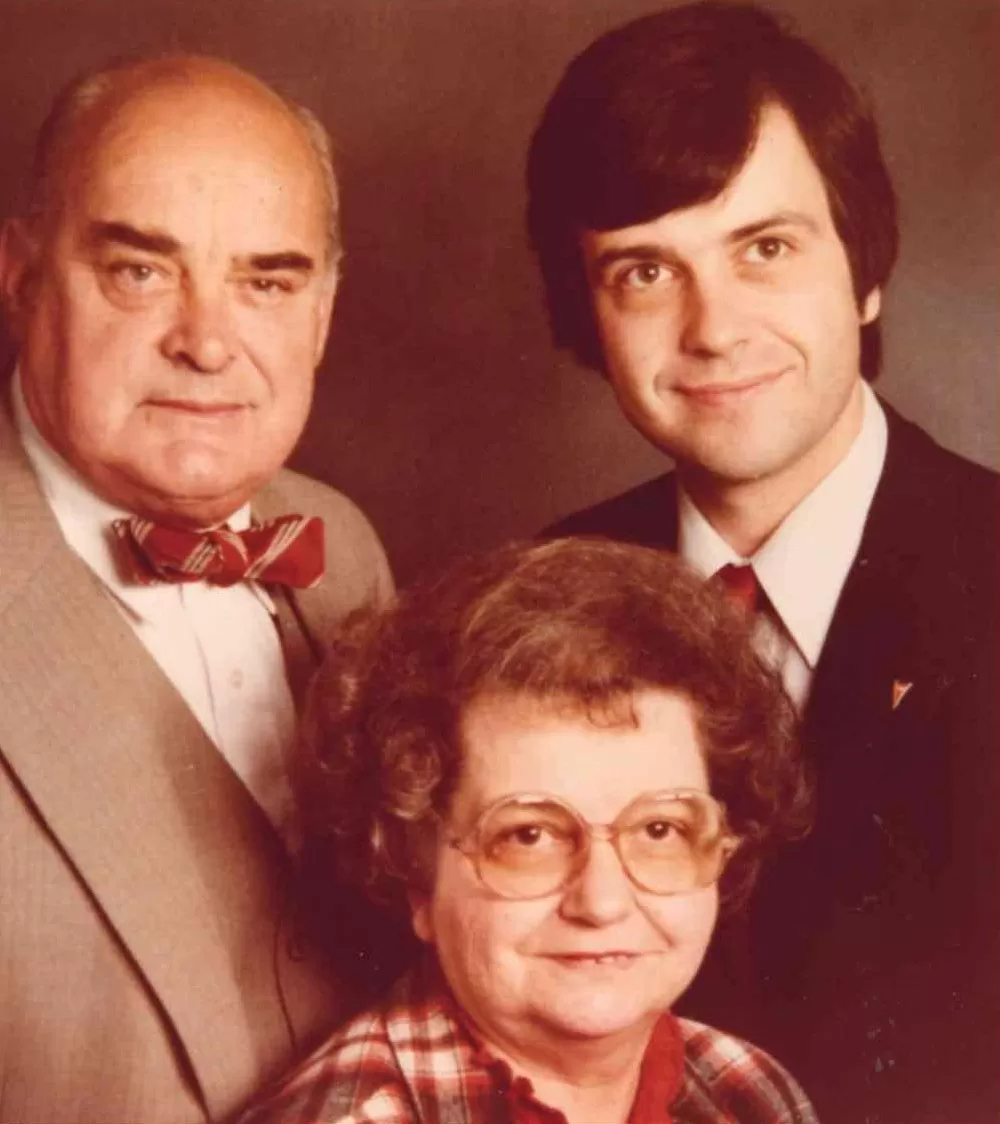
As his real estate career flourished, Jack began to support Milwaukee’s emerging LGBTQ organizations. It is a role that earned him the title of philanthropist, though it is a label he accepts with a degree of reluctance. In his mind, a philanthropist is someone who cuts multi-million-dollar checks to build public libraries; he sees himself simply as a man who funds what is "true and right."
When looking back at his lifetime of giving, Smith notes that his choices stem from a core desire to reduce two social constants: discrimination and poverty. He has consistently looked for grassroots organizations trying to get on their feet, stepping in as the critical funding engine that brings them to life.
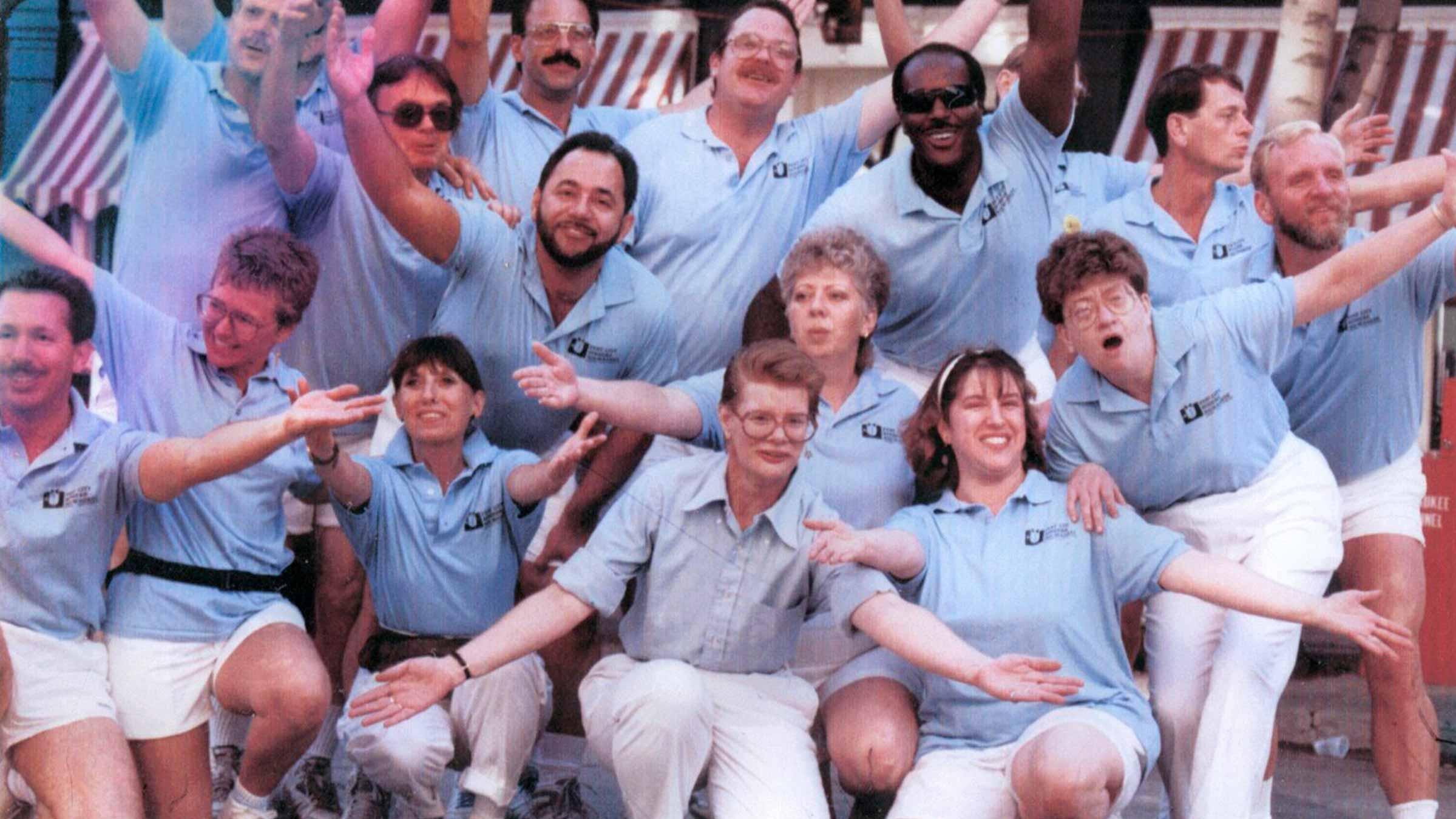
When a young activist sought to establish Milwaukee’s first LGBT community center, he approached Jack for funding. Inspired by the vision, Jack stepped up as a founding donor. It was a high-stakes gamble for both men. Back then, opening such a center carried immense social risk and threatened to completely expose their professional and private lives. When a group of local singers wanted to form a gay choral ensemble, Smith became the initial donor to launch Men’s Voices Milwaukee. He also provided foundational funding for a scholarship honoring Juana Vega, who was killed in a 2001 hate crime.
For years, Smith was a relentless supporter of the Milwaukee LGBT Film Festival operated by Carl Bogner. When the festival eventually shuttered due to Carl’s declining health, Smith felt a unique mixture of bittersweet pride. While he was deeply saddened by Carl’s passing, he recognized that the festival’s conclusion marked a cultural victory for both Carl and Milwaukee.
"The LGBT Film Festival is no longer as necessary as it once was," Smith said. “When it started, you didn’t see gay people anywhere in mainstream movies or TV. Nowadays, queer cinema isn’t just a cornerstone of the Milwaukee Film Festival, it’s also integrated into our wider culture. I’d like to think that a generation of wider visibility had a lot to do with that."
"When I first donated to the festival, over 20 years ago, I remember thinking: if we do this right, someday it will no longer be needed.”
Jack learned a lot of lessons about civic engagement from his father. Despite his hearing impairment, Mr. Smith was a tireless volunteer. He served on a Lions Club committee that hosted charity dinners, raised critical funds, and evaluated eligibility for visual disability assistance. It was from his father that Smith learned the message that has guided his entire life: “Not above you, not below you, but with you.”
He feels this message is more important than ever in a time of increasing self-absorption.
“Sometimes people get too involved in the 'me, me, me' aspect of life,” said Jack, “until they look around, and they see people who are suffering and people who are without. It's absolutely important to do something for those people. There are endless places to give your time and your money. You just have to do what you think is right and give what you can.”
When looking toward the future of Milwaukee, Smith identifies a critical challenge that cannot be solved with money alone. Milwaukee is suffering a leadership shortage and a unity crisis.
“We are in a fragmented society, and everyone is like, ‘Well, I belong to this group, I belong to that group, but that group? They’re on their own.” Smith said.
“Yeah, well, how about if we all rowed in the same direction for a change? How about if we all got in the same boat? You know, we might just get somewhere.”
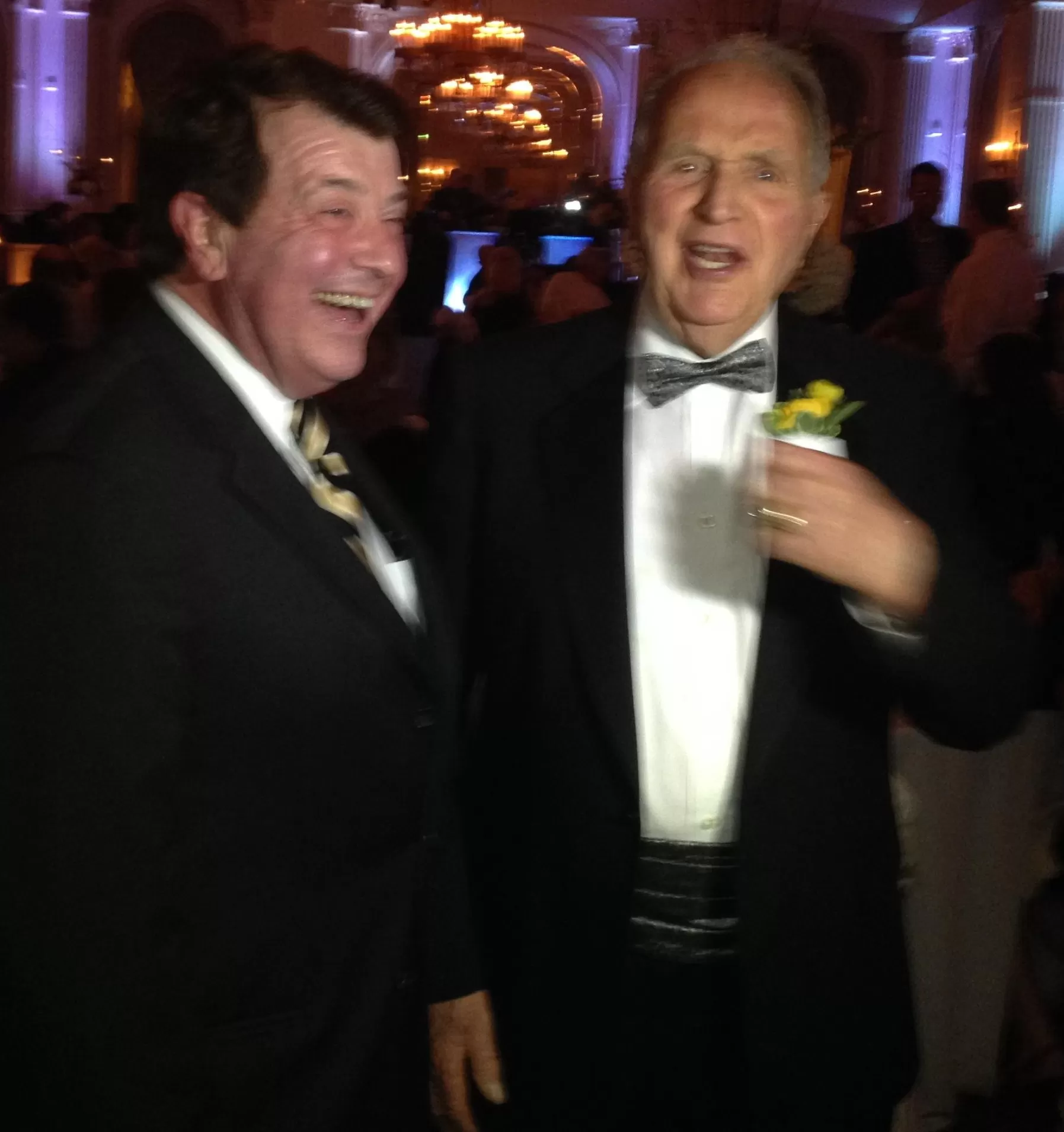
Today, Jack H. Smith is celebrated and honored by the city of Milwaukee. He sleeps soundly at night, living an honest life completely free of regrets. When young activists and community leaders ask him for advice, he doesn't give them empty promises. Instead, he prepares them for the beautiful fight ahead.
To Smith, fighting isn’t about fighting against someone. It's about fighting for someone and something. He believes the next generation needs to learn how to defend their rights, because there will always be someone trying to roll back progress.
"Don’t pass up a good fight," Smith says. “I have fought all my life for one thing or another. My father once told me, 'Son, never start a fight, but never walk away from one.'"
As he likes to say, "Violence never solved anything, but a good fight can solve a lot."
The concept for this web site was envisioned by Don Schwamb in 2003. Over the next 15 years, he was the sole researcher, programmer and primary contributor.
If you would like to contribute as a blog writer please contact us.
recent blog posts
May 01, 2026 | Michail Takach
The concept for this web site was envisioned by Don Schwamb in 2003, and over the next 15 years, he was the sole researcher, programmer and primary contributor, bearing all costs for hosting the web site personally.
This work is licensed under a Creative Commons Attribution-NonCommercial-ShareAlike 4.0 International License.
© 2026 Wisconsin LGBTQ History Project. All Rights Reserved.