
- Places
 February 25, 2026 | Michail Takach
Leslie Doxtater: the long walk to the Two Spirit Pow Wow
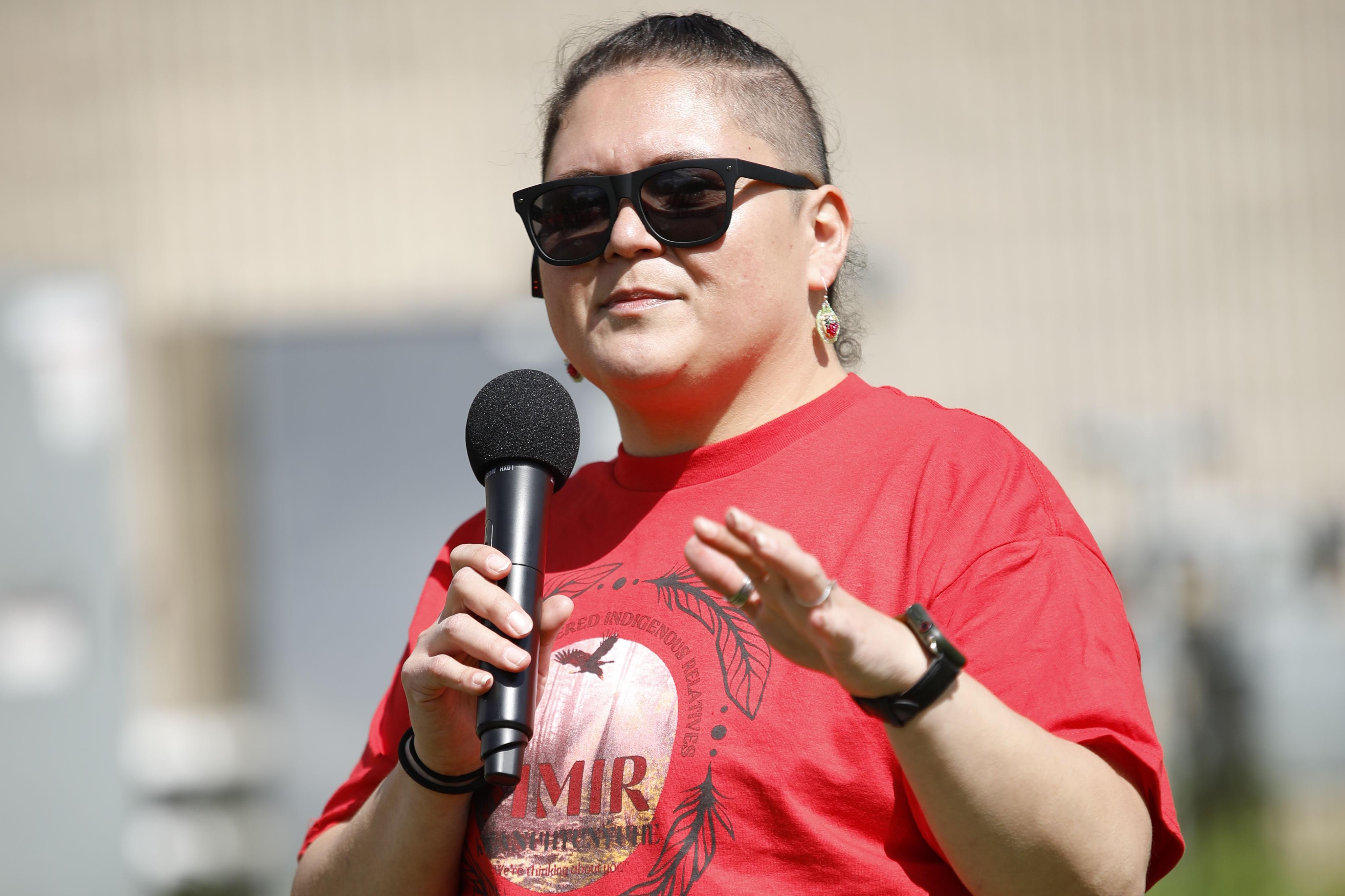
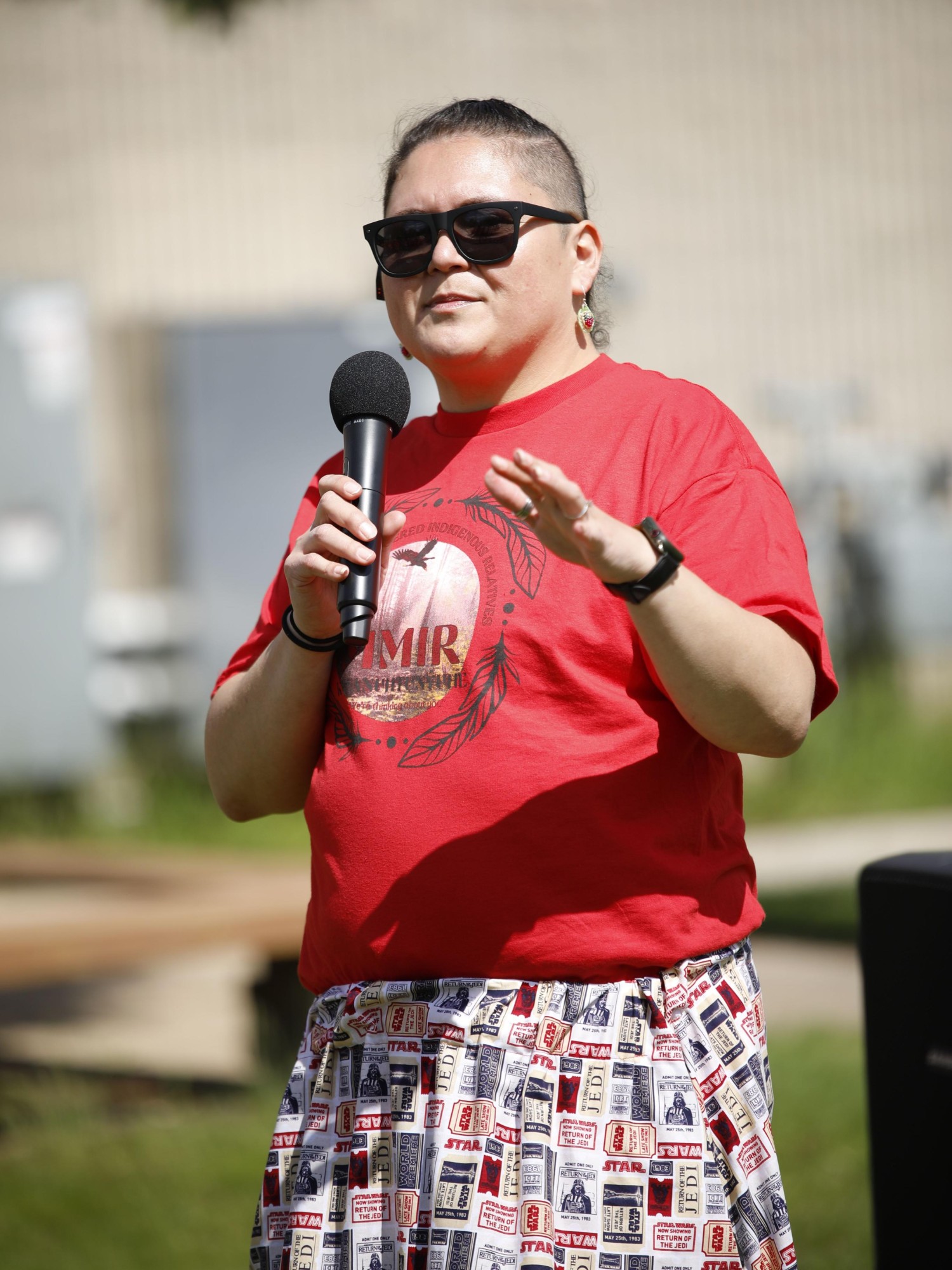
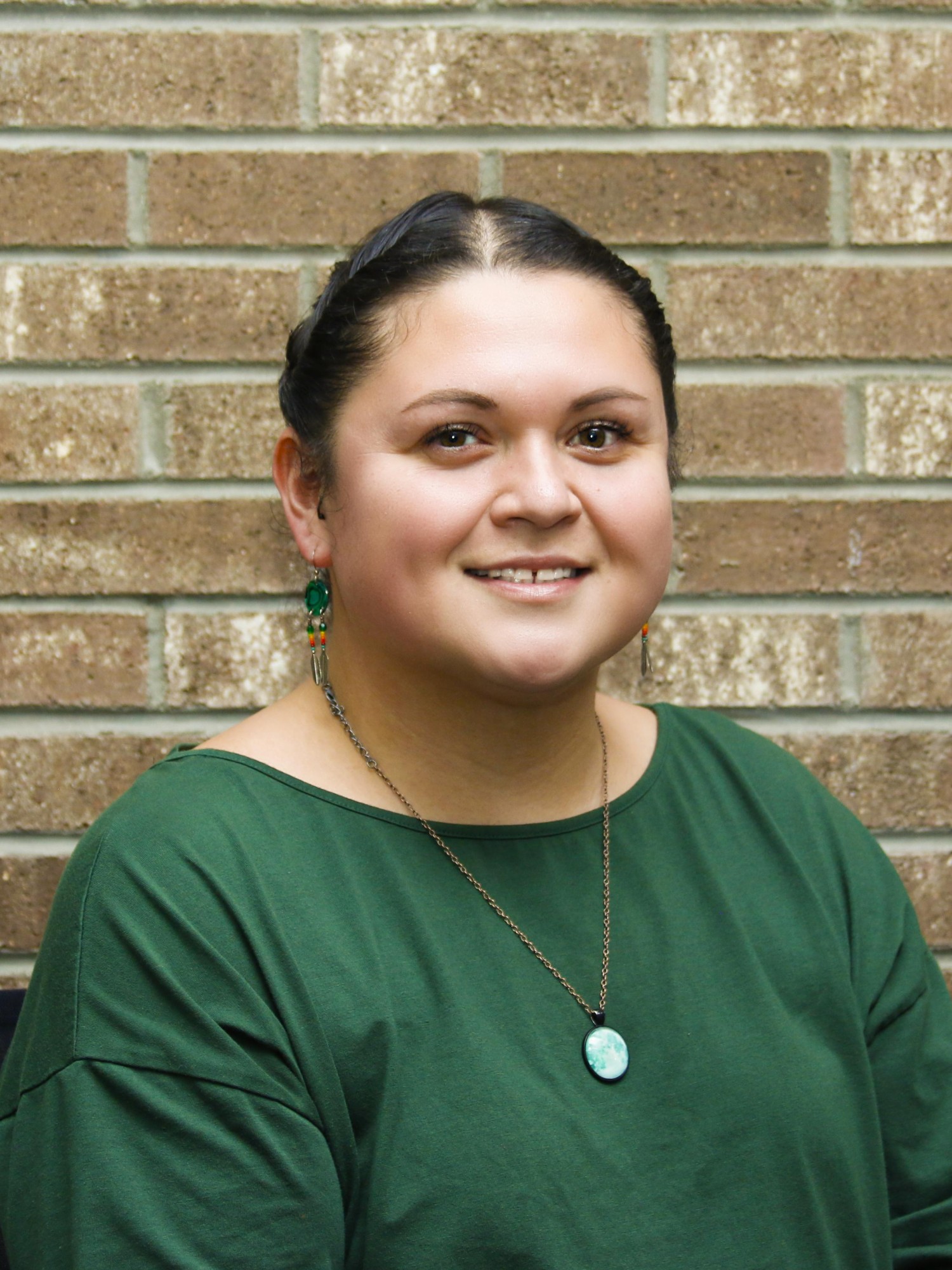
As a Two Spirit Oneida woman, Leslie's life has been a rewarding journey of self-discovery, exploration, reclamation, and community building.
Leslie Doxtater"The long house belongs to Oneidas, so it's just as much my long house as it is anyone’s."
Leslie Doxtater remembers exactly when she finally saw the full, vibrant reality of her community.
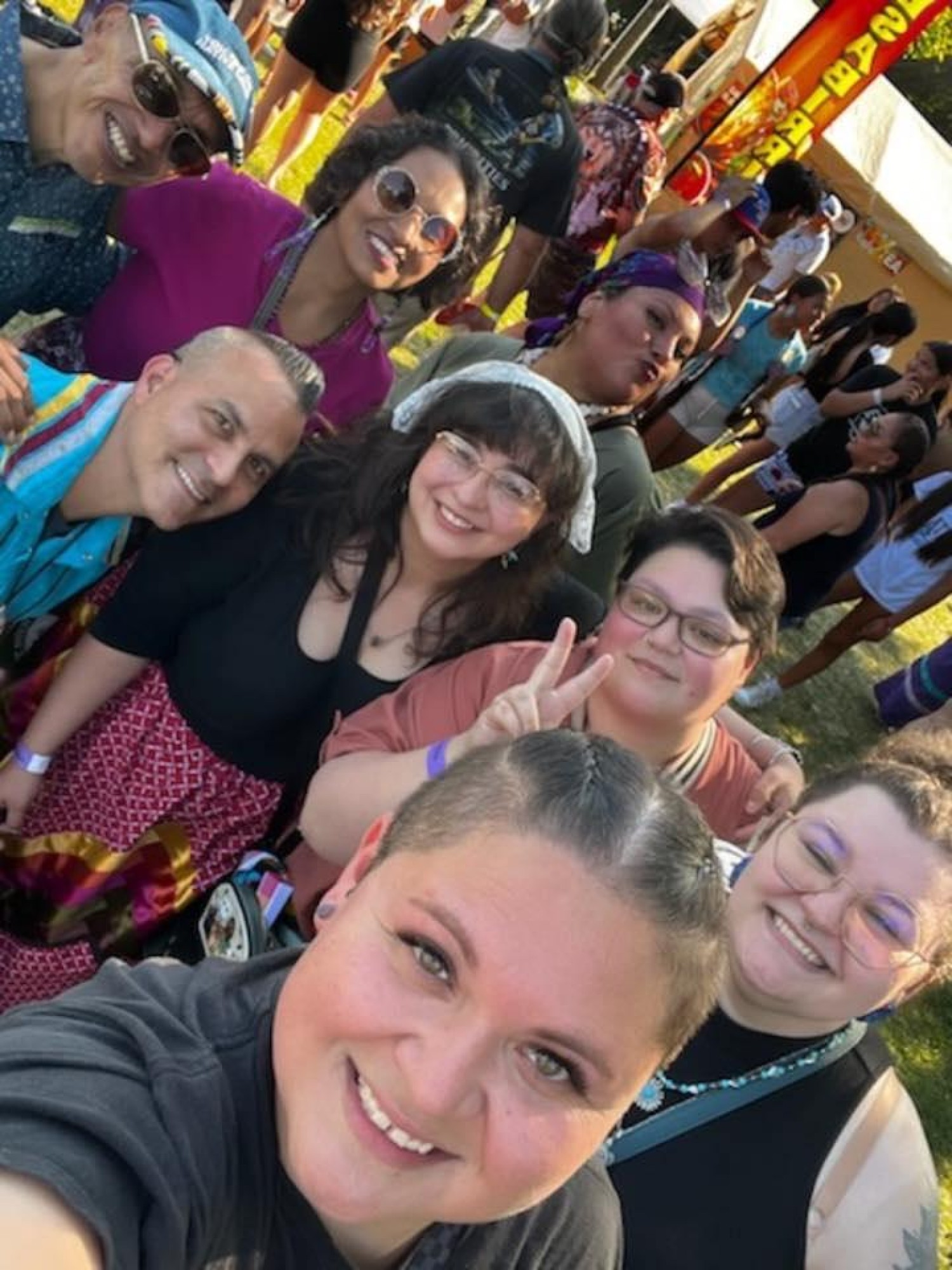
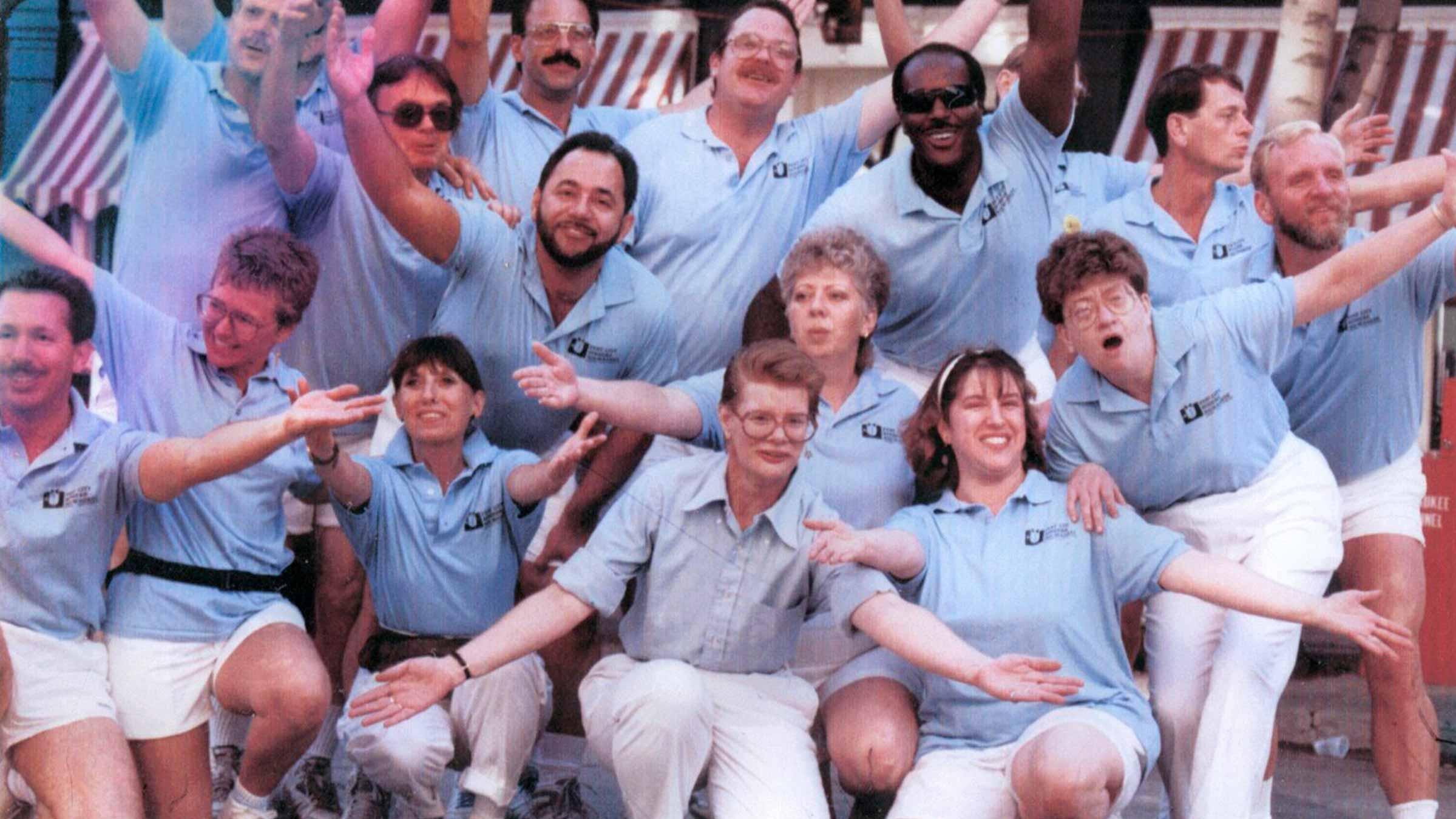
She was marching alongside the Bay Area Council on Gender Diversity in the Milwaukee Pride Parade, carrying a banner, and showcasing her traditional clothing. As they walked the parade route, something incredible happened. Every time they passed a group in the crowd, Indigenous people -- who had never seen themselves represented in that space -- began to yell out the names of their own tribes in unity. Doxtater, who had always hated parades, gave away every piece of Two Spirit swag she brought with her that day.
"I never expected to have that kind of response," she said, reflecting on the power of seeing Indigenous people celebrated.
That Milwaukee moment followed a lifetime of quiet resilience, cultural rediscovery, and relentless advocacy. Today, as a Tribal Action Plan Specialist for the Oneida Nation, Doxtater is writing history for Indigenous queer youth in Wisconsin. Her journey -- from a fiercely guarded childhood on the reservation to becoming a leading voice for Two Spirit identity -- is a testament to the power of showing up, reclaiming sacred spaces, and rebuilding community from the ground up.
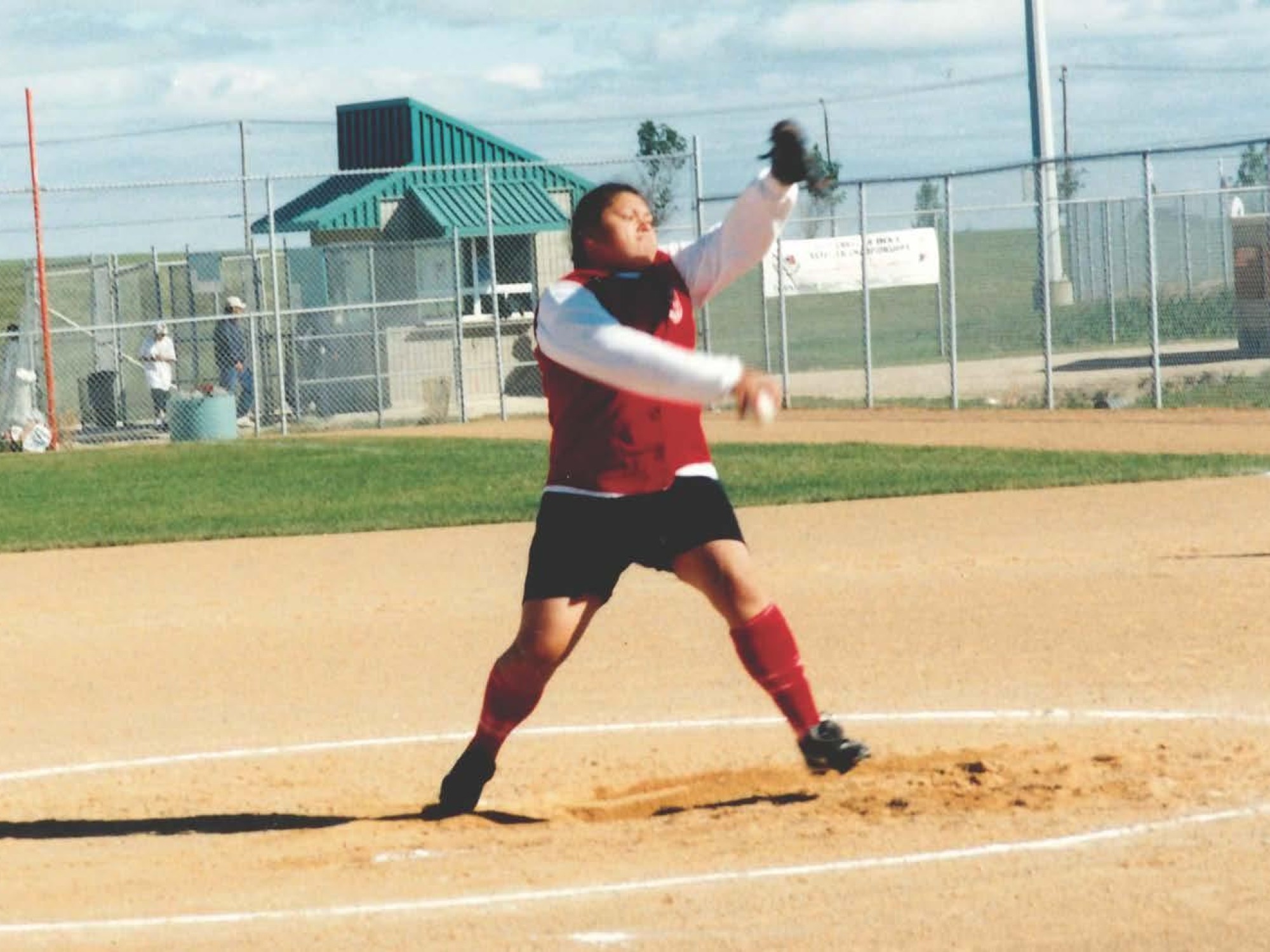
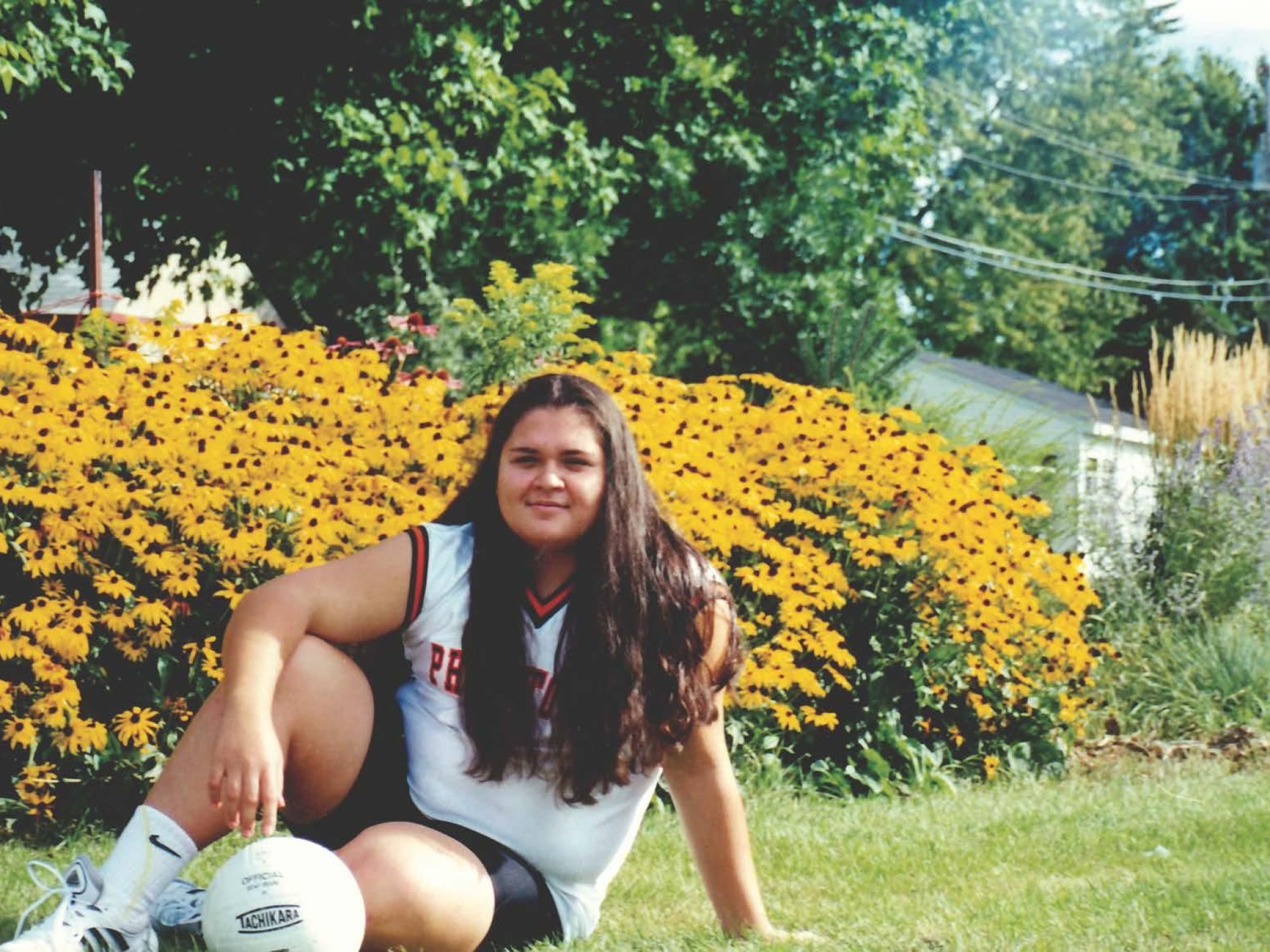
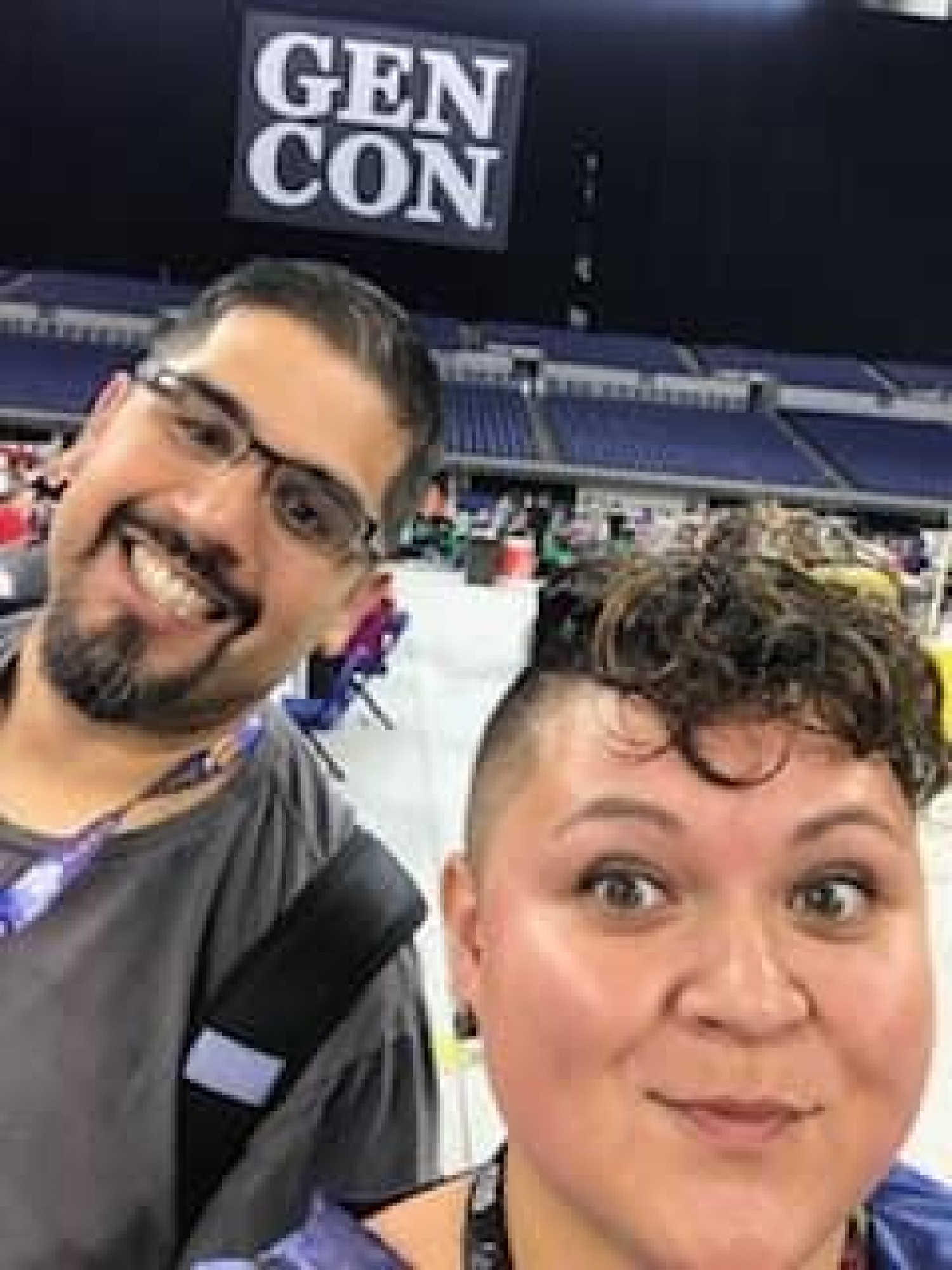
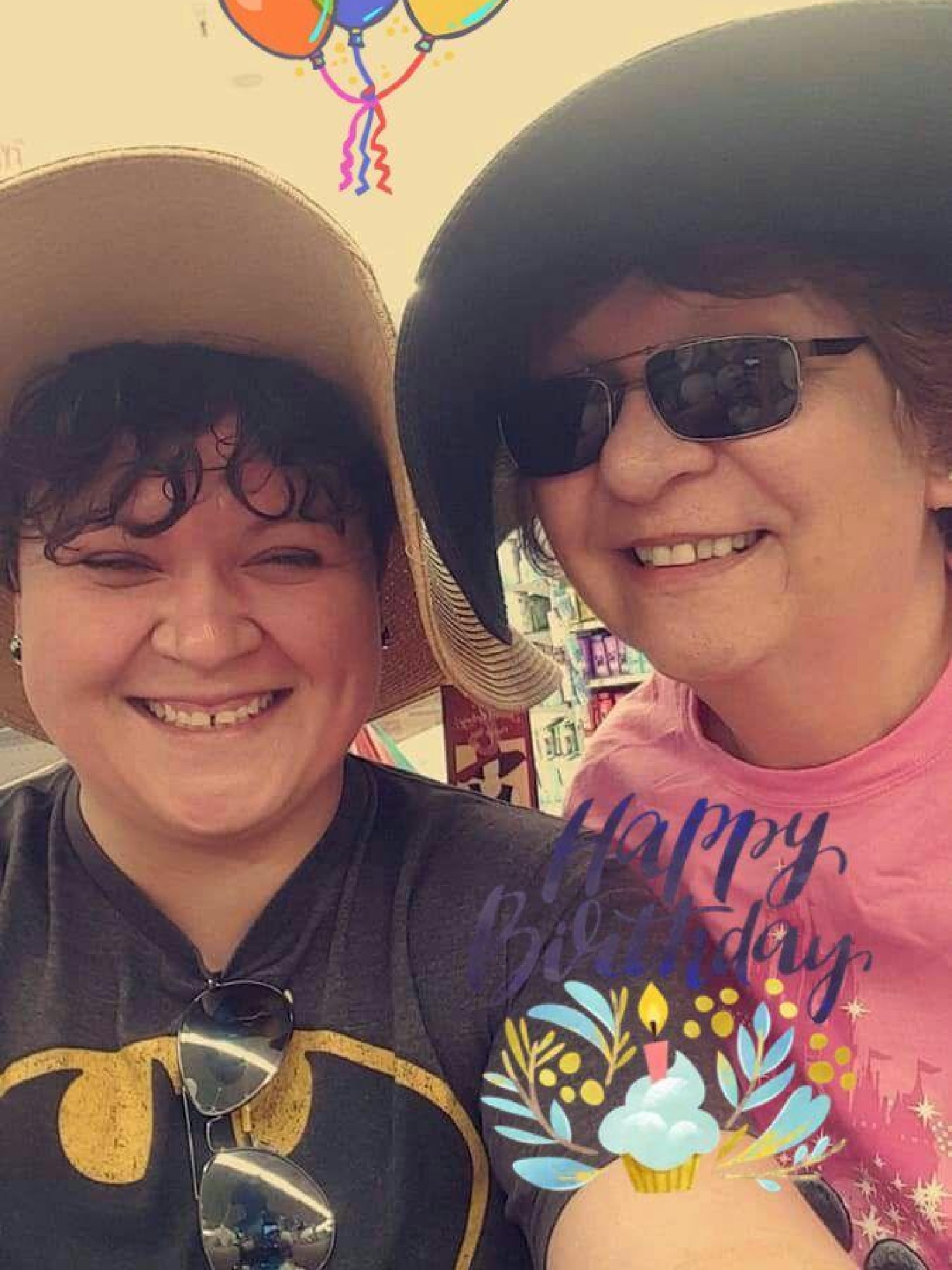
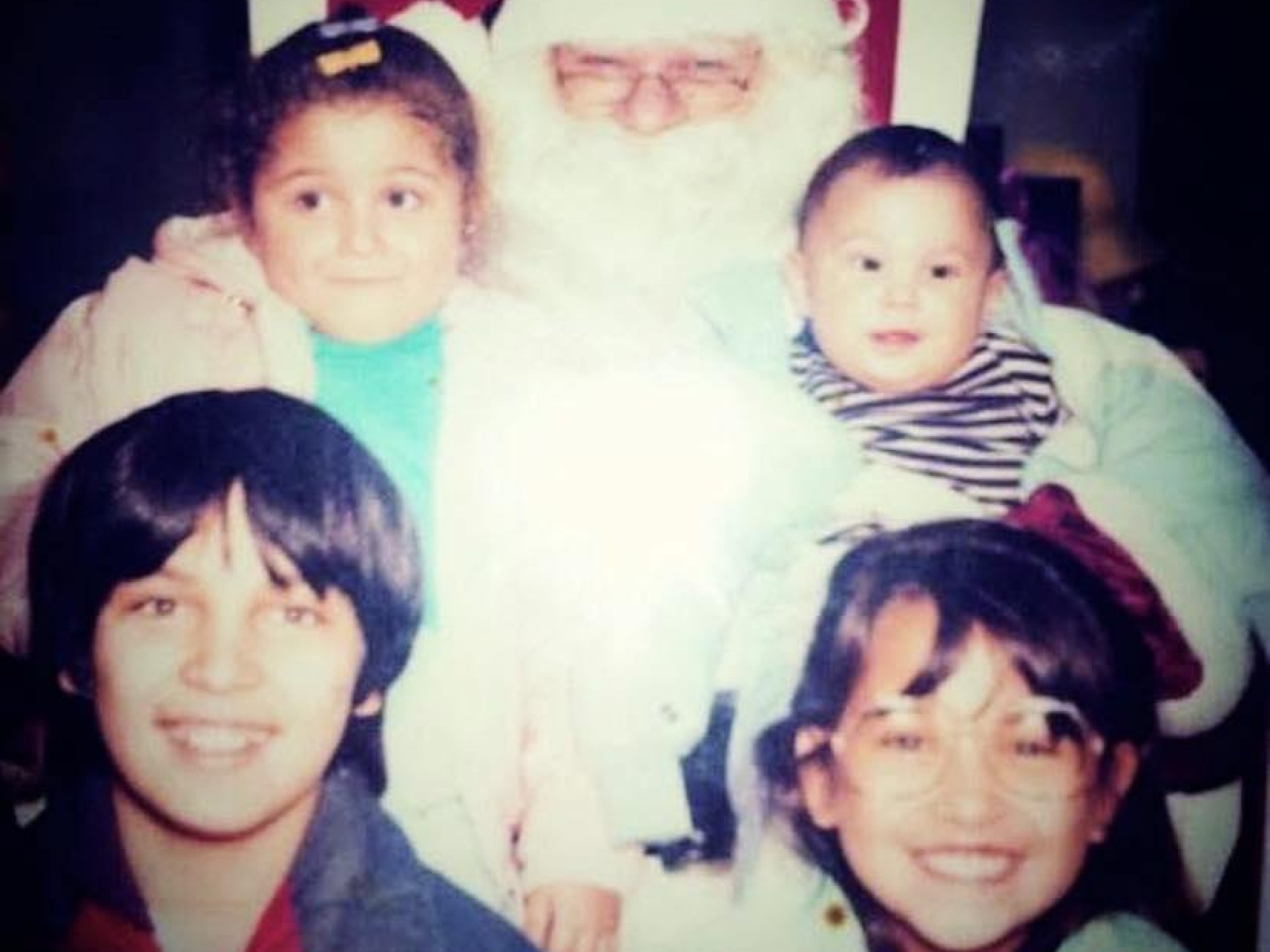 Leslie and family
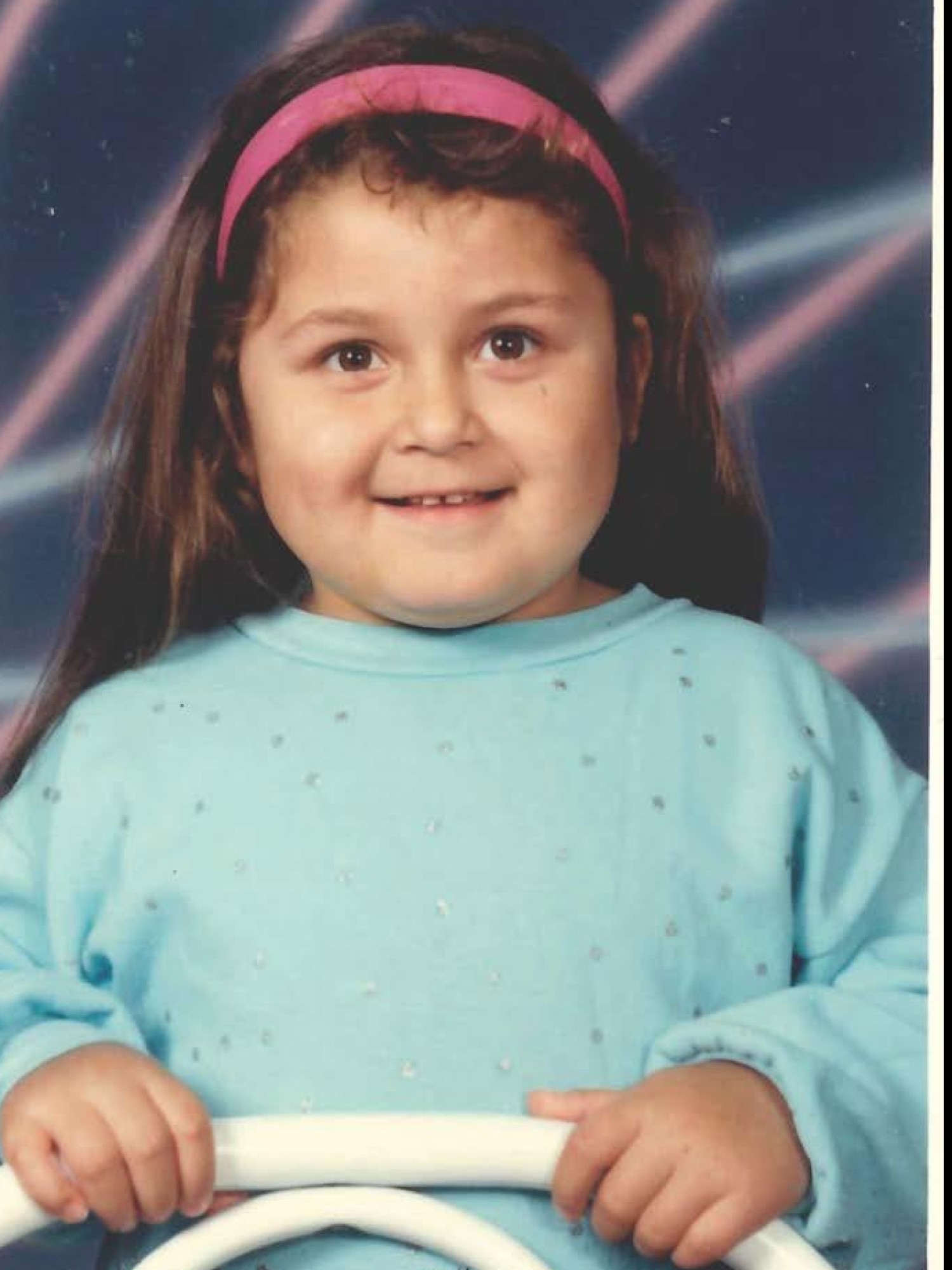
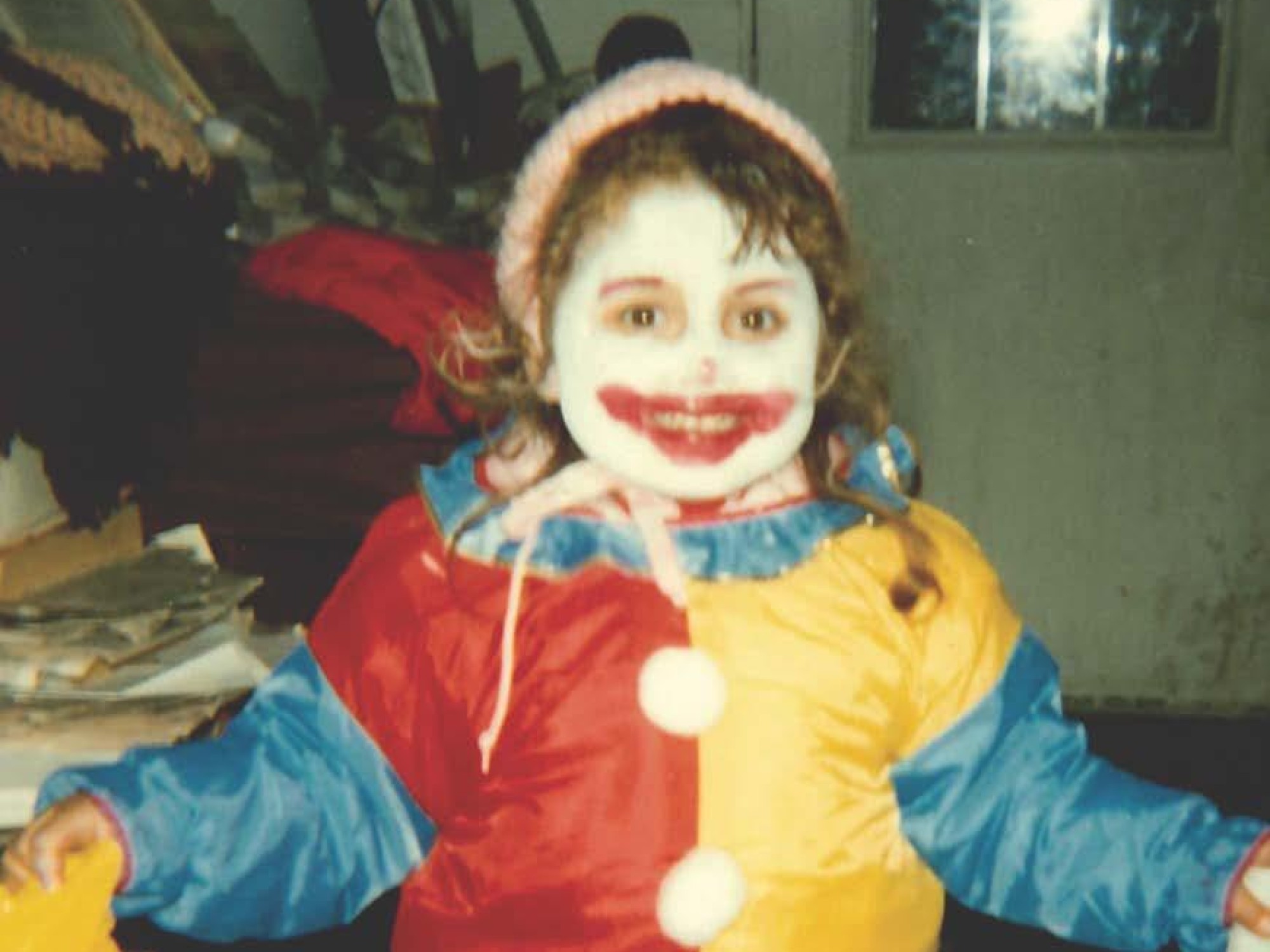 Childhood Leslie
 Childhood Leslie
“I grew up with great-aunts, Auntie Ida and Auntie Laura, who lived together,” said Leslie. “I always thought they were sisters. When I was 16, I realized they were not related at all.”
"I asked my mother, ‘they aren’t really sisters, are they?’ and she said ‘no,’” said Leslie. “I was so confused. ‘But they live together?’ I asked. And my mother said, ‘yes,’ and walked out of the room. That was the end of that conversation.”
Middle school brought early accusations from classmates. While changing for gym class, girls would call her a lesbian, a term she didn't fully understand at the time but still fiercely denied. She held on tightly to the defense of "I'm not gay".
Things shifted when she went to college at Lakeland University. Surrounded by openly queer softball teammates, she initially rejected their advances.
"Just because you kiss me doesn't make you gay,” girls would tell her. “Actually, that's exactly what it means and I'm not doing it,” said Leslie.
Yet, the experience forced her worldview to widen. She eventually dated the catcher from her softball team.
“It was a complicated relationship,” she said.
The real turning point came freshman year, when her roommate brought her to PrideFest Milwaukee.
"I saw families, I saw kids, I saw people from all different backgrounds that I didn't even know existed," Leslie said. "And it was the first time I thought I could be gay and still have a family".
But the road forward was still not a straight line. Fearing she would bring shame to her family and the reservation; she continued to hide her queerness when she went home. She dated a man for two years, ending the relationship after he expressed insecurities about her having female partners in the past.
Eventually, she started going to XS, a local bar with her cousins to drink cheap Captain Morgan and Cokes while secretly mingling with queer women upstairs. Rumors about her dating a prominent out Oneida girl began to swirl, and her parents started to ask some uncomfortable questions.
Her father -- who already had aunts in a same-sex relationship -- simply asked if her partner was her "other half" before hugging her and telling her he loved and supported her either way. Her mother, a born-again Christian, accused her of lying about her life and cut contact with her for almost a year.
The silence was devastating. Leslie began to drink heavily, mourning the loss of the loving, nurturing parent she deeply relied on.
Nearly a year later, her mother sent an email inviting Leslie to Thanksgiving dinner. She insisted on bringing her girlfriend and seated her mother right next to her. The meal passed without a single negative word, and her mother has been unconditionally supportive ever since.
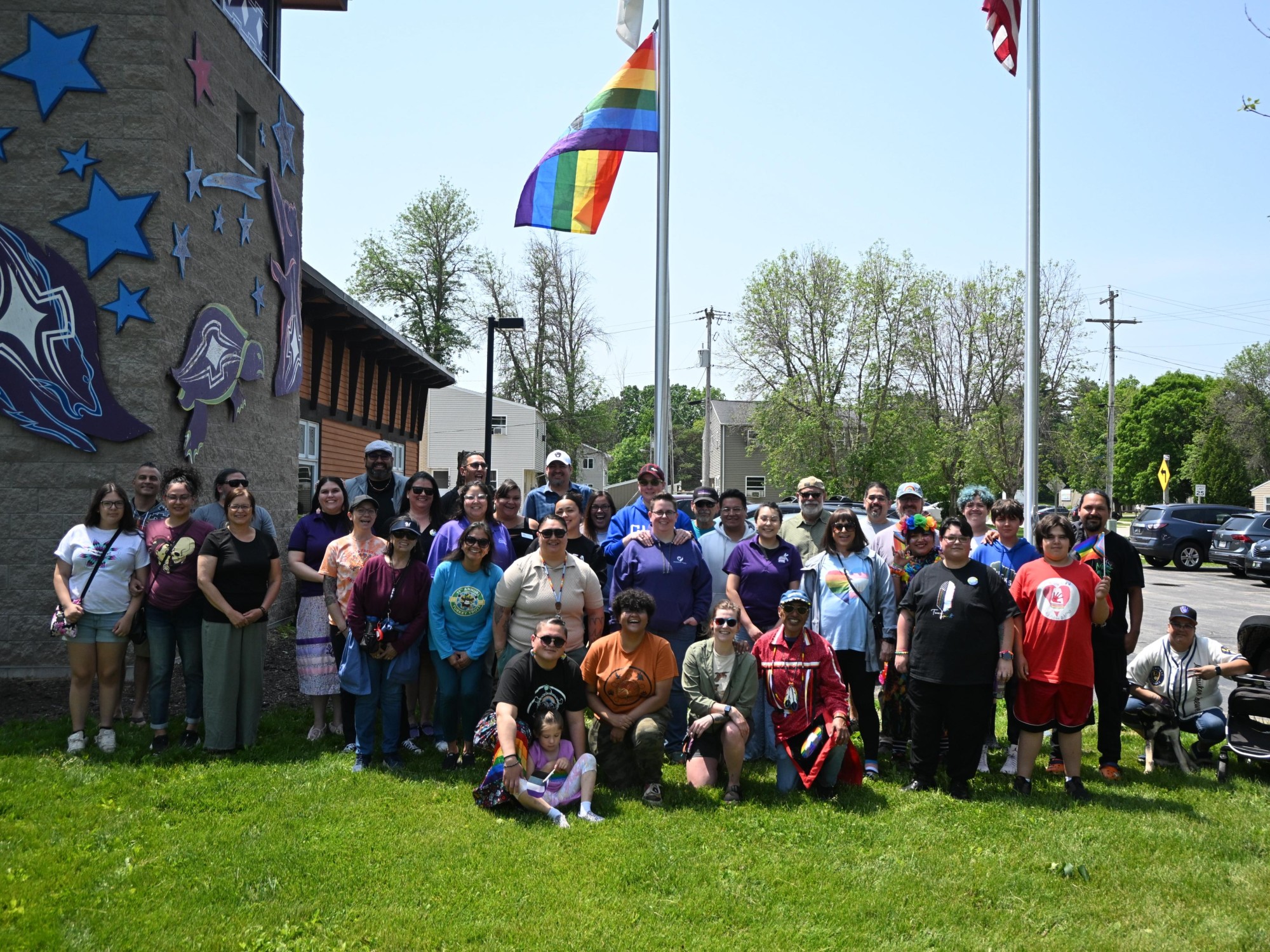
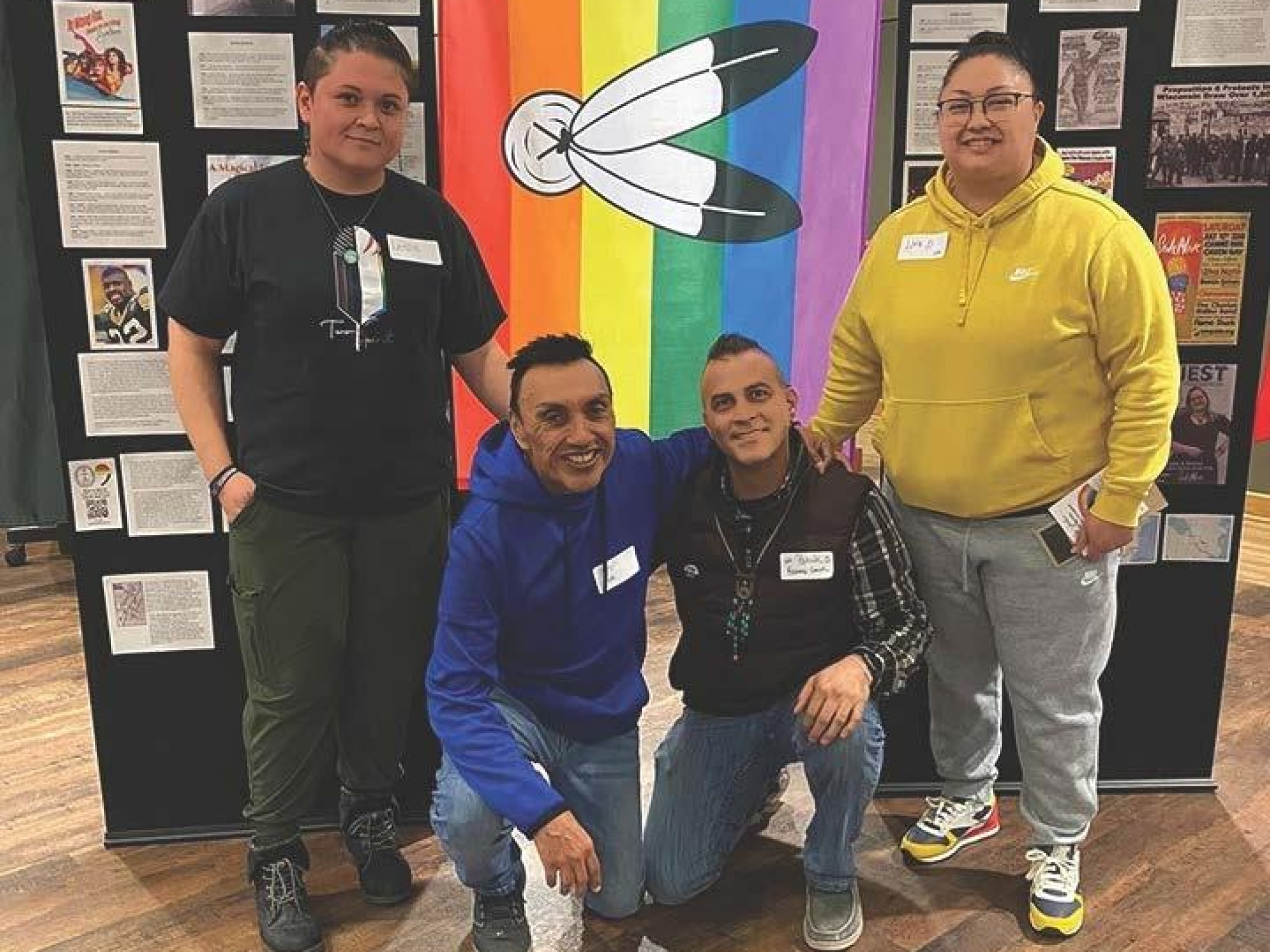
"I was almost in tears at that point," Doxtater said, acknowledging the monumental shift in inclusion within sacred spaces.
What it means to be Two Spirit
While Two Spirit is more increasingly known than ever before, there are still many misconceptions about what it means exactly. Two Spirit does not simply mean “gay,” “lesbian,” “bisexual,” or “transgender.” In fact, there is no simple explanation for the umbrella term, which had multiple interpretations throughout history and across different tribes.
“The term "Indigiqueer" is gaining popularity among urban Indigenous people seeking a connection that doesn't rely entirely on lost ancestral knowledge,” said Leslie.
Still, she believes that true advocacy from the wider LGBTQ community requires creating space for Two Spirit voices. Appropriating Two Spirit identity is not an option. For non-Native people, she offers gentle but firm correction: Two Spirit is absolutely linked to tribal heritage, culture, and specific community roles that non-Natives simply do not possess.
Three years ago, Leslie was hired as the Tribal Action Plan manager. Today, her advocacy has expanded to driving real world change.
When anti-trans health bills were proposed in Wisconsin, Doxtater drove to the hearings, sitting for six hours as one of the few Indigenous people in the room to submit testimony. Back home, she continues pushing the Oneida Nation to implement gender-affirming care policies and tribal inclusivity codes that circumvent federal restrictions to protect Two Spirit health.
“Two Spirit youth have the highest rate of suicide of any youth in America,” said Leslie. “They need to be loved wholly, completely, and unconditionally.”
A gathering of drums
During a casual conversation with Menominee organizer Mindi Thunder, Leslie learned that many states (including Arkansas) hosted a Two Spirit Pow Wow. Wisconsin has never had one before. Leslie saw the opportunity for a historic moment.
She’s spent the past few months organizing the first-ever Wisconsin Two Spirit Pow Wow.
Just two days after proposing the idea at a panel in Milwaukee, an audience member stepped forward to completely fund the rental of the Woodland Bowl in Keshena. She drove to Minneapolis to observe their Two Spirit Pow Wow, secured the venue, sought out a host emcee, and earned supportive sponsorships from Vivent Health, Fair Wisconsin, PFLAG, Oneida Tourism, and others.
The inaugural Wisconsin Two Spirit Pow Wow is scheduled for June 13, 2026, at the Woodland Bowl. It will mark a historic day of gathering, visibility, and healing for Two Spirit people across the region. All are welcome – with or without Indigenous heritage – to learn about history, culture and community.
"I feel like if I didn't do it, nobody else would,” she said. “It’s one of those ‘if not you, then who?’ moments for sure.”
Thanks to Leslie, a generation of Two Spirit youth will never have to stand outside a sacred circle, a parade, or a longhouse and wonder if they belong.

recent blog posts

September 11, 2026 | Amy Luettgen
September 04, 2026 | Amy Luettgen
August 31, 2026 | Noah Johnson
The concept for this web site was envisioned by Don Schwamb in 2003, and over the next 15 years, he was the sole researcher, programmer and primary contributor, bearing all costs for hosting the web site personally.
join our email list
Get WI LGBTQ History Project updates in your inbox.


