Places
Wisconsin LGBTQ History Project Fundraiser
If you appreciate the History Project's work, we hope you'll support the second fundraiser in our 29-year history!
We are a self-funded, independent, all-volunteer, non-profit team -- and we provide most services FREE to the community.
Organizations
Wisconsin LGBTQ History Project Fundraiser
If you appreciate the History Project's work, we hope you'll support the second fundraiser in our 29-year history!
We are a self-funded, independent, all-volunteer, non-profit team -- and we provide most services FREE to the community.
Wisconsin LGBTQ History Project Fundraiser
If you appreciate the History Project's work, we hope you'll support the second fundraiser in our 29-year history!
We are a self-funded, independent, all-volunteer, non-profit team -- and we provide most services FREE to the community.
Across northern Wisconsin, the celebration of Indigenous heritage is a constant negotiation between the truths of the tribal histories -– and the truths the community was allowed to learn and know. As a new generation of culture keepers reclaims heritage long ago lost to cultural colonization and religious conversion, they are bringing ancient customs back to life.
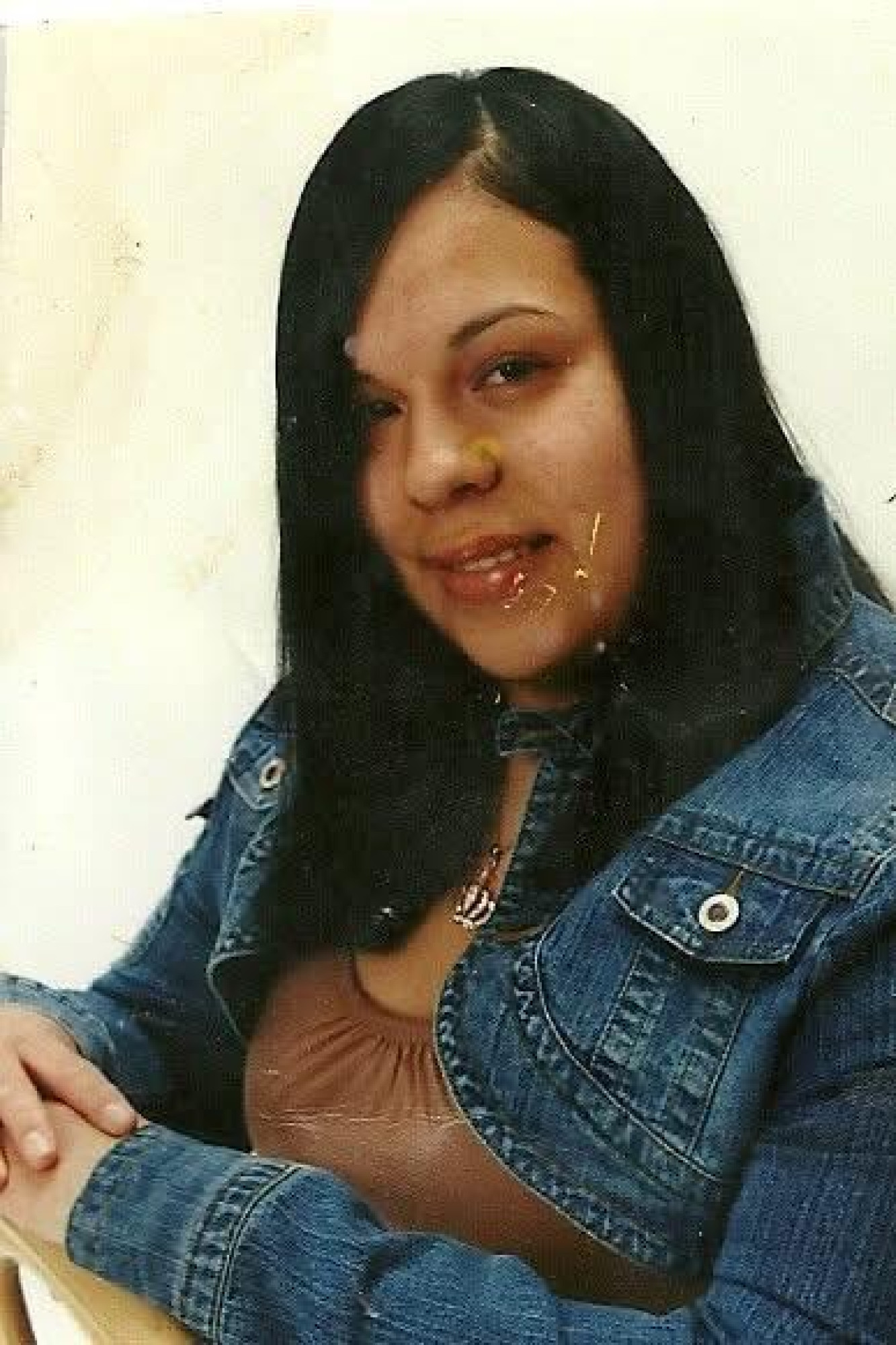
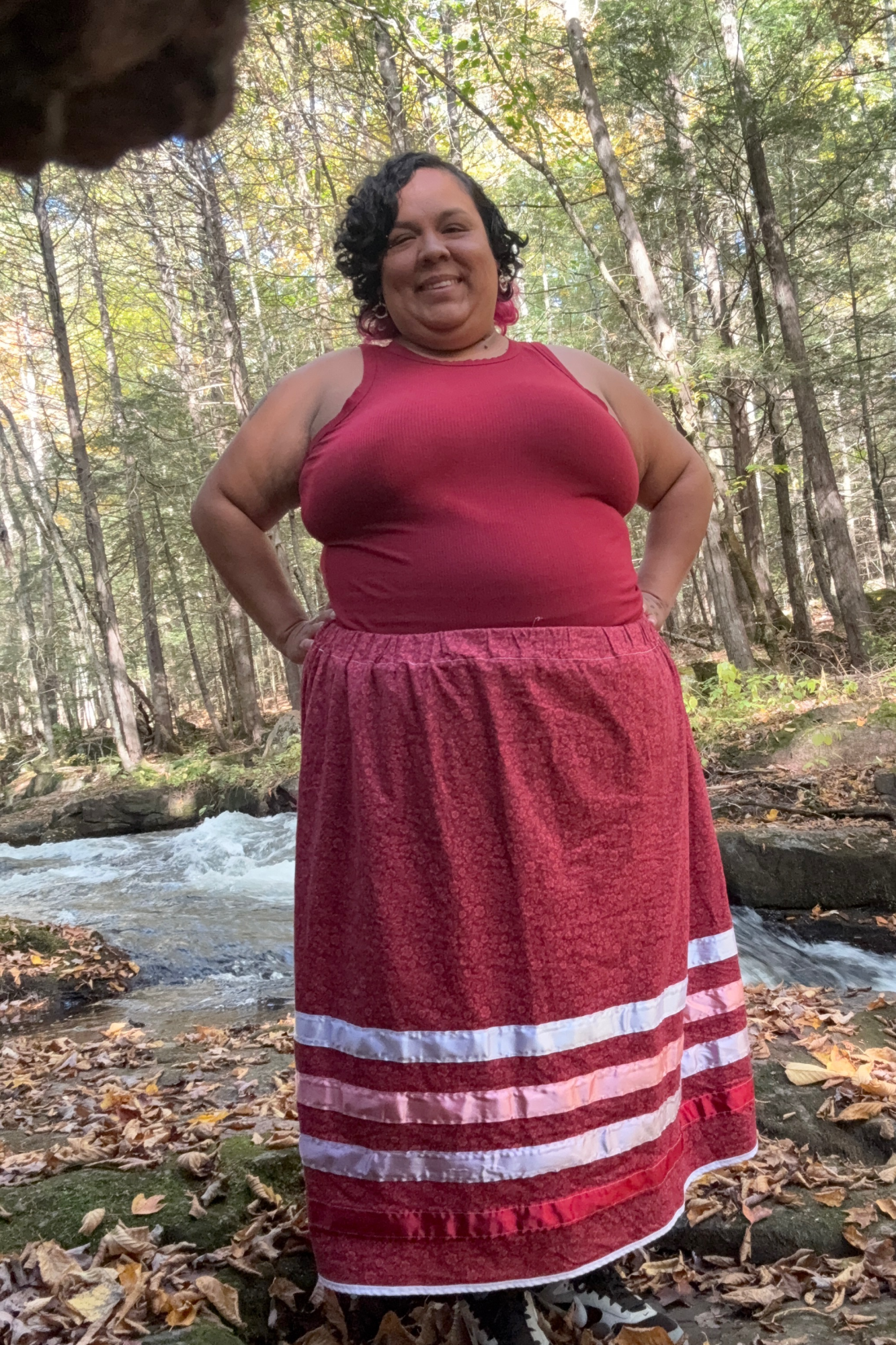
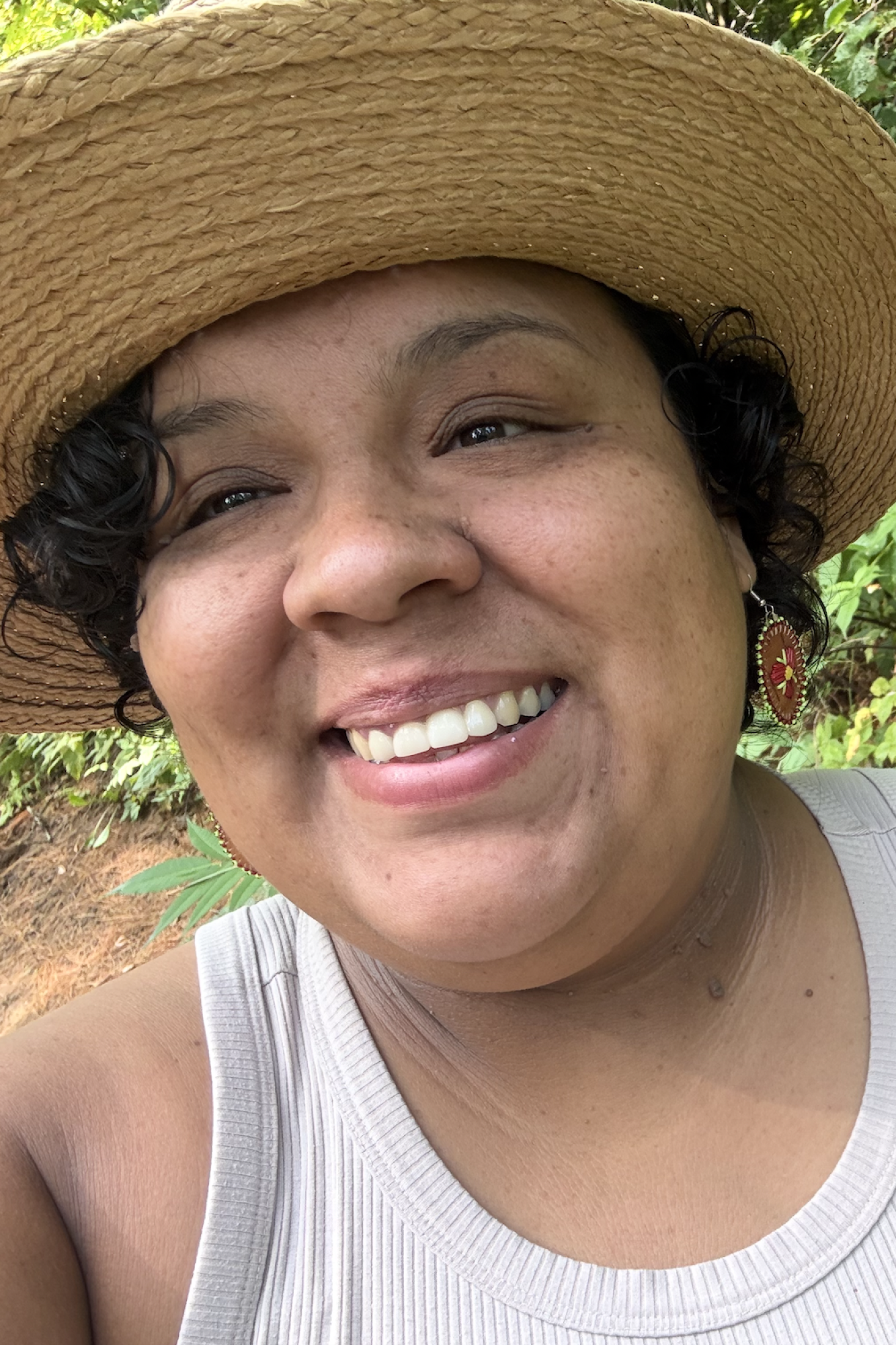
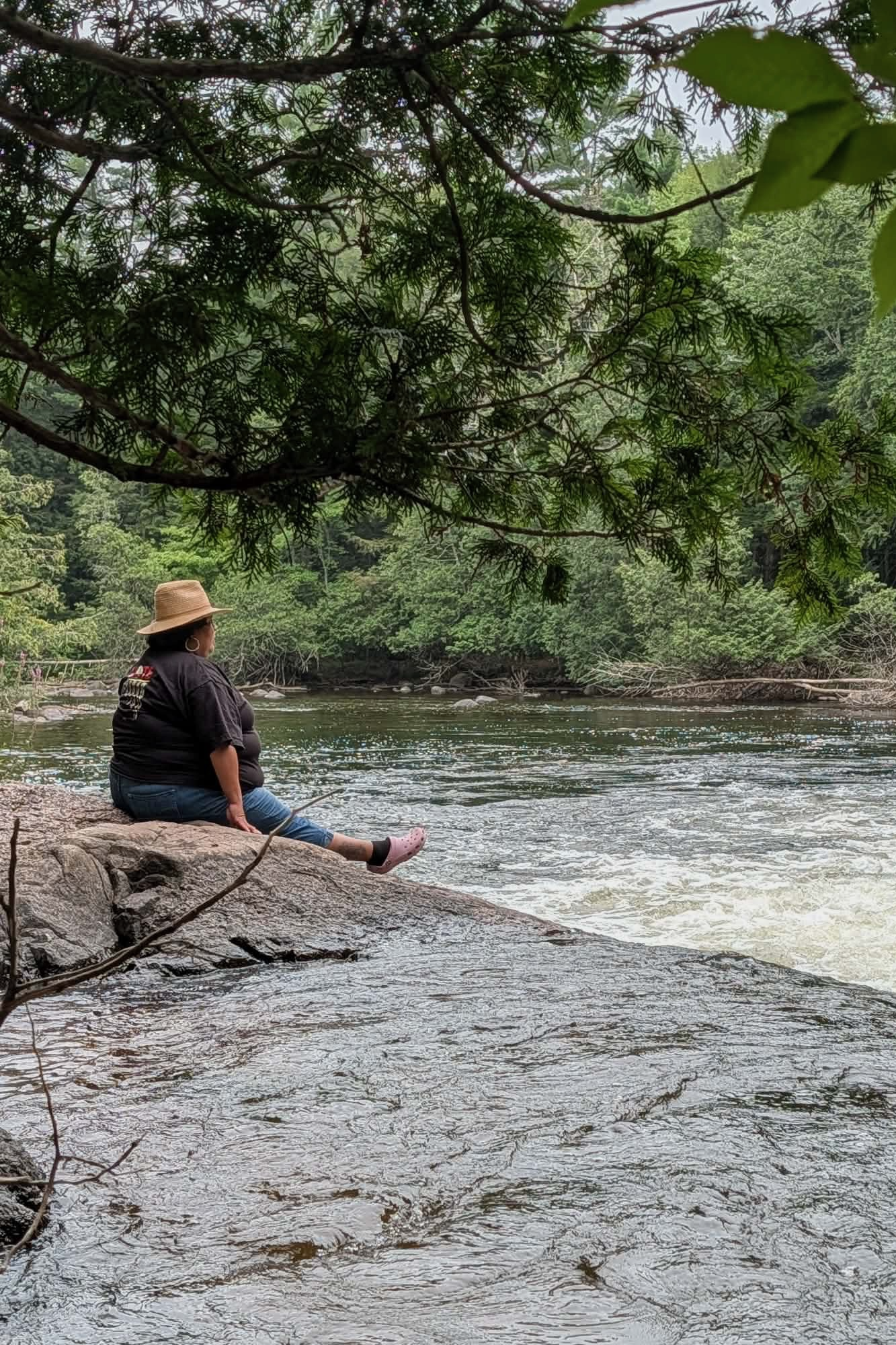
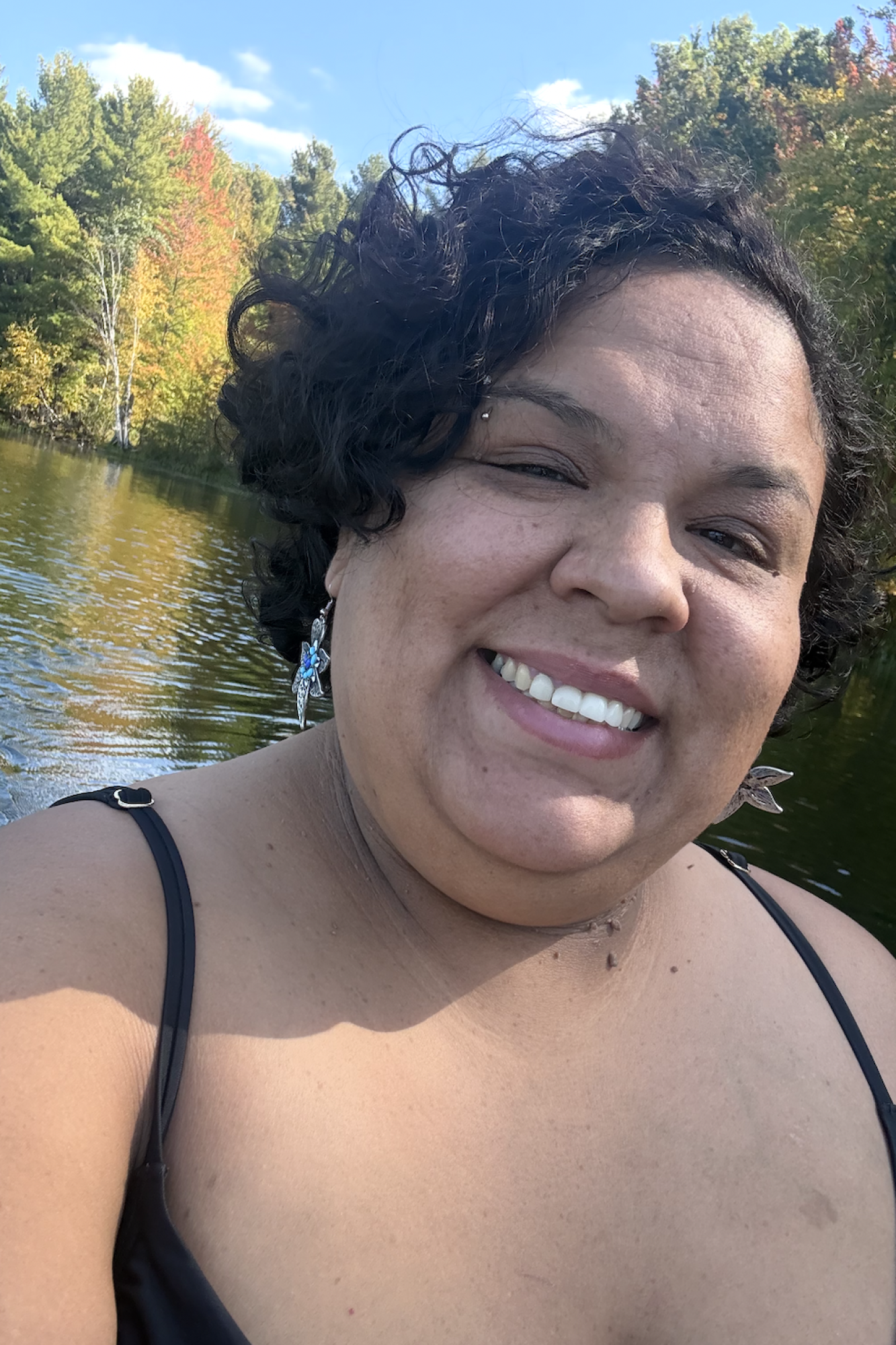
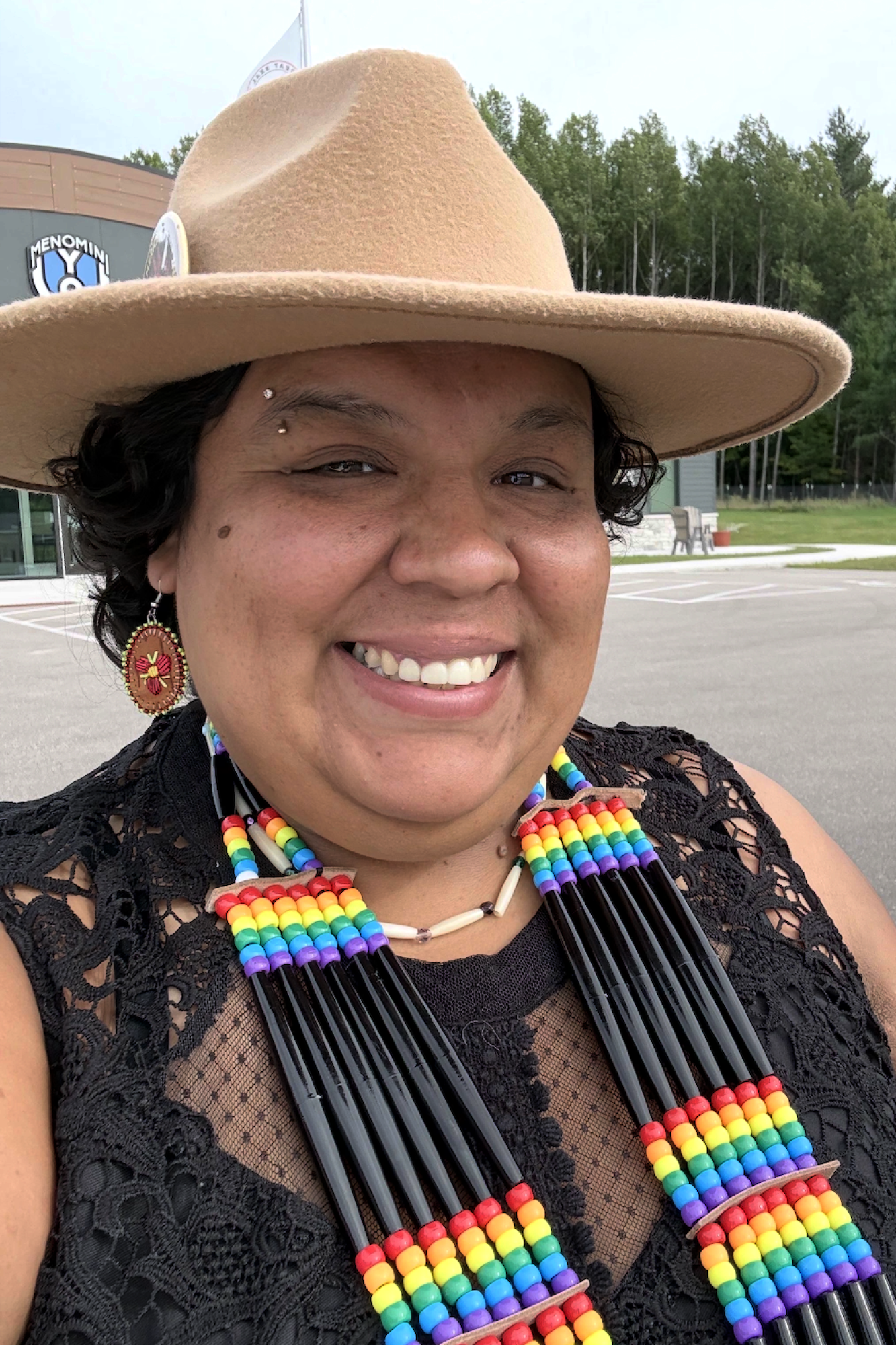
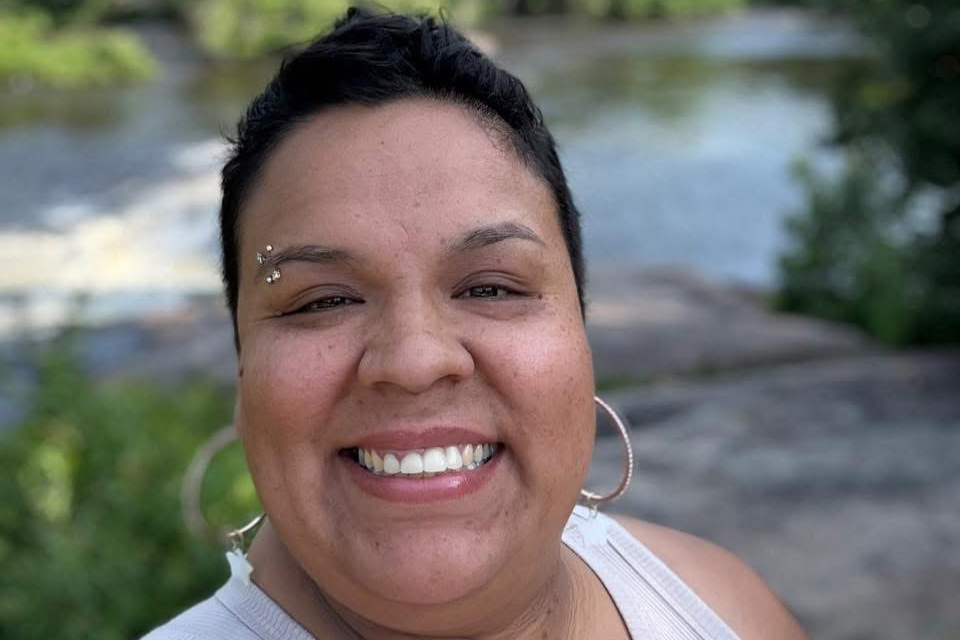
Pen-nah-shea-kiew Mindi Lynn Thunder embodies that spirit of rebirth. At 37 years old, Mindi is a mother, a Two Spirit Menominee, an organizer, and an educator whose work bridges generational history with modern community building. Her story offers an intimate portrait of what it means to survive adversity, reclaim ancestral knowledge, and create safe harbors for those who have spent far too long in the shadows.
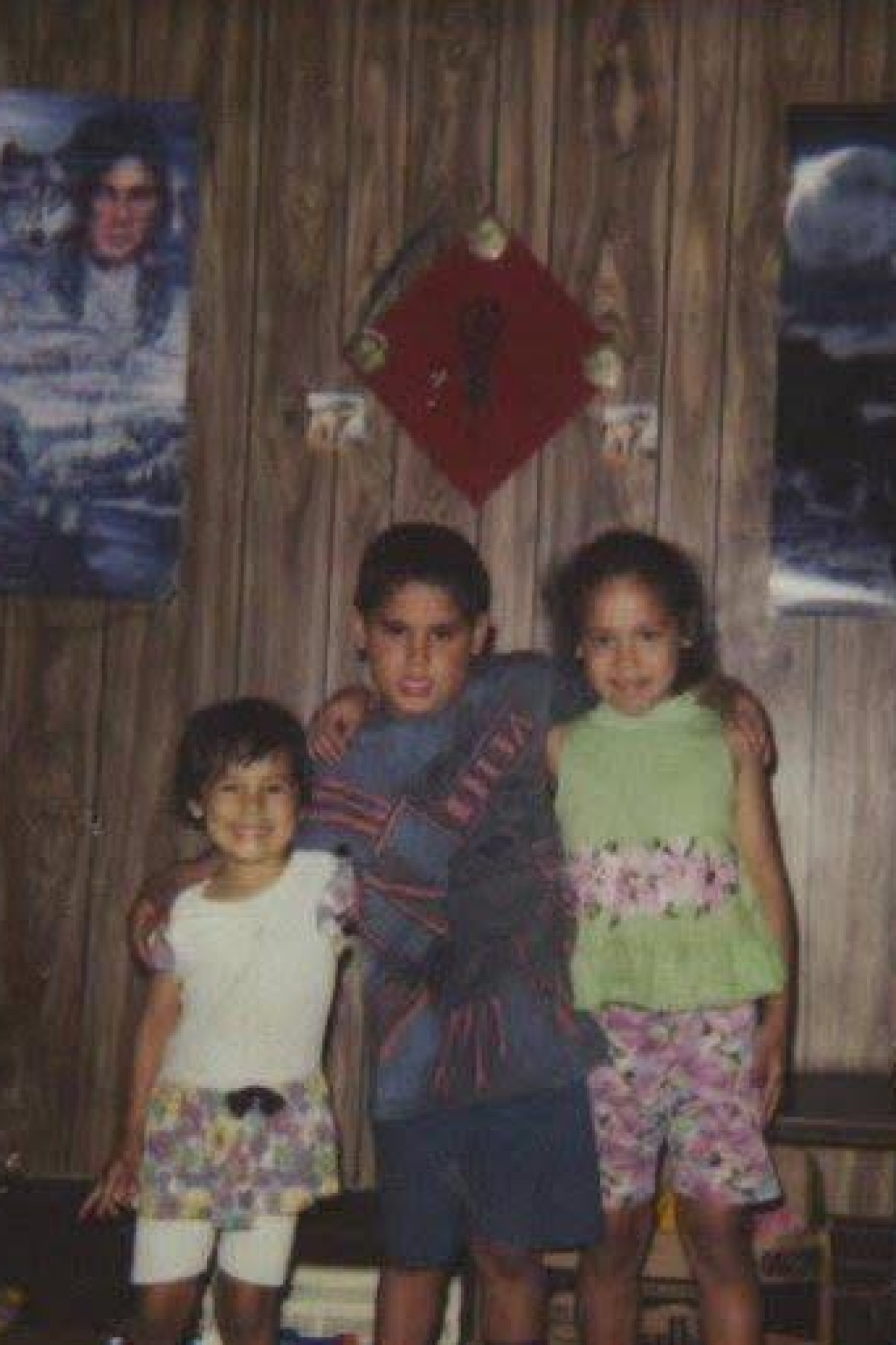
Born in Green Bay, Wisconsin to Menominee parents, Mindi spent her earliest years off the reservation before her family returned to the reservation when she started kindergarten. Ever since, Neopit has been the anchor of her life. few years ago, she established her own home there, raising her daughter on the same soil that shaped her own upbringing.
As the youngest of four children, Mindi grew up navigating the stark realities of rural reservation life. She speaks with candor about the hardships she witnessed as a child: cycles of poverty, addiction, and codependency that left lasting emotional imprints on her community. Growing up in a secluded, small-town environment exposed her to the quieter fractures within her own community, including colorism -- where lighter- and darker-skinned relatives were treated differently -- and the rigid closed-mindedness that can take root in isolated places.
Yet woven directly through those struggles was an extraordinary cultural inheritance. Raised in a deeply traditional family, Mindi attended public school through second grade before transitioning to the tribal school from third through eighth grade. She was placed directly in the care of fluent Menominee language speakers and cultural keepers. While countless Indigenous youth of her generation grew up severed from their heritage, Mindi learned the ancestral language, participated in traditional ceremonies, and harvested wild rice on the lakes.
It was not until she grew older and met peers from other communities (including friends who attended off-reservation boarding schools like those in North Dakota) that she realized how rare and magical her upbringing truly was. Having direct access to elders, ceremonies, and her mother tongue gave her an unshakable foundation for a healthy and whole life.
Navigating self-discovery as a young person in northern Wisconsin during the late 1990s and early 2000s came with its own quiet obstacles. Mainstream television and music culture offered no reflections of Native youth or queer Indigenous people. On school playgrounds, words like "gay" were routinely tossed around as casual insults.
Inside Mindi’s family, however, love was the rule. She grew up with a lesbian aunt who was both openly out and openly accepted. Seeing this unconditional acceptance was important for Mindi. No matter who she was, she knew she would be safe with her family.
Through high school, Mindi’s friends were always crazy for boys – but she had no real interest in having a boyfriend of her own.
“I felt like I was supposed to like boys,” said Mindi, “but I just really wasn’t into them.”
By her early 20s, Mindi began recognizing her attraction to women. For a time, she felt the familiar social pressure to “pick a side” -- to define herself strictly one way or the other -- before eventually embracing her bisexuality on her own terms.
When she finally shared her truth with her family, there was no dramatic confrontation or fear of rejection. Their response was warm and unbothered.
“They said, ‘we’ve known this all along, we were just waiting for you to figure it out,” said Mindi.
Today, Mindi approaches labels and pronouns with a grounded, live-and-let-live ease. She does not care which pronouns people use for her, nor does she feel compelled to squeeze her identity into comfortable categories. While she recognizes that specific labels hold deep, necessary meaning for others, she believes human connection works best when compassion takes precedence over rigid definitions.
“I am still figuring out who I am in my life,” said Mindi. “It took years to grow into my confidence. My early years were impacted by addiction, promiscuity, and a lack of self-love. I've been in recovery for 7 years now, and I am helping other community members find recovery as well, through peer support and recovery coaching.”
Even when reflecting on experiences outside her own -- such as those of transgender relatives -- she leads with empathy, affirming that life becomes infinitely lighter when people simply understand and appreciate one another as humans..
Mindi had never heard anyone mention “Two Spirit” identity until the past decade. Since learning about this modern, pan-Indigenous term and the role of the Two Spirit within ancient Menominee society, Mindi feels like she’s experienced a profound transformation.
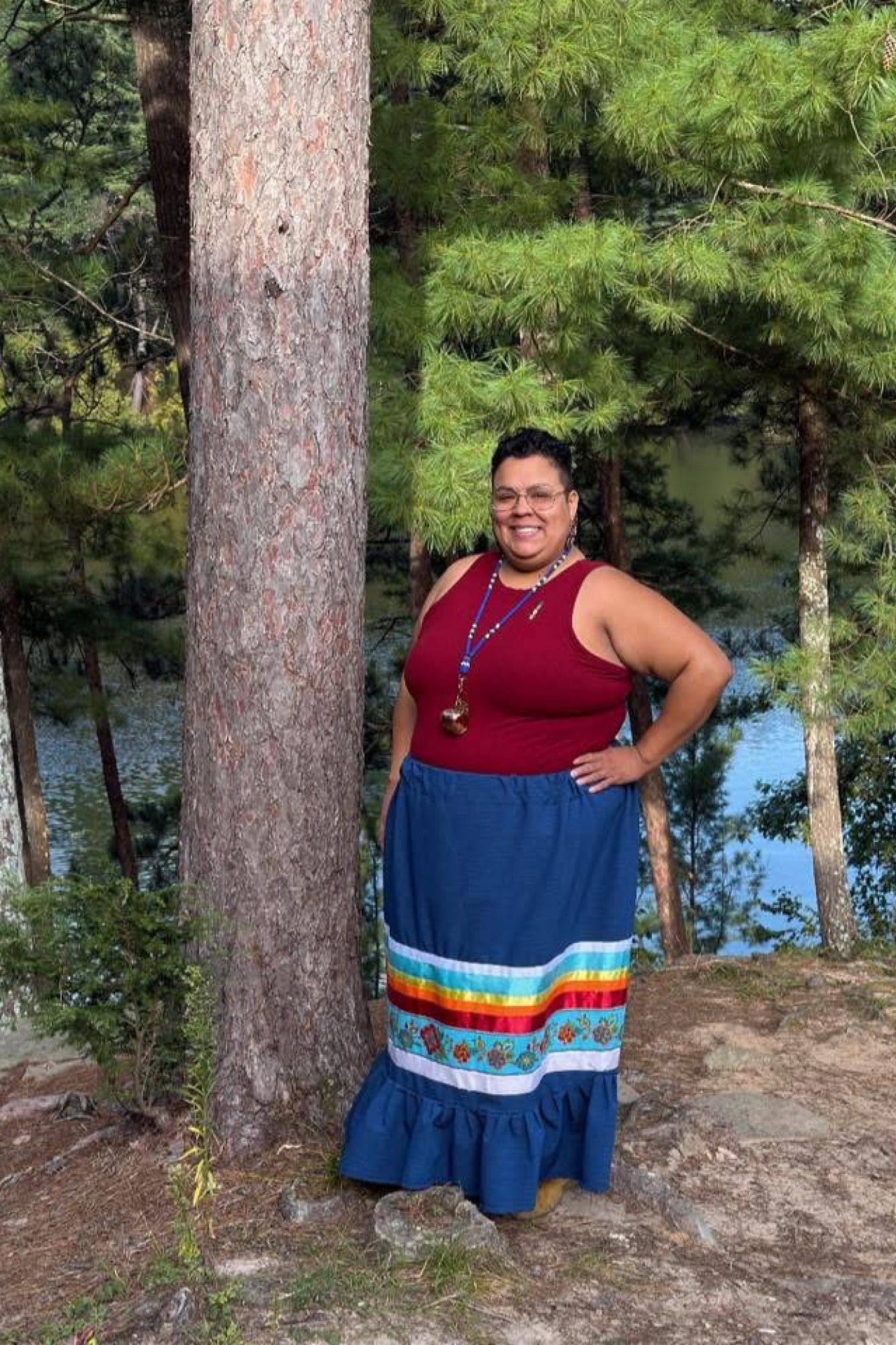
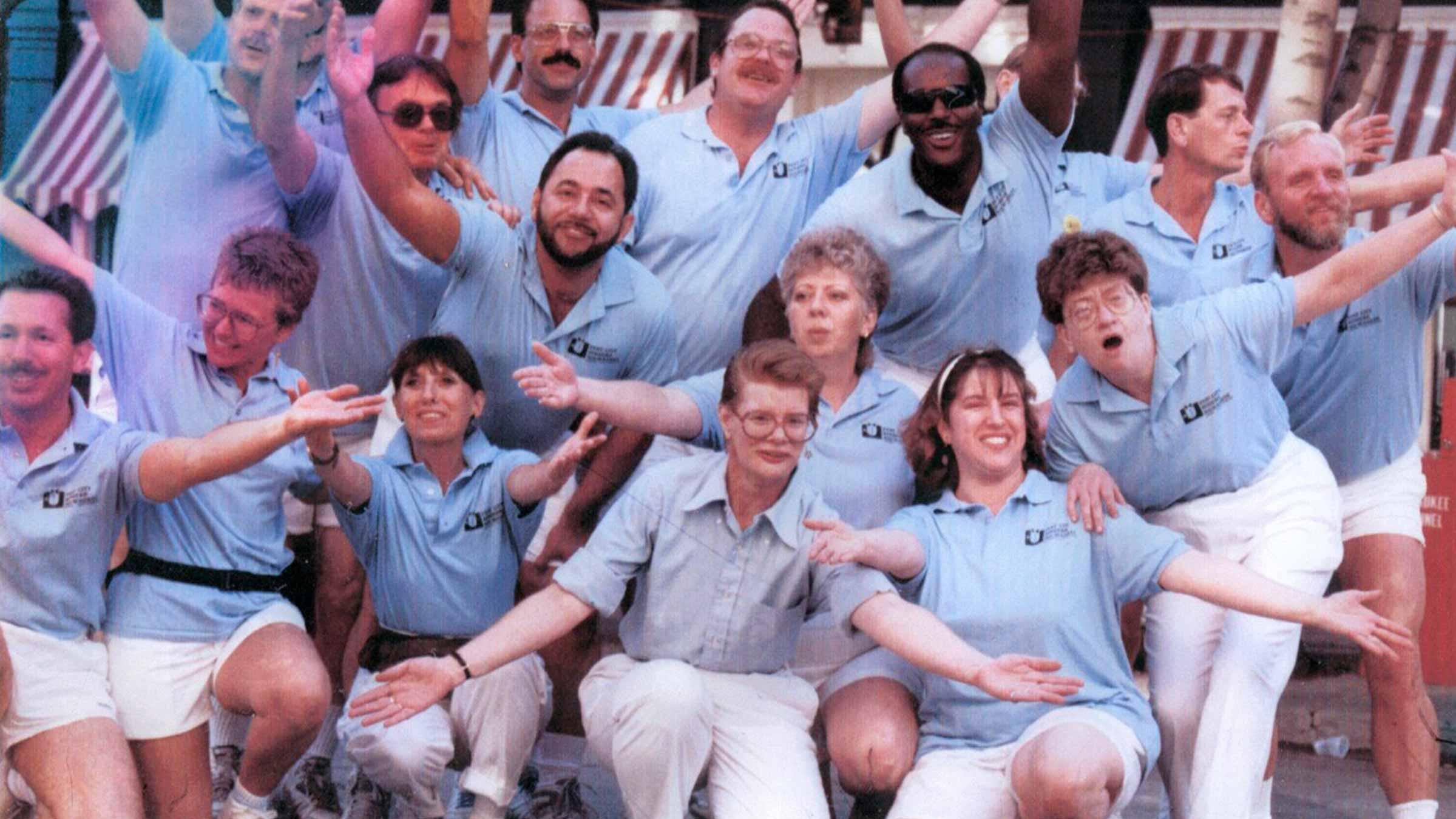
In August 2026, she began working at Menomini yoU, the tribe’s dedicated language revitalization campus in Keshena. Stepping onto that campus meant stepping up another level in her journey of self-discovery. Learning the Menominee language is far more than memorizing vocabulary; it is an immersion into an entire ancestral way of living.
“I am extremely grateful for the daily work at MenominiYou because it is opening up my eyes even more to the beauty that our home has,” said Mindi. “Visiting different places throughout the land and learning the history. Knowing that our ancestors fought for us gives me strength to continue to do this work for future generations.”
As she researches her family tree, traces her clan lineage, and uncovers the origins of her traditional name, she is simultaneously learning how her ancestors understood gender and community roles long before colonization imposed Western binaries.
Historically, Two Spirit relatives held vital, respected places within Indigenous nations precisely because they carried and balanced both masculine and feminine energies, stepping fluidly into whatever roles their families and communities needed. Uncovering that history has allowed Mindi to see her place in the world as a continuation of an ancient, honored tradition.
At the same time, Mindi is fiercely protective of Indigenous cultural boundaries. Through community trainings and lived experience, she has grappled with the painful reality of non-Native people claiming Two Spirit identity or replicating sacred Native medicines and regalia. She recognizes the important distinction between cultural appropriation -- when outsiders take or claim sacred traditions that do not belong to them -- and cultural appreciation, such as respectfully purchasing beadwork or art directly from Native creators and showing up as genuine allies.
“To me, authentic allyship is sitting at tables and having the difficult conversations in places that we usually wouldn't be at,” said Mindi. “It means taking the hits on the front lines to make a better tomorrow. It means being respectful not to cross boundaries and never claim something you are not.”
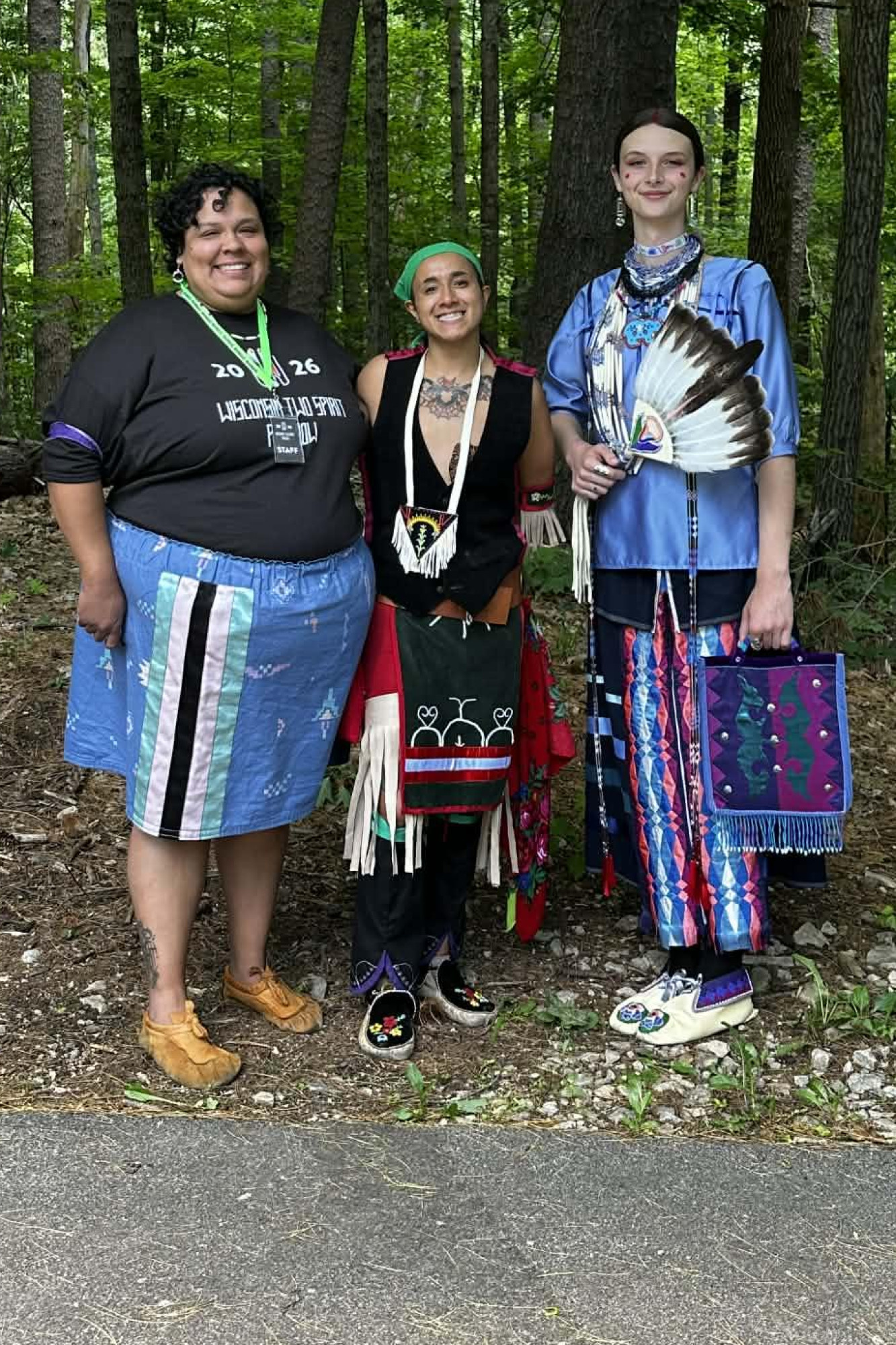
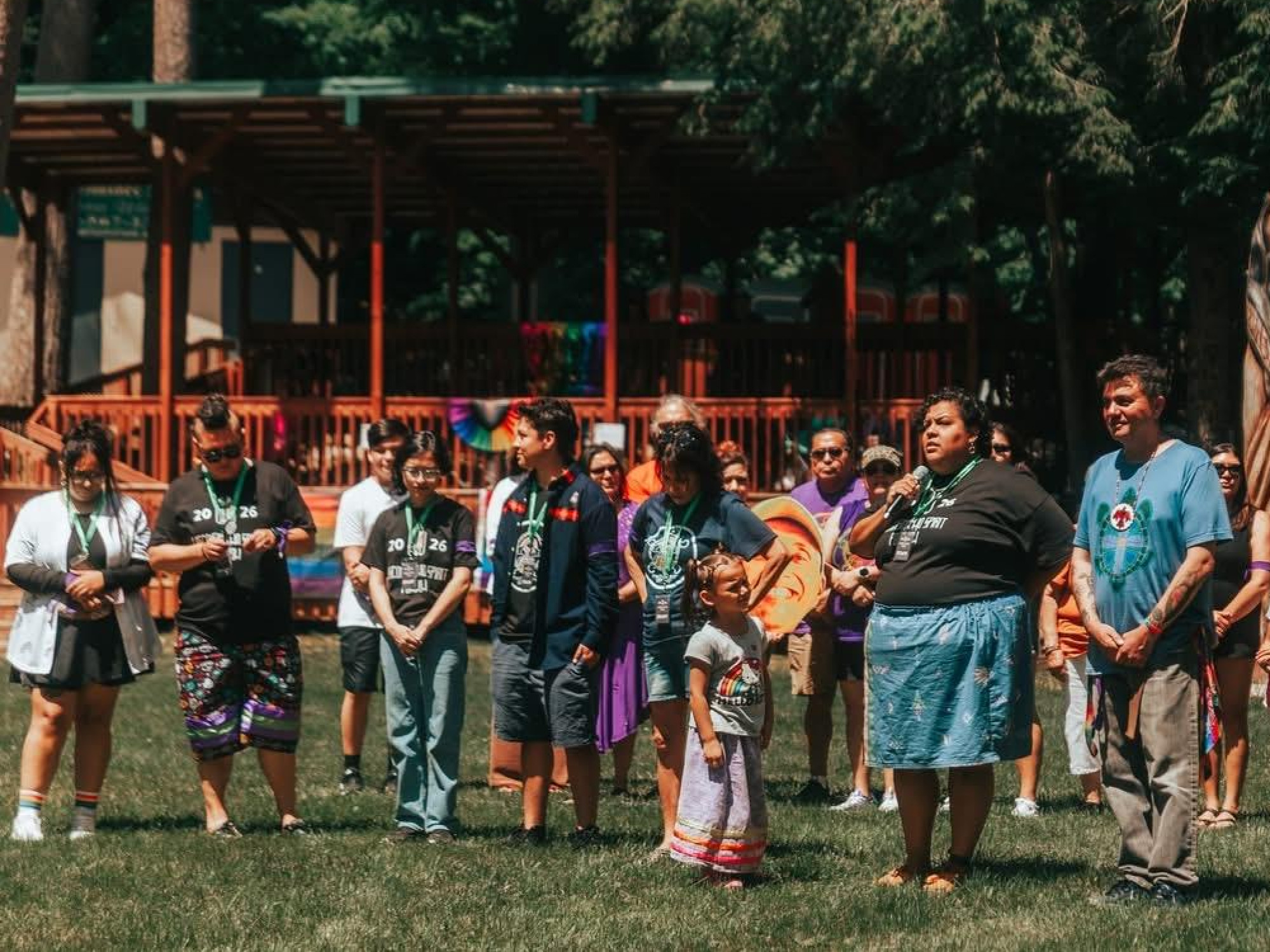
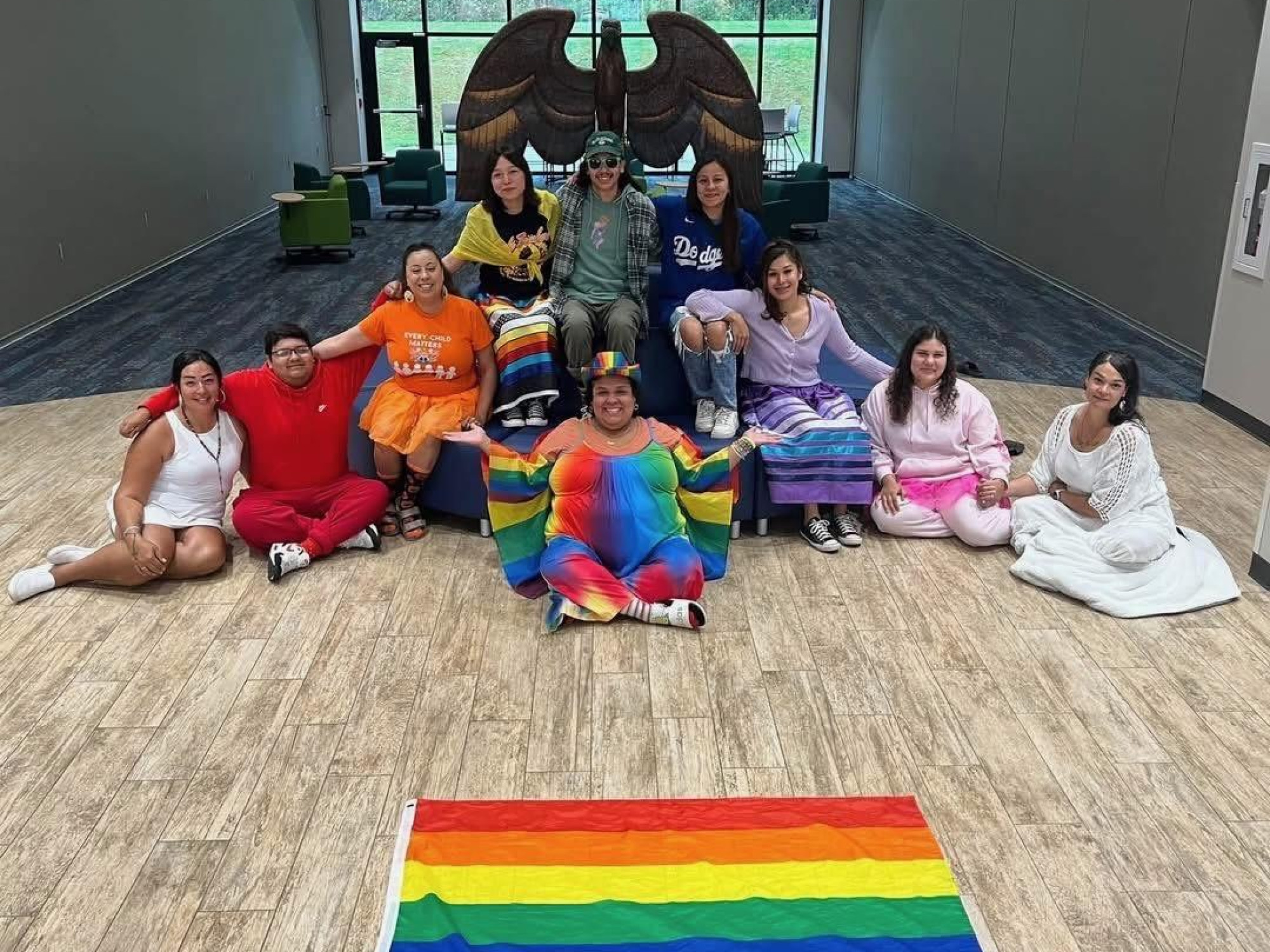
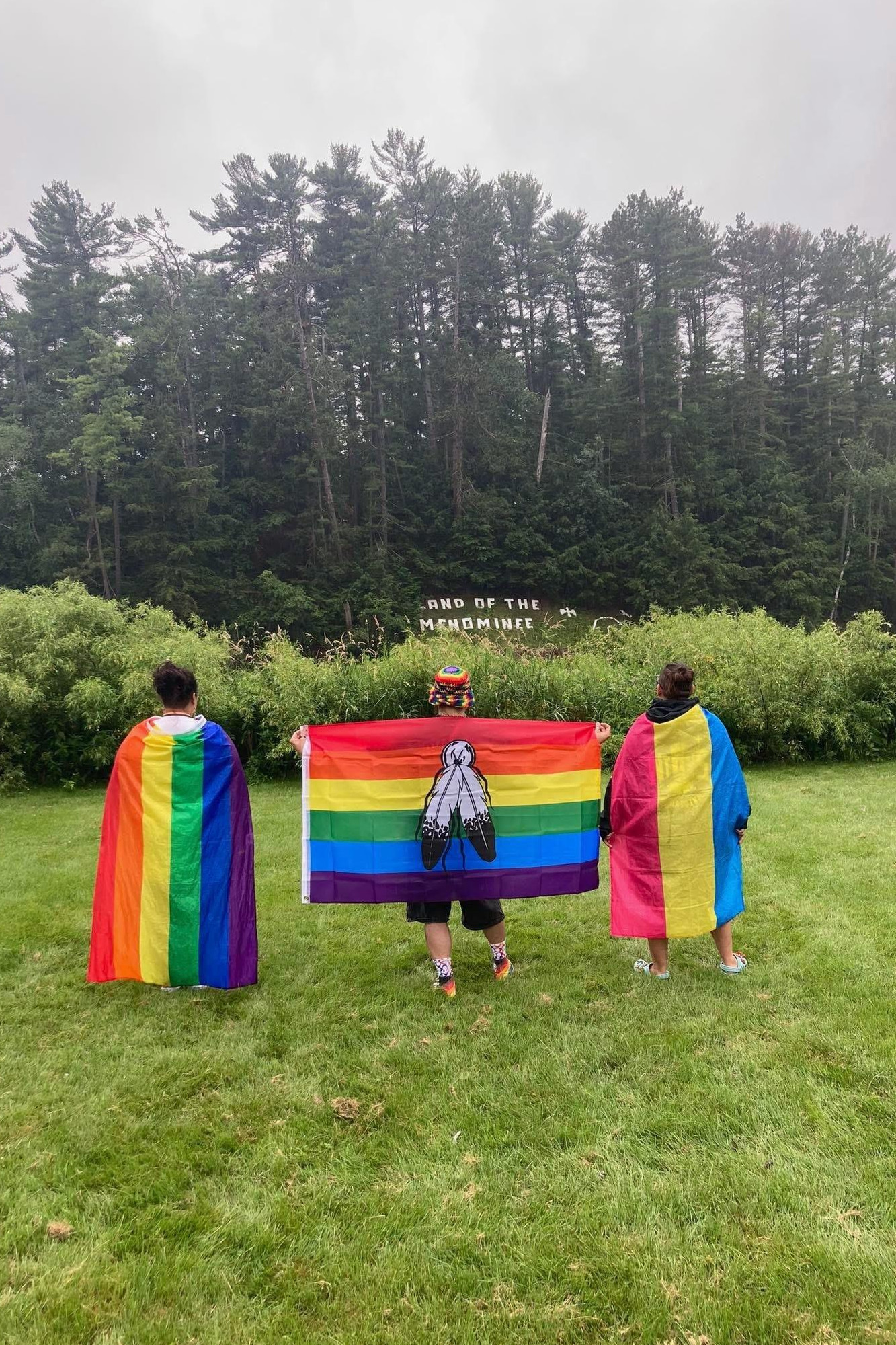
Mindi’s commitment to her community extends far beyond the classroom. Inspired by close friends and mentors (including Patrick Firgens, Leslie Doxtator, and Jim LaRock,) she has helped organize pride celebrations in the local community, and played an instrumental role in bringing Wisconsin’s first-ever Two Spirit Pow Wow to life at the Woodland Bowl in Menominee.
More than a thousand people gathered for the historic event. Unlike traditional Pow Wows centered around high-stakes dance competitions, the Two Spirit Pow Wow was intentionally laid-back, joyful, and deeply affirming. Attendees of all backgrounds danced, shared their chosen pronouns openly, and experienced a rare sense of collective belonging.
One of Mindi’s favorite memories from the day happened during the grand entry honor song recognizing elder Joseph Torres, his family, and the TwoSpirit community. Looking up into the crowd, Mindi noticed several non-Native LGBTQ allies hanging back in the bleachers out of respect for the sacred space. Wanting them to feel welcomed rather than excluded, she ran straight to the announcer’s stand to make sure the rest of the LGBTQ community knew they were welcomed onto the grounds.
Watching hundreds of allies step forward to join the circle in mutual respect remains one of her proudest moments.
“The Pow Wow really taught me that it’s okay to ask for and accept help,” said Mindi. “There are plenty of helping hands available -- all they ask is for someone to reach out. I also learned to continue forward with good intentions. When we lead with good intentions, things always work out.”
With plans already underway to expand the gathering to tribes across Wisconsin, Mindi’s vision reaches well beyond a single weekend. Because she was fortunate enough to grow up in a family that never forced her to hide who she was, she feels a deep responsibility to become that safe harbor for others: for the teenager on the reservation who feels entirely alone, and for the elder who spent decades unable to speak aloud who they love.
When Mindi looks toward the year ahead, her dreams are noble. While she is eager to watch the Two Spirit Pow Wow grow across Wisconsin, her deeper hope is for a future where coming out is no longer necessary: a world where Two Spirit or queer people are seen, known and respected for who they are. Though she knows dismantling generations of colonized stigma takes time, she sees steady progress compared to 10-20 years ago.
Through every challenge, Mindi carries a piece of wisdom her friend Patrick shared with her years ago. These words always steady her whenever self-doubt creeps in.
"If you stand in your truth, nobody can use anything against you."
Surrounded by the forests of Neopit, her family, her cultural traditions, and an ever-growing Indigenous, Two Spirit and queer community, Mindi continues to live by those words. She stands tall in her truth – and makes sure the next generation knows they are safe to do the same.
“You don't have to fit into any sort of box. The right people will love you for you.”
The concept for this web site was envisioned by Don Schwamb in 2003. Over the next 15 years, he was the sole researcher, programmer and primary contributor.
If you would like to contribute as a blog writer please contact us.
recent blog posts
November 09, 2026 | Michail Takach
November 02, 2026 | Michail Takach
Christopher Peguero: bridging roots, resistance, and reconciliation
October 23, 2026 | Ricardo W. Harris
The concept for this web site was envisioned by Don Schwamb in 2003, and over the next 15 years, he was the sole researcher, programmer and primary contributor, bearing all costs for hosting the web site personally.
This work is licensed under a Creative Commons Attribution-NonCommercial-ShareAlike 4.0 International License.
© 2026 Wisconsin LGBTQ History Project. All Rights Reserved.