
- Places
 October 23, 2026 | Ricardo W. Harris
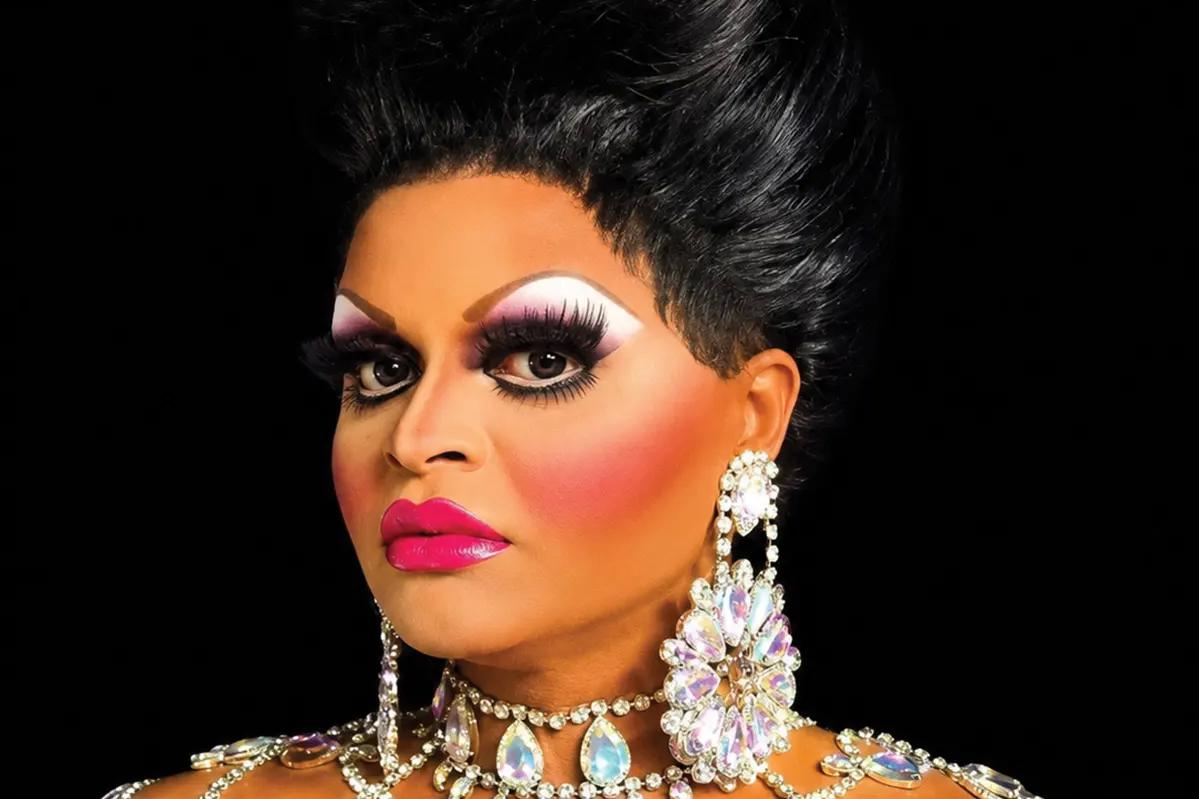
Betty Boop: building a local legacy of love and magic
For over 20 years, Omar “Betty Boop” Pomales has united Milwaukee through drag, mentorship, and service.
Betty Boop (aka Omar Pomales)Omar Pomales grew up in Milwaukee in a close-knit Puerto Rican family. Even as a child, there were signs of the artist he would become. He loved dressing well and sometimes placed a flower behind his ear.
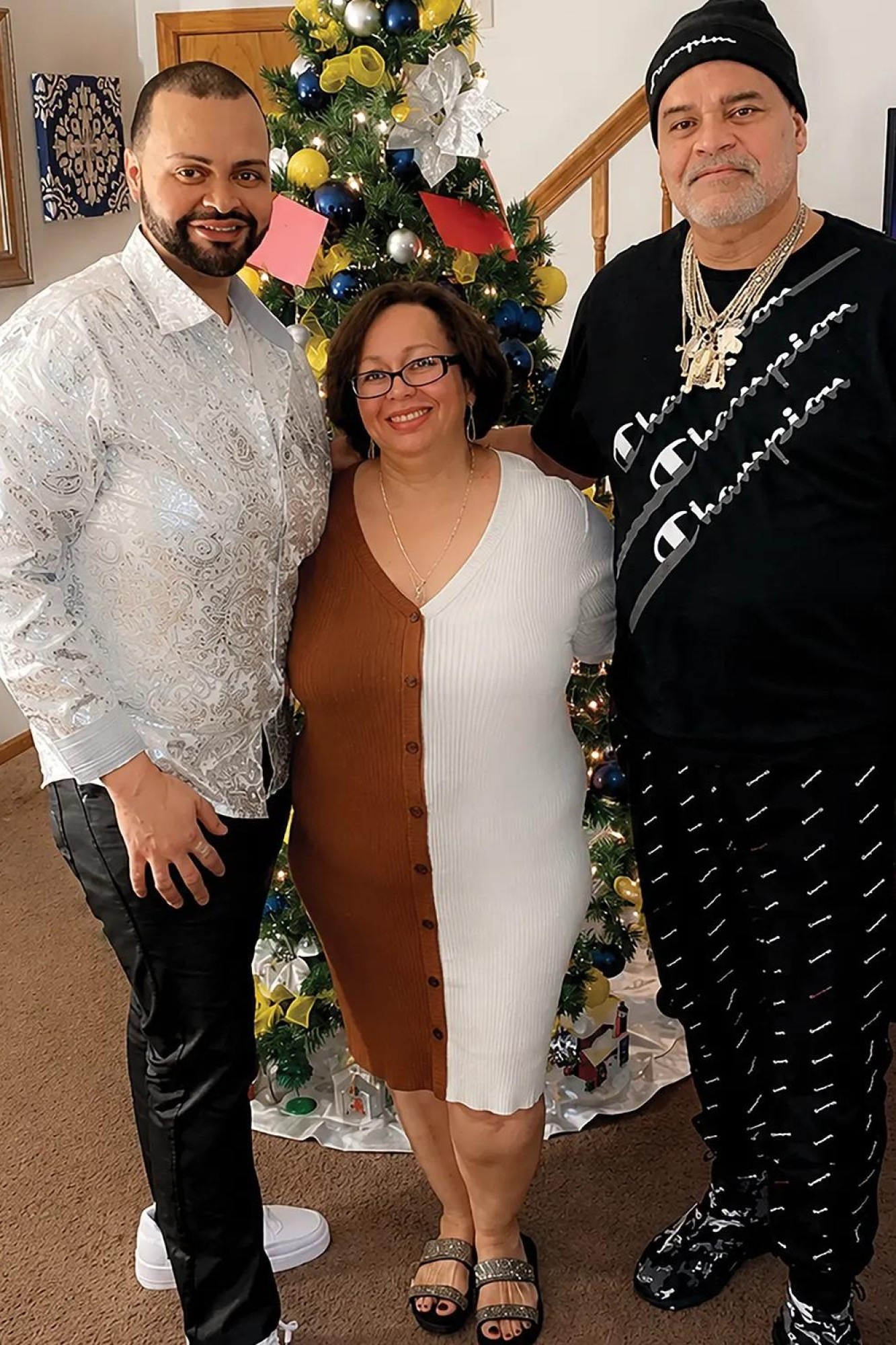
At 15, he came out to his sister. When she told their parents, their response was simple: They already knew and had only been waiting for him to be ready.
“I grew up with a family that loved me and supported me,” he said.
Many people in Milwaukee’s LGBTQ community came to know that generosity. His parents became affectionately known as “Mami” and “Papi,” welcoming entertainers, recording performances, and supporting their son and his extended community.
The journey toward becoming Betty Boop began around 2000, when Omar decided to attend PrideFest in drag. A friend with television and makeup experience helped create his first look. They went shopping, assembled an outfit, and added heels.
Soon afterward, Omar began exploring Milwaukee’s nightlife. At 219, a well-known LGBTQ gathering place, he saw the performers and immediately felt inspired.
“I want to be one of those girls,” he remembered thinking. “I want to be known.”
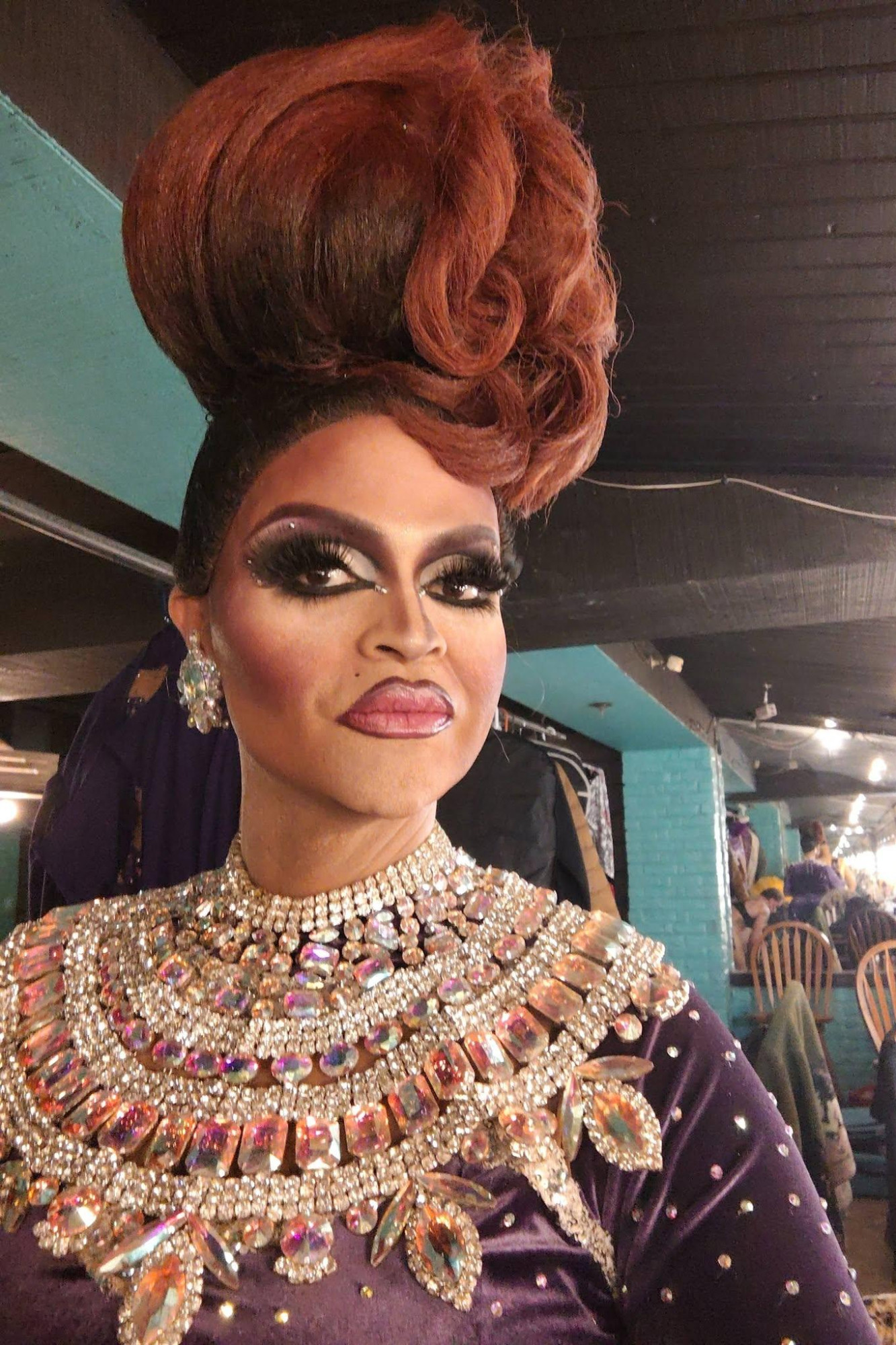
Omar began studying drag, meeting entertainers, and learning how to present himself onstage. His first pageant came in 2006, and competitions eventually took him to Texas, Florida, and venues across the country. Betty became known for polished performances and a signature eye expression audiences immediately recognized.
One relationship, however, helped transform Betty from an aspiring performer into an established entertainer.
Omar first encountered Dominique Mahon at Mona’s, another legendary Milwaukee LGBTQ venue. He entered with his parents while Dominique was hosting. Although they had never met and she had never seen him perform, Dominique pointed him out and declared, “That’s my daughter right there.”
From that day forward, Omar became her drag daughter.
Dominique introduced him to people, brought him to events, encouraged him to enter pageants, and taught him how to strengthen his presentation. She expected excellence from head to toe and pushed him to refresh garments instead of repeatedly presenting the same look.
“She made me a stronger person, a stronger drag queen, and a stronger entertainer,” Omar said.
Dominique also taught him the importance of helping others and building a chosen family. Her mentorship inspired Betty to become a mentor herself. Over the years, she helped younger performers develop confidence and pursue their careers. Some achieved national recognition, but Betty’s greatest pride comes from knowing they built meaningful lives.
“Without her, I wouldn’t be Betty Boop,” Omar said.
Betty eventually earned 21 pageant titles, but Miss Gay Wisconsin remains especially meaningful because it took multiple attempts to win. She could have accepted consolation, but she wanted to earn the crown.
The victory was proof that persistence could pay off. Betty tied for the interview category that night—a major achievement for someone who once struggled to speak openly and approach new people.
“Don’t be afraid to talk to people,” he said. “Let them know who you are.”
Winning increased Betty’s visibility, but it also reinforced a lesson she carried throughout her career: Recognition matters most when it is earned and used to uplift others.
During parts of Betty’s career, Milwaukee’s nightlife could feel divided by geography, race, culture, and language. People spoke of the north and south sides as separate communities. As a Latino entertainer whose first language was Spanish, Omar understood the uncertainty performers experienced when entering unfamiliar spaces.
Rather than remaining within one part of the community, he crossed those boundaries and encouraged other Latino performers to join him.
“Let’s go, girls,” he would tell them. “Don’t be afraid.”
Some spoke little English, but they entered pageants, attended events, and built relationships alongside him. Communities that had often operated separately began gathering more frequently. Omar helped create unity simply by showing up, introducing people, and reminding them they belonged in the same rooms.
“We were one,” he said. “I’m proud of helping create one big happy family.”
Omar’s contributions extend far beyond performance. He has mentored younger community members, created costumes for entertainers, and supported organizations serving LGBTQ people.
One of his most meaningful experiences involved Courage MKE, now Courage+. Rather than merely lending his name, Omar helped build part of the organization’s space, working on the kitchen and placing tile on the walls.
When he passes the building, he remembers that his hands helped create something that will remain for future generations.
“Years from now, I can say I helped build that,” he said.
One of the most vulnerable chapters of Omar’s life has been living with HIV. For years, he kept his diagnosis private, fearing how disclosure might change how others saw him.
Nearly 18 years ago, a life-threatening health crisis became a turning point. Hospitalized for several weeks, he confronted his diagnosis and the possibility that his life could end. Above all, he remembered his mother’s face. He realized he was not ready to leave her behind.
“Why wasn’t I willing to live my life by taking one little pill a day?” he asked himself.
Omar chose life, embraced treatment, and began moving forward with hope instead of fear. With encouragement from a close friend, he eventually spoke publicly about living with HIV. What had once felt like a burden became a source of strength.
Many people were surprised to learn he had lived with HIV for nearly 18 years. By sharing his story, he created space for others to approach him with their fears, questions, and experiences.
Today, Omar is undetectable and living a full, healthy life.
Audiences saw the finished image: makeup, garments, confidence, and performance. They did not always see what came afterward.
Years of drag took a physical toll. Omar experienced pain in his legs and throughout his body, eventually reaching a point when performing regularly was no longer sustainable.
“Being Betty Boop took a lot,” he said.
Stepping back was difficult. Omar knew audiences wanted to see Betty, and he wanted to give them that joy. For years, he endured the pain. Eventually, he had to prioritize his health.
Although he no longer performs regularly, Omar continues contributing through mentoring, support, and costume design.
“I’m still out there on the stage showing my art whenever someone else is wearing one of my creations,” he said.
Costume design remains an important expression of his artistry. His creations carry a recognizable signature, and community members often know when a garment was made by Betty.
One phrase runs throughout Omar’s story: “Be humble.”
For him, humility means treating people kindly, offering help, and refusing to let success become arrogance. It means helping someone even when the relationship is difficult, showing respect when personalities clash, and remembering that everyone deserves care.
“People will remember you for that,” he said. “Just be nice to people.”
His advice to younger performers reflects the same philosophy: Stay focused. Avoid jealousy. Do not lose yourself trying to fit into a changing drag culture. Help others. Remain authentic.
Drag may look different than it did when Betty began, but Omar believes character will always matter.
“Never change,” he said. “Be you.”
His final message is as direct as the values that have guided his life: Take care of yourself. Help others. Be humble. Above all, be happy.
 Betty Boop
 The Pomales family
 Omar was honored with a BeSeen Award in October 2026

recent blog posts
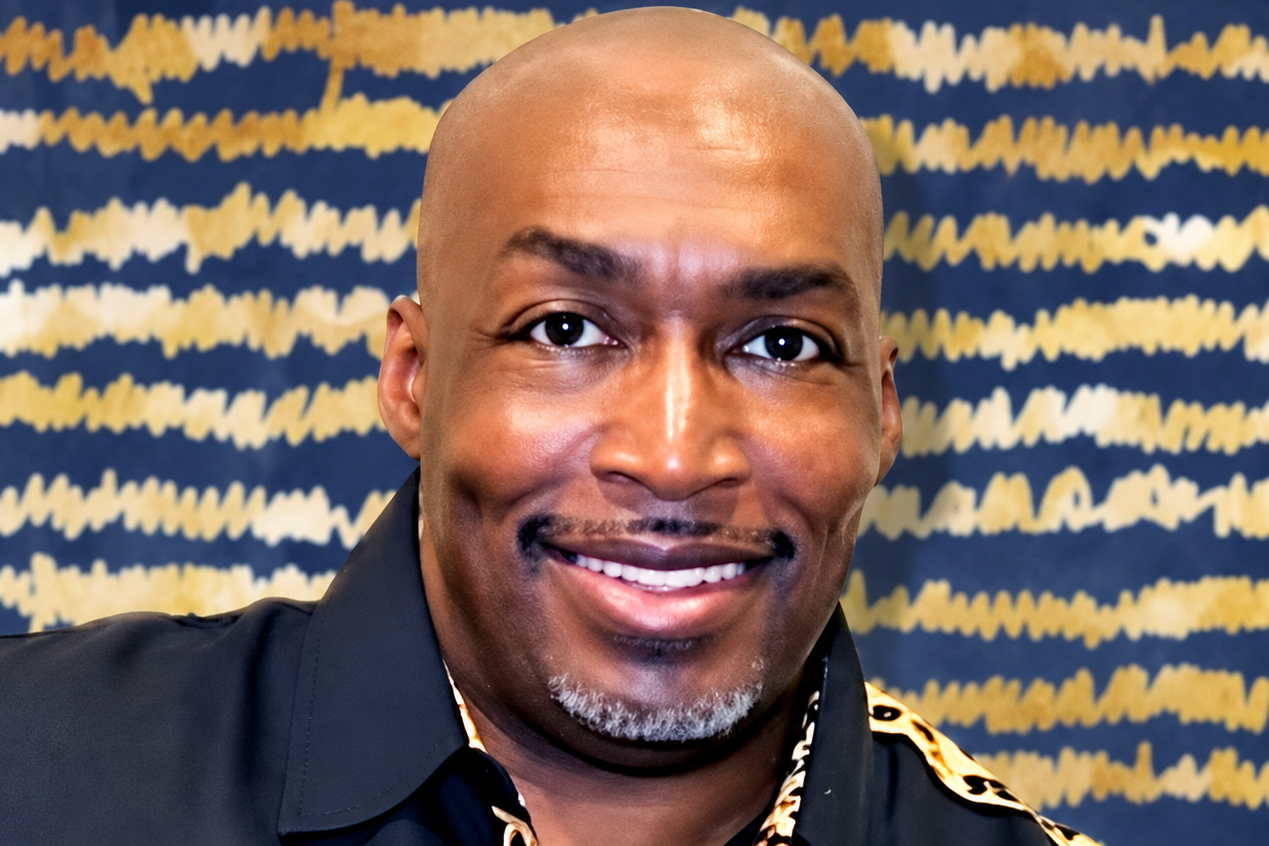
October 23, 2026 | Ricardo W. Harris
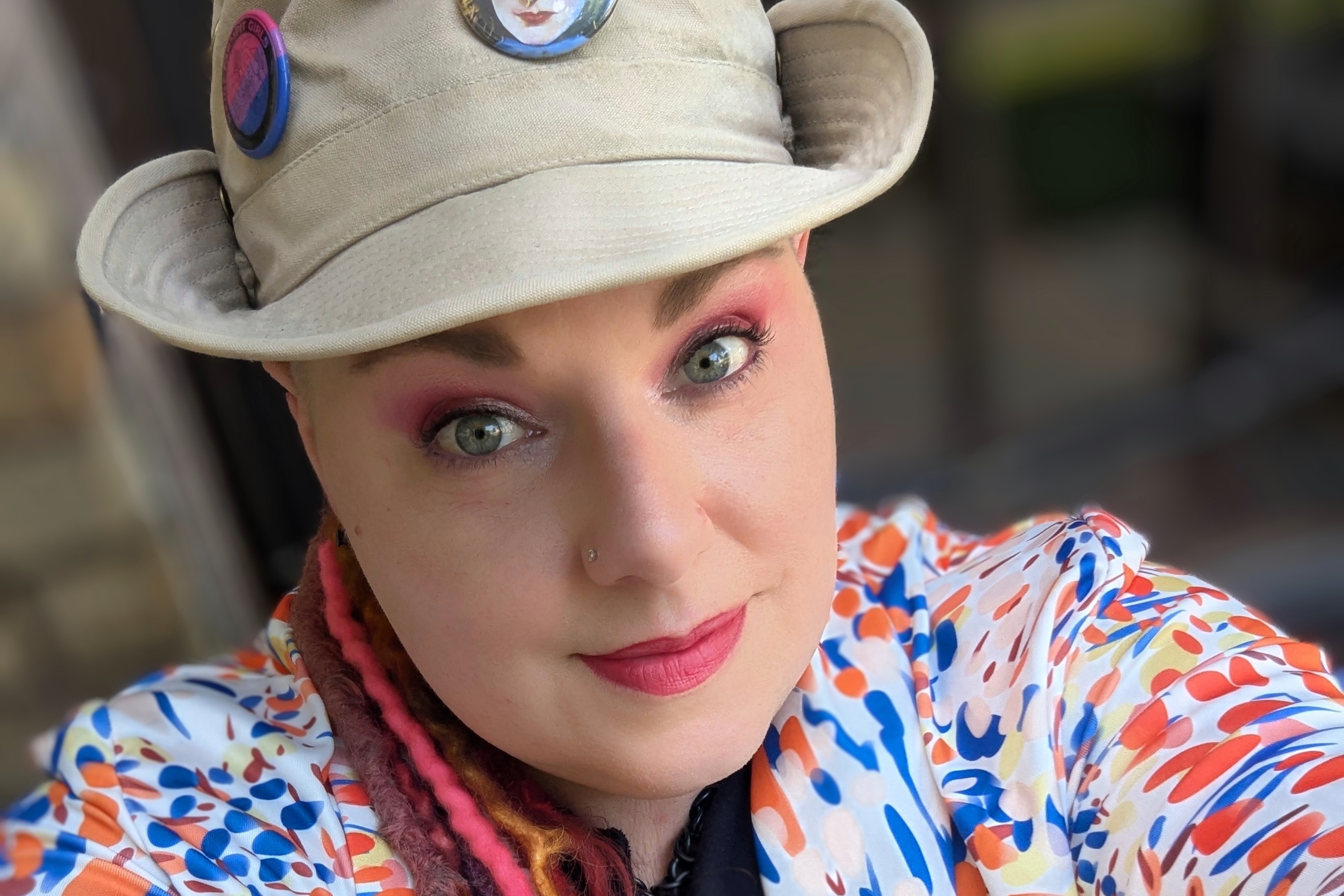
September 25, 2026 | Amy Luettgen
Val Benner: finding identity, community, purpose, and belonging
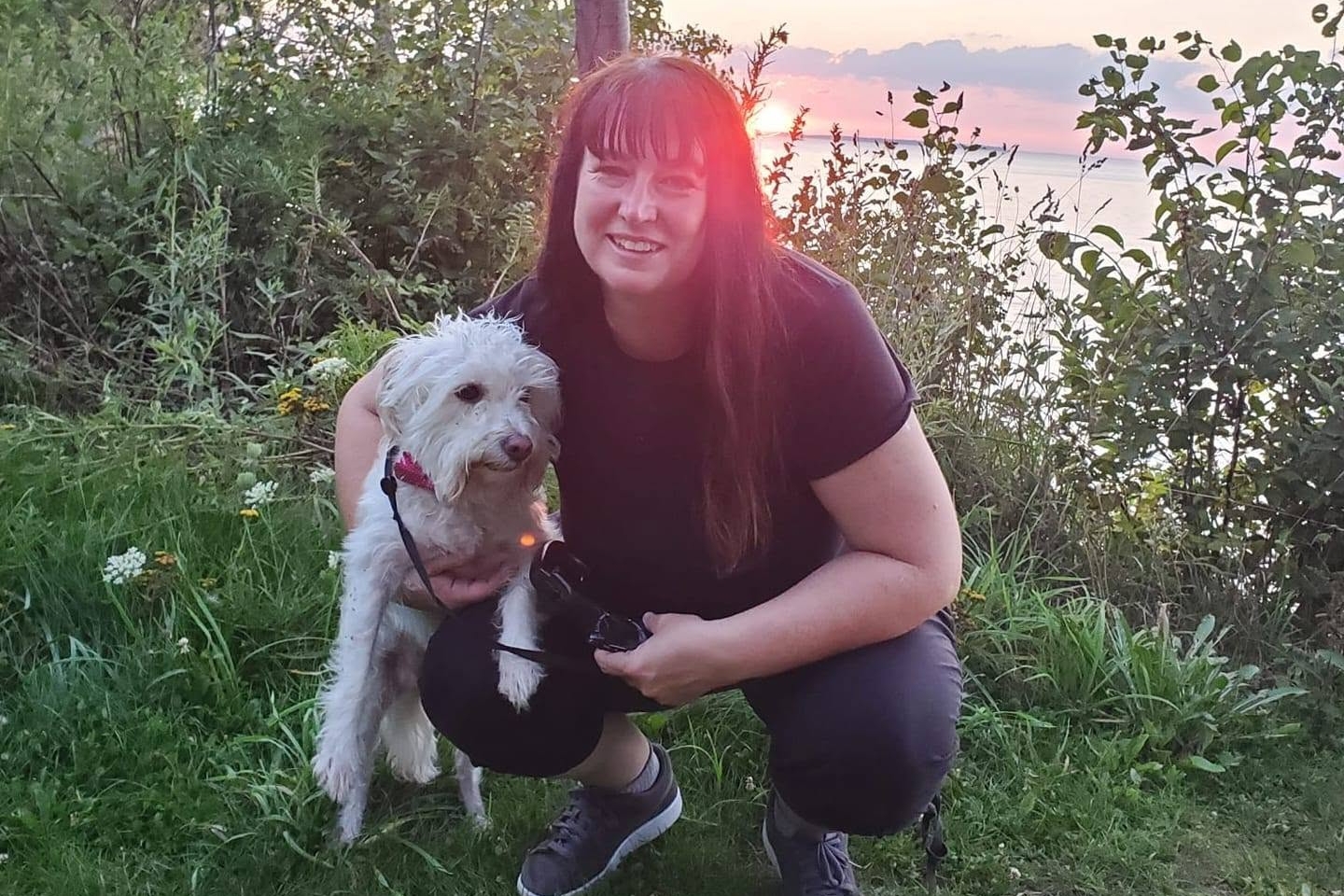
September 18, 2026 | Amy Luettgen
Dr. Amney Castaneda: creating the support she once needed herself
The concept for this web site was envisioned by Don Schwamb in 2003, and over the next 15 years, he was the sole researcher, programmer and primary contributor, bearing all costs for hosting the web site personally.
join our email list
Get WI LGBTQ History Project updates in your inbox.


