Places
Wisconsin LGBTQ History Project Fundraiser
If you appreciate the History Project's work, we hope you'll support the second fundraiser in our 29-year history!
We are a self-funded, independent, all-volunteer, non-profit team -- and we provide most services FREE to the community.
"I want a life that when I sit down in a rocking chair, I will have stories to tell.”
Growing up, Pat made a silent vow in the shadow of sacrifice. She watched her mother, a woman who had once trained for a life on stage -- studying dance in Chicago’s Fine Arts Building, playing the piano, enjoying arts and culture -- gradually surrender her deepest passions to the relentless demands of raising nine children. Her passion for the performing arts died a long, slow death.
So Pat made a solemn promise to herself: “No marriage, no kids, no nothing. I want a life that when I sit down in a rocking chair, I will have stories to tell. I will follow my heart in anything and everything.”
Now in her seventies, living in Chicago’s Lakeview neighborhood, Pat Cummings has done exactly that.
Her life has been a vibrant, colorful, and often chaotic tapestry woven across the American landscape. Her trail runs from the quiet suburban streets of Milwaukee to the seedy, fascinating underbelly of Los Angeles; from the rigid structure of the U.S. Navy to the political and emotional front lines of Chicago's AIDS crisis.
Pat didn't just passively observe history: she participated, documented, and fiercely defended the marginalized, becoming an accidental historian of queer liberation, profound resilience, and the power of showing up.
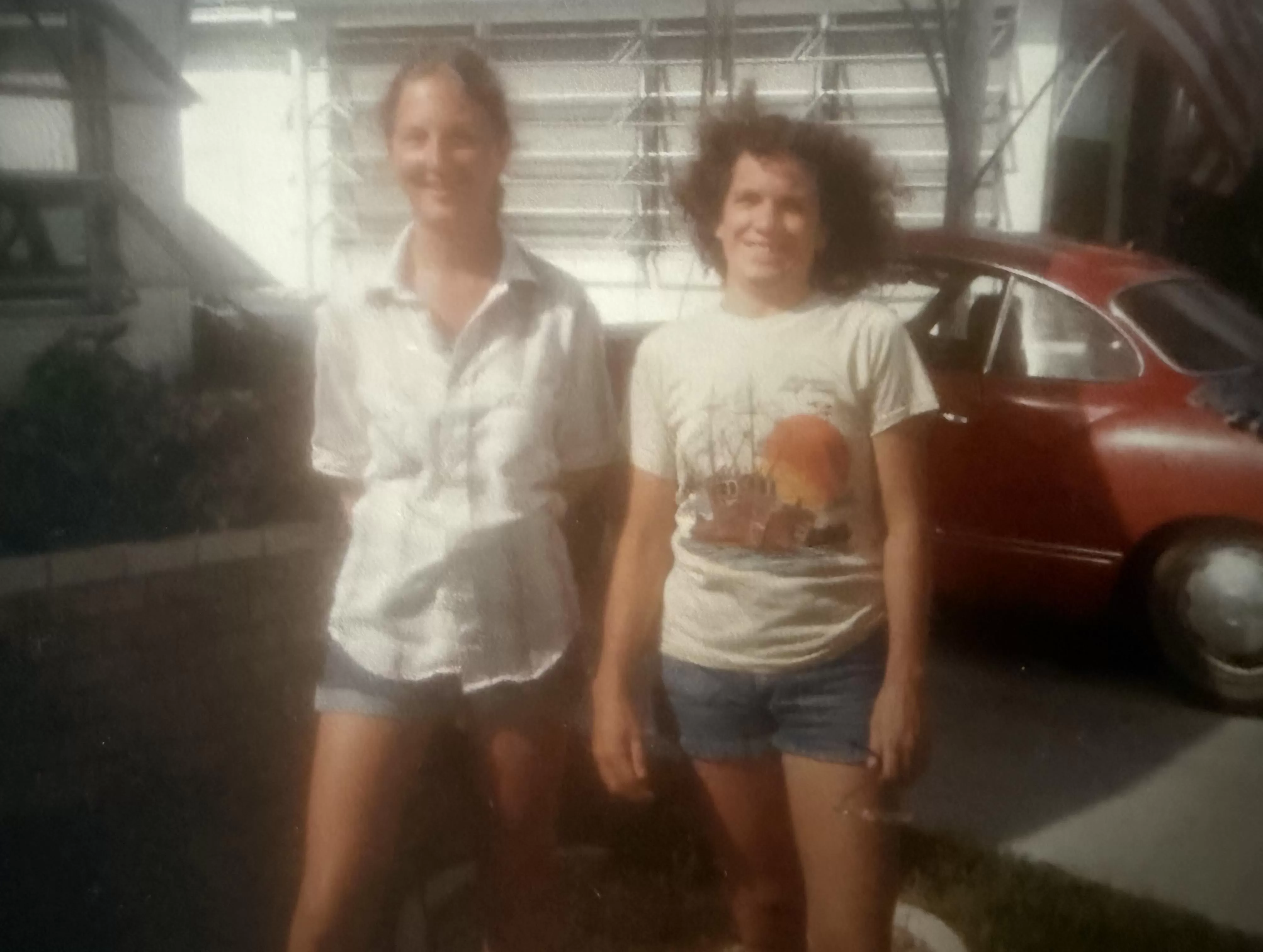
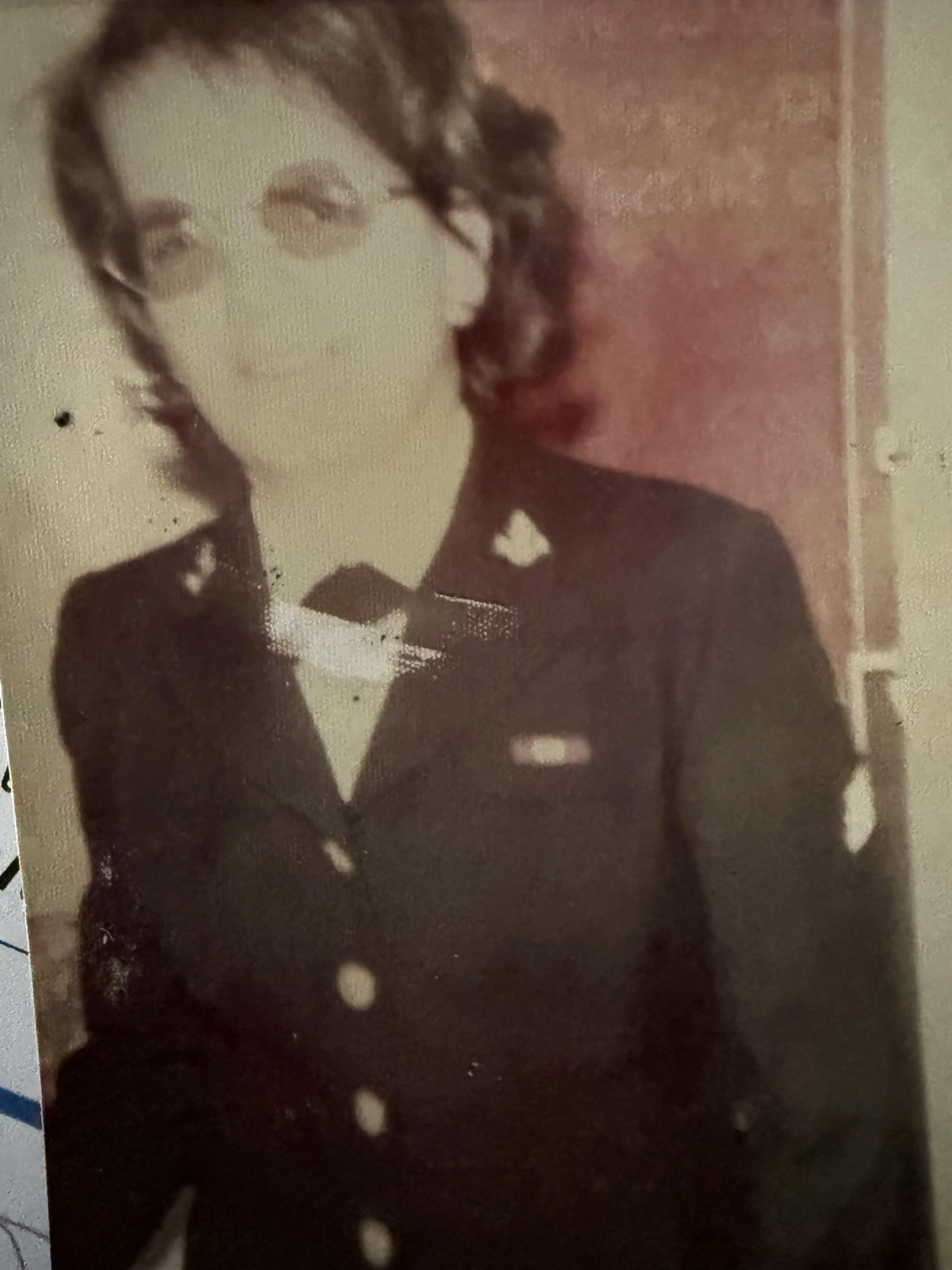
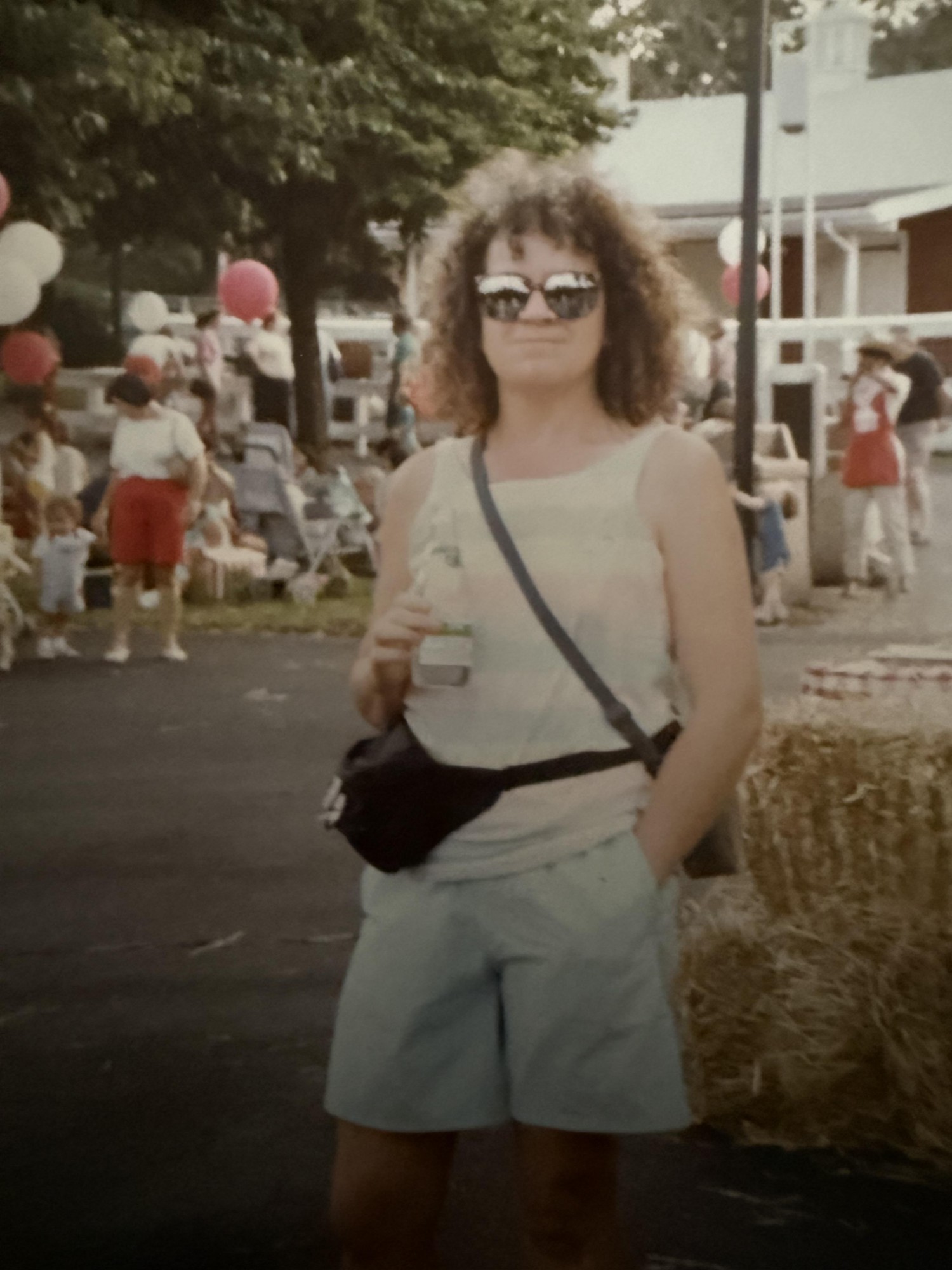
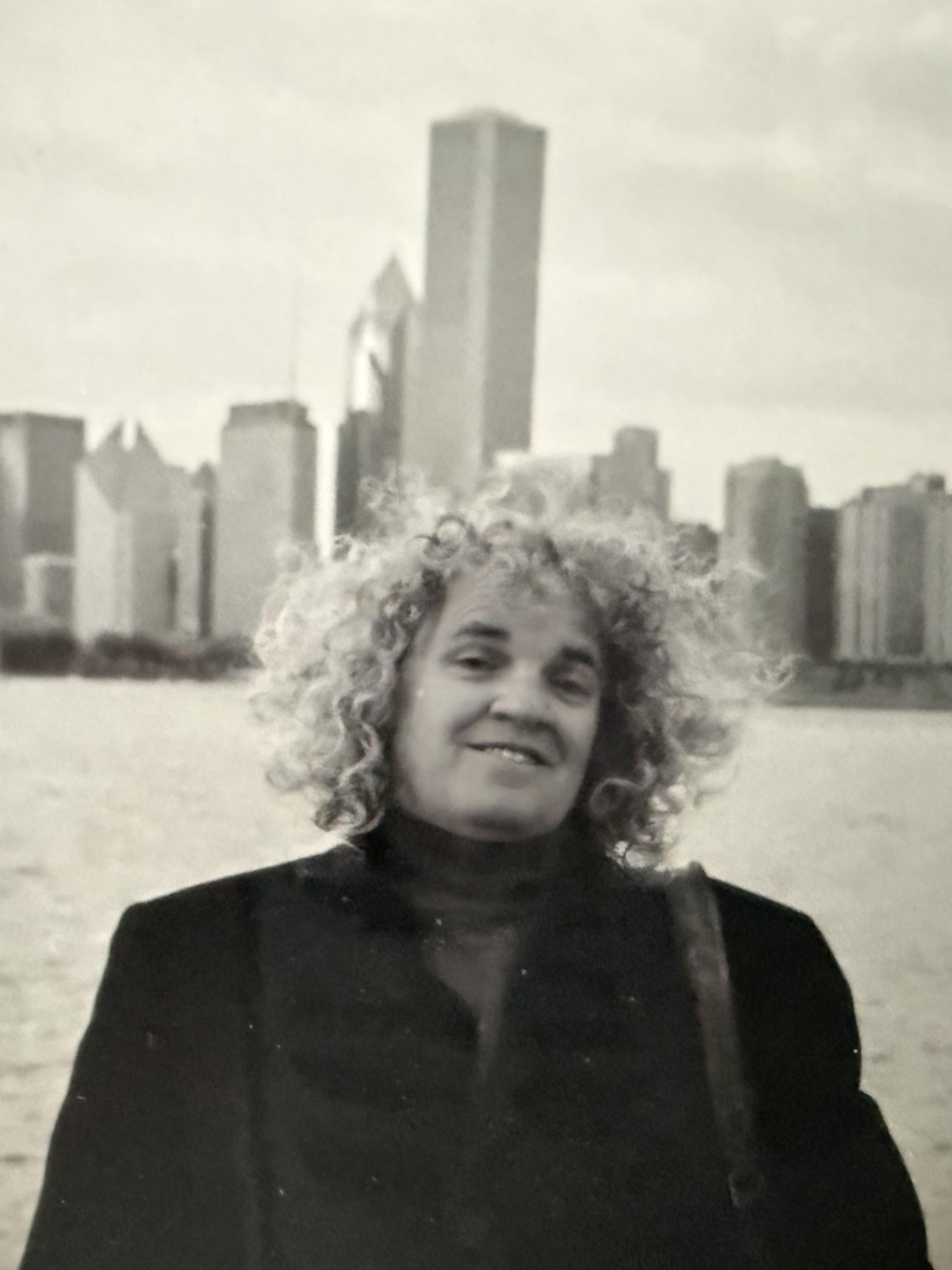
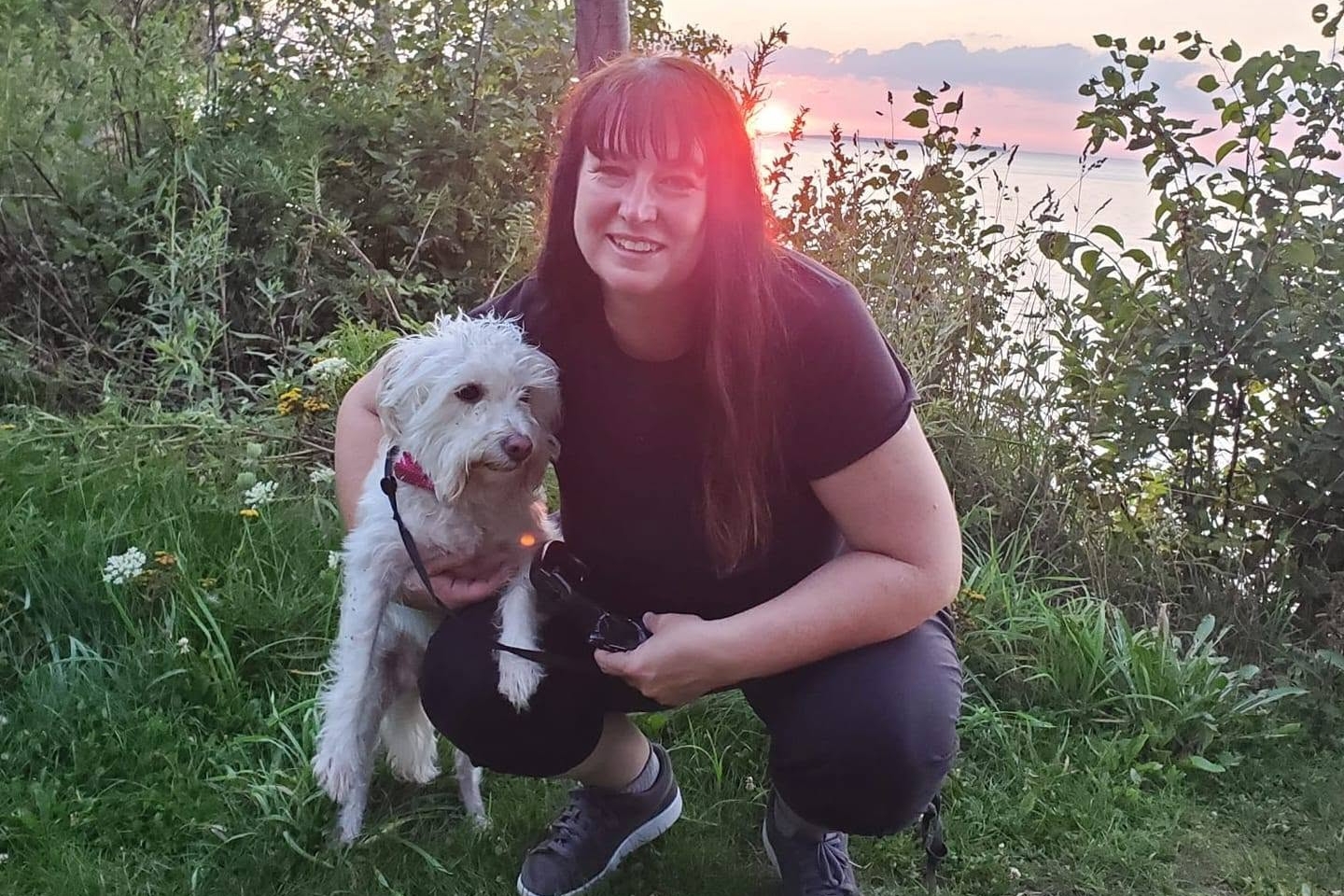
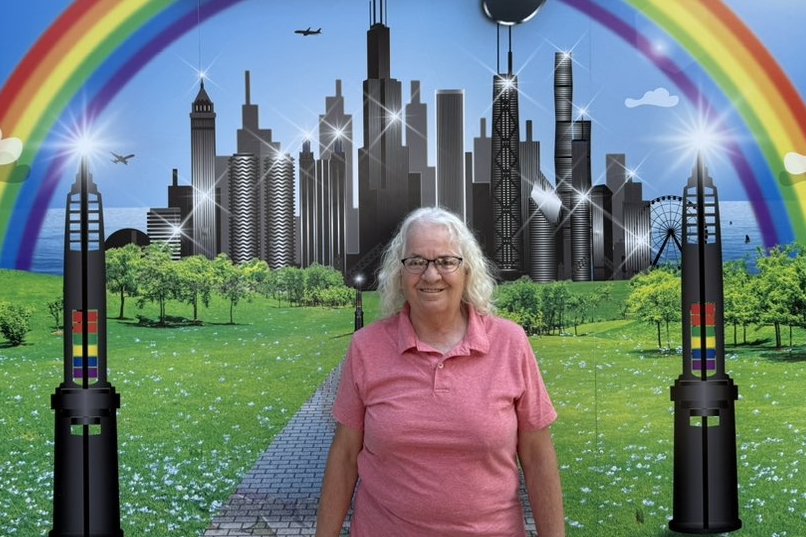
Pat Cummings
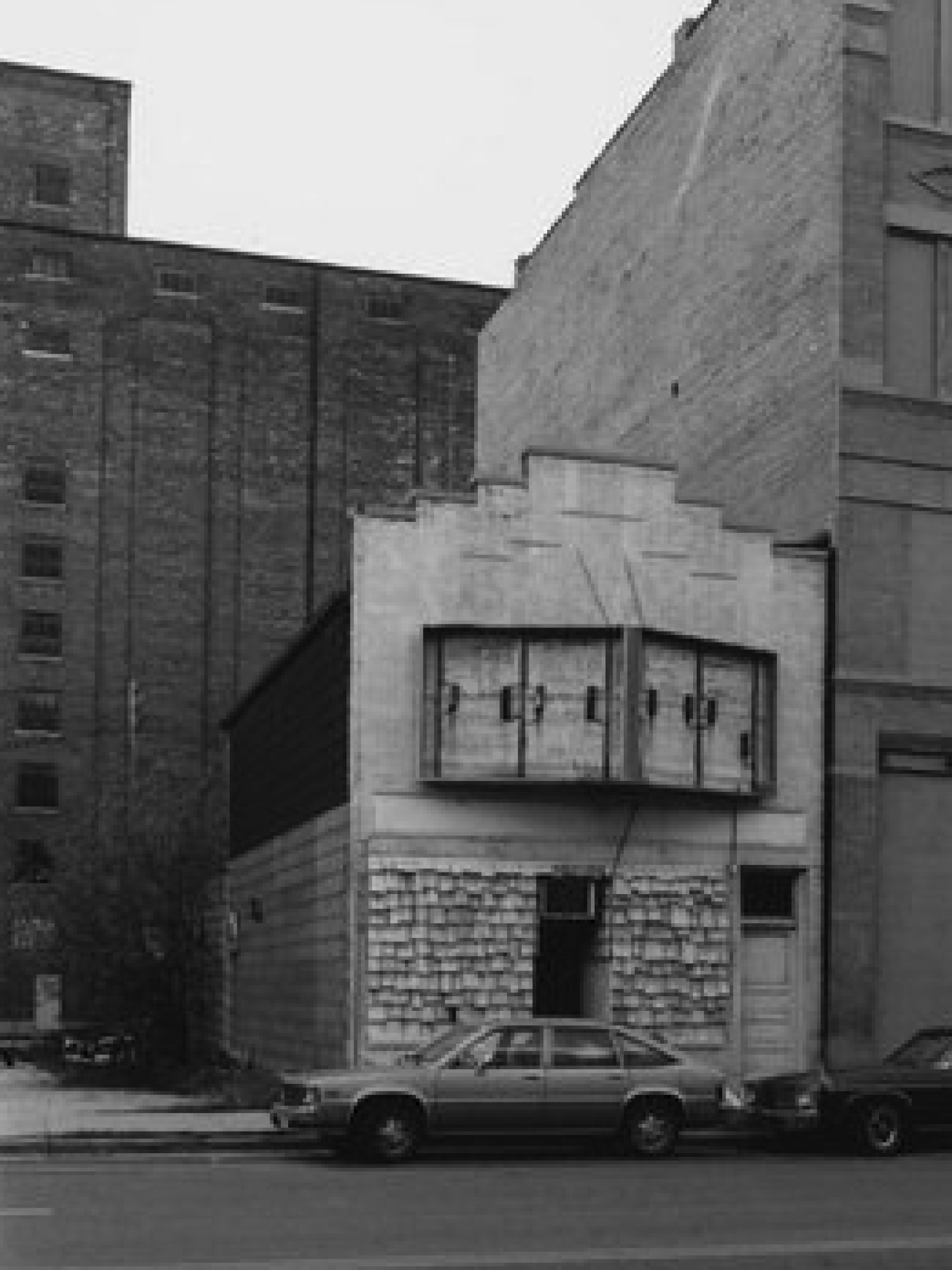
The Knight Owl (173 S 2nd St) in 1985.
The Milwaukee wildflower
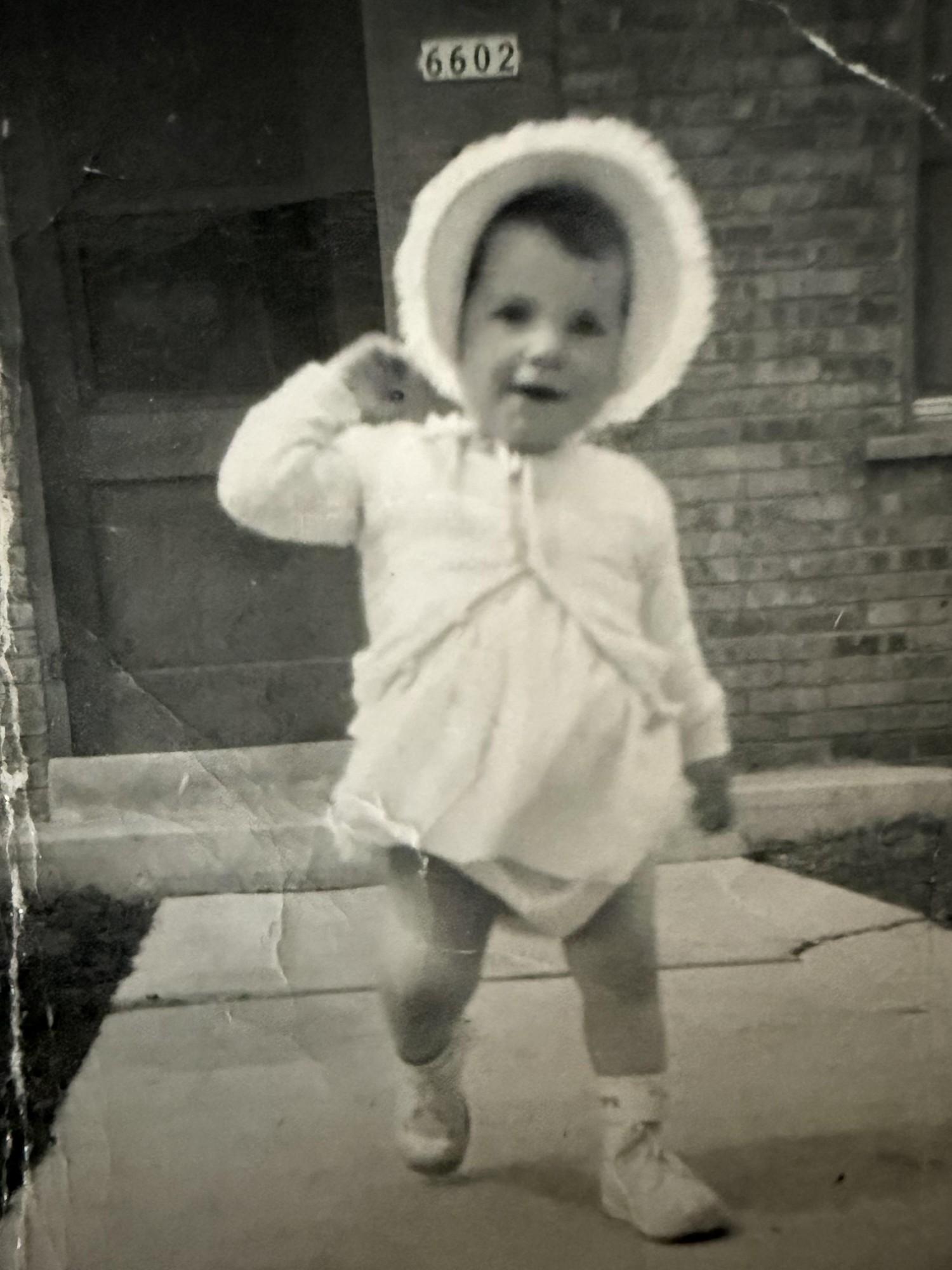
Pat was born in Milwaukee in 1953, the second-youngest of nine siblings. Her family’s story was already connected to Chicago, the ancestral home where her great-grandparents had settled in 1872 after the Great Chicago Fire. In 1921, the family moved to Milwaukee, where they started A.L. Schutzman & Co., a nuts and candy business that began in their home and eventually supplied the nation.
“It’s funny, because Chicago eventually became the candy capital of the nation,” said Pat, “and my grandfather was sent to Milwaukee to set up. My mother was only six years old when she moved to Wisconsin. They opened the business in their own home, and eventually, all of their children worked there.”
“My parents’ house was only the first or second house to be built near Timmerman Field in 1957,” she remembers, “and the Northwest Side was still a wide-open space filled with farms and cows.”
Despite this proud legacy, and a comfortable, humble Midwest upbringing, Pat’s childhood was restless. Baskin-Robbins chose her father’s company (Benfelt Ice Cream) to make their ice cream in Wisconsin While attending James Madison High School, she worked at Baskin-Robbins herself.
Her defiance against cultural and familial expectations sparked at an early age. She knew she was gay her whole life. This was affirmed around age seven or eight, when she was caught French kissing a friend. The friend’s parents called Pat’s mother, who, in a moment of fear rooted in the era’s deeply embedded homophobia, declared that “doing that kind of thing could kill you.”
When she was 16 years old, Pat suffered a serious bout of pneumonia. The doctors told her mother that she had a group of angels watching over her. This has always stuck in the back of Pat’s mind.
Her path to the queer world was paved by her older brother, John, eight years her senior, who would become her lifeline and, later, the central figure in her most profound tragedy and political awakening.
“My brother and I could be like water and oil, but we could also be really good to each other,” said Pat.
The pivotal moment arrived at Christmas when Pat was fifteen. John, who had been dating women, including one he almost married, realized his true self after meeting a man. At a family Christmas party, John took Pat outside, opened his car trunk, and showed her a photo of a beautiful blonde man.
"This is my boyfriend Patrick," he confessed.
Pat's response was immediate, dry, and wholly unsurprised: "Okay. What took you so long? Takes one to know one."
John was floored. “How did you know that?” he asked.
They had just come out to each other simultaneously, forging a powerful, if sometimes volatile, lifetime bond.
Since that night, Pat learned she also had a gay uncle (on her father’s side,) as well as a lesbian cousin and a lesbian second cousin.
“The movie Far From Heaven always reminds me of that uncle,” said Pat.
John and Pat shared a progressive view of the world. They’d grown up in the mixed Parklawn neighborhood until she was 5, which fostered a racial acceptance that contrasted sharply with the surrounding suburbia. Playing with children of other races formed her lifelong views of equality.
“My parents had friends of all races,” said Pat. “My father even worked with delinquent kids – of all colors – while volunteering for the Catholic Church.”
Pat actively sought ways to push boundaries. Once, with her Black gay friend, Eddie Chapman (who she credits with teaching her how to kiss), they walked into a Boston Store or Gimbels and announced to an older, racist family friend that they were getting married. The family friend called her brother, whose wife called her parents, and caused a huge family drama.
“She told my mother that if I was going to be ‘that way,’ I could not come to her house,” said Pat. “That way? Wow. This was 1969. My mother and brother stood up to her. Eventually they got divorced. It was a real lesson in social disruption. We learned how to do things that really shocked people.”
“I was part of the movement,” said Pat. “While I was in high school, I went to the anti-war demonstrations at the War Memorial in Milwaukee, which were my introductions to doing really political work. I hung out at the Water Tower all the time. We’d play drums, sing, and just be together!”
After graduating, she moved out of her parents’ house and lived with her ex-sister-in-law for awhile. Once her ex-sister-in-law discovered she was lesbian, she asked Pat to leave. She moved in with her gay brother John on Kilbourn Avenue for a few months, where she met her brother’s friends, including Dale Turczyn, an early drag pageant performer.
“I went to a show at the Holiday Inn on Wisconsin Avenue with a friend from high school,” she said. “Dale used his own hair. Back then, performers used their own voice. No lip synching! My brother later let me know that Dale had passed away from AIDS in the late 1980s..”
She was underage, but most of the bars didn’t card women, and she remembers going to her first gay bar (The Stud Club) at age 17.
She remembers Castaways, The Rooster, The Nite Beat… but moreso, she remembers everyone being out on the streets, hanging out, walking around, and feeling free.
“You always traveled in groups, never alone,” she said. “There was nobody around except hippies. We hung out on Farwell, Brady, Wisconsin Avenue, 5th Street.”
She used to use her birth name, Mary Pat, until she started hanging out in gay bars. She’d never used her middle name in public, only at Catholic family gatherings where there were many different Marys present.
“Everyone called each other Mary, but nobody was talking to me,” she laughed. “It surprised me the first couple times it happened. Finally, I said, this has to stop. I just started using my middle name Pat and dropping my first name, when I went into the Navy and started going to gay bars. Only my mother called me Mary Pat or Mary Patricia and only when she was mad at me.”
Pat took a job at the Knight Owl (173 S. 2nd St.,) an early gay-owned and gay-operated restaurant in Milwaukee’s emerging gay village of the 1970s. Her brother, who worked at Beyond the Sea and Pieces of Eight, got her the job. She was couch-surfing by then, and hanging out at places like Loop Café, Granfalloon, and Marc’s Big Boy on Wisconsin Avenue.
“That was a very interesting place to work,” she said. “I don’t remember who the owners were, and I don’t really remember any of my co-workers. But I do remember the older lesbians coming in after the bars and hitting on me! ‘You’re a baby dyke now, but when you’re legal, I’d love to go with you,’ they’d tell me. I didn’t think I was that cute, but it sure piqued my curioustiy.”
“The Knight Owl building was old, run-down, and in terrible shape,” she said. “Can you imagine a restaurant with NO windows? It was this long, narrow place with tables up front, the kitchen in the middle, and a bathroom in the back. That bathroom was always busy, if you get my drift. They didn’t sell any liquor, but they did stay open until almost bar time.”
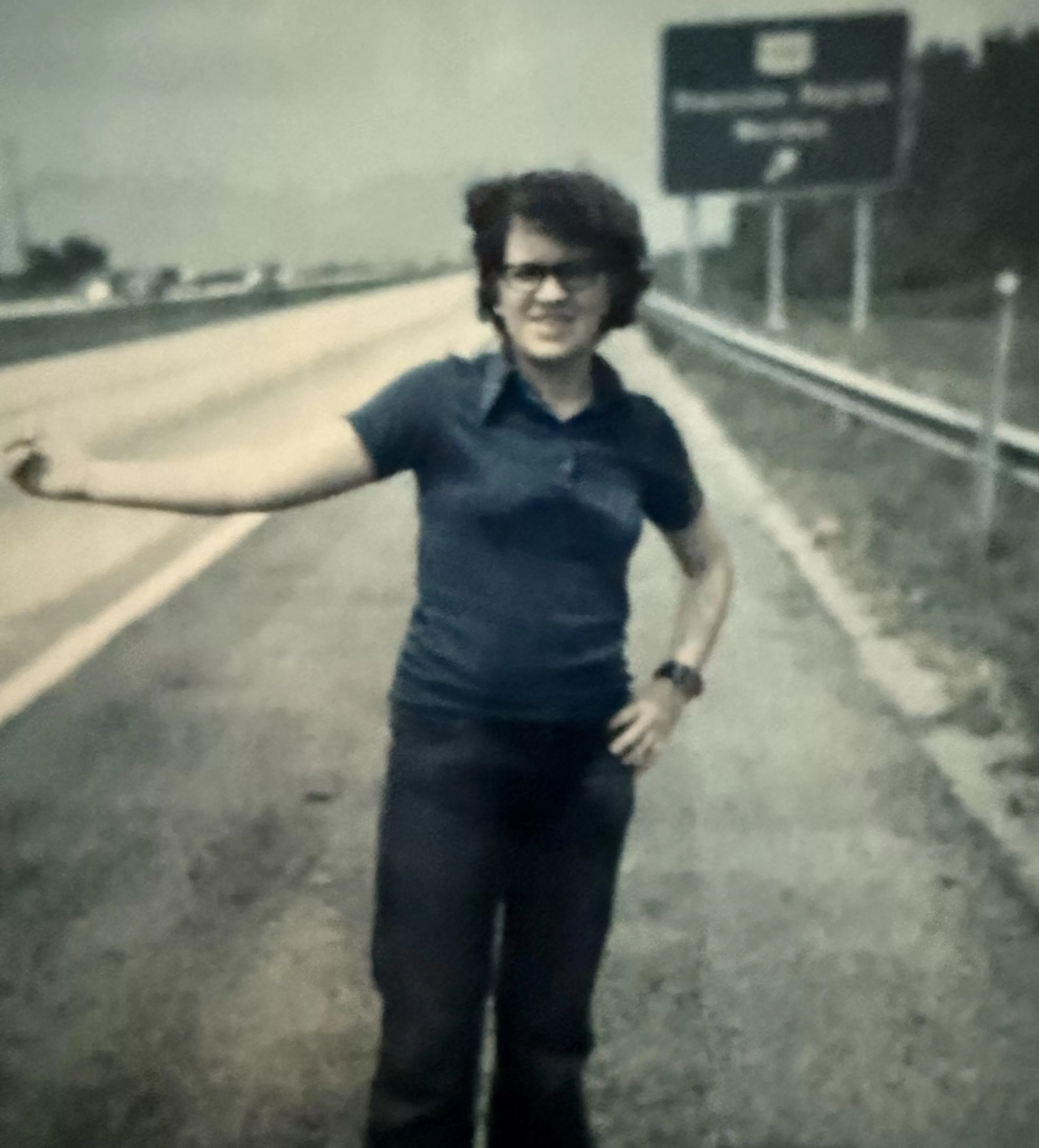
By 18, Milwaukee could no longer contain her. The day after high school graduation, Pat decided to hitchhike to Los Angeles.
“I’d been hitchhiking around Milwaukee when I didn’t have cash for the bus, even after panhandling, so I brought up the idea of hitchhiking to LA. They were eager to get out of their households, so we were all set to go.”
She didn’t even tell the Knight Owl she was leaving. She just left.
The decision was spur-of-the-moment, driven by three gay men, Jim, Jeff, and Nato, and fueled by Jim's impulsive theft of money from an unattended cash register.
“We didn’t know anything about the money until much later,” said Pat. “I barely knew these people except to party with them. I didn’t even know these guys were 16 until we got to California.”
It was also driven by her crush on a woman named Kim.
“To this day, she still doesn’t know that I had a crush on her. She doesn’t know that I followed her to Los Angeles. Guess she will know now!”
They hitchhiked all the way to the Lake Forest Oasis outside Chicago, where a truck driver offered to take two of them, but not all four.
“Jim and I went with the truck driver, because I wanted to get there first!” she laughed. “I took Jim with me because he was the butchest one. Nato and Jeff had to find their own ride. We saw them a week after we got there.”
The trip was a blur of reckless speed through the desert mountains in a 57 Chevy Station Wagon. They were picked up by someone heading to UCLA, so they had a guaranteed ride all the way to Los Angeles. When the driver got tired, Jim drove.
“We got to Los Angeles in 48 hours,” said Pat. “We lived fast – real fast – and we stopped for nothing.”
“I guess there was angels watching over me after all.”
Exploring the counterculture
In Los Angeles, Pat found herself in a raw and dangerous world. Their first stop was a Hollywood motel near the infamous Sewers of Paris nightclub, filled with trans sex workers and drag queens. These women became Pat’s protectors in a tough town.
One told her, "When I have my sex change, I want you to be my partner. I want you to be my wife."
But Pat was busy with another woman: the first she’d ever been with.
“This Mexican sex worker literally grabbed me off the streets outside the Sewers of Paris,” said Pat. “She was a huffer, but I was not into drugs. I was over that within two weeks.”
“I come from this nice middle-class family, and now I’m living in a sleazy Hollywood motel with sex workers,” she reflects.
Jim started working the streets. He wound up with a sugar daddy who set him up at the Lido Hotel & Apartments near Hollywood & Vine. This was a surprisingly sweet spot to land, and quite a step up from their motel room, but Pat still wasn’t feeling it. Her parents didn’t even realize she’d left town – and didn’t know he was gone for nearly three months.
The chaotic life was exhilarating, but it wasn't the substantive story she wanted to tell. Plus, Kim had moved on -- without her.
“I only saw Kim twice in LA,” said Pat. “We hitchhiked all the way out to her mom’s house to see her. And I realized there was no way anything was going to happen between us, ever.”
Pat returned to Milwaukee after only three months.
“I was young, cute, and fun,” said Pat. “But it wasn’t what I wanted anymore.”
“I called my parents and let them know where I was,” said Pat. “And my mother said, I’ll give you a plane ticket, but you can’t cash it in. You have to come home.”
Eventually, Kim hitchhiked back to Milwaukee, and even brought Jim back with her. But that was the end of her California circle. The friendships came to a quick end.
Back in her hometown, Pat was legally able to drink at 18, allowing her to explore the local queer scene, which included The Beer Garden, Gas Lite East, and The Neptune Club.
"Hormones were raging back then and the smoke was plentiful if you knew who to hang out with," said Pat. "I remember the first Milwaukee Fest where the cloud of smoke hung over the field where the stage was set up. Those were the days."
But the rigid social codes of the time (especially the insistence on the butch/femme divide) baffled her. When older lesbians asked which she was, she would say "both," a simple truth that would floor them.
"I thought, why do you want to take out half the fun?"
Her next chapter was dictated by chance. She walked with a gay male friend into the Navy recruiting office, and in a spur of the moment decision, they decided to take the entrance test. She scored high. When the recruiter asked the mandatory question about same-sex desire or activity, she hesitated. “Just say NO,” he coached. She took his advice.
That was December 16, 1971. And she was in for the next five years.
Her parents, who had to sign for her enlistment since women couldn't sign for themselves even at age 18, believed she was finally getting "straightened out."
Pat saw it differently. It was simply another experience to collect. She challenged authority, once going AWOL for a week to attend the first Gay Pride Day march in Wisconsin, resulting in a demotion and restriction. But her ambition persevered.
After being forced out of Corpsman school, she challenged the cooks at her base in Virginia, who insisted women couldn't handle the work. She beat them at their own game and charmed her way into a prestigious assignment to commissary school in San Diego, securing a coveted cook position.
“A charmed life,” she says, “all because I said yes to things.”
While stationed in Norfolk, Pat got a reputation as a pinball wizard. Her parents would never have let her hang out in pinball arcades – that was gambling, after all – but as an adult, that’s where everyone knew to find her in the bar.
“If you wanted to talk me, or ask me to dance, or ask me to play, I’d be by the pinball machine,” said Pat. “The guy who taught me how to play pinball eventually stopped playing with me. He didn’t like that I’d always beat him.”
The end of her naval career was a final act of integrity. After meeting a new lover in San Diego, the Navy discovered the relationship and summarily kicked her girlfriend out, but refused to discharge Pat, who was well-regarded and served on discrimination and housing boards. To leave with her lover, Pat had to write a letter to Congress to demand her own expulsion from the service. She received an honorable discharge, short of five years, but triumphant in her refusal to compromise her life.
She left the Navy on October 28, 1976.
"I have two honorable discharges," said Pat. "One of them is from my 2-year enlistment. I reenlisted the day that I received the first honorable discharge. I spent almost 3 years on my second enlistment."
Pat and Denise headed to Milwaukee, planning to live there, but it had just started to snow. Denise, who was from Mobile, didn’t want to spend the winter in the cold and snowy north. She suggested they move to her mother’s house, where they could live free for several months.
It was decided. They were moving to Alabama.
Igniting activism in the Deep South
Pat and her lover, Denise, traveled extensively before settling in Mobile, Alabama, in January 1977, where Pat enrolled in the University of South Alabama, eventually graduating with an English degree. Even in the conservative Deep South, her political nature took root. She became an open, honest lesbian who was successfully elected to student government, working closely with the Mobile Area Student Society and Gulf Alliance for Equality (GAE). Student government allowed Pat access to funding to bring in guest speakers and outside organizations.
“None of us were actually leaders, because we didn’t want just one leader,” said Pat. “We always had a spokesperson, and sometimes that spokesperson was me.”
This was a defiant act in a state where politicians like George Wallace claimed there were "no queers in Alabama." Pat and her cohorts were living proof that he was wrong.
Her commitment to civil rights was noticed by her sociology mentor, G. David Curry, who involved her in domestic violence and women's issues work, alongside NAACP research. Pat, however, refused to take statistics, famously declaring, after auditing the class, that she wouldn't take a course where the professor claimed, "statistics lie and they lie absolutely." As an honest person, she didn't want to be taught how to lie.
When her grandfather died, Pat flew to Wisconsin alone to honor his memory. Upon arrival, her grandmother asked her where Denise was.
“She didn’t think she would be welcome, I explained,” said Pat. “And my grandmother said, “beside you is where she belongs. She’d watched her own son’s dreams of being his own self dashed. He had to hide who he was, get married, have children, and be ‘normal.’ I know she felt guilty for stifling him instead of supporting him. This woman was born in 1887. She had 34 grandchildren. She knew she couldn’t crush me.”
After living in Atlanta for a while, Denise’s mother returned to Alabama. She did not get along with Pat, because she believed Pat had “converted” her daughter.
“The fact is, Denise is the one who hit on me,” said Pat. “But I couldn’t get this woman to accept that.”
The couple moved into their own apartment on April 1, 1977. But the pressure of Alabama living suddenly got much more intense.
The morning after moving in, they woke up to find two police officers standing menacingly at the foot of their bed. They’d kicked in the back door, supposedly because a nearby gas station was robbed, and they thought the robber was hiding in this apartment.
“With my best Northern accent, I asked them what the fuck they were doing in here?” said Pat. “We were in bed together, sleeping and nude, and these guys are just standing there staring at us.”
This was a terrifying act of intimidation that underscored the dangers of being openly gay in the Deep South. That event began her push to join with other gays and lesbians to create Gulf Alliance for Equality in late 1977 / early 1978.
In October 1979, Pat joined a delegation to the March on Washington for Gay and Lesbian Rights.
John urged her to move, promising her a job, a place to stay, and an easier place to continue her advocacy work. After leaving his fiancée at the altar, he was blackballed in the Milwaukee restaurant scene, so he moved to Chicago in 1973 to become a priest. By 1982, he’d left the Church to pursue his real passion as a chef.
“My brother wasn’t really expecting me, because we’d had such a turbulent relationship,” said Pat. “We’d come together, and then we’d have a falling out, and then he’d bring me back in.”
The plague comes to Chicago
Pat moved to Chicago on April 15, 1982, initially staying with John on the South Side. It wasn't the immediate gay paradise she expected.
“He was way down on 51st between Western and California,” she said. “I remember asking him, why are you way down here? They hate us. And he said ‘cheap rent!’”
By Thanksgiving, she was immersed in the Lakeview lesbian bar scene: the Swan Club, the Ladybug, Cheeks, and CK’s (now Charlie's). She remembers Sidetrack when it was just one storefront – and watching it grow into the empire it has become. She also remembers Berlin when it first opened – half the size it would eventually be.
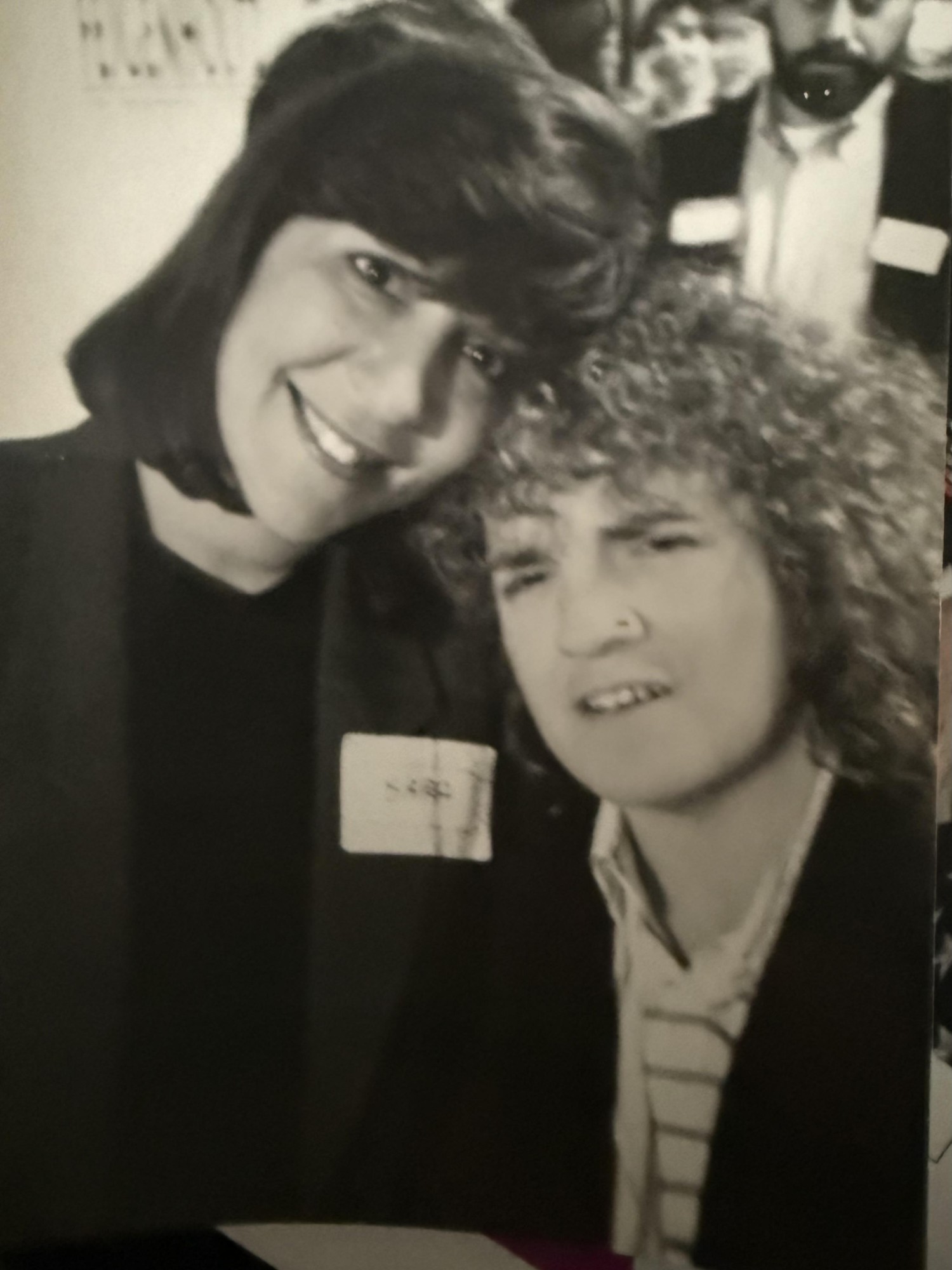
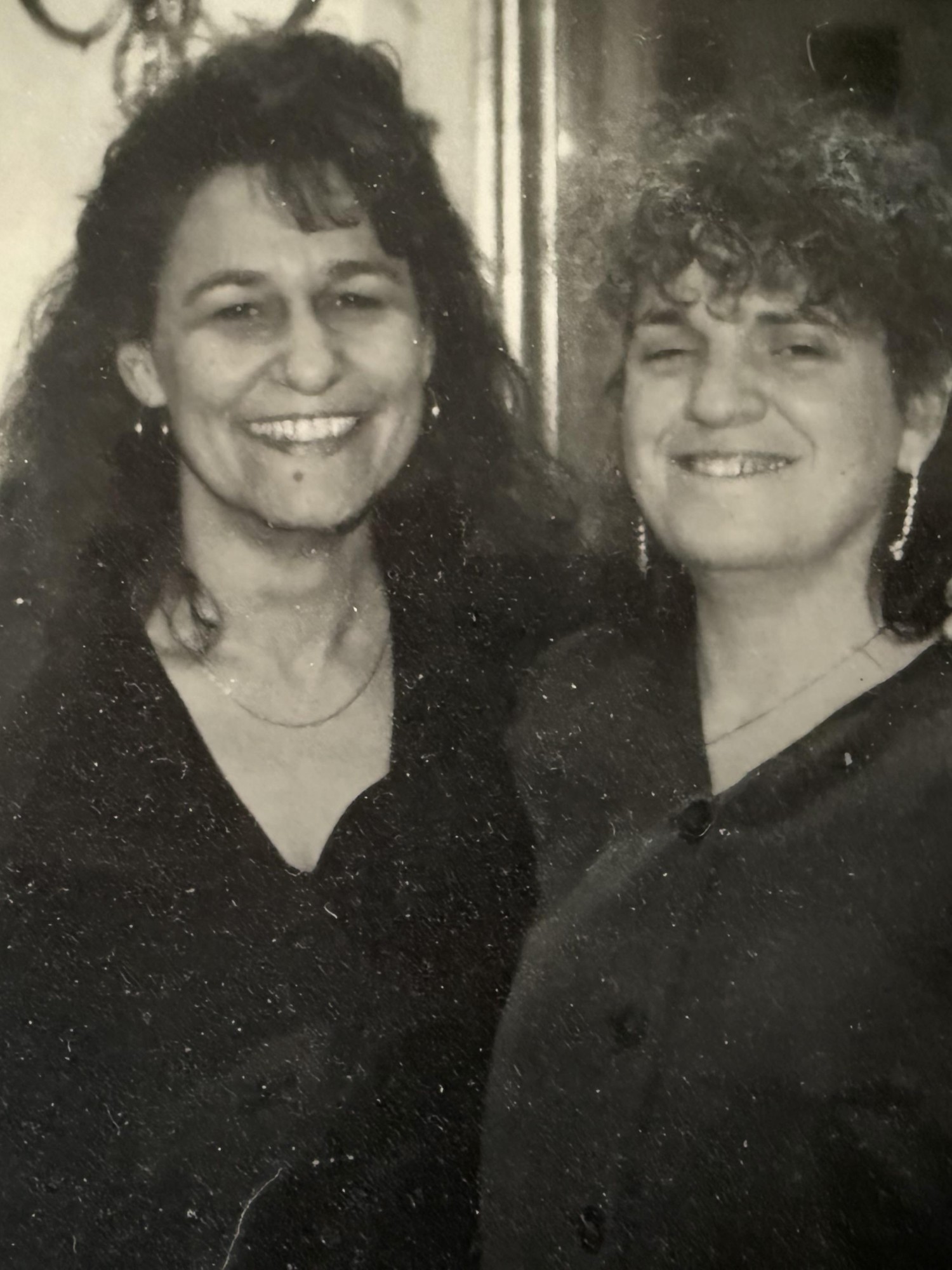
Pat Cummings
Pat Cummings
Pat Cummings
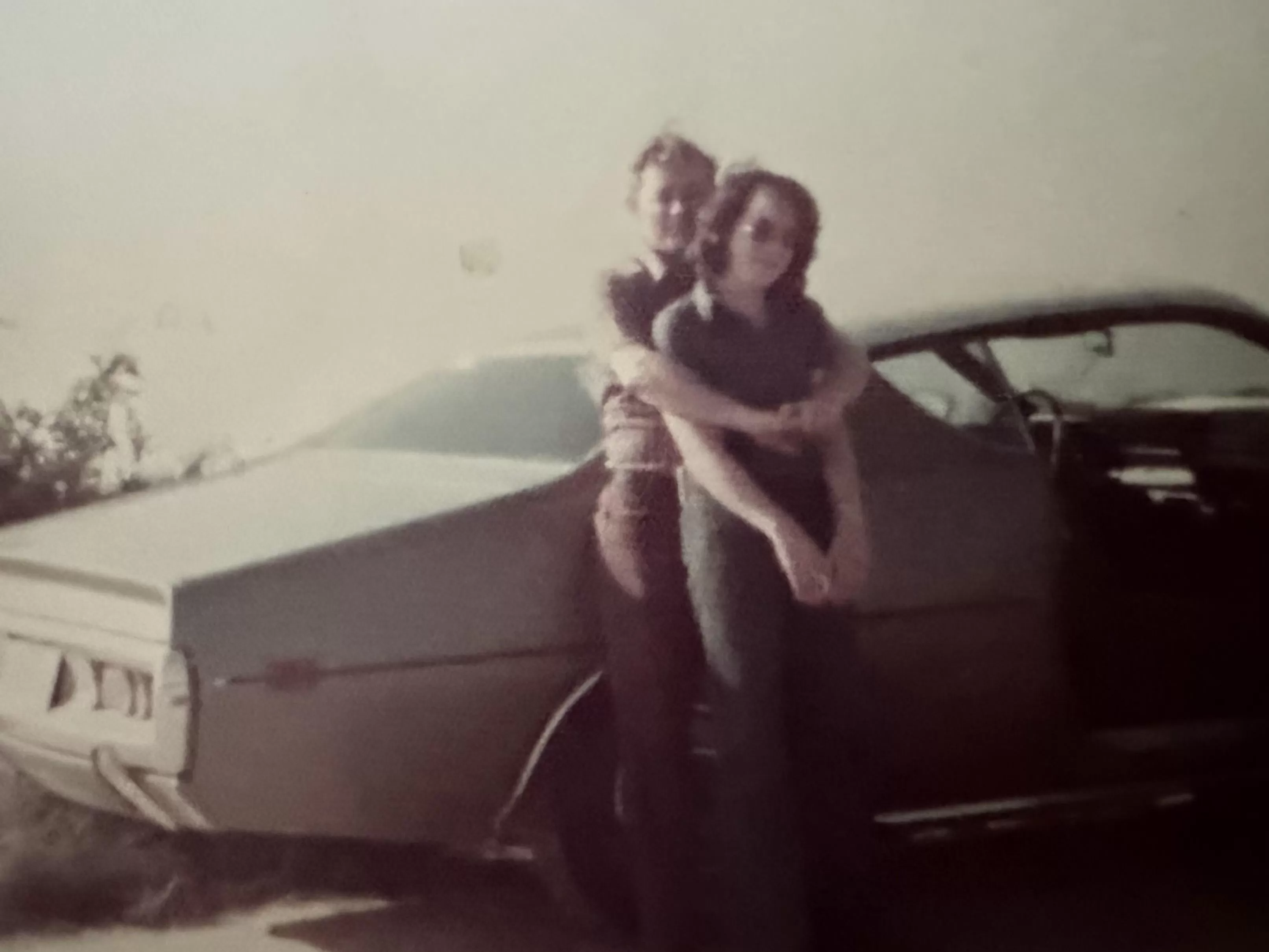
"I was in my heaven," she says, reflecting on her arrival at Clark and Belmont.
She took a job at Lamour’s Adult Books, near the X-rated Admiral Theater (3940 W. Lawrence Ave.)
“I didn’t know what the job was until I moved up here,” laughed Pat, “and then John informs me I will be working in an adult book.”
After living with sex workers in L.A., nothing shocked her anymore – not even the men who made passes at her and tried to take her home to their wives. She moved through a series of jobs, including the long-lost Venture department store, the Social Security Administration (where she experienced workplace harassment,) and the restaurant Genessee Depot.
But the move coincided tragically with the start of the AIDS crisis, a decade-long crucible that would define her life and test her soul.
Pat dedicated herself to service, becoming an indispensable part of Chicago’s homegrown AIDS response. She supported Horizons (now the Center on Halsted,) delivered meals for Open Hands Chicago, volunteered for the tiny, struggling Howard Brown Health, and, understanding the emotional toll on families, co-founded the Circle of Care, a support group for the parents, partners, and families of People with AIDS (PWAs).
She was witnessing the unimaginable, unspeakable impact of AIDS with a bedside view.
“I had people open up to me and tell me about their feelings, their desire to be done,” she recalls.
Pat, who had always sought peace in her own chaotic life, became a quiet anchor for others in their final moments. Friends, desperate in their pain, sometimes asked her to help them pass. Her unwavering counsel, born of deep respect for life, was “I can’t do that for you, but you can tell your body it’s okay to die.” Pat’s peace was found in providing comfort and documenting the human cost of the plague.
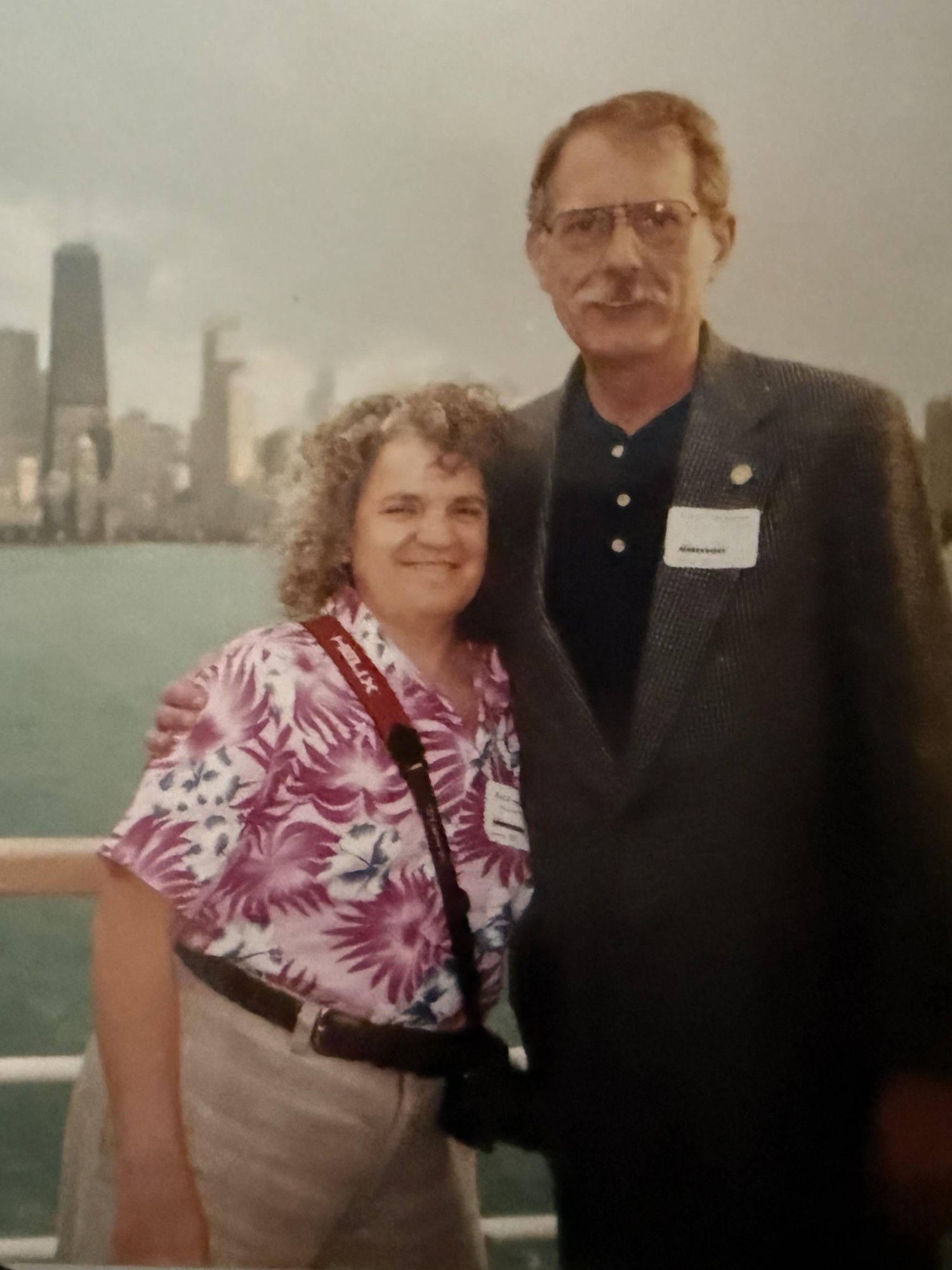
The crisis peaked on her birthday, April 3, 1989, when John passed away.
While devastating, Pat describes it as a “strange gift,” as she had been providing 10-20 hours of daily care while simultaneously looking after her five-and-a-half-year-old niece. It was an intensely emotional and physically exhausting period. By 1989, she had already known over 300 people whose lives were stolen by AIDS.
“At John’s memorial, the priest said ‘I met John at the Country,’ and nobody knew what that meant but me,” Pat laughed. “Once I said, Man’s Country, they got it. Oh John!”
The politics of reconciliation
Pat’s grief was compounded by her parents’ struggle to accept John’s life and death. When John was dying, her mother’s comment was a devastating act of rejection: “What are you doing there with him?”
Pat confronted her: "All my life you told me I am my brother's keeper, when he needs a keeper why would you say this to me? When he’s ready to pass, ‘let him die.’"
Despite the pain, Pat’s greatest pride remained her ability to bring her brother back into the family fold before he died. At their parents’ 50th wedding anniversary, she insisted John attend, defying anti-gay relatives. Her brother Bill, who had previously gone out of his way to avoid John, eventually visited him in Chicago to make amends.
The final breakthrough came years later. In 1994, Pat attended the March on Washington and photographed the passion of ACT UP and the Radical Faeries. Her mother called to criticize her.
“I hope you’re not one of those people in the streets screaming,” she said.
Pat, exhausted by years of emotional combat, slammed the phone down. A few days later, her mother called back, a rare act of contrition: "Mary Pat, I am sorry for the way I treated you."
Eventually, her mother realized that her Florida neighborhood friends were gay and lesbian themselves. She finally understood the cost of stifling her children’s true selves.
"Mother, John and I had been trying to tell you this since we were young," Pat responded, a moment of fragile peace achieved.
Her father, who was very ill and living in Florida, reached out after John’s funeral.
“It was my place, not your place, to be there with him,” he tearfully confessed over the phone, admitting his regret at his absence. At age 35, it was the first time Pat had ever heard her father cry.
“It made me realize that he understood the pain that their intolerant religious beliefs caused us.”
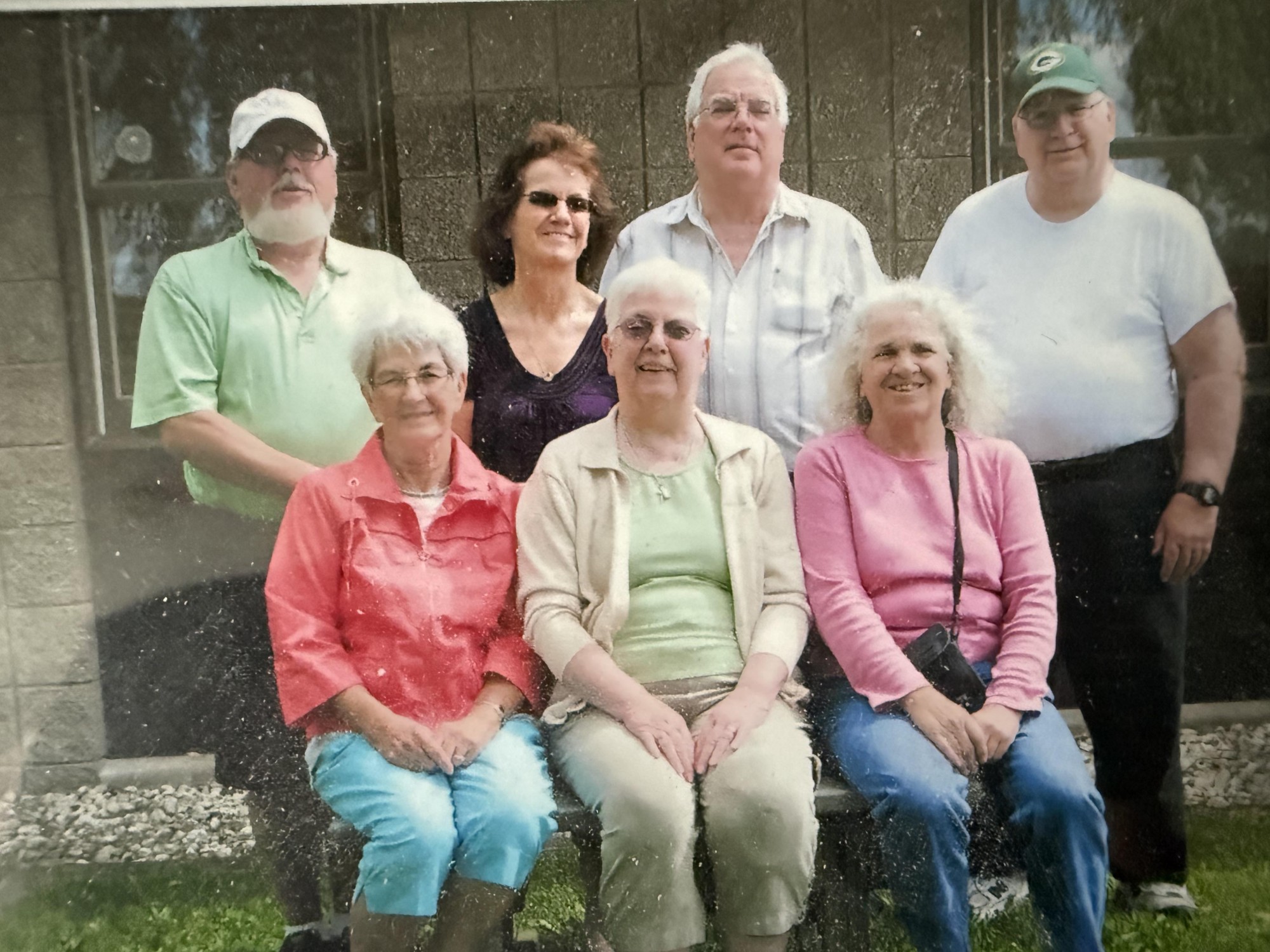
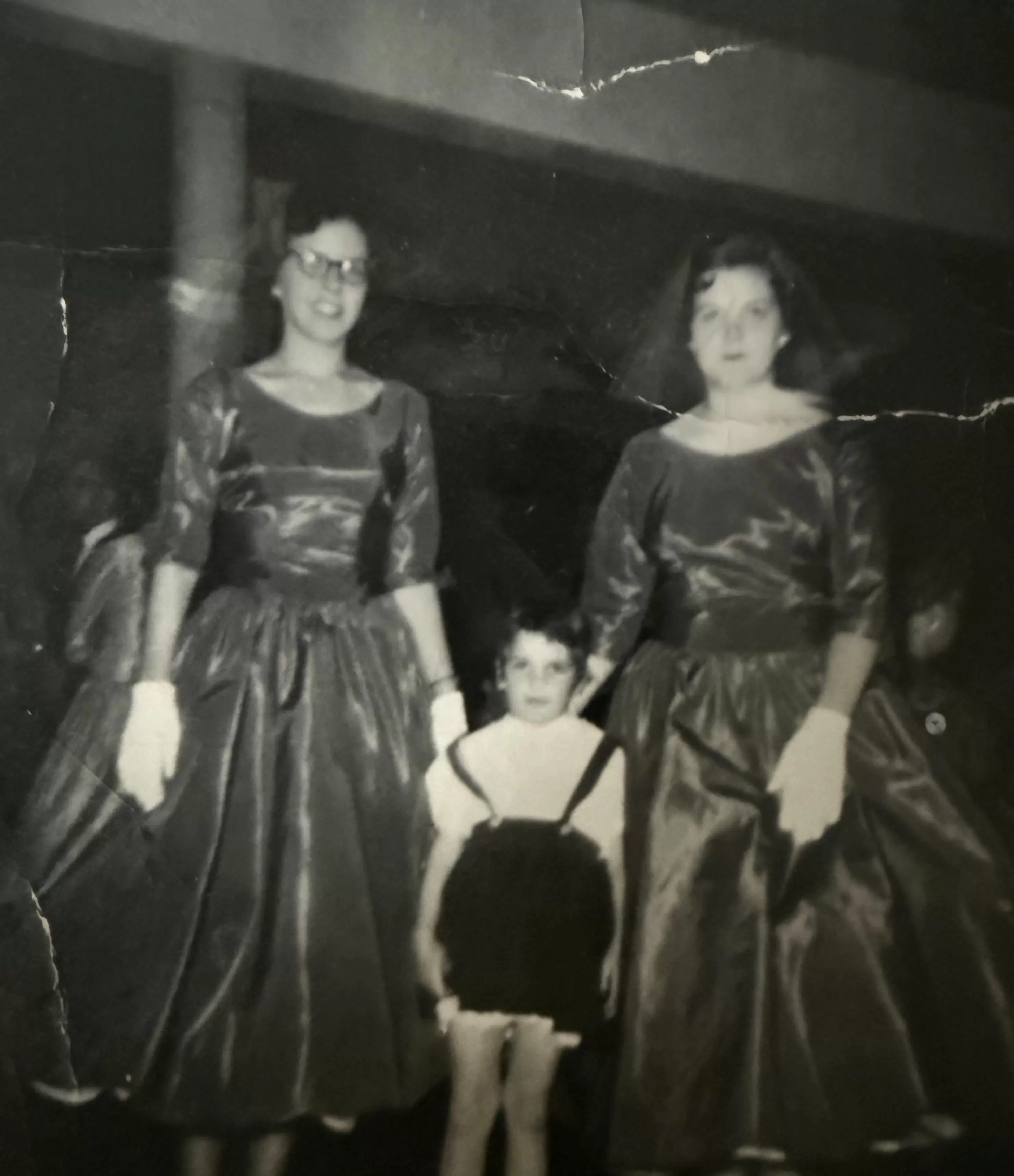
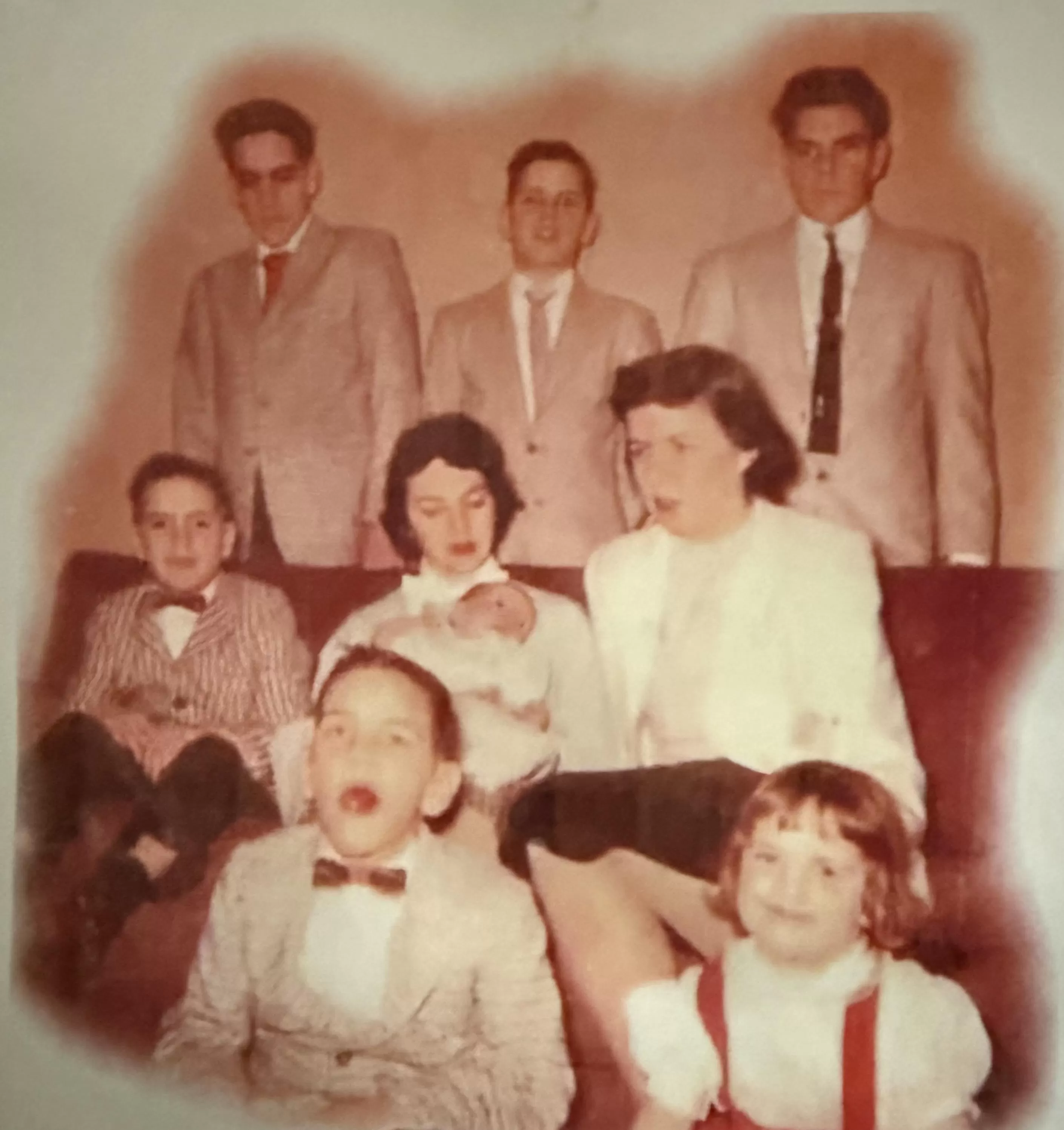
Pat and her family
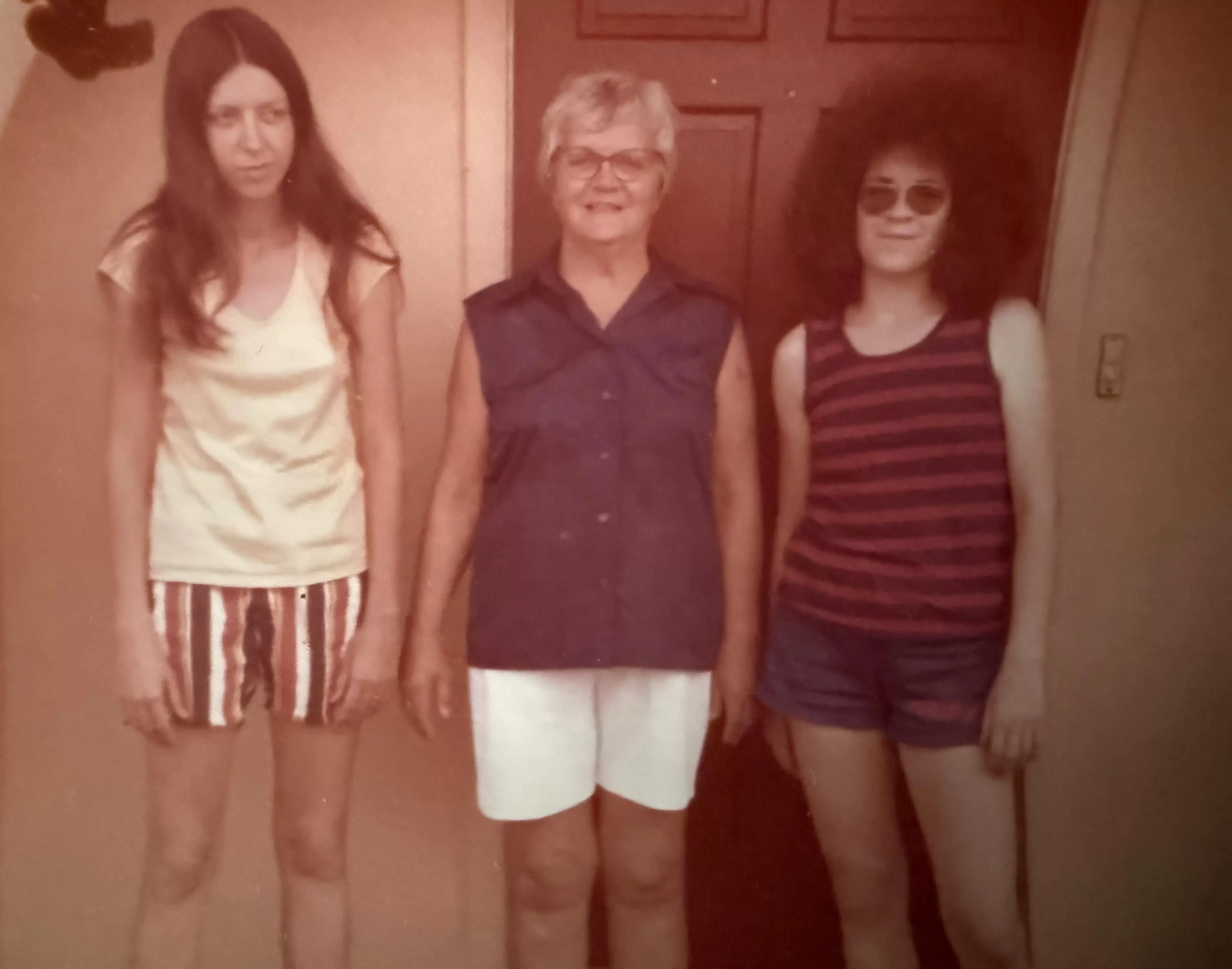
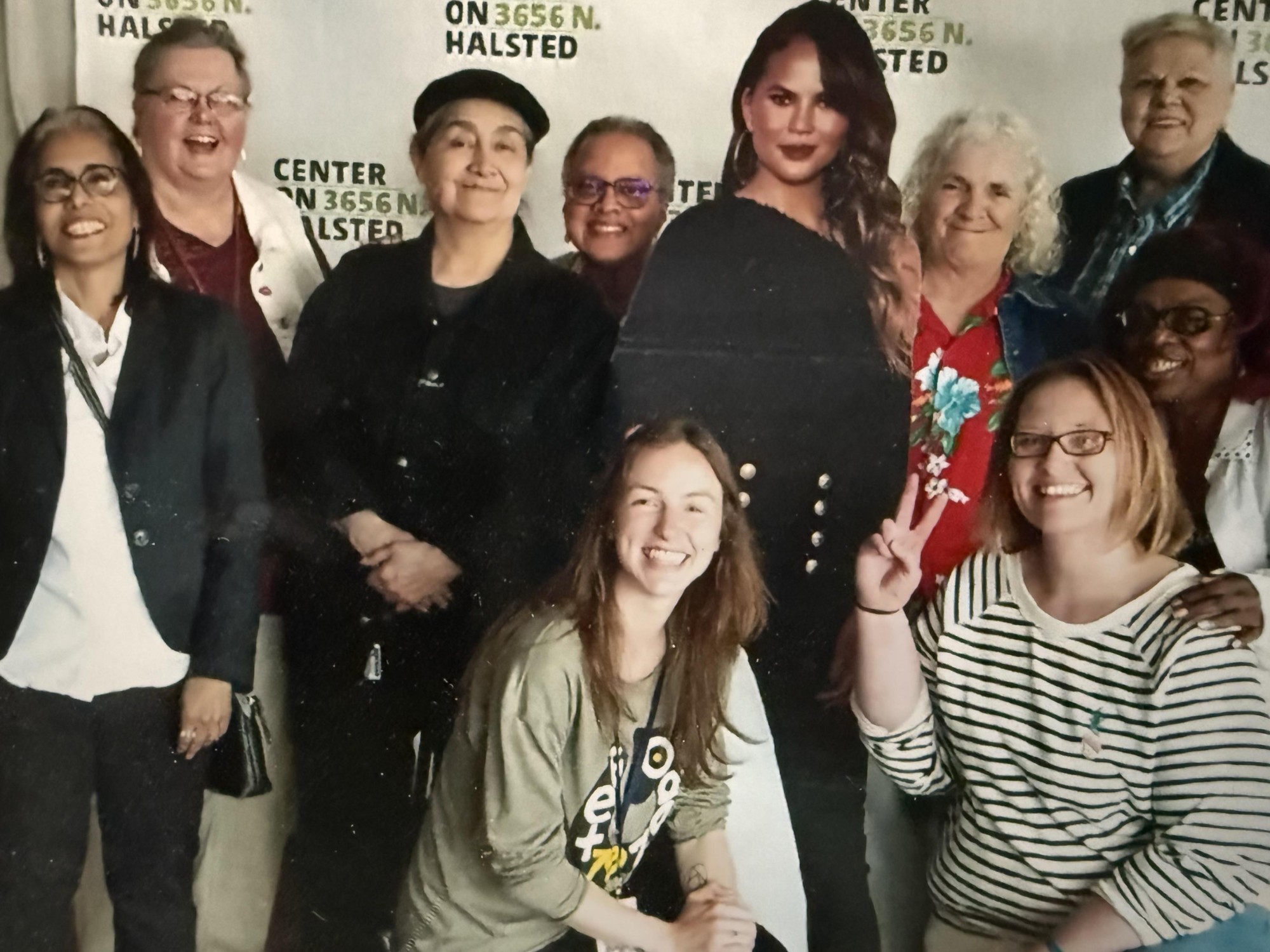
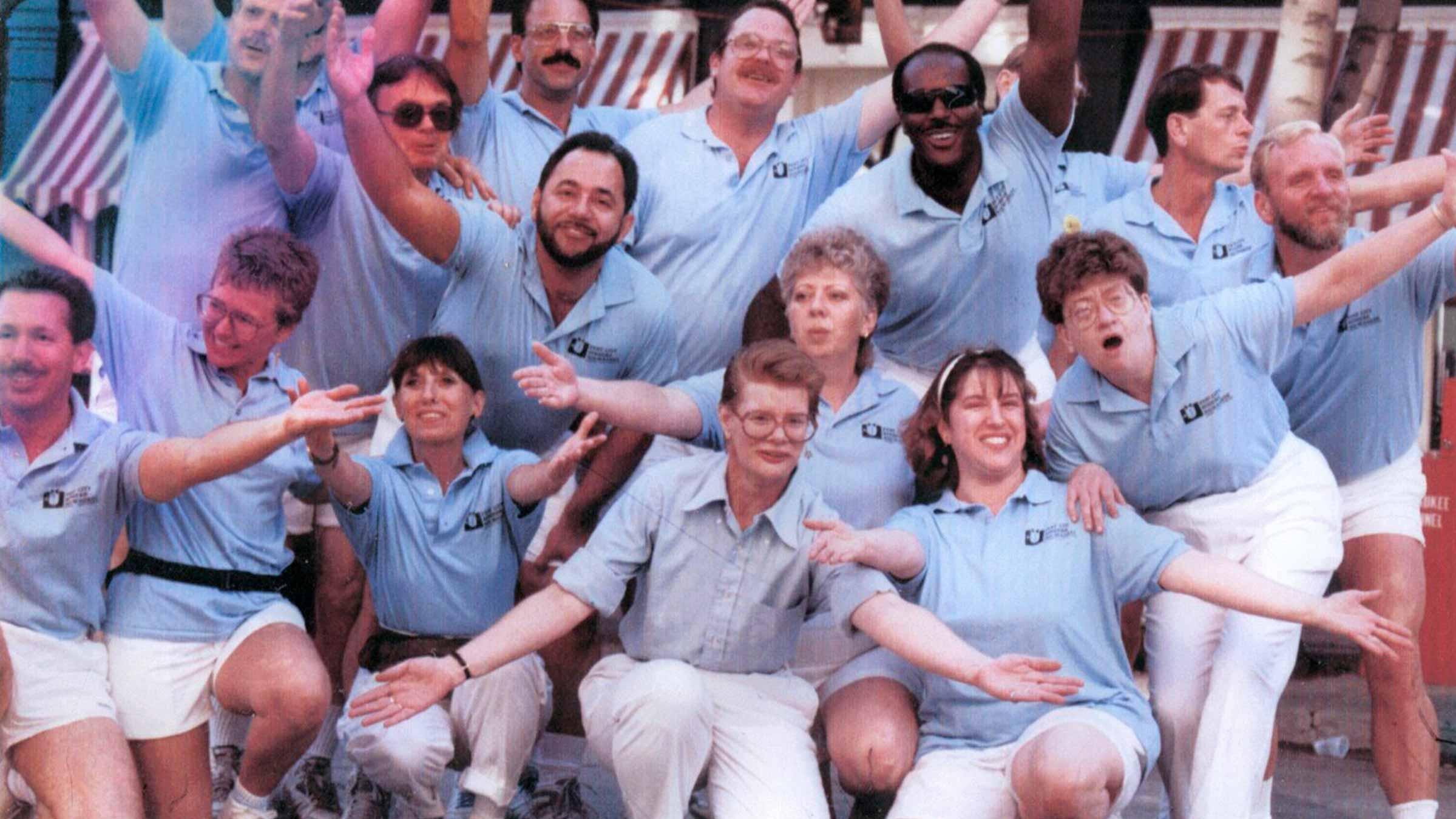
Pat and her community
Life as a gatekeeper
While caring for the sick and organizing the grieving, Pat was also wielding her camera as a political weapon. She became an active documentary photographer, capturing the raw, vital energy of the movement. She advised on campaigns and canvassed for political figures like Helen Schiller, alderman of the 46th Ward, future Congresswoman Sara Feigenholtz, and Larry McKeon, the first openly gay Illinois State Representative. She channeled her political clout not for personal gain, but to empower the community.
She became a political force, a gatekeeper who brought the crucial funding, volunteers, and awareness necessary to elect her chosen candidates.
“Jon-Henri Damski once told Sara: remember who put you in,” remembered Pat. “It’s not these people or those people, it’s her. It’s Pat. She’s the one.”
But by 1994, Pat was done with the politics of others. She had fought tirelessly for two decades, and the emotional depletion was profound. She packed away her campaign photos and turned her lens toward the natural world.
"I took my camera away from politics. I started doing nature. I needed to feed my soul versus feeding the careers of others."
Today, Pat remains a living, breathing encyclopedia of Chicago’s queer history. She remembers the basements of Gerber Hart, the first tiny storefront of Horizons (now Center on Halsted), and the tireless work to fund Howard Brown by any means possible. She is proud to have helped found and sustain organizations that have grown to massive importance. She notes the two degrees of separation that define the queer community across the Midwest.
When asked what lessons she would pass on, she is blunt, quoting AIDS activist Larry Kramer: "Learn your history. White closeted gay men are going to be the reason we lose our rights. I’m tired of people going into hiding and still running the show. Love who you are.”
For Pat Cummings, self-acceptance was never a mere philosophical choice—it was a survival mechanism, a political imperative, and the blueprint for the life she had pledged to herself as a teenager. She never once denied who she was, even when she was an out lesbian running for student government in Alabama in the 1970s.
Her life is a testament to the power of writing your own story. Every adventure, every tragedy, and every act of service was on her own terms.
“Someone once said to me, Pat, you have really lived. I considered that the highest compliment of all.”
The concept for this web site was envisioned by Don Schwamb in 2003. Over the next 15 years, he was the sole researcher, programmer and primary contributor.
If you would like to contribute as a blog writer please contact us.
recent blog posts
December 01, 2025 | Dan Fons
December 01, 2025 | Garth Zimmermann
December 01, 2025 | Sue Dietz
The concept for this web site was envisioned by Don Schwamb in 2003, and over the next 15 years, he was the sole researcher, programmer and primary contributor, bearing all costs for hosting the web site personally.
This work is licensed under a Creative Commons Attribution-NonCommercial-ShareAlike 4.0 International License.
© 2025 Wisconsin LGBTQ History Project. All Rights Reserved.