
- Places
 July 01, 2026 | Michail Takach
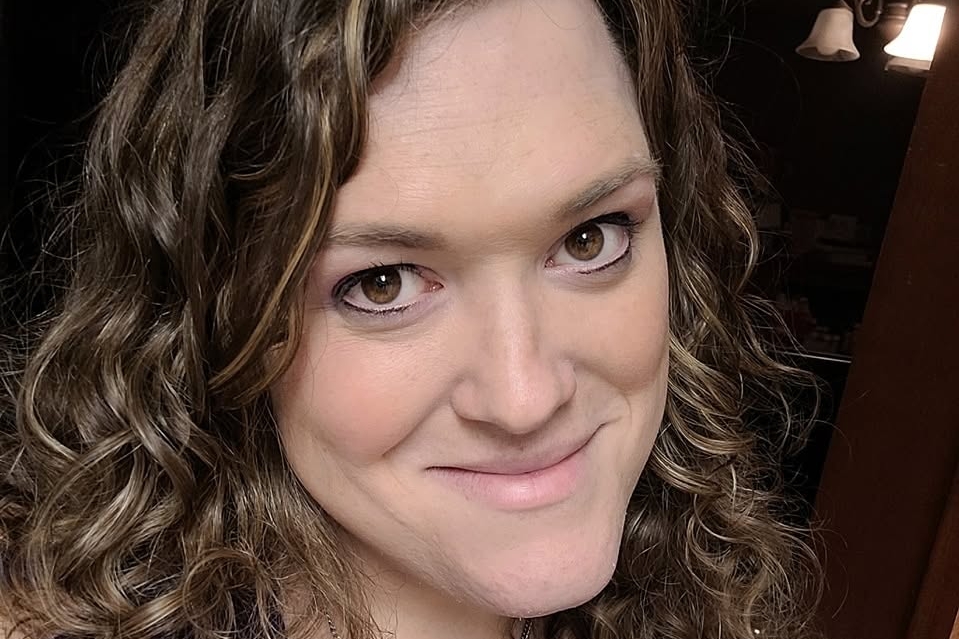
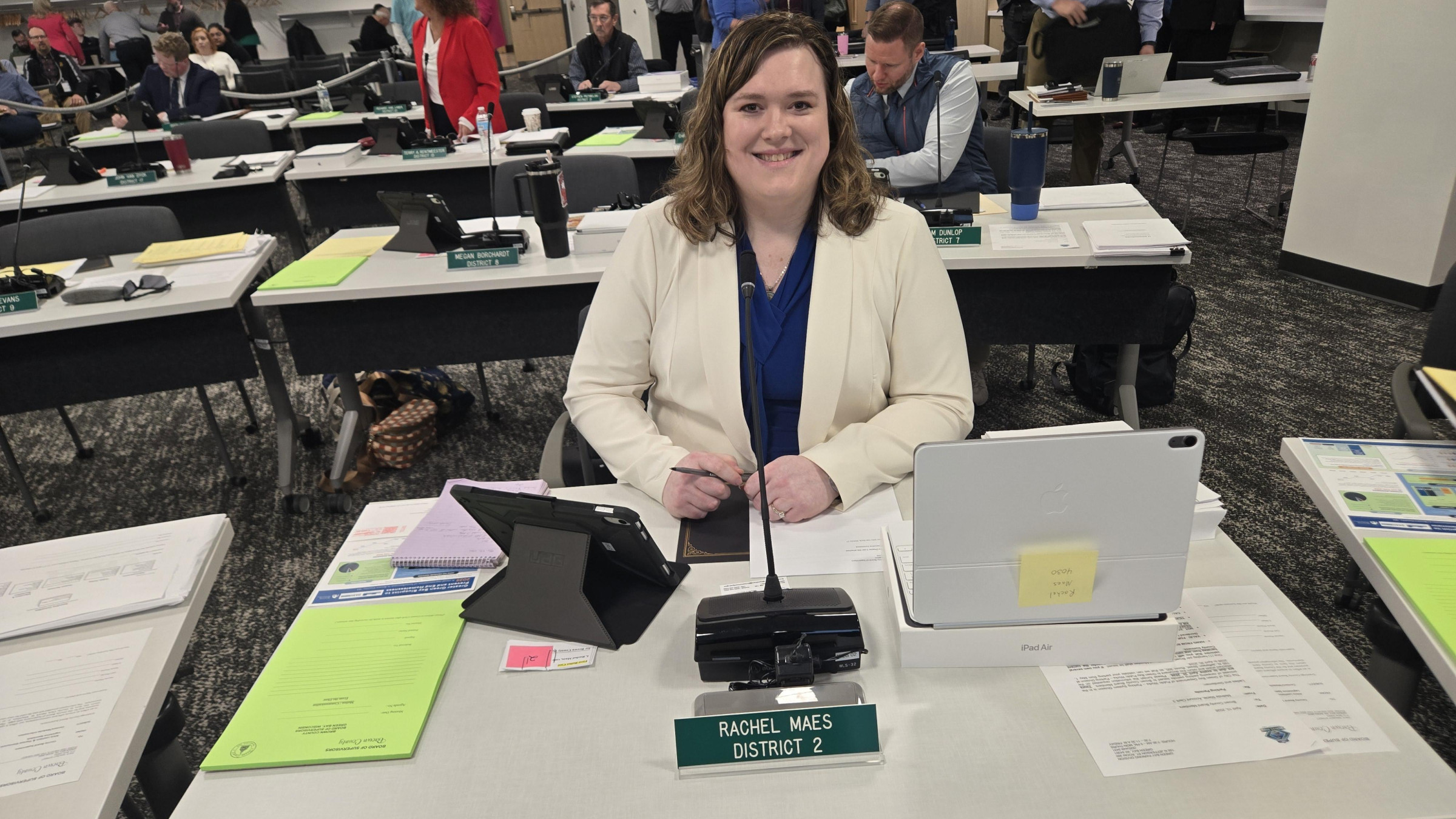
Rachel Maes: leading Green Bay with courage and conviction
Despite a lifetime of heroic achievements, she never expected to be anyone's hero.
Rachel Maes never set out to become anyone’s hero.
She never anticipated becoming a community leader, a legislator, or a changemaker.
She never imagined that one day, she would be one of northeastern Wisconsin’s most visible champions for transgender voice, visibility, and engagement. Yet her life — shaped by perseverance, public service, and a profound commitment to honesty — has become exactly that.
Today, as a recipient of the 2026 BeSeen Award, Maes stands as one of the region’s most compelling examples of what it means to lead with courage, clarity, and compassion.
Her story begins in Milwaukee, winds through Green Bay, Madison, Minneapolis, Superior, and back again, tracing a path defined by a relentless pursuit of purpose. It is a story about the revolution that happens when a person decides to live fully, openly, and without apology.
A childhood of overachievement
Born in Milwaukee and raised in Green Bay, Maes grew up with a drive that seemed almost gravitational. She excelled academically, athletically, and socially — captain of the football team, rugby player, National Honor Society member, mock trial competitor, and a student who graduated high school with 29 college credits already earned. She was, by her own admission, a serial overachiever, someone who chased the American dream almost obsessively.
At the University of Wisconsin–Madison, she graduated in the top 10% of her class and double-majored in political science and Russian, imagining a future in intelligence work.
“I wanted to be a spy,” she laughs, “but that wasn’t exactly compatible with the family we were building.”
She married early, started law school in Minnesota, and welcomed three children into her life. By her early thirties, she had achieved nearly every traditional marker of success: education, marriage, career, homeownership, stability.
But, beneath the surface, her greatest challenge was becoming louder and louder.
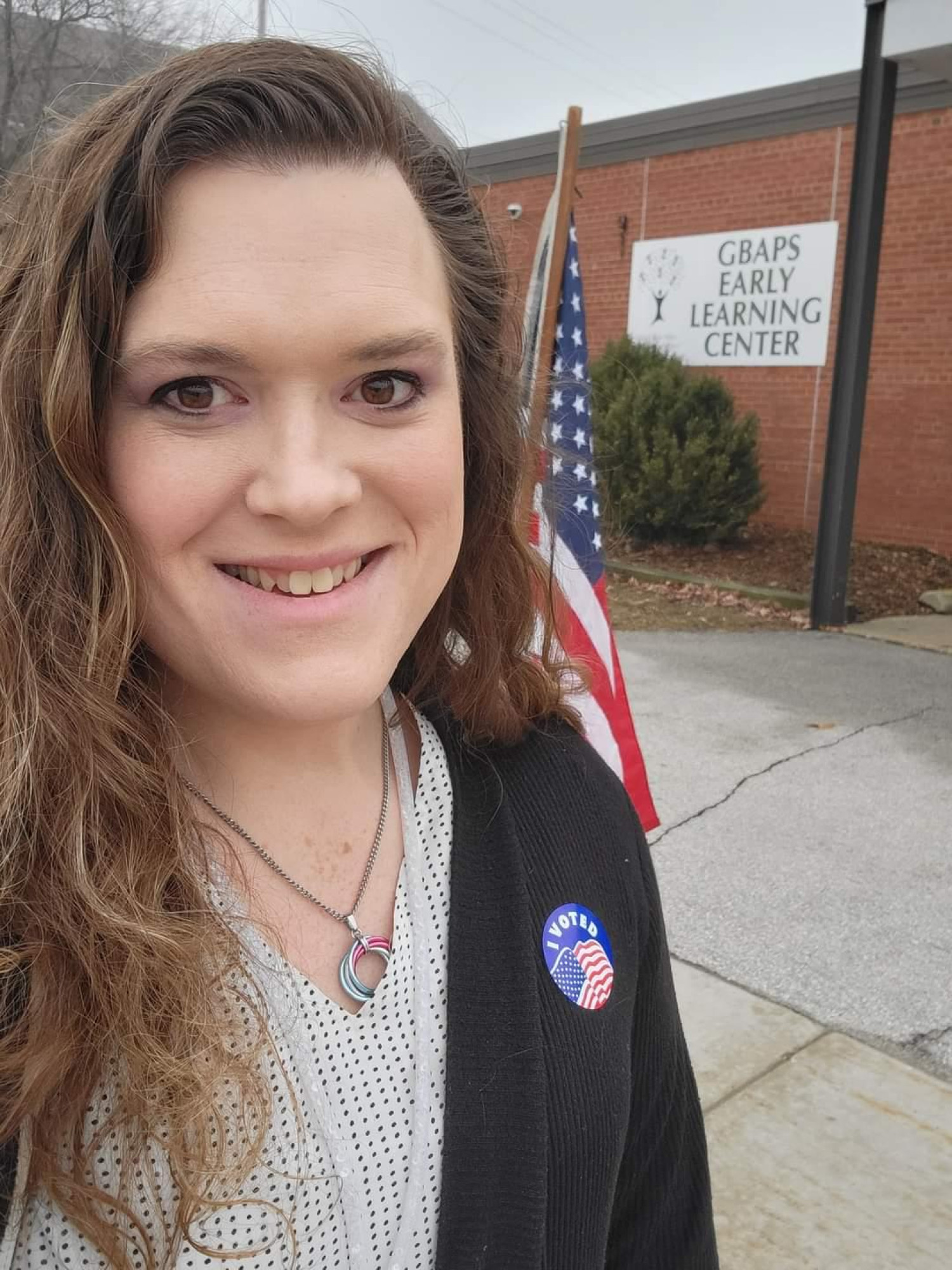
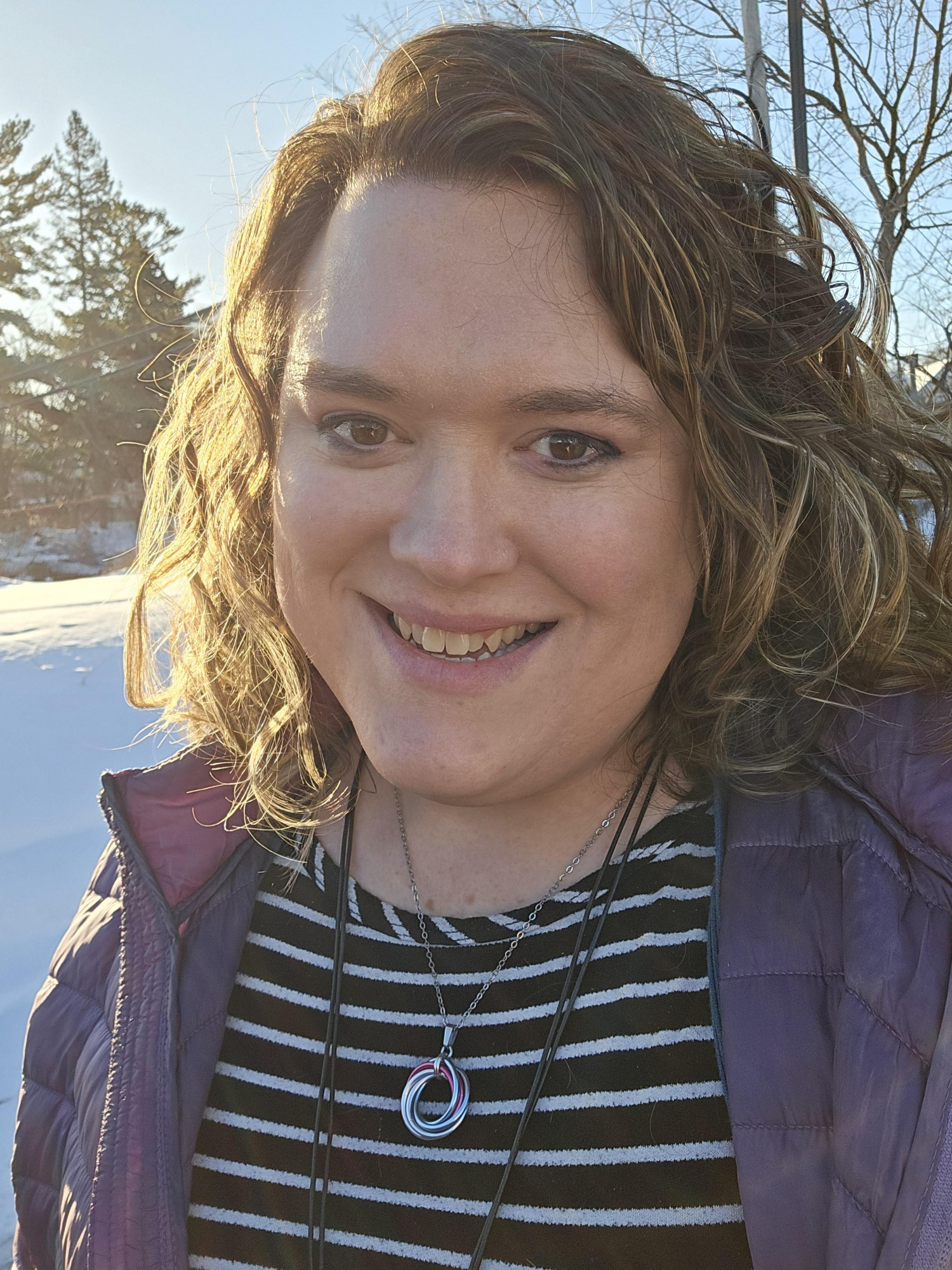
Rachel’s coming out process was surprisingly simple. First, she updated her Facebook name and profile photo, Then, she posted a message stating “no, my account has not been hacked – this is me.” She let the announcement sit for 24 hours before reviewing or responding.
The response was overwhelmingly positive. Friends from every chapter of her life — grade school, college, early legal career — reached out with support.
“I had feared villagers with pitchforks,” she says. “Instead, I was met with compassion.”
Her children adapted with remarkable ease. Her oldest struggled – for a moment -- when he first saw her wearing makeup. “This is different,” he said. Rachel helped him connect the experience to his own joy in expressing himself by wearing streaks of red, spray-in color in his hair to school. “That’s how I feel when I wear makeup,” she explained. The lightbulb went on. From that moment, he understood.
Her youngest, born in 2019, has only ever known her as Mommy.
Life without limits
Transitioning unlocked something profound in Maes: the confidence to step fully into public life.
“Once I gave myself permission to live,” she says, “I could be fully present — not just for my kids, but for my community.”
She joined the boards of NeighborWorks Green Bay and the YWCA. She became a founding member of the Bay Area Council on Gender Diversity. She helped establish the Baird Creek Parkway Neighborhood Association. She served on the State Bar of Wisconsin’s Board of Governors. She ran for circuit court judge in 2021 and county board supervisor in 2022 — not because she expected to win, but because she saw unmet needs, and felt compelled to advocate for meaningful change.
Running for office as a newly out transgender woman was certainly not easy.
“I had family members who didn’t recognize my name,” she said. Yet the campaigns gave her a platform to elevate issues of equity, accessibility, and community investment.
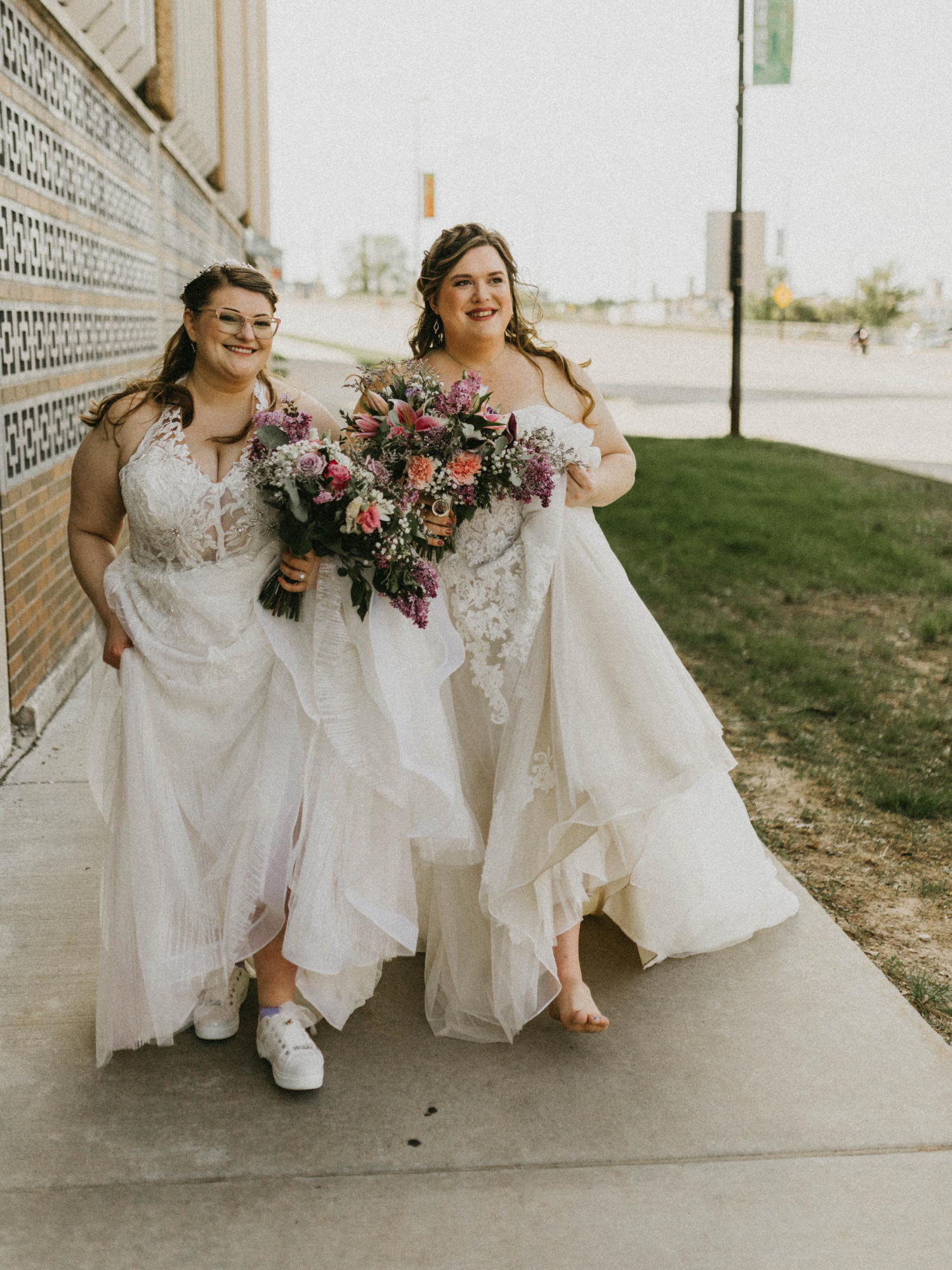
Pause for applause
The BeSeen Award honors LGBTQ-identified individuals who have elevated community voice, visibility, and engagement — people who make their communities safer, more informed, and more compassionate. Her story is not one of perfection, but of perseverance. Not one of comfort and convenience, but of courage and conviction. Not one of profit and gain, but passion and grit. Not building a personal brand, but achieving her personal best to build a better world.
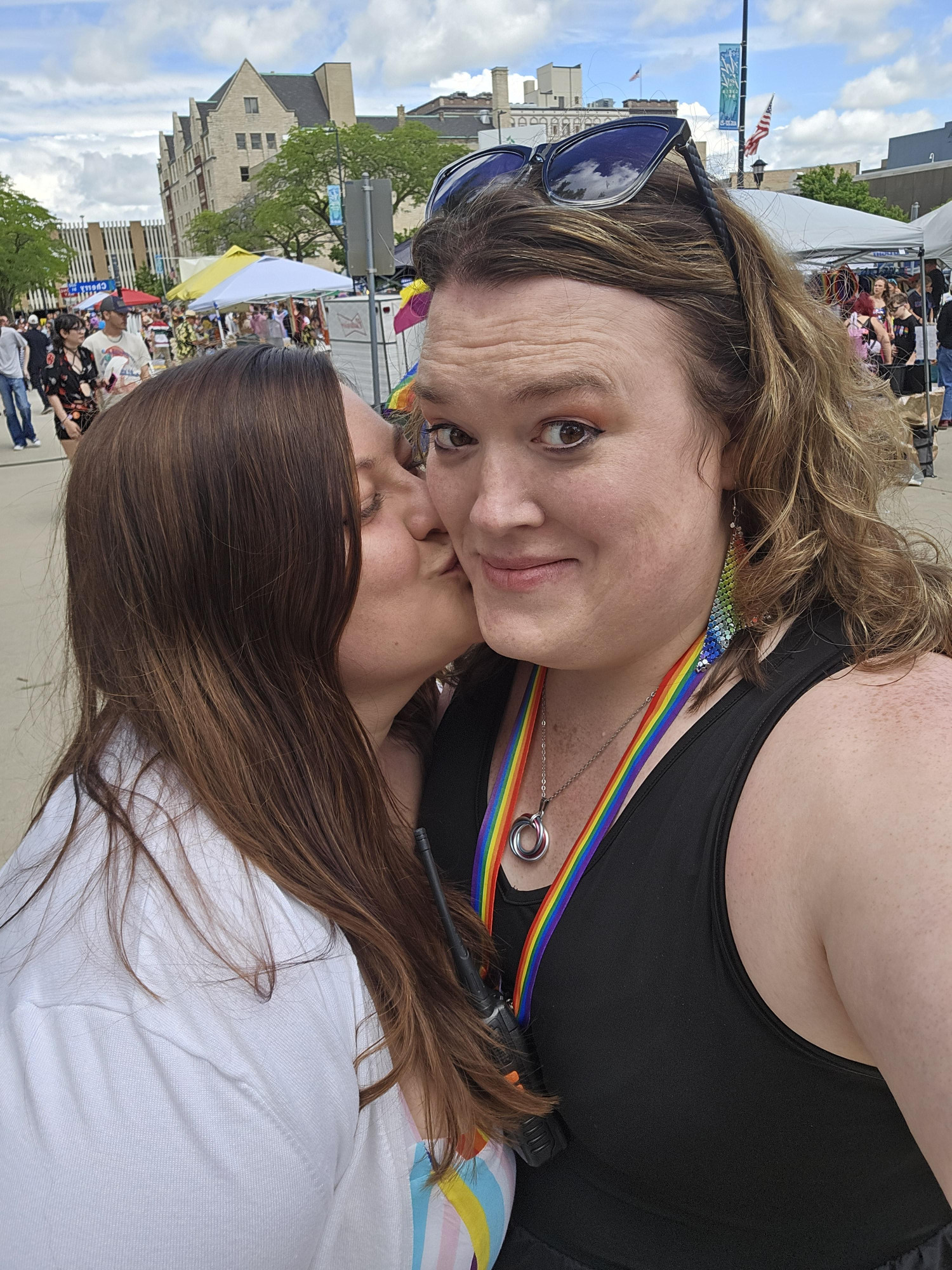
Today, Maes continues her work as a municipal prosecutor, community organizer, board president, advocate, and mother. She is remarried, grounded, and thriving. She knows the joy of being loved and supported by her wife for all of the ways she is authentically Rachel. She shows up -- for her kids, her neighbors, her colleagues, and the countless people who reach out seeking guidance, solidarity, or simply hope – and she just keeps on showing up.
Her life is a testament to the power of choosing authenticity over fear, service over silence, and courage over conformity. Thank you, Rachel, for taking a stand to be seen!

recent blog posts
September 25, 2026 | Amy Luettgen
Val Benner: finding identity, community, purpose, and belonging
September 18, 2026 | Amy Luettgen
Dr. Amney Castaneda: creating the support she once needed herself

September 11, 2026 | Amy Luettgen
The concept for this web site was envisioned by Don Schwamb in 2003, and over the next 15 years, he was the sole researcher, programmer and primary contributor, bearing all costs for hosting the web site personally.
join our email list
Get WI LGBTQ History Project updates in your inbox.


