
- Places
 November 09, 2026 | Michail Takach
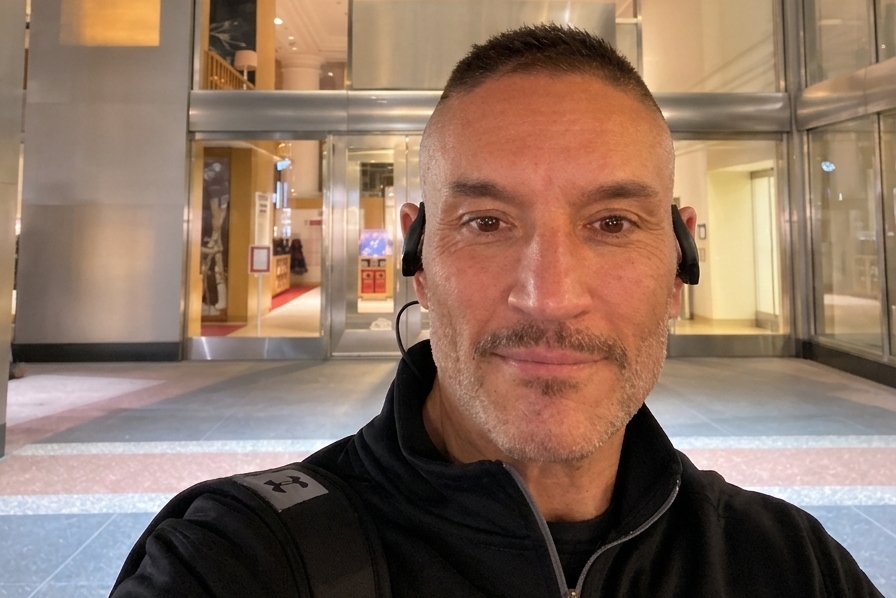
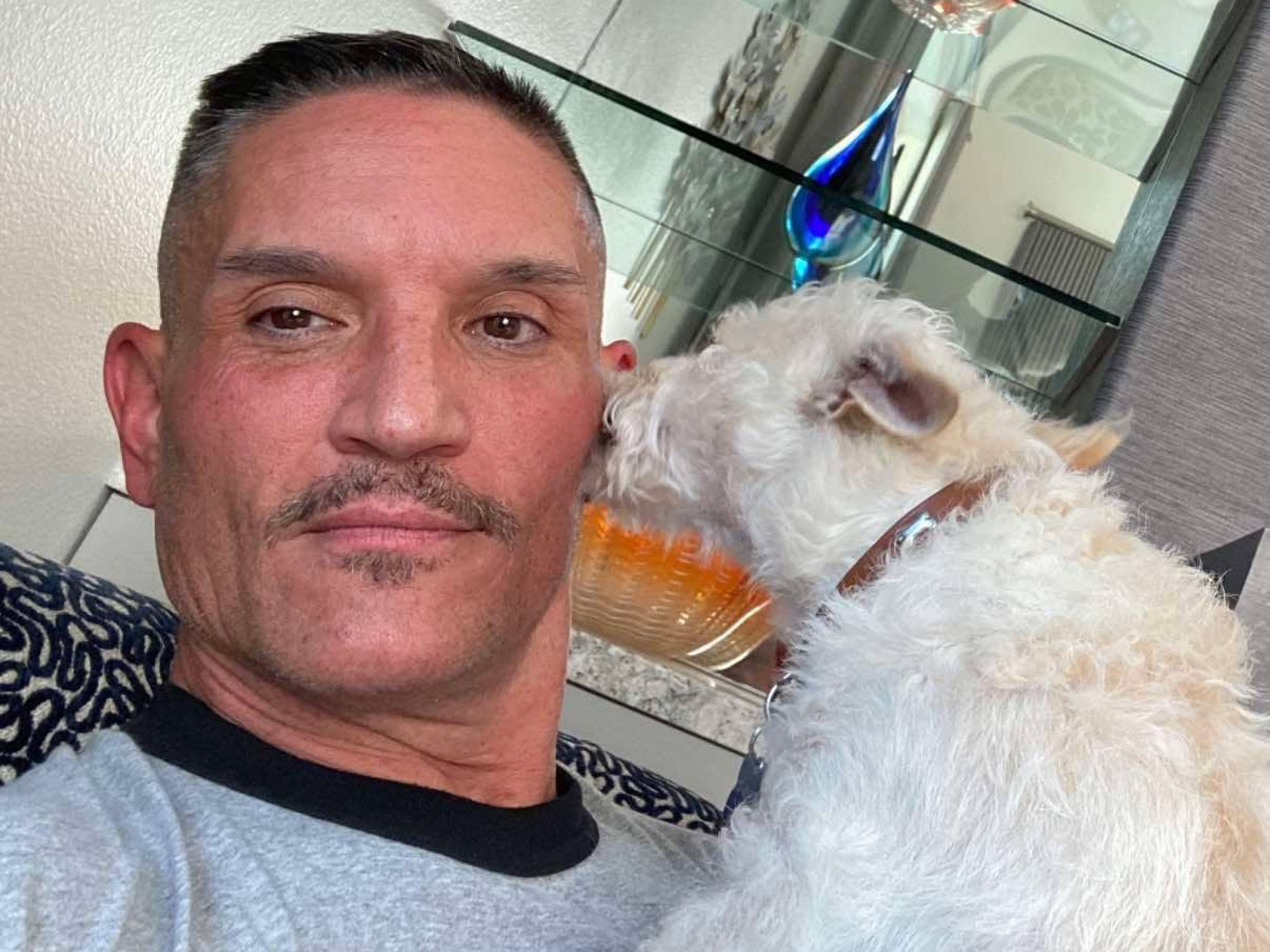
Steve MIller: living out loud without apologies
Steve Miller has spent much of his life navigating worlds that didn't always know what to make of him.
Growing up Native and biracial in suburban Wisconsin, coming to terms with his identity as a gay man, and experiencing military exclusion after another airman outed him, Steve encountered more than his share of prejudice and rejection. But he also discovered something more powerful: the unconditional acceptance of family, the freedom to live authentically, and an enduring connection to the heritage that would eventually bring him home.
Today, a proud member of the Stockbridge-Munsee Band of Mohican Indians, Steve lives in the Wisconsin Northwoods with his husband, Jim Balistreri. After decades spent traveling the globe and building a life in the outside world, he has returned home to his ancestral community, where he is rediscovering his Indigenous roots and witnessing a new generation of LGBTQ Native youth embrace their identities with pride.
His journey offers a remarkable window into the intersection of Wisconsin's Indigenous and LGBTQ histories, and a reminder that sometimes the most powerful form of pride is simply being seen for who you are.
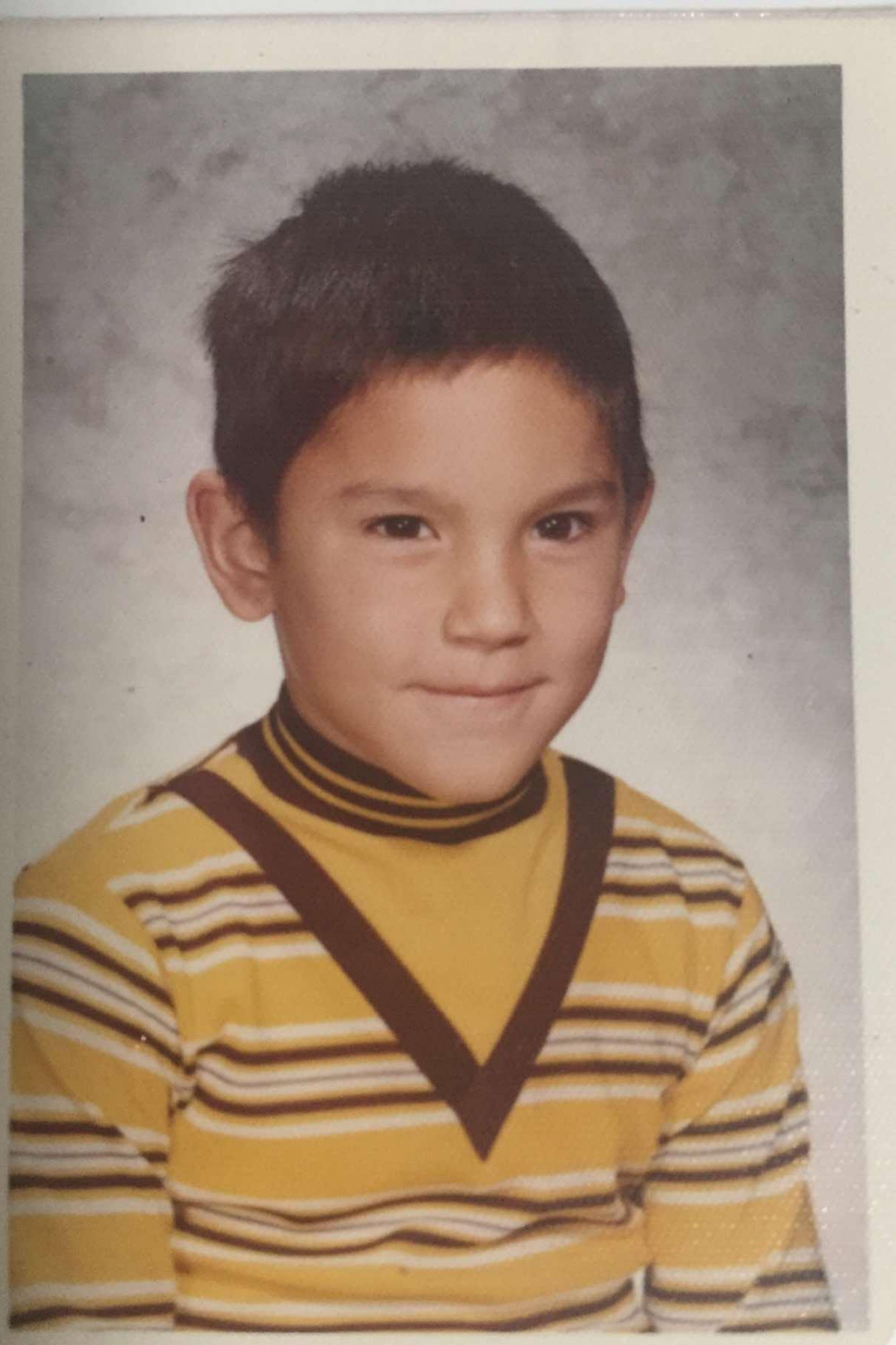
Growing up in the late 1970s and early 1980s, Steve knew he was gay, but finding examples of people living openly was another matter. There were few visible LGBTQ role models around him, on television, or within the Native communities he knew. Gay people weren’t talked about at all on the reservation.
“Gay was a word kids used to insult each other,” said Steve. “It was not a name you wanted to be called.”
He relied on his instincts, his close relationships with male cousins who took him hunting, fishing, and riding motorcycles, and the strong sense of self his parents had helped instill.
Shortly after graduating from high school, a trip to Madison with friends unexpectedly became his coming-out experience.
"The drinking age was 18 at the time, so it was a free-for-all," Steve recalled. "We went to the NewBar -- I'm aging myself here -- and Rod's. We all went our separate ways that night, hooked up at the bar, and reconnected the next morning looking bashful about it."
"Well, the rest is history. All three of us came out on the same night -- with three guys who were also friends."
For Steve, it was an unexpected beginning to a new chapter.
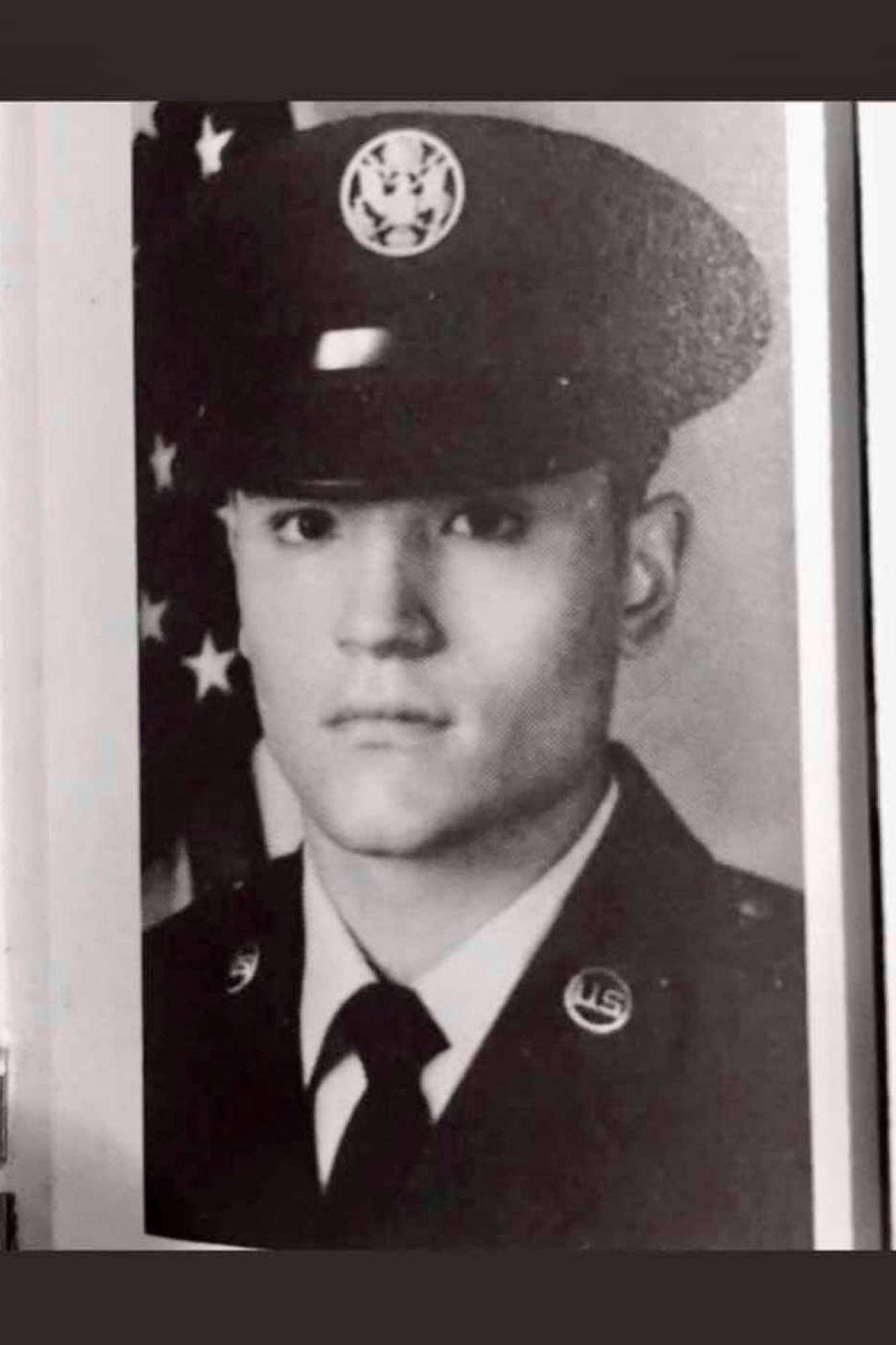
Wanting to serve his country and see the world, he enlisted in the military soon afterward. But at just 19, his military career was abruptly cut short when another airman outed him to military authorities.
Under the exclusionary policies in place before the implementation of Don't Ask, Don't Tell in 1993, gay and lesbian service members could be investigated and discharged because of their sexual orientation. Steve found himself caught in a system that forced him out of an institution he had hoped to serve.
During the discharge process, an unexpected ally emerged: his commanding officer's wife. She was a prominent interior decorator from Atlanta with a gay brother of her own. Surprisingly, she stepped in to advocate for Steve, reassuring him that he would be okay and making sure he was treated with dignity throughout the process.
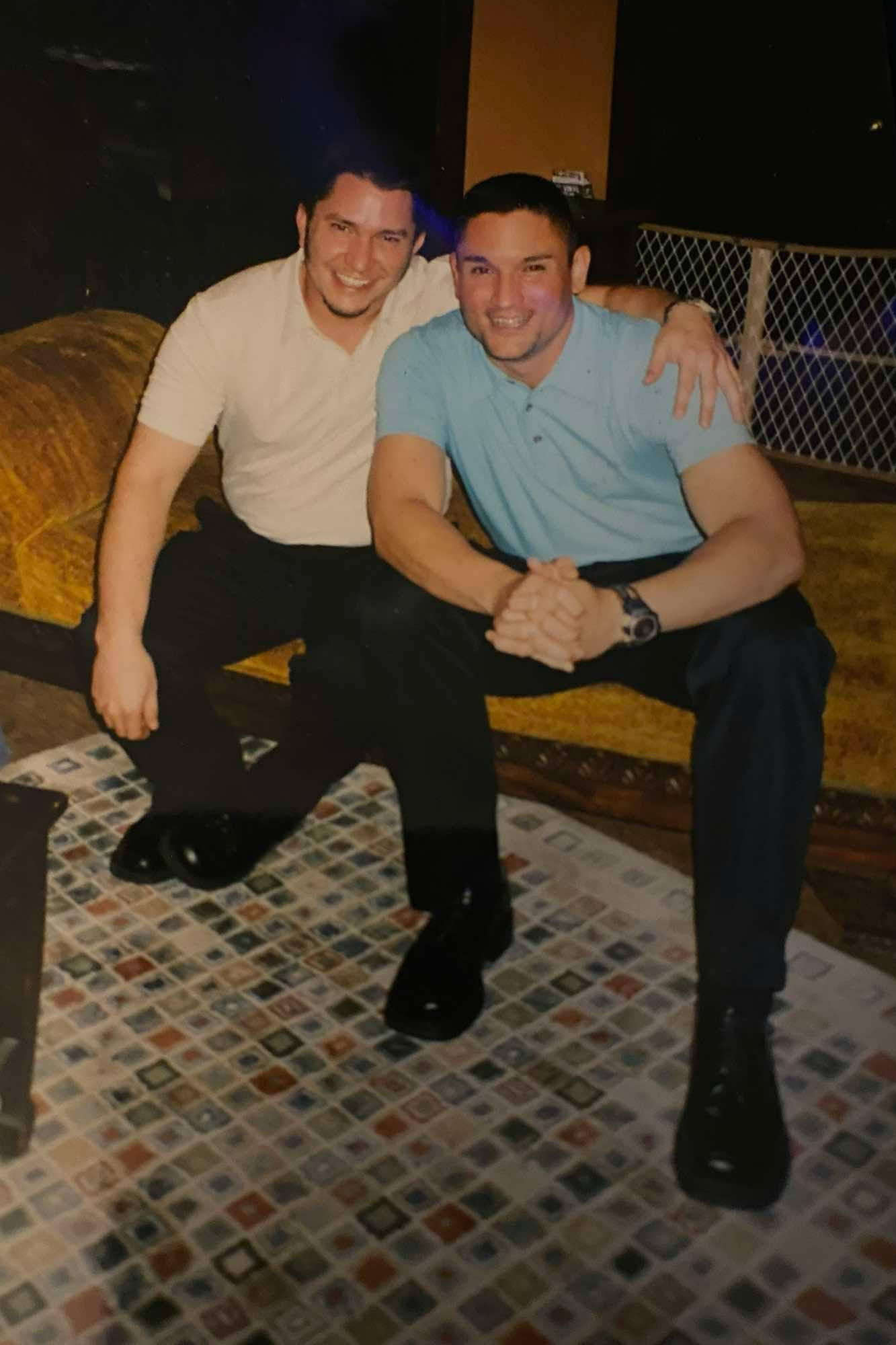
But perhaps the most meaningful part of returning has been reconnecting with a heritage that, like so much Indigenous culture, was not openly celebrated during his childhood.
Steve has witnessed a remarkable cultural revitalization on the reservation. Growing up, Native language, traditions, and history were often suppressed or hidden under the painful legacy of Indian boarding schools and generations of forced assimilation. Today, he sees a very different environment. Native language signage lines the roads. Cultural programs are flourishing. Plans are underway for a new cultural center on tribal land. Steve has even taken up learning to play the traditional Native flute.
This transformation is especially meaningful for Steve, who grew up with limited access to historic Indigenous culture. Returning home has offered Steve the opportunity not simply to revisit his past, but to participate in the continued preservation and celebration of his community's heritage.
“Being Stockbridge-Munsee means I am part of a community that works for the greater good of everyone in that community,” said Steve. “I can take what I have learned and give back to make a stronger experience for us all. I have been able to rediscover our heritage and history. I have the privilege to see our traditions and make them my own.”
“I feel like I am home because it is a safe space. That is how I always remember it. I feel the community creates a feeling of extended family. The big difference for me in the reservation is the multiple businesses that we now own and run. The businesses were not there when I was growing up. Business development has generated not just opportunities and benefits, but a lot of pride in ownership.”
Equally meaningful to Steve is the growing visibility and acceptance of Two Spirit and Native LGBTQ people.
Two Spirit is a contemporary umbrella term used by some Indigenous people to describe identities and experiences related to gender, sexuality, and cultural or spiritual roles. Indigenous nations have their own distinct traditions and understandings, and the term does not represent one universal historical experience.
For Steve, the increasing recognition of Two Spirit identities represents an important change from the world in which he grew up. He remembers having few visible LGBTQ role models and little opportunity to see Indigenous LGBTQ people celebrated within their communities.
In June 2026, Steve and Jim attended the first Wisconsin Two Spirit Pow Wow at the Woodland Bowl in Keshena, where they witnessed Indigenous families embracing and celebrating their LGBTQ children.
"It was so wonderful to see all these kids, dressed in their pride colors, and proudly being themselves, with their whole family sitting right there supporting them," Steve said. "It really feels like the world is changing -- even up here on the reservation."
“My advice to the younger generation LGBTQ Natives is to be true to yourself,” he said. “The support from our community is amazing, but don't take it for granted. That support is what made my homecoming so special.”
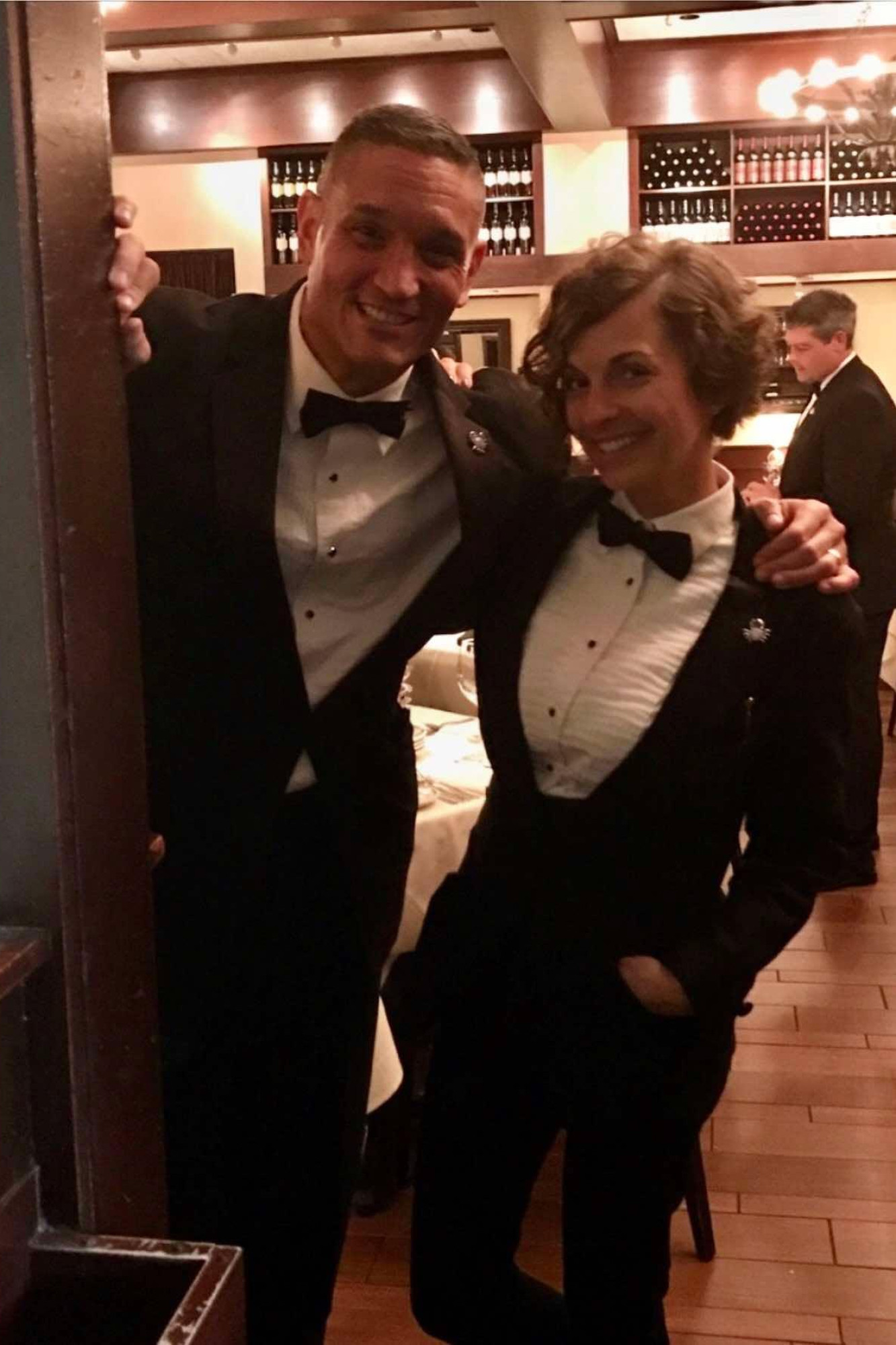
Today, Steve and Jim are comfortable being themselves wherever life takes them. Jim runs the bar at a popular Shawano steakhouse and introduces Steve to regulars as his husband. Steve is equally open about his personal life with casino colleagues and guests.
They simply live their lives. Without any hesitation, without any explanation, and without any apologies.
In rural Wisconsin, where LGBTQ visibility can still be limited, those everyday interactions matter. Each introduction, conversation, and shared experience helps make LGBTQ people more visible and familiar to their neighbors and communities.
Steve believes some of the most meaningful activism happens without a microphone, a protest sign, or a public platform. Sometimes, it comes from simply being present and refusing to hide.
One of their Chicago friends once offered an observation that stayed with them: "By being visible in a rural area, you're doing more for pride than you even know."
For Steve, that visibility is also part of a much larger story. He knows firsthand what it means to live without apologies. Today, by simply being himself, he is helping make sure the next generation has even more reason to live out loud.

recent blog posts
November 02, 2026 | Michail Takach
Christopher Peguero: bridging roots, resistance, and reconciliation
October 23, 2026 | Ricardo W. Harris
October 23, 2026 | Ricardo W. Harris
The concept for this web site was envisioned by Don Schwamb in 2003, and over the next 15 years, he was the sole researcher, programmer and primary contributor, bearing all costs for hosting the web site personally.
join our email list
Get WI LGBTQ History Project updates in your inbox.


