Places
Wisconsin LGBTQ History Project Fundraiser
If you appreciate the History Project's work, we hope you'll support the second fundraiser in our 29-year history!
We are a self-funded, independent, all-volunteer, non-profit team -- and we provide most services FREE to the community.
Wisconsin LGBTQ History Project Fundraiser
If you appreciate the History Project's work, we hope you'll support the second fundraiser in our 29-year history!
We are a self-funded, independent, all-volunteer, non-profit team -- and we provide most services FREE to the community.
“She did not lose; AIDS did not win.”
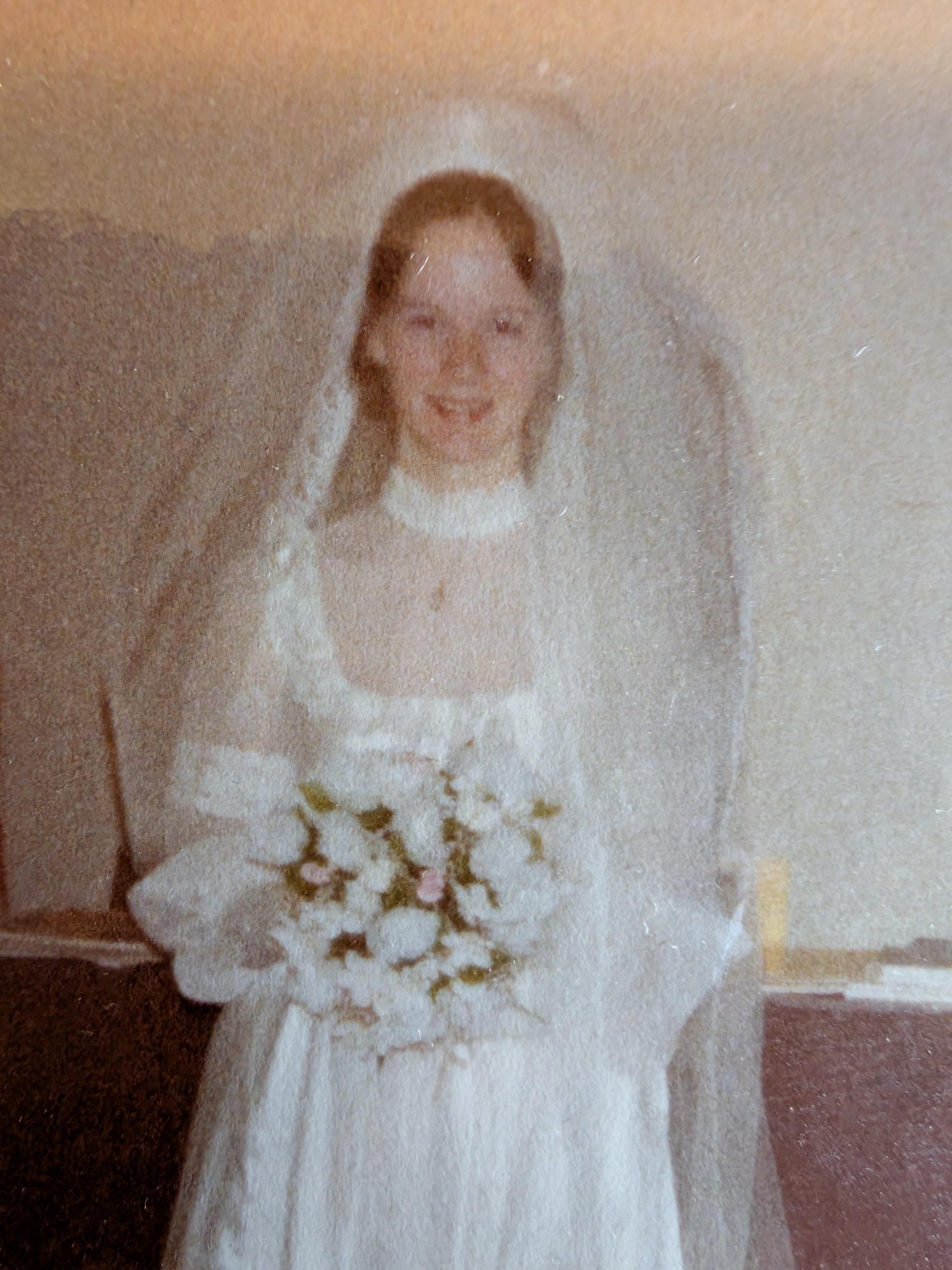
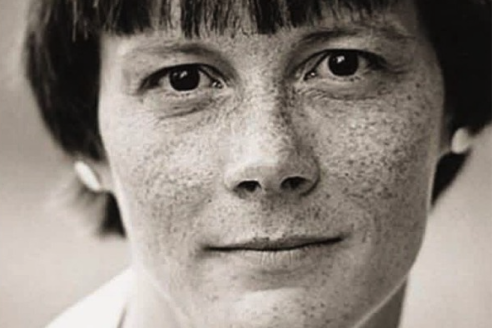
Dawn Wolff always remembered the day that changed her life forever.
It was November 23, 1989, the day before Thanksgiving, and the day she was diagnosed with AIDS.
“I was shocked,” she told the Milwaukee Journal in 1990. “I had never done drugs. I’d only had sex with my husband. AIDS was just something I never thought about. I thought I wasn’t at risk.”
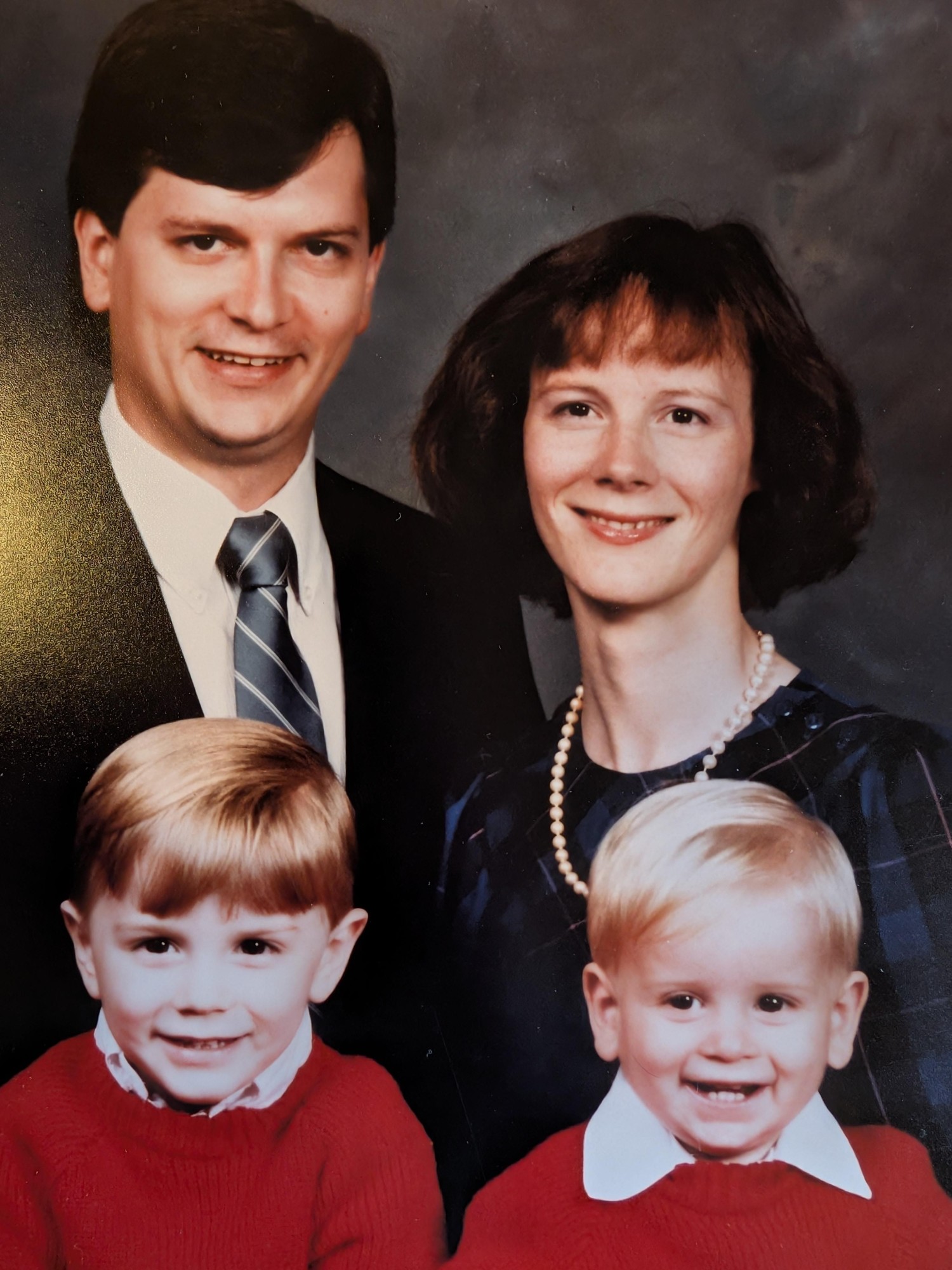
Dawn was only 30 years old. Since the birth of her youngest son, Nile, her health had been rapidly declining. As a licensed practical nurse (LPN,) Dawn was very aware of the AIDS crisis, as well as the common symptoms of infection. She never considered that she, as a heterosexual woman, wife, and mother, should be tested herself.
And now, here the diagnosis was, and it was harrowing. Dawn had not only contracted the virus from her husband but transmitted it to her baby. Nile had been born with AIDS. In 1989, the disease was still considered a terminal, late-stage condition with a median survival time of 16 to 18 months. Simply put, AIDS was still a death sentence.
Suddenly, Dawn had to consider two equally horrifying futures: one, where her child might die before her, or the other, where she would pass away and leave her child behind to die without her. And, in both scenarios, her other son, Sean, would be left behind without his mother and brother.
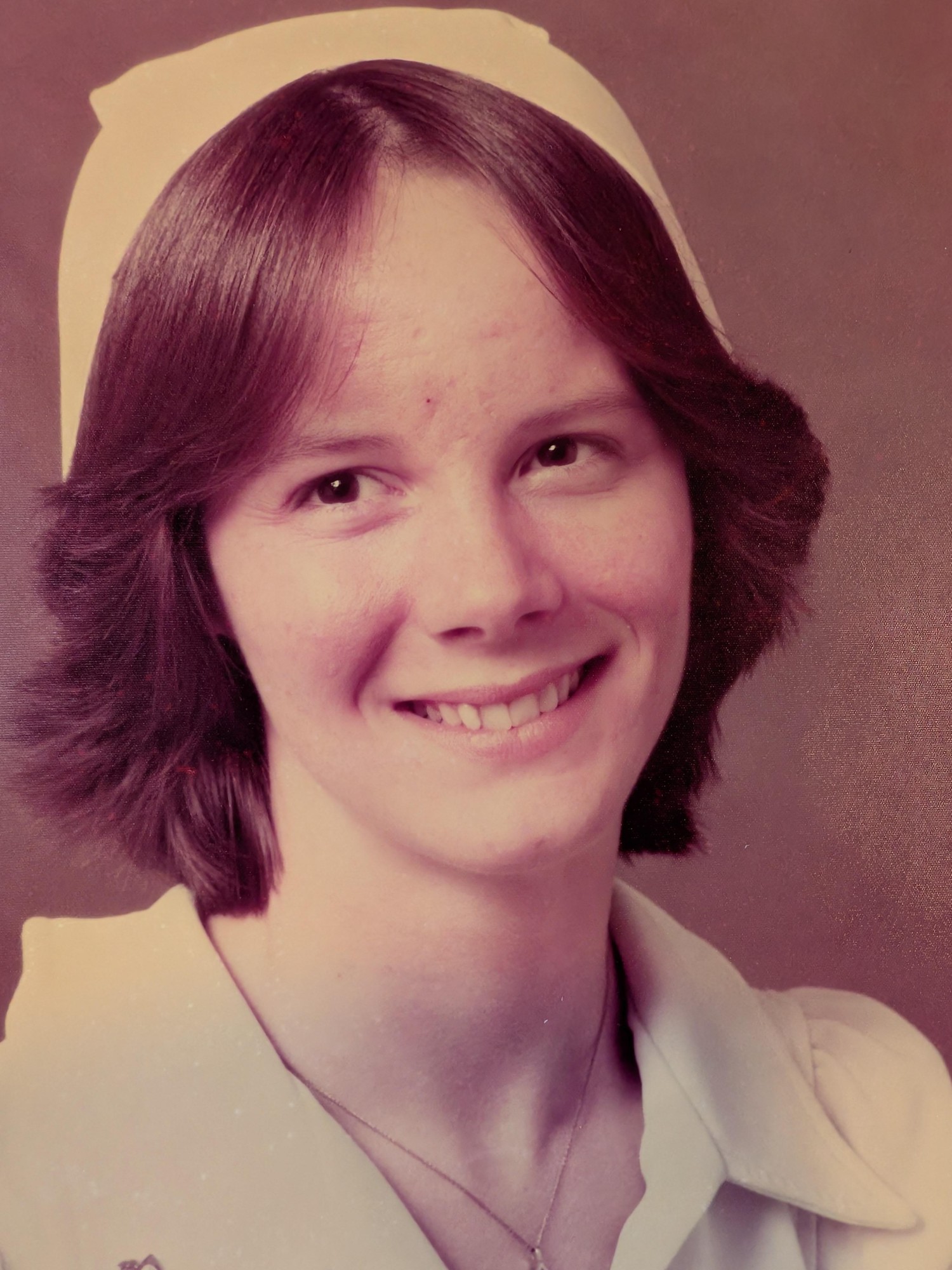
“One night, she dreamed about this door, and she had a sense that death was on the other side,” said Nile. “Passing through the door meant passing into the afterlife. But she was told, you’re not going to go through here, as long as your children still need you. That deeply shaped her, and stayed with her, and she firmly believed that she would not die until her children were able to live without her.”
“She talked about this dream on multiple occasions. She had this sense that God was going to see her through. When the journey came to an end, she would let go, because we’d be OK.”
Dawn confronted her condition with courage, resilience, and unwavering devotion to her children. Facing a devastating medical battle, Dawn made a brave choice. Instead of retreating into the shadows, she stepped into the public eye to advocate for those who could not, challenging the profound ignorance that surrounded the epidemic.
The Moral Majority was spouting a narrative that AIDS was a punishment for sinners, but Dawn’s lived experiences were a direct contradiction. She knew that there were other women like her – straight, mothers, wives – who were at constant risk. Nobody was talking about these women. The media had long mispresented AIDS as a gay disease, which led to an uneducated and unfair public misperception that “only” gay men were at risk of infection.
Dawn knew that if she could change hearts, minds, and policies, AIDS would not win in the end. By the time she passed away on August 16, 2010 – over 20 years after her life-changing diagnosis – Dawn had witnessed HIV/AIDS care advance beyond her wildest dreams.
An age of absolute anxiety
To understand the magnitude of Dawn's bravery, you must understand the terrifying HIV/AIDS landscape of the early 1990s. The statistics in Wisconsin were grim, and the situation was graver by the moment.
After separating from her husband, Dawn relocated from Iowa to Milwaukee, Wisconsin. She moved to Thiensville, where she developed a strong friendship with Debbie Boppre, whose daughter Gina was the same age as Nile.
“My parents separated when I was three,” said Nile. “My first memories of my mother were cuddling, closeness, deep affection. I was a mama’s boy, and I was never going to leave her. She was always going to live with me. Forever.”
Misinformation, stigmatization, and a lack of education fueled a widespread community panic, often directed at the most vulnerable. Neighbors speculated wildly about how the disease was transmitted, with some even worrying they had caught AIDS from caramel corn that Dawn had made. Another neighbor expressed concern about sharing the same laundry facilities.
Dawn had to leave her home church due to AIDS paranoia but soon found a more comforting and accepting community at Hepatha Lutheran Church in Milwaukee.
The stigma spread quickly into the school system. In September 1991, fear gripped a Mequon-Thiensville School Board meeting after parents learned a child with AIDS was attending Oriole Lane Elementary School. Twenty-five parents attended the meeting, where principal Bernie Roeker urged them to "think of the little boy.” That little boy was Dawn’s son, Nile Sandeen.
Nile was accused of spitting at children to endanger their health. Classmates backed away from him with their hands up, having been warned not to touch him. Some people wanted him to have his own separate bathroom. One parent pulled her child from Nile’s kindergarten class, stating, "I'm not convinced AIDS does not pose a threat to my child. There are too many unknowns.” Another parent questioned, "Shouldn't the district have told us?”
At the time, privacy laws prevented the school district from disclosing the HIV status of any student, much less their identities. The law also prevented schools from excluding students for any medical condition.
Fortunately, most of the parents in Nile’s kindergarten were very supportive and understanding.
“It was just a few who made the most noise who got the attention,” said Nile. “My mother’s efforts to educate families was already making a real difference.”
This playground panic hit at the worst possible time. Dawn, facing a series of infections, was hospitalized at Aurora St. Luke’s Medical Center. She wanted nothing more than to be at these hearings to defend Nile. She fought hard to get well, so she should get home in time for her son Sean’s first soccer game.
The situation drew immediate parallels to the struggles of Ryan White (1971-1990) of Kokomo, Indiana. Her friend Neil Willenson arranged for her to meet with Ryan White’s mother, who advised her not to “give in” on the school issue. Mrs. White had agreed to her local school district’s requests for separate facilities for Ryan, thinking it would calm the fears. Instead, these concessions amplified the fears while further isolating Ryan.
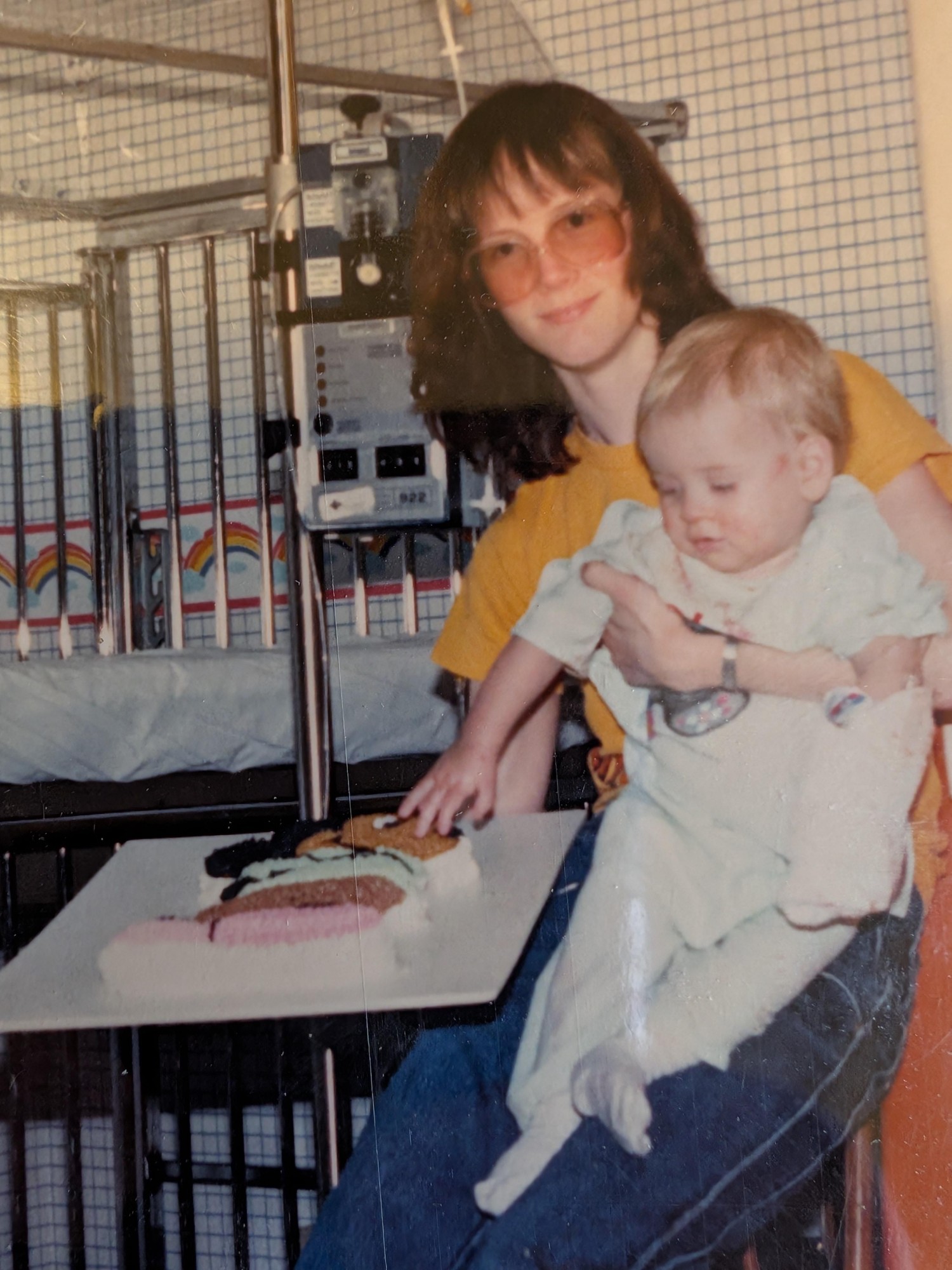
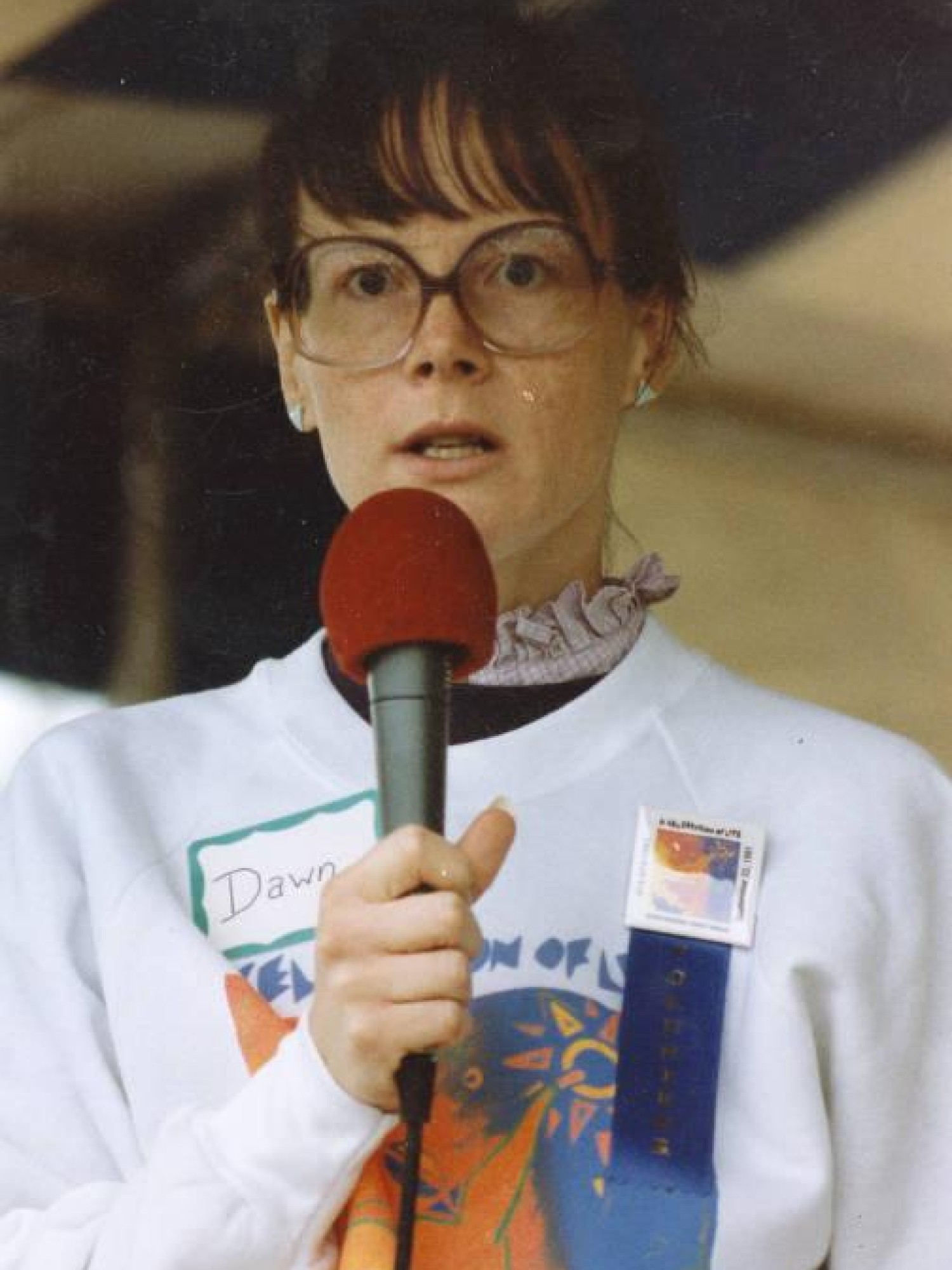
Despite the judgment, Dawn refused to hide. She bravely went public using her real name, determined to advance AIDS awareness, at a time when most people with AIDS were terrified to be seen. She became one of the first public voices for AIDS education.
“If I use my real name, rather than an alias, it’s harder to deny the existence of this issue,” she told the Milwaukee Journal in 1990.
“She had the heart of a mother and the tools of a nurse,” said Nile. “She used Duplos and Legos to explain AIDS to children in a way they could understand.”
Confronting the hate head-on
Dawn’s mission was clear: she wanted to change the pervasive perception that individuals living with AIDS automatically created a risk to others. She recognized the power of visibility, noting that there was only a fraction of infected individuals willing to speak out.
“She really brought her nursing experience to the situation,” said Nile. “She could be blunt, headstrong, and shockingly direct when she wanted to be. She knew how to make sure she would be heard.”
She actively lobbied for a National Pediatric AIDS Awareness Week and served as a member of the People Living with AIDS Coalition of Wisconsin. She actively supported the AIDS Resource Center of Wisconsin, Make a Promise Dinner, and AIDS Walk Wisconsin. In 1991, the Walk successfully raised $286,000 – nearly four times as much as the previous year – which Dawn was tremendously proud of.
She took her message to the highest platforms available, appearing on The Oprah Winfrey Show on April 7, 1992, as well as on Geraldo and the CBS Evening News with Dan Rather. Neil Willenson, who originally saw stories about Dawn in the local media, became both a trusted publicist and a close family friend. In 1992, he told the Milwaukee Journal that the networks were considering a TV-movie about Dawn and her family.
"I think it's important to have people who are willing to speak out," she said. "I want to bring it to people's attention. Everybody focuses on the adults. What's happening to these poor children?"
The advocacy work was exhausting, on top of the physical and emotional toll AIDS was causing the family. She lived with faith, gratitude, and bitter humor. When a reporter asked her how she was feeling, she broke it down bluntly.
"I am covered in hives, but I'm lucky to have hives. It means my immune system is still working".
Dawn stated that her courage came from her faith and her family. Despite the public panic, she also experienced incredible kindness. She received numerous cards filled with good wishes and offers of help, later reflecting that the compassionate public care helped she and her sons remain a family.
Life under a long shadow
When the Make-A-Wish Foundation took the Wolff family to Disney World in April 1991, it was a moment of pure respite. Dawn was also immensely proud when all the children invited to Nile's birthday party showed up – without even one cancellation – which was a small but monumental victory against paranoia.
“My mother was a gifted baker and cake decorator,” said Nile, “and her cakes were just incredible. She made us He-Man cakes, Teenage Mutant Ninja Turtle cakes, teddy bear cakes.”
But life was not getting any easier. The medical realities of living with AIDS were horrific, despite the constant care of groundbreaking providers Dr. Brian Buggy and Dr. Peter Havens. Nile's growing health problems were compounded by AZT after-effects. Nurses were coming into the home every week, on top of constant medical appointments.
In October 1992, Dawn took Nile to see the AIDS Memorial Quilt and had him examined by the National Institutes of Health, where physicians evaluated him for experimental drugs that were not yet FDA-approved.
Nile and Sean’s father died of AIDS while they were still in grade school. Nile often found himself in the school library, checking out a stack of books on death.
“I checked out so many, so often, that the school librarian expressed hesitation about letting me take them home,” said Nile. “Death was not a stranger to our home, though. It was a guest that had already moved in. We spoke very, very openly about how things could change at any time, and we didn’t know how much time we had left.”
Dawn shared with reports that watching seven-year-old Nile face his own mortality was heartbreaking.
“I would rather Nile dwell on life,” she said, “instead of hearing him say things like, ‘we are dying, but if we take our medicine, we won't die.’”
The birth of Camp Heartland
Dawn's greatest desire was to give Nile, and other children living with AIDS, a normal childhood. Together with Neil, they founded Camp Heartland, the first and only summer camp for children with AIDS in the Midwest.
The camp's inaugural session ran from August 22 to 28, 1993, at Camp Minikani in Hubertus, which Willenson leased from the YMCA. That summer, Camp Heartland was a haven for 80 children with AIDS and their loved ones.
But getting the camp off the ground was a monumental struggle. Willenson and Wolff tried to raise the $35,000 needed to cover the costs, starting with only $10,000. They faced colossal challenges: Willenson called out the Milwaukee AIDS Project (later part of the AIDS Resource Center of Wisconsin) for not making a commitment to the project. Willenson had hoped MAP would educate staff, establish medical protocols, and lend clinical credibility to Camp Heartland. Doug Nelson, the executive director of the center, responded that running a national camp for children with HIV was not within their mission, saying they had enough struggles to fund their own services.
Despite these setbacks, the community rallied. Sizable donations poured in from local heavyweights, including the Miller Brewing Company, Harley-Davidson, Marcus Theaters, the Bartolotta family, and Midwest Airlines.
The effort was supported by an educational video documentary about the Wolff family titled One More Day: A Family Living with AIDS, which offered a glimpse of what life is like for an actual Wisconsin family. The video was purchased by 80 schools and aired on PBS television stations statewide, amplifying Dawn's educational mission.
“At one point in the video, I look right into the camera and talk about how we need to get rid of AIDS,” said Nile. “They asked me if I thought I’d see a cure in my lifetime, and I said no. As a five-year-old, I already had this outlook.”
Neil, who served as Camp Heartland’s spokesperson, recalled the profound impact of that first summer. On November 14, 1993, he told the Milwaukee Journal, "The happiest I’ve ever been in my life was at summer camp. I didn't want these kids to die without having that experience.”
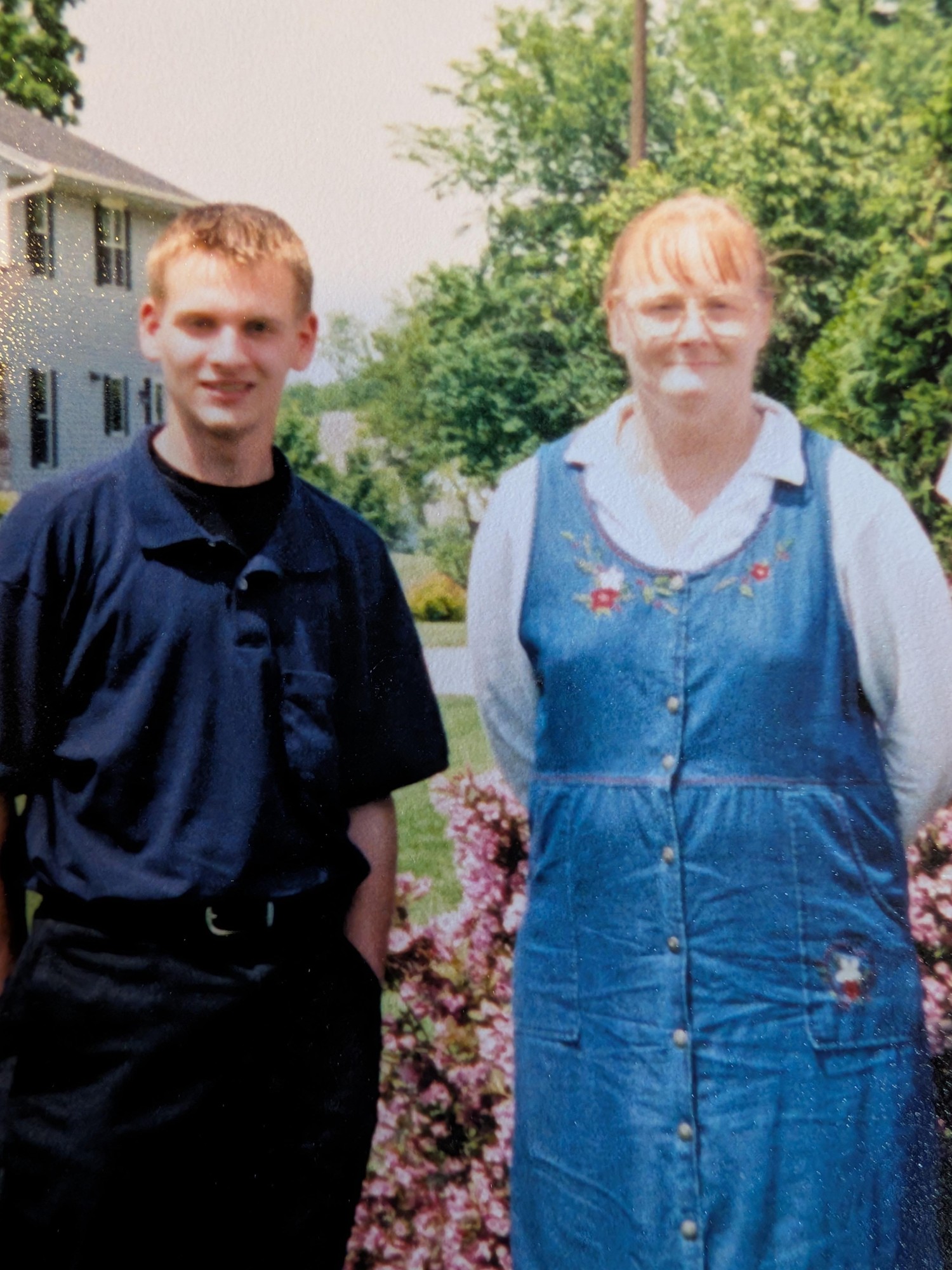
Camp Heartland’s growth was astronomical. In 1993, there were only two similar camps on the East Coast and one on the West Coast. Within two years, the initiative had expanded massively, growing from a single Wisconsin location with 75 children from 20 states to serving 400 children from across the country, with camps in Wisconsin, Illinois, and California. Tuition was completely free for campers, fully funded through donations. National coverage on the CBS Morning News, a CBS documentary, and a feature in the Wall Street Journal generated 30,000 phone calls and $250,000 in donations.
Camp Heartland eventually evolved into One Heartland. The One Heartland Center, a 99-acre site in Willow River, Minnesota, featured a high counselor-to-camper ratio of 1:2 and hosted annual camper reunions. In May 2007, the camp received a massive boost when ABC's Extreme Makeover: Home Edition renovated a facility in Albany, NY, and provided a family with a new home.
As the needs of the community shifted, One Heartland broadened its mission. Alongside supporting youth with HIV, it opened Camp True Colors for LGBTQ and gender-expansive youth and offered support for children facing chronic diseases and housing instability.
“Dawn was the Mother of Camp Heartland,” said Willenson in 2010. “It never would have existed if not for her.”
Neil Willenson, who was just 22 years old when he founded the camp alongside Dawn, remained with One Heartland for 18 years. After a two-decade career in advocacy, he retired in 2020. Eventually, on October 29, 2024, Willenson announced that the Board of Directors had made the difficult decision to sell the One Heartland Center and close the camp forever.
AIDS did not win
HIV/AIDS care transformed tremendously – even miraculously – in the early 1990s with HAART, a multi-drug strategy that incorporated antiretroviral and protease inhibitor drugs. AZT, the only previous care option, often extended patient lives at the cost of significant side effects and terminal drug resistance. The “cocktail,” as it became widely known, changed HIV/AIDS from a death sentence into a manageable chronic disease. Wisconsin’s AIDS mortality rate peaked in 1993 and subsequently declined each year afterward. Within a few years, AIDS-related deaths declined by over 50% worldwide.
While these pharmaceuticals were a miracle for Nile, they arrived too late to restore Dawn’s health.
“All of these years of heavy-duty medications had just devastated her system,” said Nile. “The damage had been done, and it was very hard to undo. Her health stabilized, but it was not exactly sustainable.”
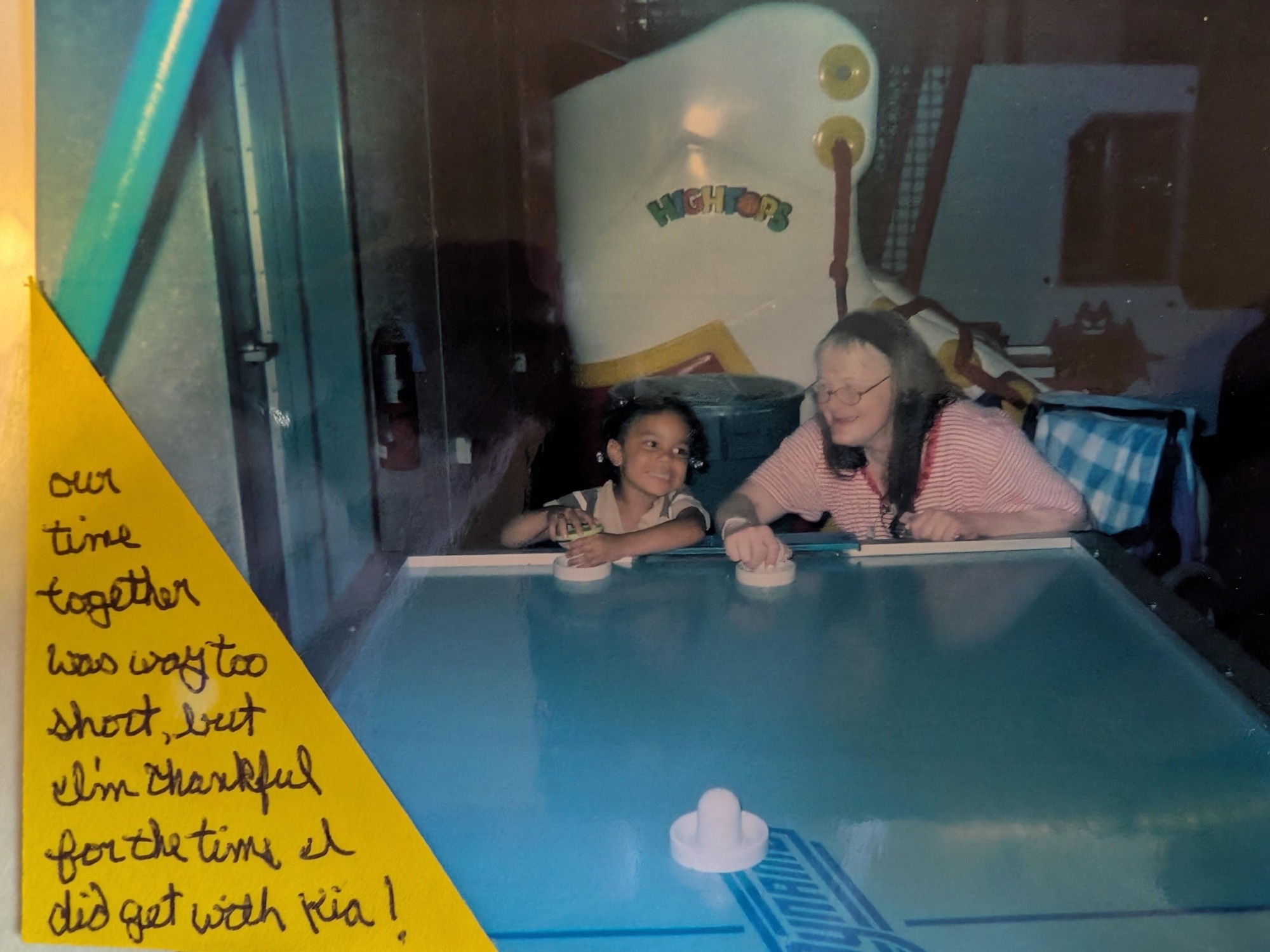
Dawn was also thrilled to see the birth of her grandchild Kiara.
“Her grandchild was the best medicine she ever took,” said Nile. “The one thing she loved more than being a mother was being ‘Oma’ to my brother’s child.”
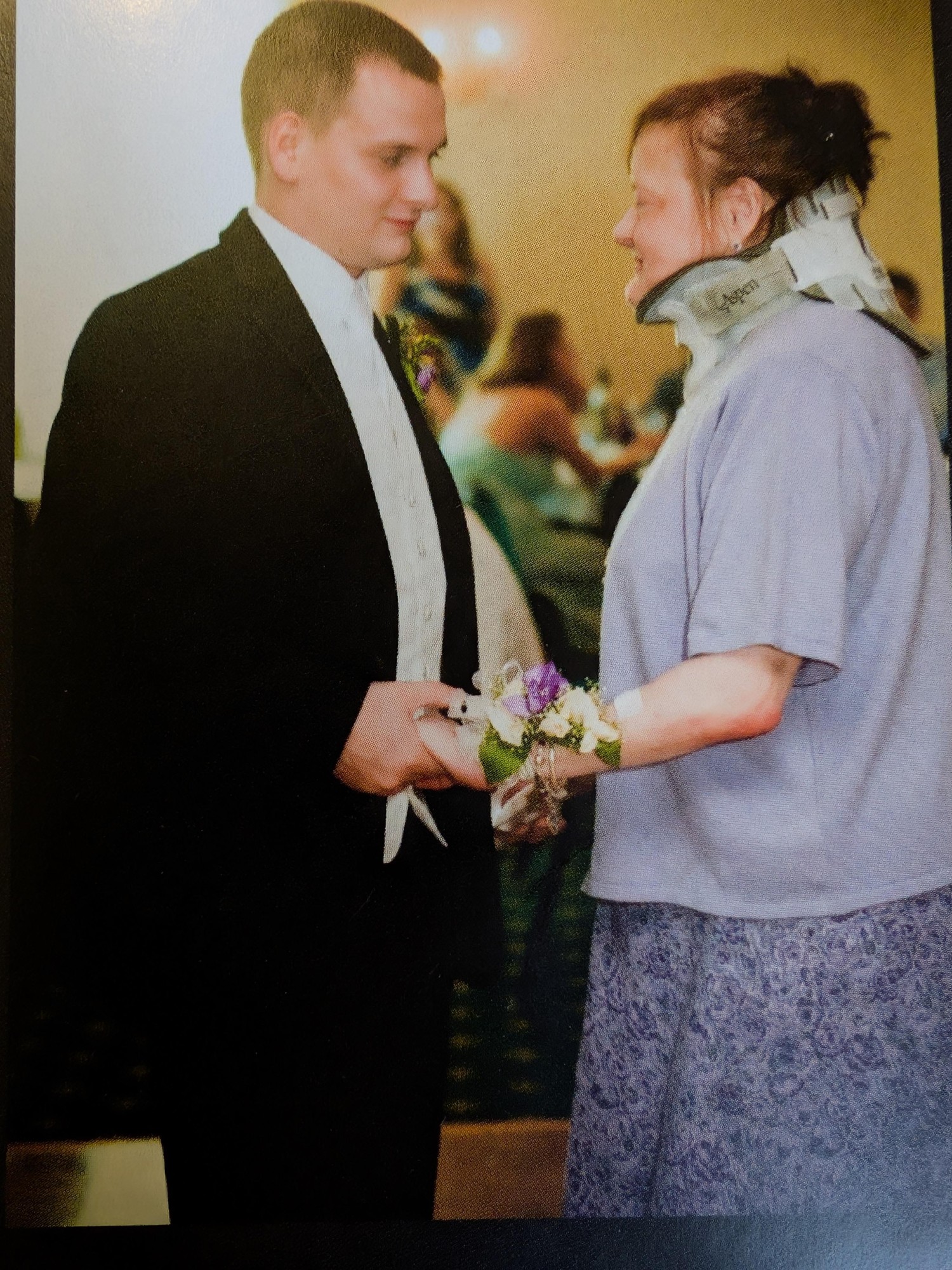
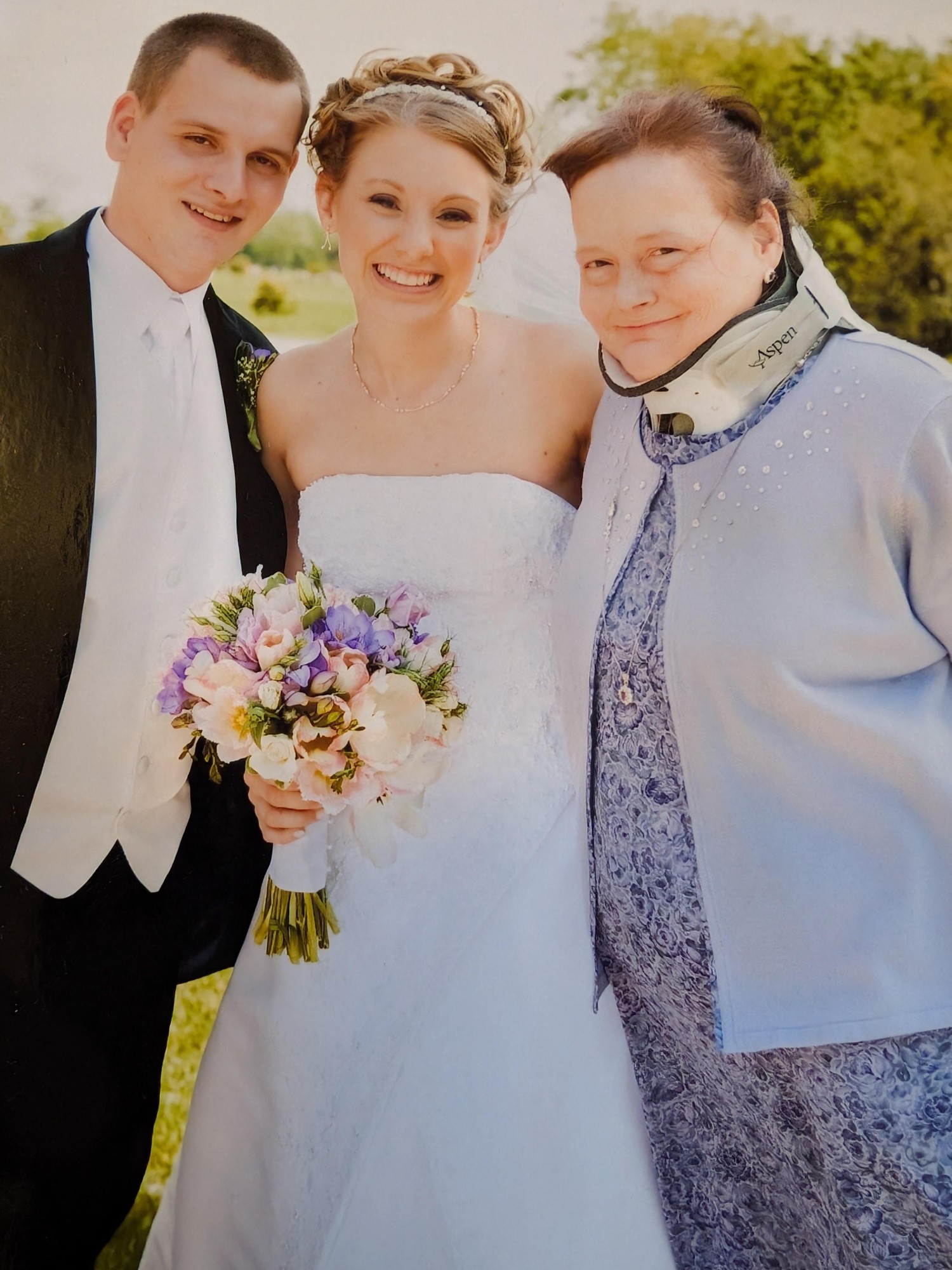
Nile remembers how proud she was to attend his wedding.
“She had a very degenerated hip, so she was in major pain and could barely stand at all,” said Nile. “But that didn’t stop her from trying to get her grandchild to sit on her lap, against my brother’s warnings. The pain didn’t matter. She wanted her grandchild on her lap. At the reception, she got up out of her wheelchair to dance with me. Loving was part of her core identity, and she was not going to be denied these things.”
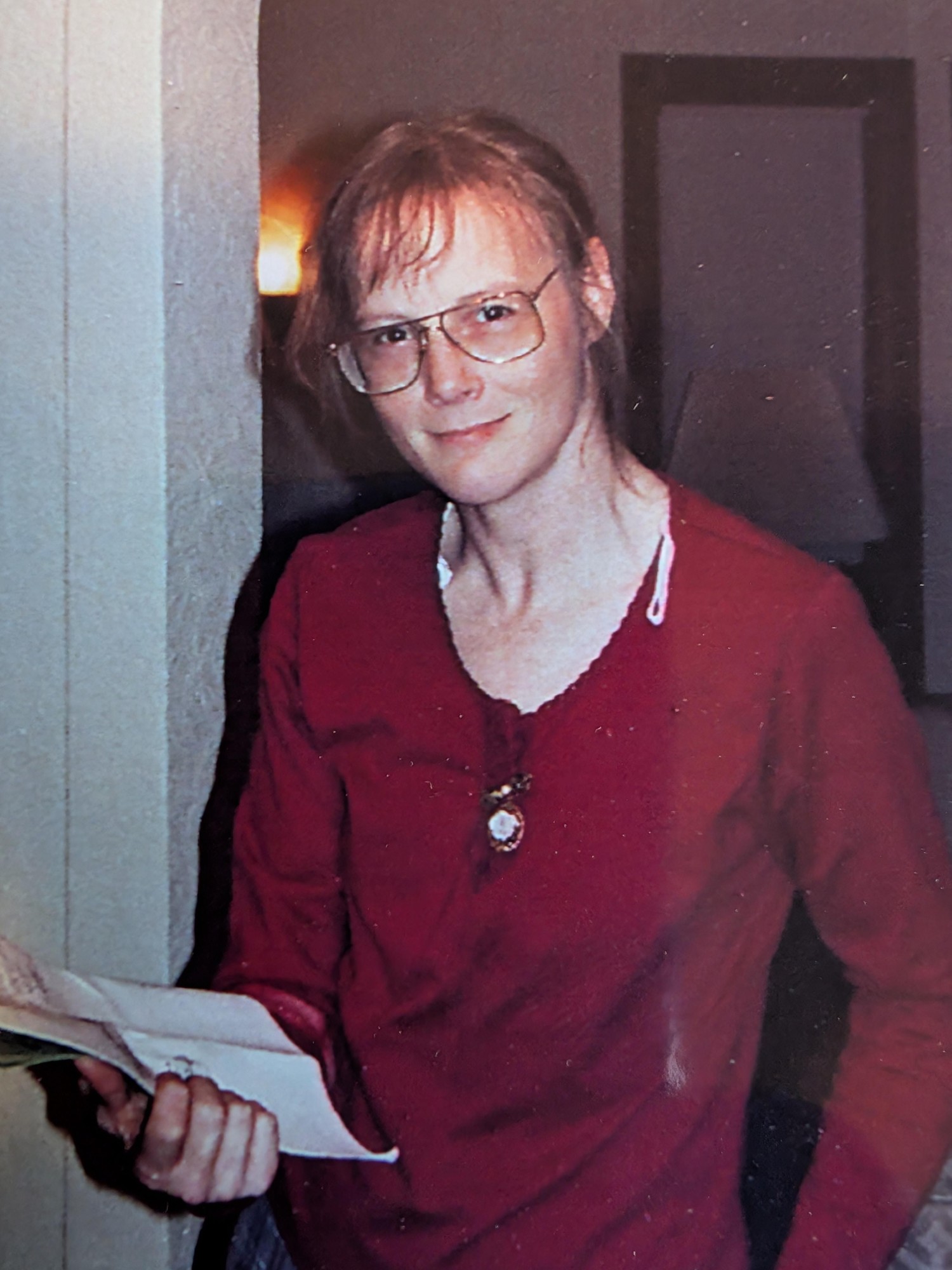
Dawn Wolff passed away at age 52 on August 16, 2010, after spending over half her life fighting AIDS. She was survived by both of her sons, Sean and Nile.
"My mother spent her life working towards tolerance and acceptance of those living with HIV/AIDS in our community,” Nile told the press. “She did not lose; AIDS did not win.”
Since Dawn’s diagnosis, mother-to-child transmission of HIV has been virtually eliminated in the United States in recent years. Compared to the 1,630 children born with HIV in 1993 (the year Camp Heartland was founded,) the number is now only a handful, marking incredible medical progress over three decades.
Nile is living a thriving and fulfilling life to this day. He attended Luther Seminary in St. Paul, Minnesota and now lives and works in North Carolina. He is married with a child of his own. His brother Sean joined the military, was deployed to Afghanistan, served a full career, and now lives in Colorado and works in information technology.
“We are kind of scattered to the four winds now,” said Nile.
Reflecting on his survival, Nile recalled the words that made the future actually feel attainable.
“My mother always said, ‘you're a healthy boy. You can live. You can keep going and not have to worry. And somewhere along the way I started believing it.’”
As far as Nile knows, no one ever made a TV-movie about his family.
He still reflects on the candlelight vigils from the early days of Camp Heartland.
"They never, ever lost hope,” said Nile. “I remember them saying, ‘however powerless we feel right now, this is not the end of the story for us as a people.’ And it wasn’t. Not even close.”
Today, as a pastor, he carries that radical hope within his ministry. However, he’s very concerned about the recent defunding of HIV/AIDS care, especially at this critical moment in history.
“If my mother knew how to use social media, she would have been all over it,” said Nile. “She was passionate about pursuing a world without AIDS. She continued to trumpet education to anyone who would listen, even in the latter years where she wasn’t in the limelight at all. She helped policy to progress forward, and she would never have stood by and watched it regress backwards without a vicious fight.”
During the darkest days of her life, Dawn Wolff carved out a space of empathy in a deeply frightened world. Her life stands as an enduring reminder that even in the darkest of epidemics, courage and community can light the path forward.
The concept for this web site was envisioned by Don Schwamb in 2003. Over the next 15 years, he was the sole researcher, programmer and primary contributor.
If you would like to contribute as a blog writer please contact us.
recent blog posts
February 28, 2026 | Bjorn Olaf Nasett
February 28, 2026 | Michail Takach
February 25, 2026 | Michail Takach
The concept for this web site was envisioned by Don Schwamb in 2003, and over the next 15 years, he was the sole researcher, programmer and primary contributor, bearing all costs for hosting the web site personally.

This work is licensed under a Creative Commons Attribution-NonCommercial-ShareAlike 4.0 International License.
© 2026 Wisconsin LGBTQ History Project. All Rights Reserved.