
- Places
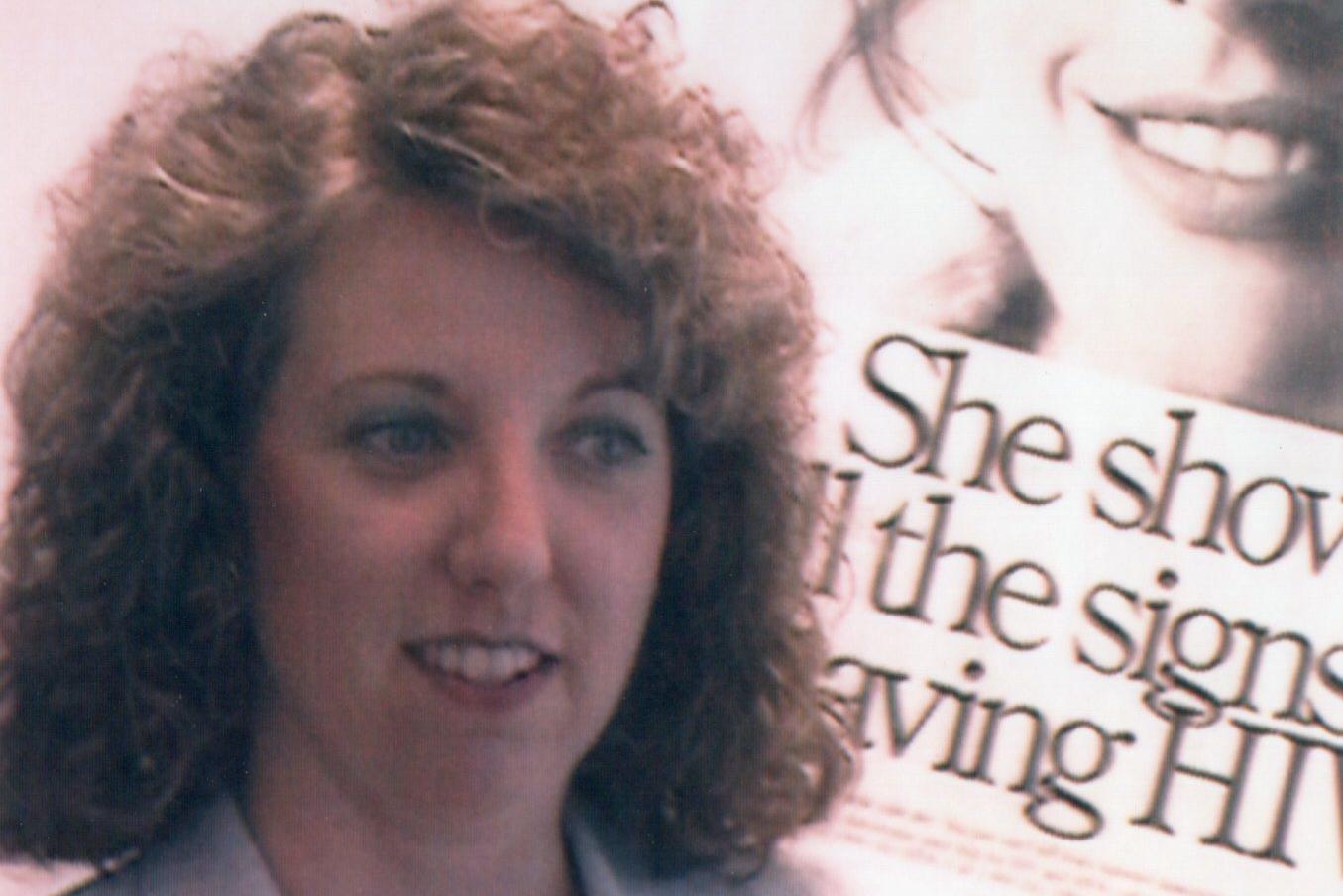 December 01, 2025 | Sue Dietz
Unforgettable: Sue Dietz & the Milwaukee AIDS Project
Before testing, treatment, or hope, there was only panic, paranoia and death. But there was also Sue Dietz, a guardian angel fighting on the frontlines of the AIDS Crisis in Milwaukee.
Sue Dietz"Being 'the AIDS Lady' was a badge of honor. This was the most important work that I have ever done."
Sue Dietz began a lifelong career in healthcare in Milwaukee, Wisconsin. As a UW-Milwaukee student, she volunteered at the Gay People's Union VD Clinic, and later joined the BESTD Clinic as a registered nurse and board member. She was on the front lines of the AIDS crisis, serving on the city's first AIDS task force, which became the Milwaukee AIDS Project in January 1985, and later the AIDS Resource Center of Wisconsin. Sue was ARCW's first paid employee as their first-ever executive director.
In 1988, Sue left Milwaukee to work for the Centers for Disease Control in Atlanta. Now retired, she shares her unforgettable memories of Milwaukee's war against AIDS, in her own words.
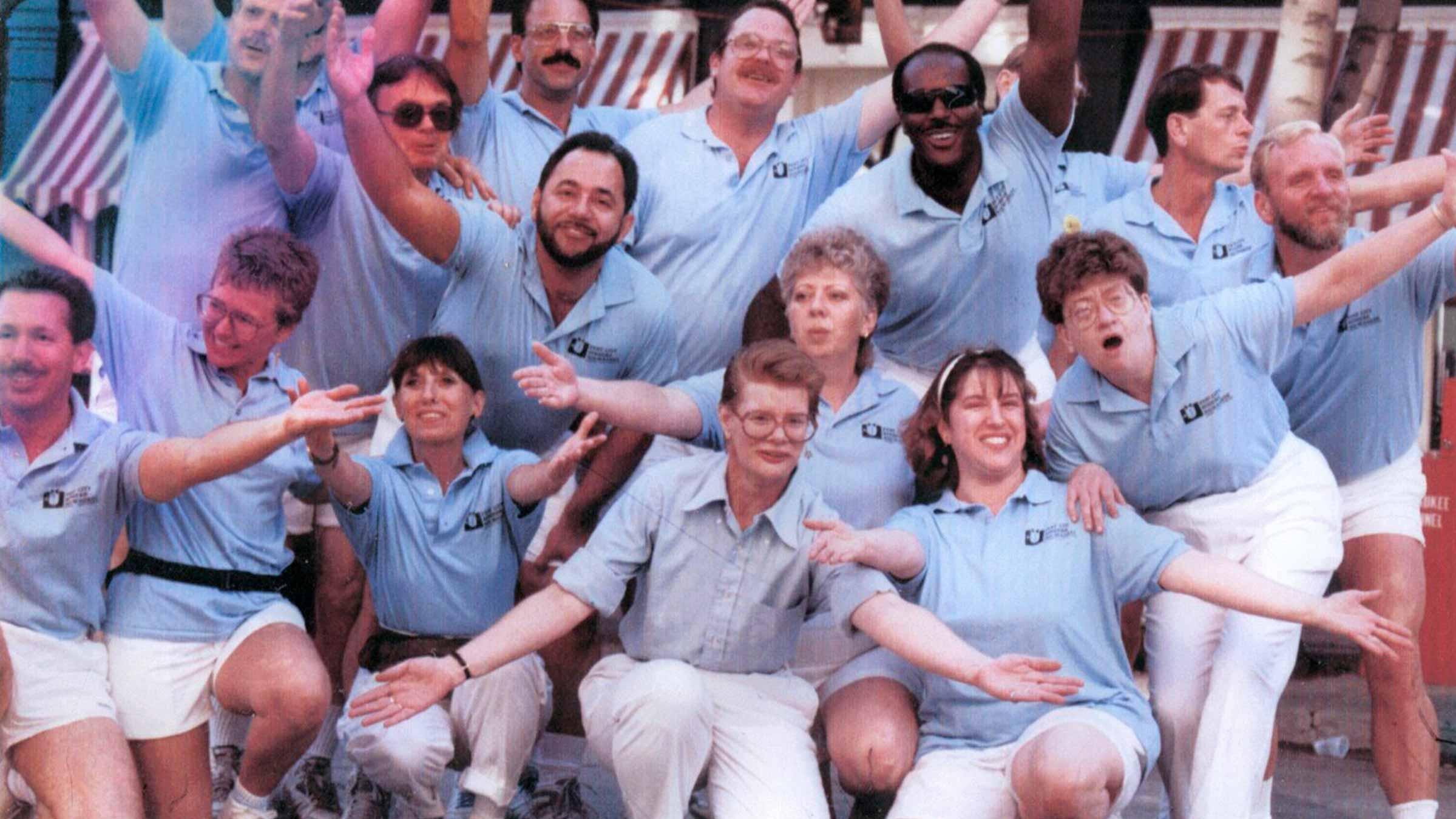
I can’t think about MAP without remembering the wonderful volunteers who really made organization.
They were really the Milwaukee AIDS Project.
There were a couple of hundred of them. Board members who conceived of the idea and made it a reality. Office staff members who answered the phones, managed the hotline, typed up meeting minutes, cleaned the office, shoveled the snow, and made sure that everything was running smoothly.
There were many committees of volunteers, among them was Life Care Services. The amazing Life Care Services volunteers took care of our clients – tirelessly driving them to and from appointments, bringing them whatever they needed at home, visiting them in the hospital, hosting activities to provide social interaction and fun, and just sitting with a client holding his hand to show their love and caring. They came from all walks of life and jobs – doctors, store clerks, nurses, teachers, farmers, lawyers, pilots, construction workers, counselors, accountants, ministers, and so many more. They brought whatever skills they had to help our clients who needed them so much. I am profoundly moved by their generosity and commitment.
I have so many memories of clients that are unforgettable. Way too many to share here. But I want to describe a few. I am not comfortable sharing real names or photos of these brave and embattled friends. So, names are made-up and photos are only of those who can give permission now.
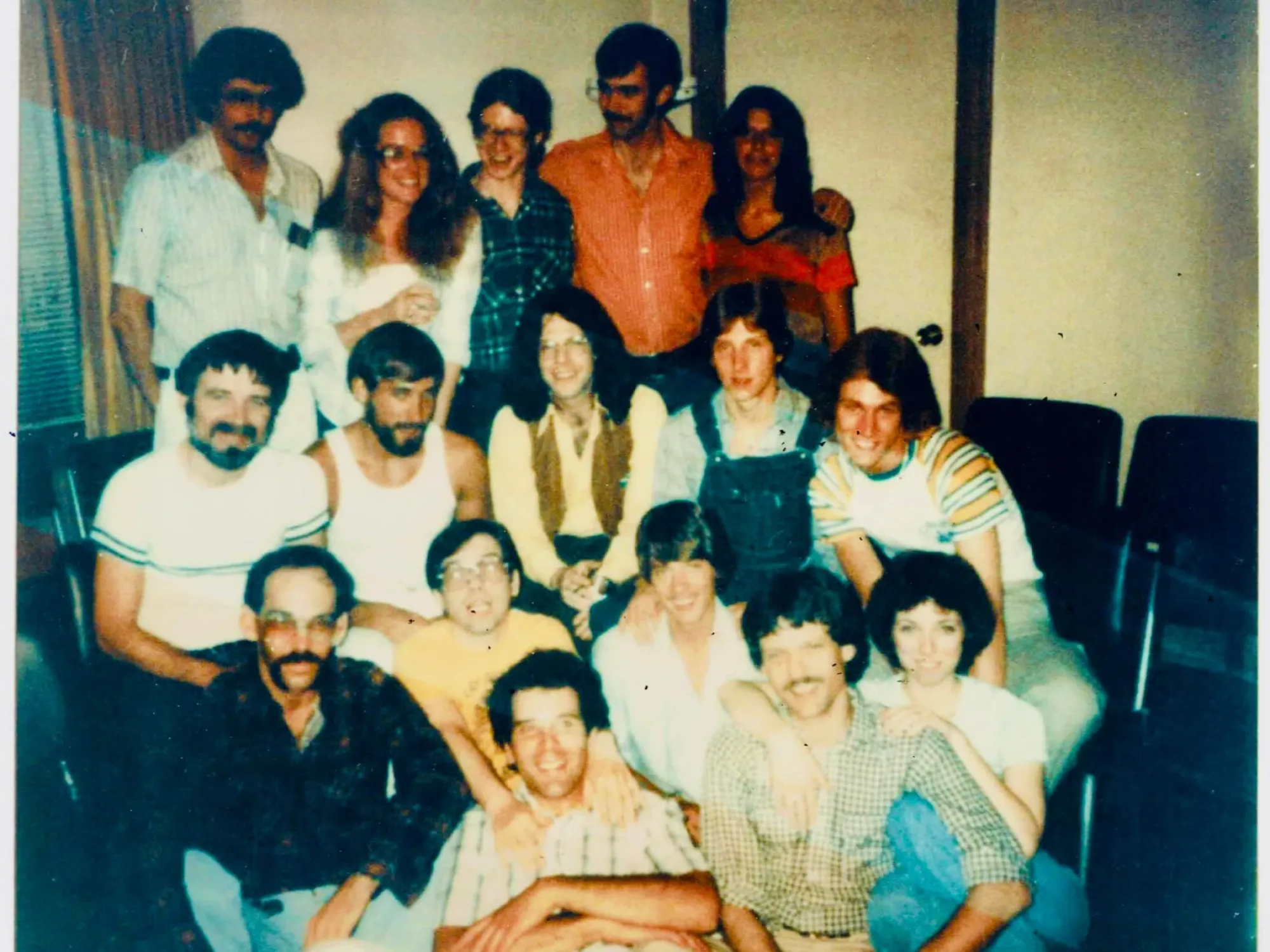 Sue (lower right) and the volunteers of the BESTD Clinic, 1978
 Sue and friends
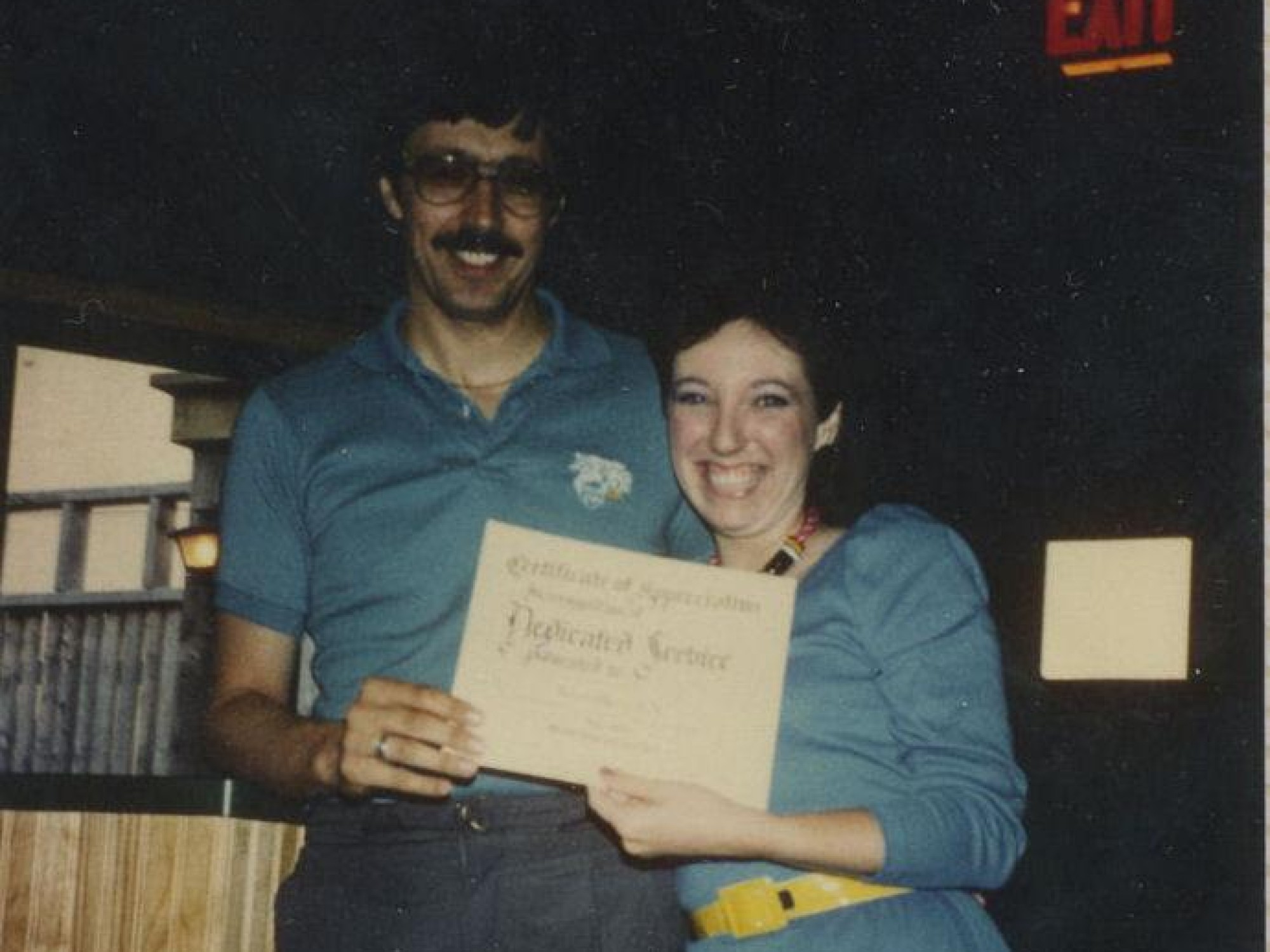 Sue and Dr. Roger Gremminger
I heard that I was sometimes referred to as The AIDS Lady. I wore that title as a badge of honor.
This work is the most important thing that I have ever done. A gift that I humbly acknowledge as the chance to really make a difference in the world.
A recognizable face was sometimes a liability too though. I suffered, as we all did, from the sadness and stress of death around us every day. Going to funerals of our clients sometimes helped with dealing with those emotions. I didn’t always attend funerals but sometimes did.
One day, I was sitting in the back row of a huge catholic church at the funeral of one of our clients. Just before the service began, one of his family members came up to me and asked me to leave.
He said, “People recognize you. If they see you here, they will know how he died. Please leave.”
I left. I walked to my car feeling surprised, hurt, and sorry that I couldn’t participate in the young man’s funeral.
And honestly, I was angry that this young man’s last salute would not acknowledge the man he truly was. A happy, intelligent, gay man who deserved to be understood and accepted.
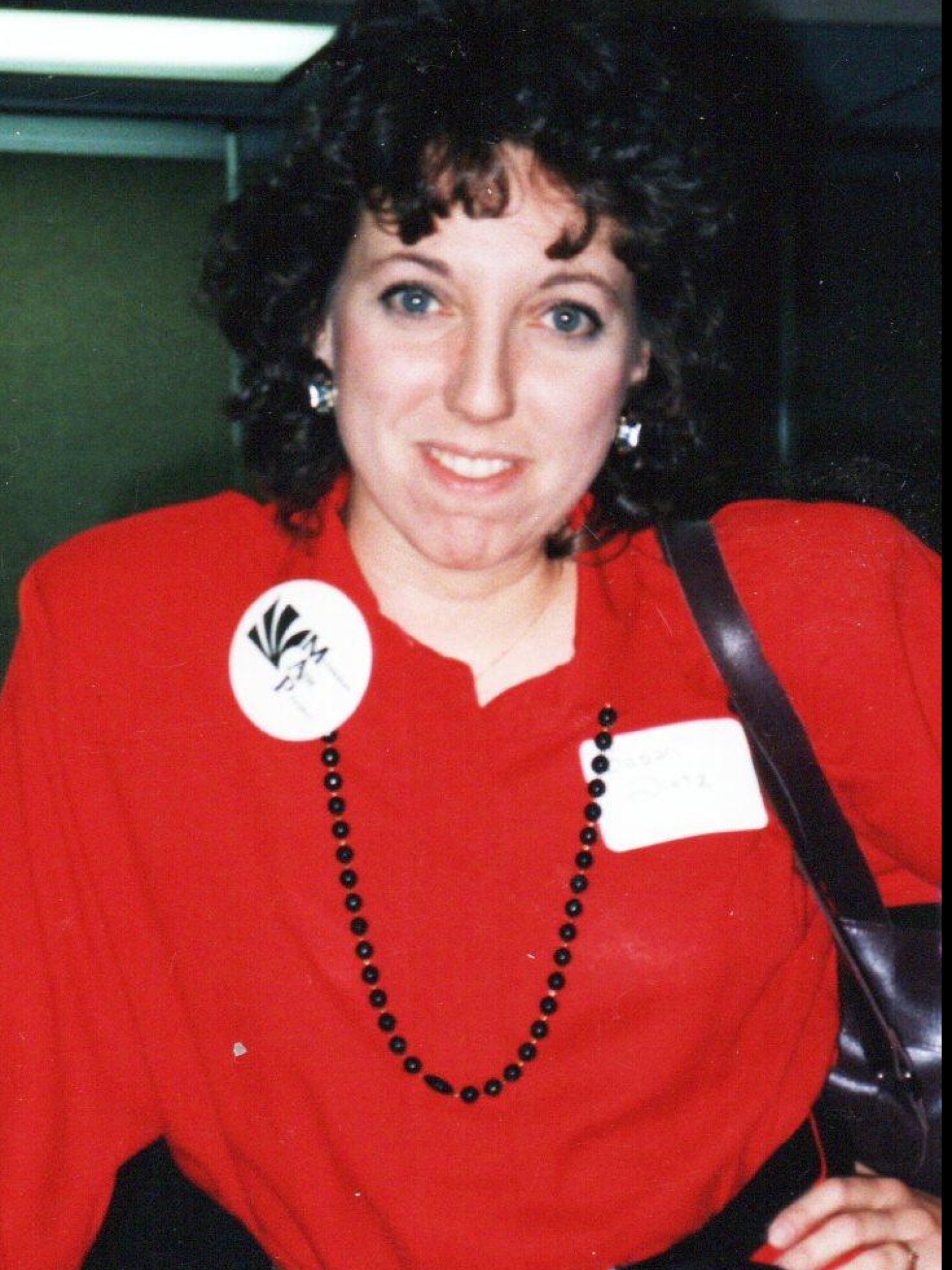 Sue Dietz at the Milwaukee AIDS Project
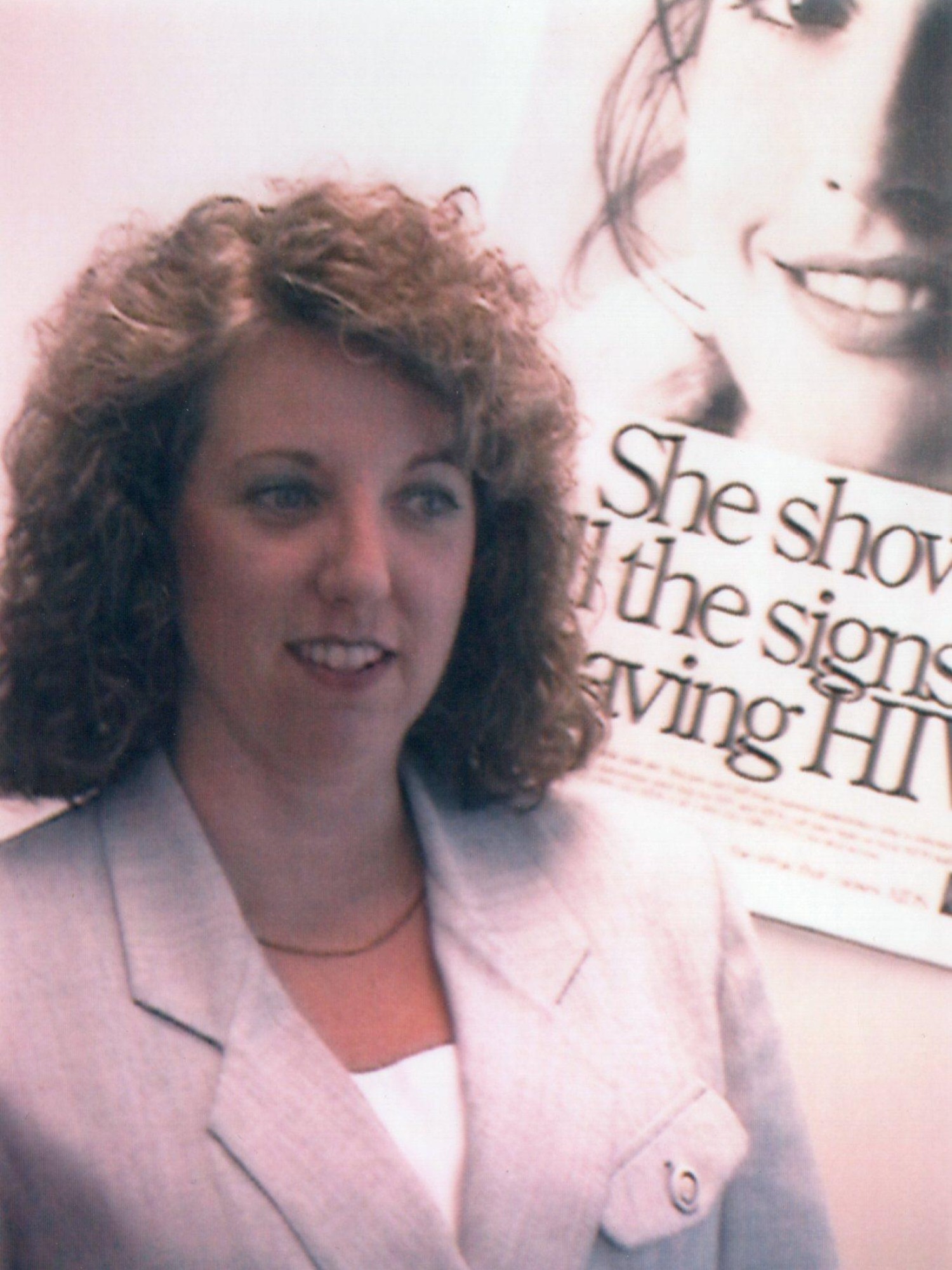 Sue Dietz at the Milwaukee AIDS Project
She told Jimmy that she wanted to be like the sunshine. Jimmy told her, “No, I want to be the wind. So, I am around all of you all the time forever.”
I am still overcome with grief at his loss whenever I think of that conversation between Jimmy and his nurse. I had had that same conversation with him and it still rests in my heart as one of my most unforgettable moments. I felt bad when we finally hung up because I knew this young nurse still needed help. There was only so much help to give.
I look back at our work in the AIDS Project now and realize that this was a need that we never really addressed.
We took care of our own volunteers but did not give enough support to those in the “straight” community who were starting to help with AIDS and often found themselves alone. I hope that nurse found more help and learned to deal with his loss and appreciate the wonderful gifts she gave to him in his last days. There are so many people and experiences that stay with me in my heart.
As I age now and my own health fails, I find it more important to put these things ‘down on paper.’
The clients, staff, and volunteers of the Milwaukee AIDS Project and the people in the community who worked together with us are so important.
Worth it for all of us to remember as the most unforgettable years of our lives.
Hear more from Sue Dietz in our BeSeen podcast with Radio Milwaukee.
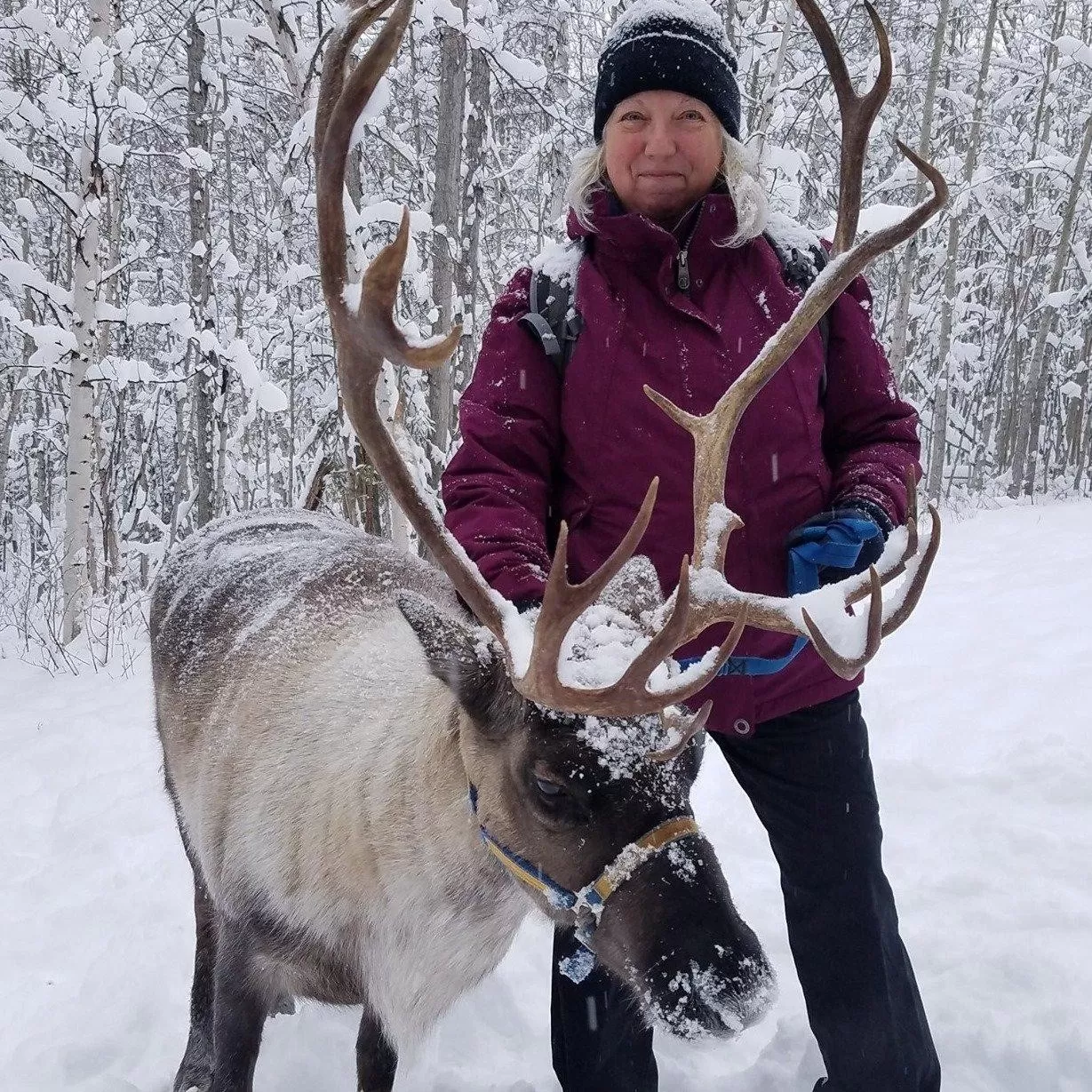 Sue Dietz today

recent blog posts
September 25, 2026 | Amy Luettgen
Val Benner: finding identity, community, purpose, and belonging
September 18, 2026 | Amy Luettgen
Dr. Amney Castaneda: creating the support she once needed herself

September 11, 2026 | Amy Luettgen
The concept for this web site was envisioned by Don Schwamb in 2003, and over the next 15 years, he was the sole researcher, programmer and primary contributor, bearing all costs for hosting the web site personally.
join our email list
Get WI LGBTQ History Project updates in your inbox.


