
- Places
 December 01, 2025 | Garth Zimmermann
Unforgettable: Tommy Zalewski
Tommy's journey, from small-town Wisconsin to Castro Street, was powered by his family's unconditional love.
Tommy ZalewskiTommy -- a Catholic boy from upnorth Wisconsin -- found himself living in the heart of gay liberation.
On October 11, 1987, the March for Gay and Lesbian Rights took place with over 500,000 marchers in Washington D.C.
The Names Project held an event during that weekend march, reading the names of nearly 2,000 people who had died of AIDS for 2 ½ hours.
One of those names was Tommy Zalewski. This is his story.
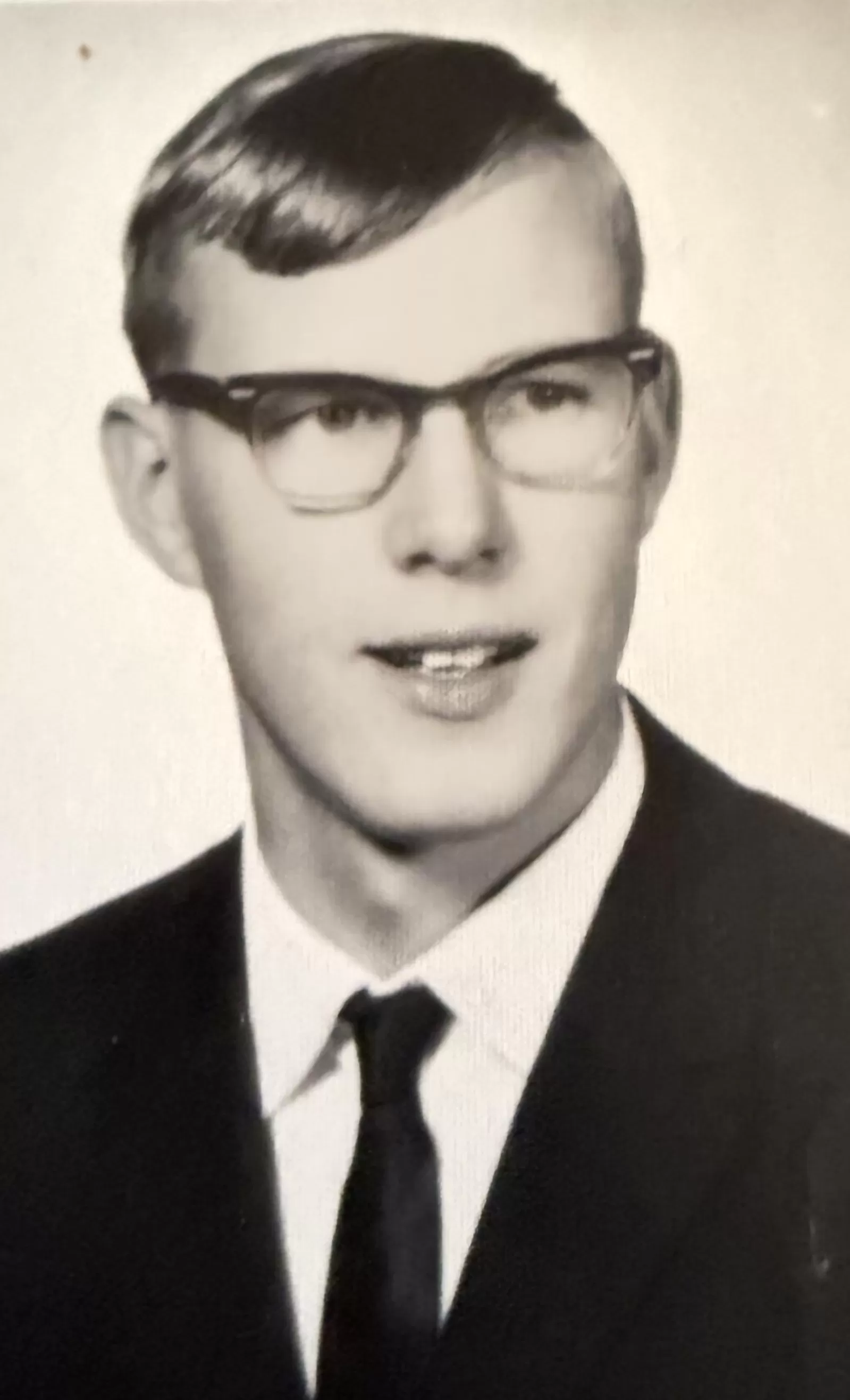 Tommy Zalewski
Thomas wasn’t into athletics. Instead, he participated in debate his freshman year and worked on the school newspaper, the “Spectrum”, all four years of his High School experience. During his senior year, he was the Features Editor of the paper, publishing in depth, yet often fun, articles. Classmates described him as a really nice guy, but also a loner, at best engaging in small talk with classmates.
After graduating from Pacelli in 1966, Thomas enrolled at the Wisconsin State University-Stevens Point (today known as the University of Wisconsin Stevens Point), and graduated from that institution on January 24, 1971. He lived in Stevens Point during this time, becoming a caregiver for an elderly man who lived with his sister. Thomas also worked in a nursing home, asking his sister to help prepare cookies, candy, and treats for the residents who lived there. His college experience was rough at times, although he never specifically stated why. One possible reason involved receiving a call from a professor who was might have attempted to blackmail him. At graduation, he received a Bachelor of Science in Secondary Education, majoring in Spanish and English.
That year, Thomas moved to San Francisco. He showed his entrepreneurship early, buying plants, repotting them, and selling them on a street corner. Later, he got a job at an antique shop at 566 Castro Street, where he sold plants out of one of the windows. It was possible Tommy shared a passion for plants and gardening with his father. Now Tommy to his friends, he was so successful at selling plants he took over the lease of the building in 1972, establishing “Tommy’s Plants”, located across the street from the Camera shop owned by Harvey Milk. Over the years, Tommy became a much-beloved member of the Castro community.
Prior to becoming known as the Castro District, the area was called Eureka Valley, most of the populace being working class Irish and Catholics. Over time, the once shabby Castro district was being transformed by young, independent people who had disposable incomes. As Tommy himself said, “Castro Street was an amazingly different area. There was no idea that it would become such a gay mecca. Only one bar had opened that was designated as gay (believed to be Twin Peaks). This was an area of peace-loving, mellow people, very mixed, very integrated.” Tommy hired local gays to work in his store.
The house plant fad of the 1970s proved to be a burgeoning market, and despite the building rent for his store nearly tripling during the decade, Tommy turned in an adequate profit from his store. Wealthy patrons from Pacific Heights would visit his store, and Tommy admitted while the influx of gays to the Castro didn’t hurt his business, it was neither advantageous as well. Plants were not a particularly gay commodity.
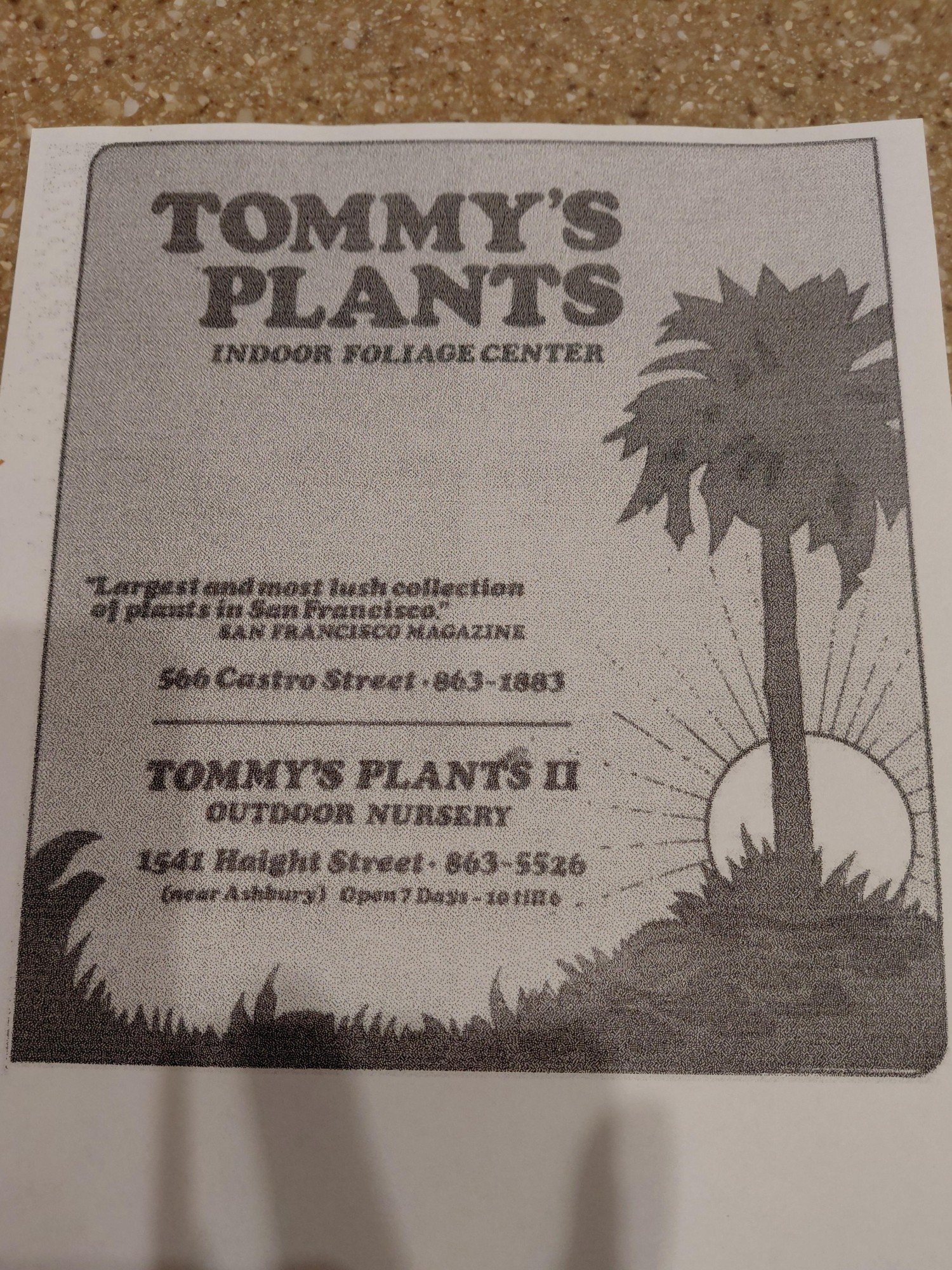 Tommy's shop was located at 566 Castro Street
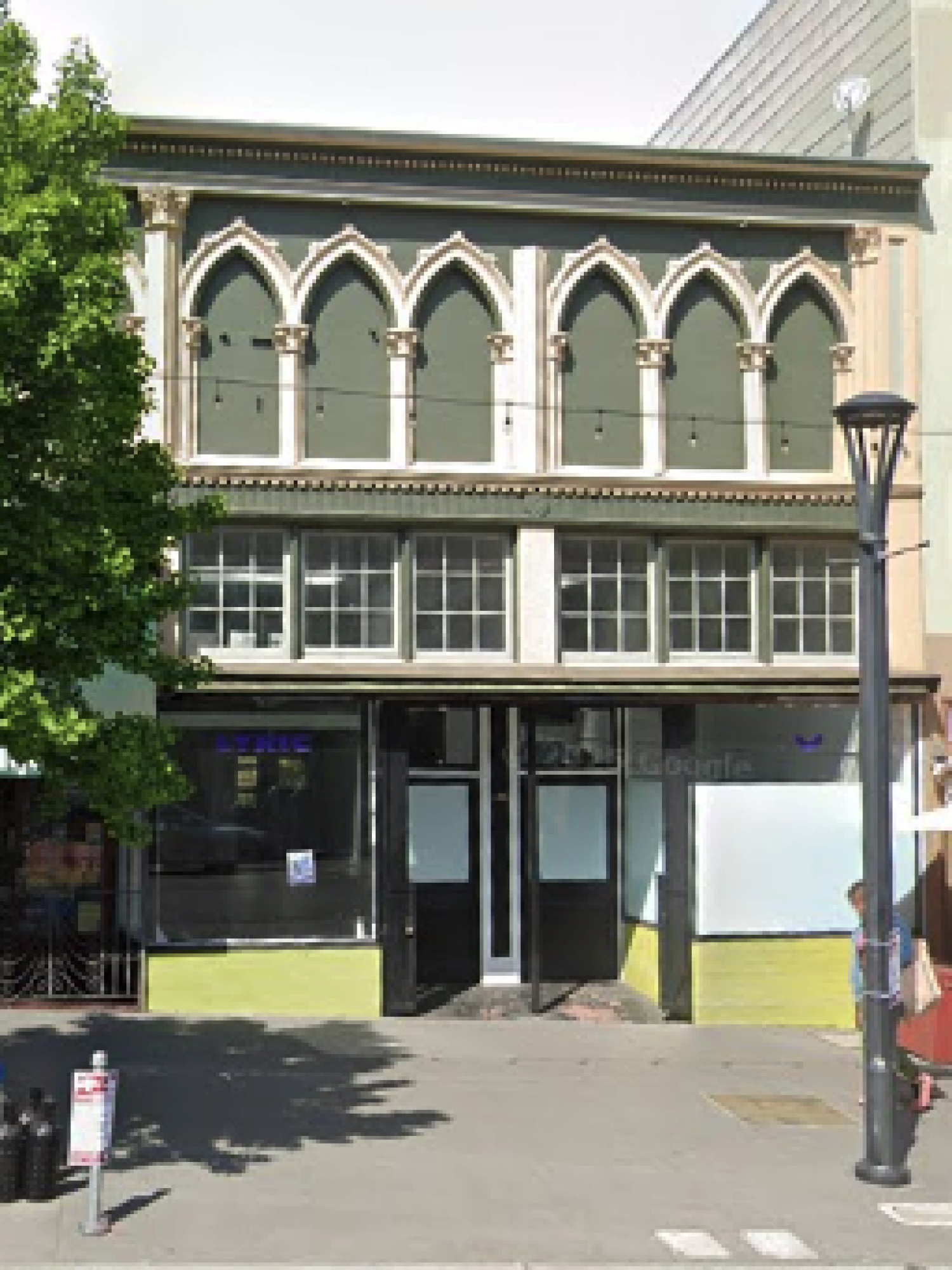 The building remained a nursery until 2024, when Hortica closed after 30 years.
Members of Tommy’s family did fly out to San Francisco to visit, and made tasty and familiar dishes such as peanut squares and chrusciki, a Polish pasta considered to be a delicacy. He brought his family to his 25-acre ranch near San Gregario, receiving stipends for the oil drilling occurring there.
With increasing rents and expenses, he realized he would need to work even harder and smarter.
“Gay oriented bars do well here on Castro Street. Restaurants make out well, as do shops that gear their merchandise to the single male,” Tommy said as he reflected upon his time operating a business in the Castro district. “But for other types of businesses, it’s rough.”
Thus in 1978, he opened a second store in the Haight-Ashbury district. As for the changes that occurred over the decade, Tommy said,” I’m going to write a book about Castro Street. No one will believe it!”
Tommy loved Dolly Parton, attending many of her concerts. He delivered bouquets and plants to Dolly on stage. When he became ill, Dolly would call and send notes, which have been saved by family members over the years. When Tommy’s van was stolen, he was very upset about losing his Dolly Parton tape collection which he kept in the vehicle.
Tommy was one of the first people to contract AIDS in the 1980’s. His store, “Tommy’s Plants”, was sold and became “JDG Gardens.” In March 1985, his sisters Anita and Elaine, went out to San Francisco for 8 days to bring Tommy back to his family home in Rosholt.
When meeting Tommy, he had just returned from a cruise. He had lost weight, and had developed a lesion on his esophagus making swallowing painful. Anita broke open capsules of Vitamin E to soothe his throat. She donned rubber gloves and a scrubbing brush to clean a bathroom she described as “disgusting”. The night of their arrival, the family went to an evening mass, sitting in the back of the church so as not to be noticed. They were surprised when the priest announced their presence and introduced them to the congregation. Anita remembers that everyone in San Francisco was kind to the family. The family attended support groups in the Bay area and met other families and individuals coping with loved ones dying of AIDS.
In a slightly humorous vein, once, while visiting, a family member saw two men kissing in front of Tommy’s store. Slightly aghast, one of the men asked. “How old are you?”
When a Pacelli classmate learned of Tommy’s return to his home and found out he had AIDS, he was stunned. He believed Tommy had a lot going for him, and was shocked he was dying at such a young age. Friends from the community would visit the Zalewskis, but not enter the house out of fear for the disease, even their best friends. Anita started attending mass in Polonia eight miles away, where the priest announced to his congregants that AIDS could not be transmitted by a common communion cup.
Caregiving for AIDS patients is difficult under any circumstance. Caregivers need to change IV and catheter bags, change diapers, all the time wearing rubber gloves to prevent any chance of transmitting the disease. There were medications to keep track of, and care was needed in moving the patient as gently as possible to lessen the painfulness of movement. Doing laundry was a daily occurrence, as bedsheets were soaked in sweat every morning. There is the emotional toll of seeing a young, healthy man become a shell of his former self, dying of a disease physicians and researchers had only begun to research. Blood came out of his nose due to brain lesions, followed by strokes.
There were other frustrations as well. Tommy discovered many of his possessions in San Francisco never made it to Wisconsin. When he called an acquaintance on his ranch to inquire why, the man responded,” You were pretty sick out here. I thought you’d be dead by now.”
The fact that Tommy’s parents welcomed him back home speak volumes of their love and compassion. Despite being known as strict parents, Tommy’s mother and father got up at night to change Tommy, part of their 24/7 care for him. When told of this, Alan Clarke said, “Good for the Zalewskis,” as many young men were rejected by their families as AIDS spread throughout the gay community.
Tommy died peacefully in his sleep on September 24, 1985. He was 37 years old.
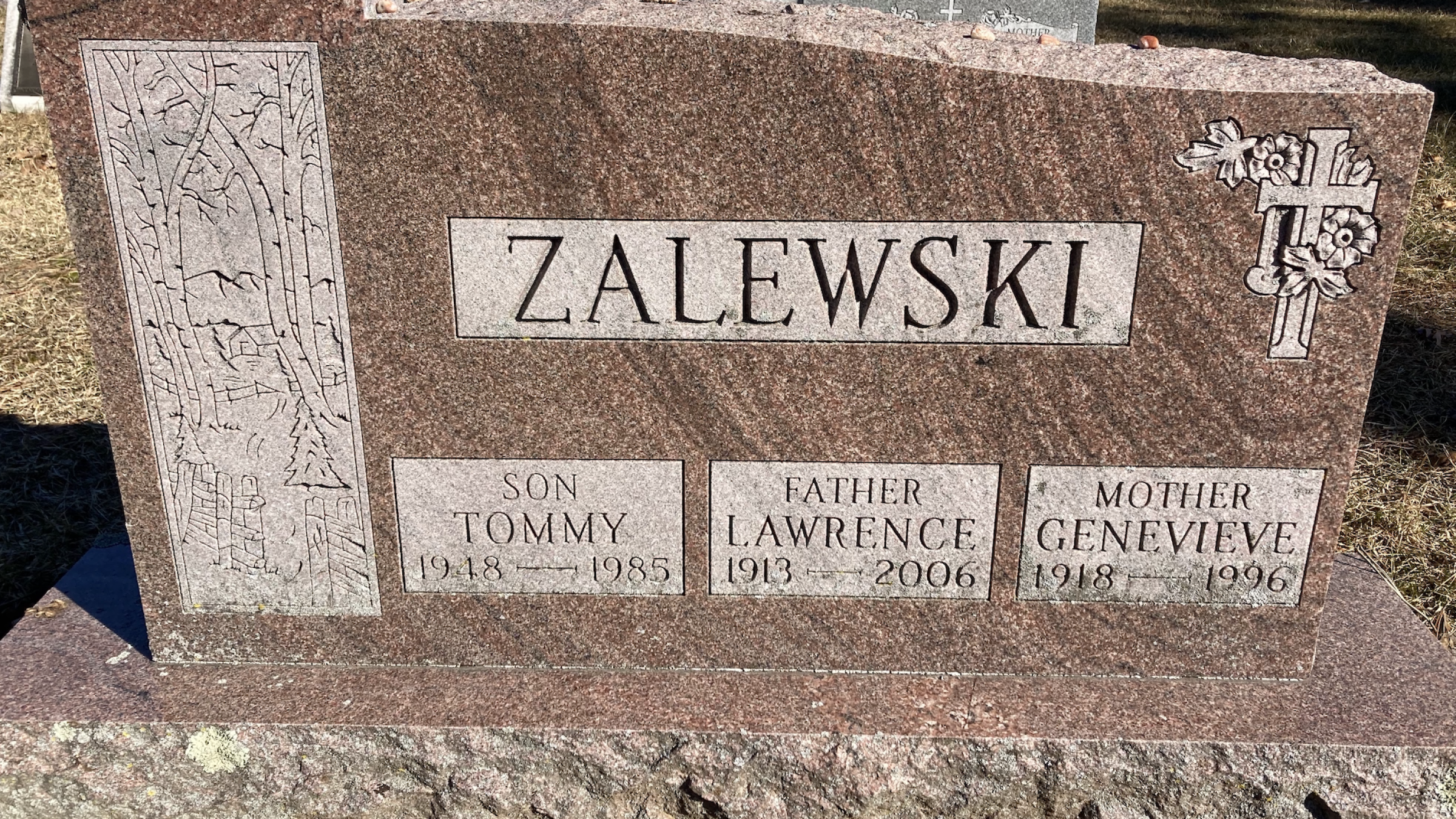
His funeral was held at St. Adalbert Catholic Church in Rosholt. There was never an issue if the mass and burial would be at the church. Similarly, a memorial mass for Tommy was held on September 27 at The Most Holy Redeemer Church in San Francisco. Tommy was buried in the church cemetery. Today he lies next to his father Lawrence, who passed away in 2006, and his mother Genevieve, who passed away in 1996.

recent blog posts
September 25, 2026 | Amy Luettgen
Val Benner: finding identity, community, purpose, and belonging
September 18, 2026 | Amy Luettgen
Dr. Amney Castaneda: creating the support she once needed herself

September 11, 2026 | Amy Luettgen
The concept for this web site was envisioned by Don Schwamb in 2003, and over the next 15 years, he was the sole researcher, programmer and primary contributor, bearing all costs for hosting the web site personally.
join our email list
Get WI LGBTQ History Project updates in your inbox.


