Places
Wisconsin LGBTQ History Project Fundraiser
If you appreciate the History Project's work, we hope you'll support the second fundraiser in our 29-year history!
We are a self-funded, independent, all-volunteer, non-profit team -- and we provide most services FREE to the community.
"She always seemed like a carefree showgirl who jumped onboard the wildest ride through life."
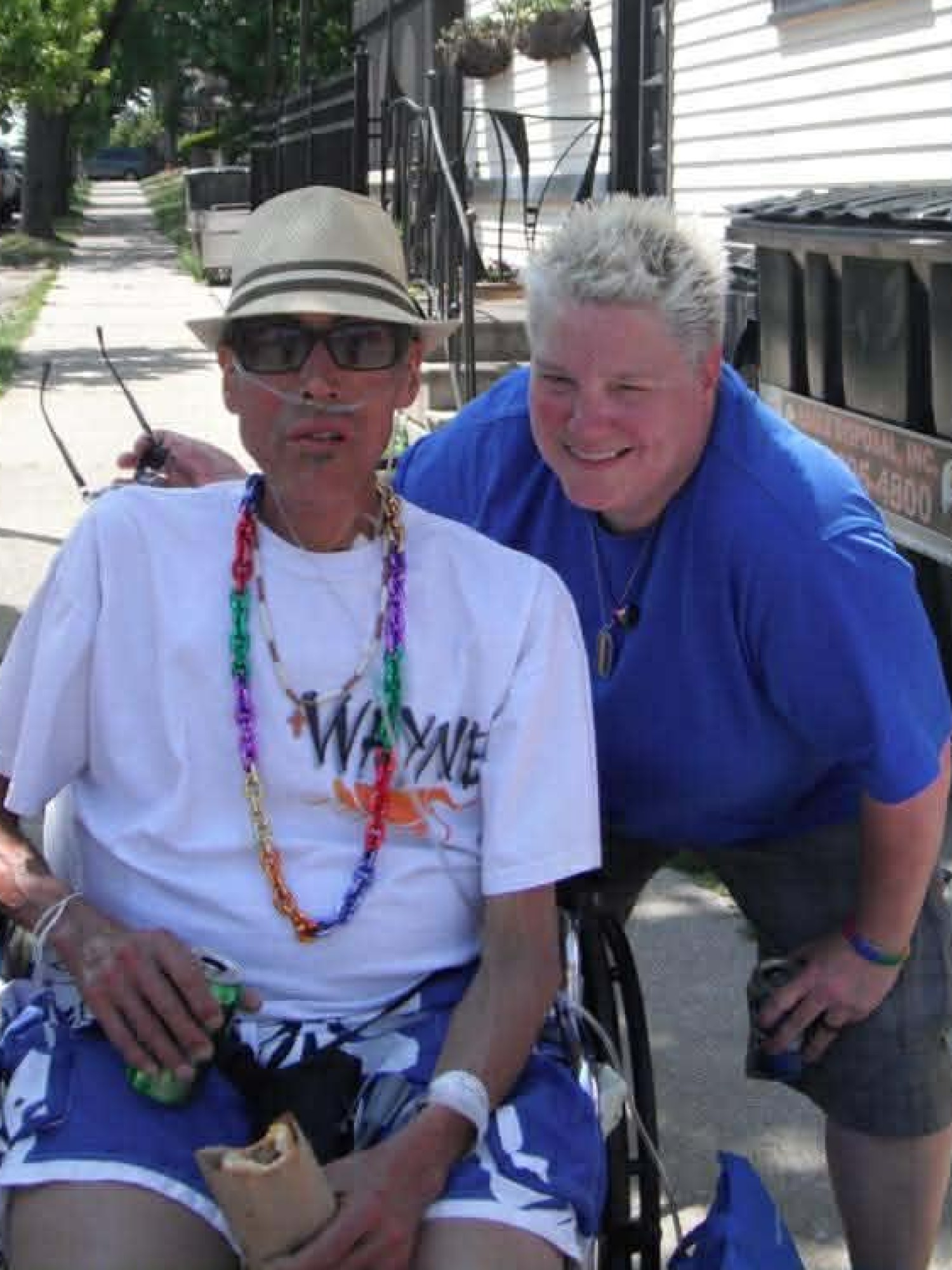
It was Sunday, June 10, 2012, and the streets of Walker’s Point were filled with pride.
At the corner of 2nd and Walker, a wheelchair sat parked on the pavement.
Wayne Benning, also known as drag star Vanessa Alexandre had been sprung from the hospital at Froedtert for one last taste of the world he loved. His health was in a deep decline, but the spirit that had once fueled the wildest parties in the city was still flickering. Despite being hospitalized for weeks, he demanded a cigarette and a beer, so that he could feel alive.
Wayne watched the Milwaukee Pride Parade, surrounded by friends and fans from across three decades. He commented on the floats, complained about the crowds, gossiped with old friends, and in the end, loudly reminded everyone that he was still here.
“His mother said he wanted to come to Pride one more time,” said friend Wesley LeMieux, also known as Goldie Adams. “So, she and his friend Chris brought Wayne downtown to see everyone. He could not walk, he could barely speak, and you had to get very close to him to hear him. And when you understood what he was saying, you realized he was still himself. He was still full of that Vanessa piss and vinegar and sarcasm.”
To his friend Max Barnett, seeing Wayne with a beer and a smoke at the parade was a final act of reclamation: he was happier than he had been in a long time.
It was the last time that Wayne would visit the neighborhood that was his playground. Just three days later, Wayne passed away on June 13, 2012, in home hospice care.
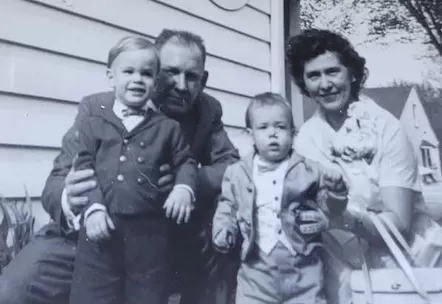
Perfectly, permanently twelve years old
To understand Vanessa, one must first understand Wayne.
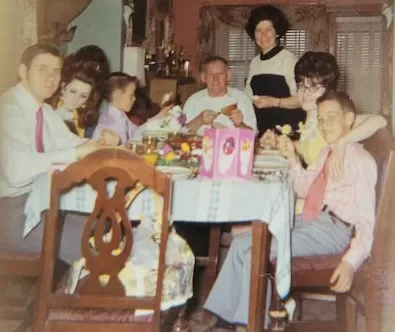
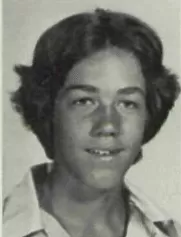
Born on April 13, 1961, Wayne grew up in a single-parent household after his parents divorced. He attended St. Veronica’s and Thomas More High School, but he never quite fit the mold of a traditional Catholic schoolboy, eventually transferring to Bay View High School for his senior year.
According to his sister, Melody Hendrickson, Wayne possessed a personality that defied aging. He was "permanently 12 years old," a fun and crazy force of nature who was always tickling, wrestling, and teasing. He was the favorite uncle, a shining star even to his "super old school" grandparents.
His coming out story was as unconventional as his future stage career.
Melody was in sixth grade when Wayne showed up at their house at 5:00 AM, a little drunk and dressed in full drag as Vanessa. That was how he officially came out to his family, though the family had already known for years.
There was no drama, no rejection. The family didn't skip a beat. Melody and her mother Virginia immediately started attending Vanessa’s shows, with his grandparents occasionally in the audience. Melody remembers hanging out in the dressing rooms before and after the shows.
Wayne’s professional life was a kaleidoscope of jobs. He worked at a flower shop, drove a cab, and eventually earned a degree in interior design from MATC. For a long time, he was a dance instructor at Arthur Murray, teaching ballroom dancing and competing, before winding up at Milwaukee’s most popular nightclubs like Red Rooster and Papagaio.
He found true purpose under the stage lights.
The crowning of a Queen
Vanessa’s career began in the drag bars of Milwaukee, specifically at Club 219 and later La Cage. Wesley LeMieux, also known as drag superstar Goldie Adams, first met Vanessa during a lip sync contest at La Cage. At the time, Vanessa was living off Brady Street, above a hardware store, with roommates Larry and Sage LaRue.
Goldie saw potential. She offered to teach Vanessa and Sage how to paint their faces with make-up. This was an intervention.
“She looked more Wayne than Vanessa back then,” laughed Goldie.
Goldie, taking on the role of mentor, got the girls ready for the world. And then she issued a challenge: they were going to take the city bus downtown to the Grand Avenue Mall to see how the public reacted.
It was the early 1980s, and doing drag in the daylight was a bold move. According to Goldie, Sage LaRue “owned” the mall in her catskin leotard, but Vanessa wasn't quite "real" enough for the crowd yet.
"I created a monster," Goldie later joked. “Once she got a taste, there was no going back!”
Goldie gave Vanessa advice that would define her career.
"Be humble as you walk through life, be nobody that you're not, be yourself… and you'll go farther than you could ever have imagined.” Vanessa took the advice to heart.
While the public saw drag as glitz and glamour, Goldie and Vanessa became unlikely freedom fighters in high heels against the looming AIDS crisis. Together, they did back-to-back fundraising shows for years. This wasn’t for fame or fortune. They raised funds to help people pay rent, buy food, and cover medical expenses.
“We didn’t even know who the money went to,” said Goldie. “And we didn’t care. It didn’t matter. We all had to do what we could to make a difference. Nobody else was coming to help us.”
The birth of a showgirl
David Kotke, working alongside her, remembers meeting Vanessa when she was working as a cocktail waitress. She was a "big bundle of energy," a description that surfaces repeatedly in the memories of those who knew her.
Back then, friendships were built on alcohol and adrenaline. Kotke recalls being on a go-go stage where Vanessa brought him rounds of shots. Eventually, the shots caught up with him, and he fell off the stage and landed in an eager customer’s lap. This was the rhythm of their lives: working hard, partying harder, and ending the night at after-hours spots like 27th Street Danceteria, a dark, drug-fueled venue on the West Side that stayed open until dawn.
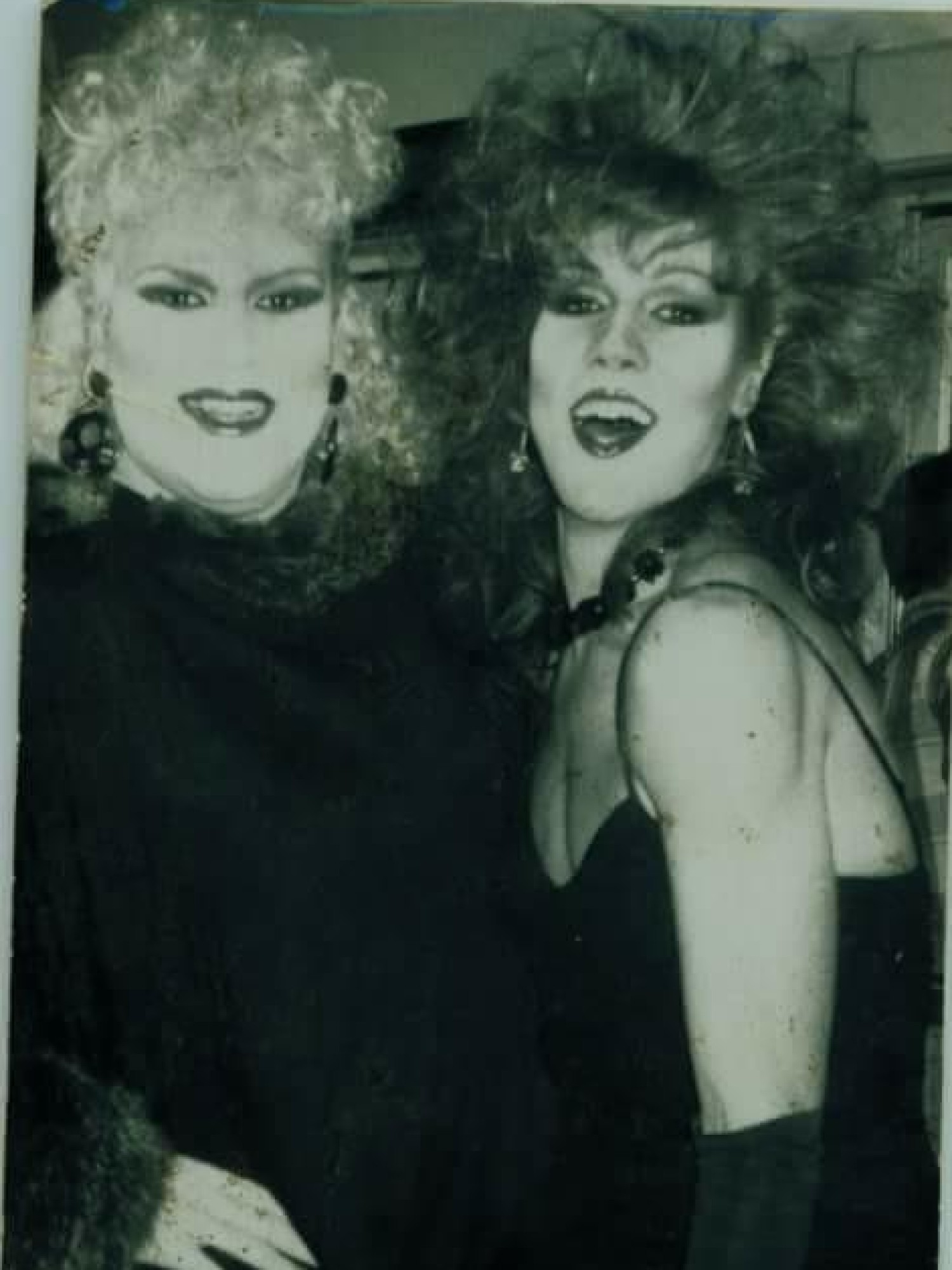
Goldie and Vanessa
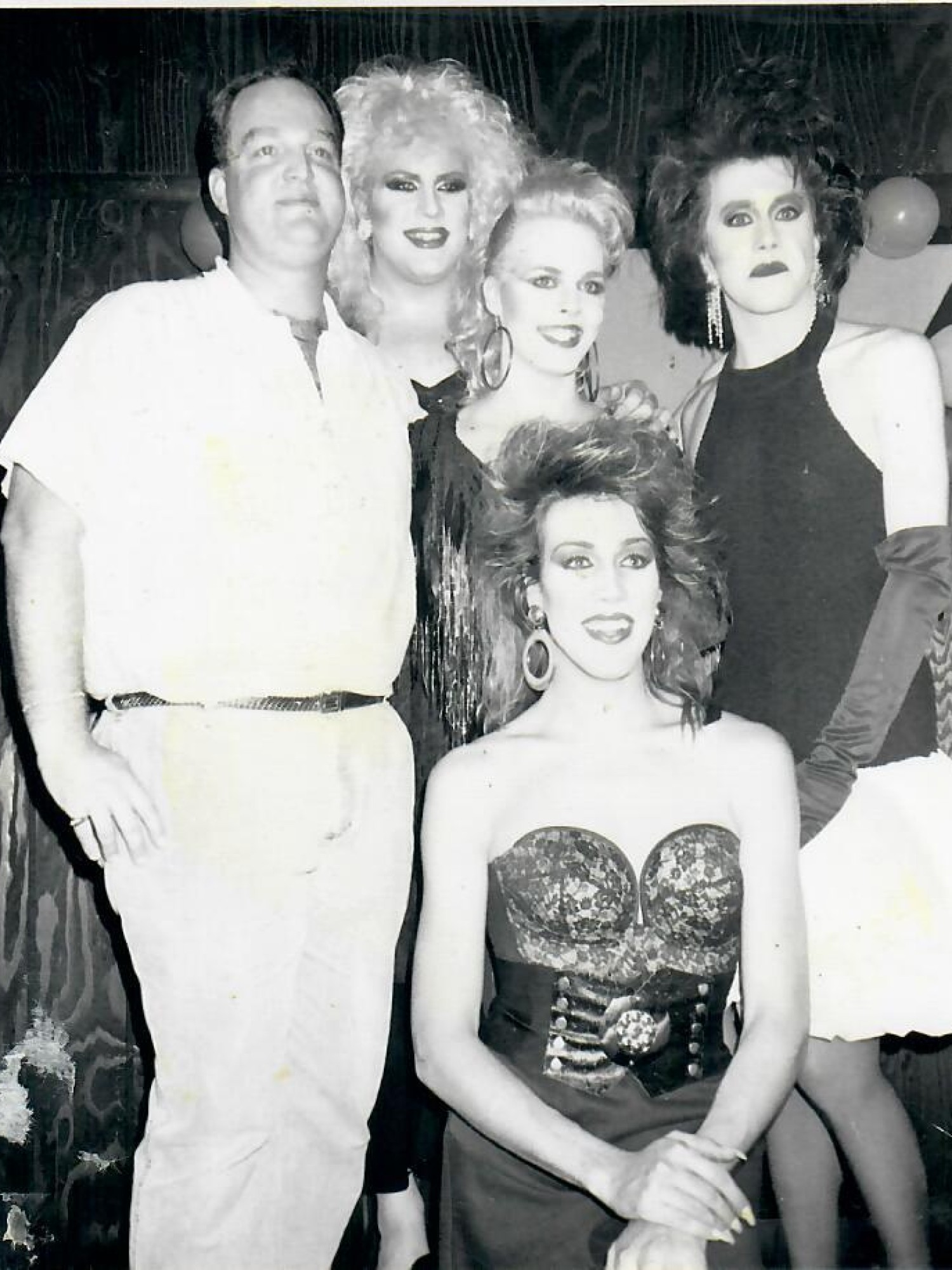
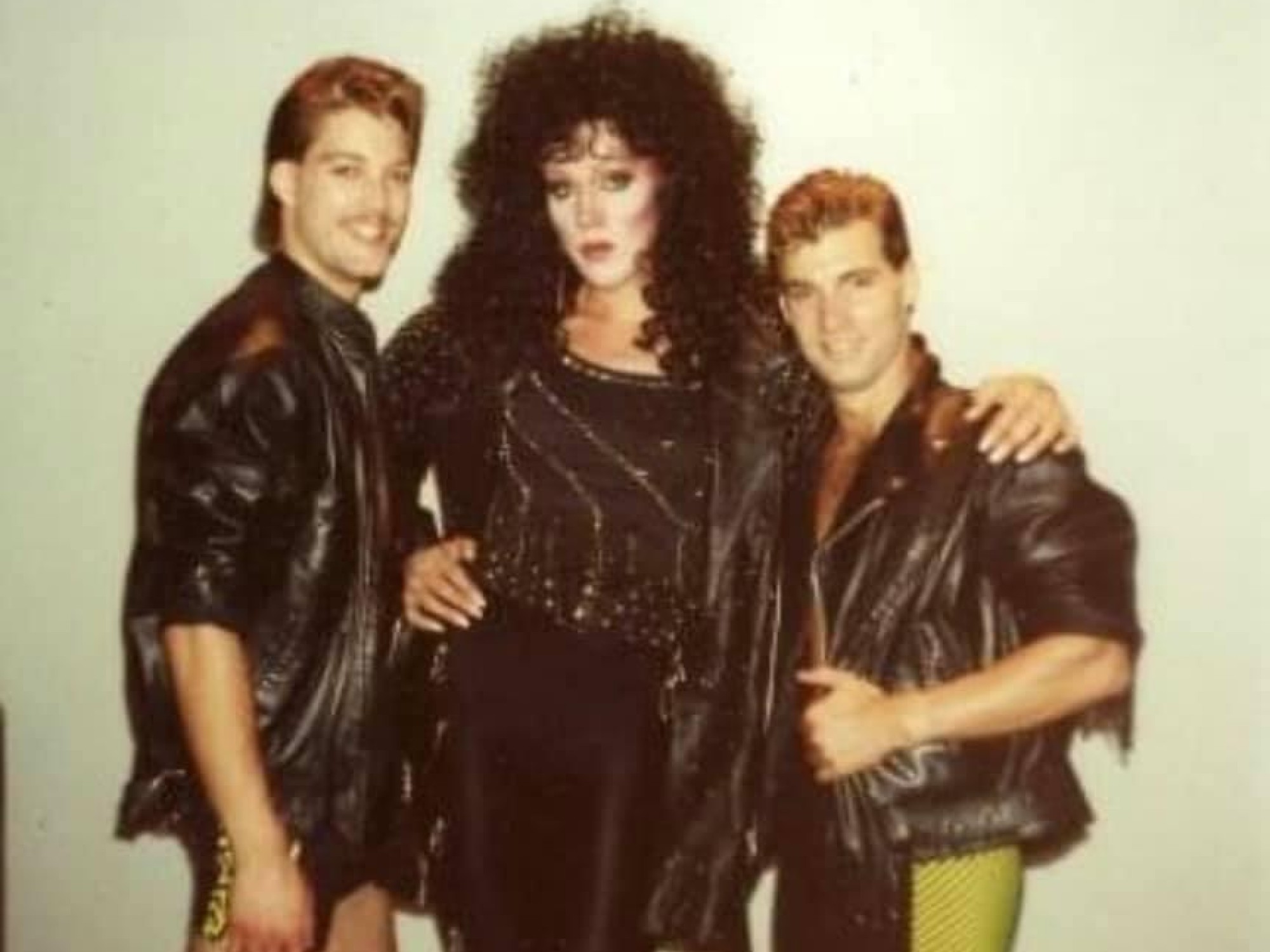
Vanessa with Al Thomas, Goldie, Mimi Marks and Mary Richards
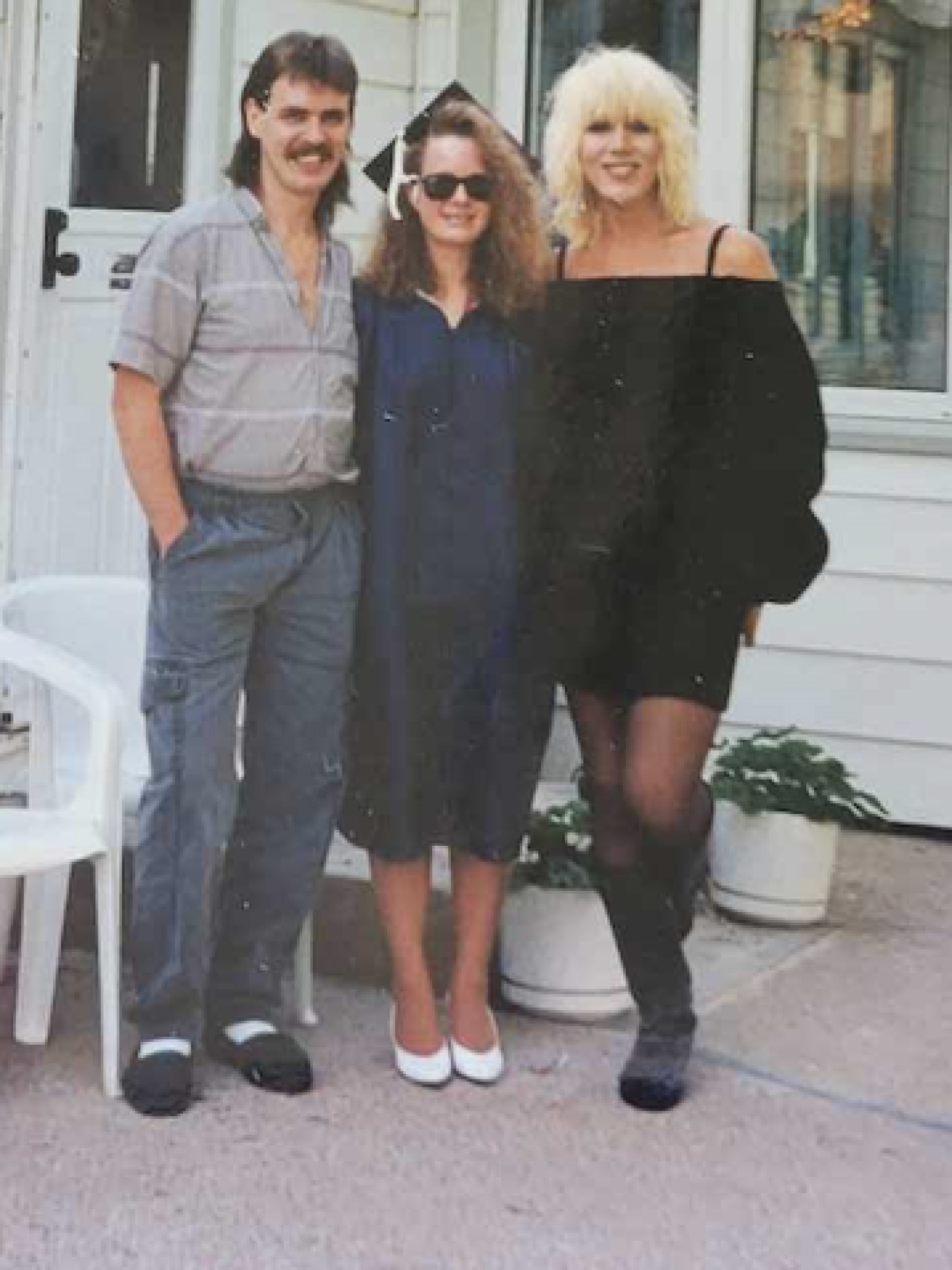
Vanessa at Melody's graduation
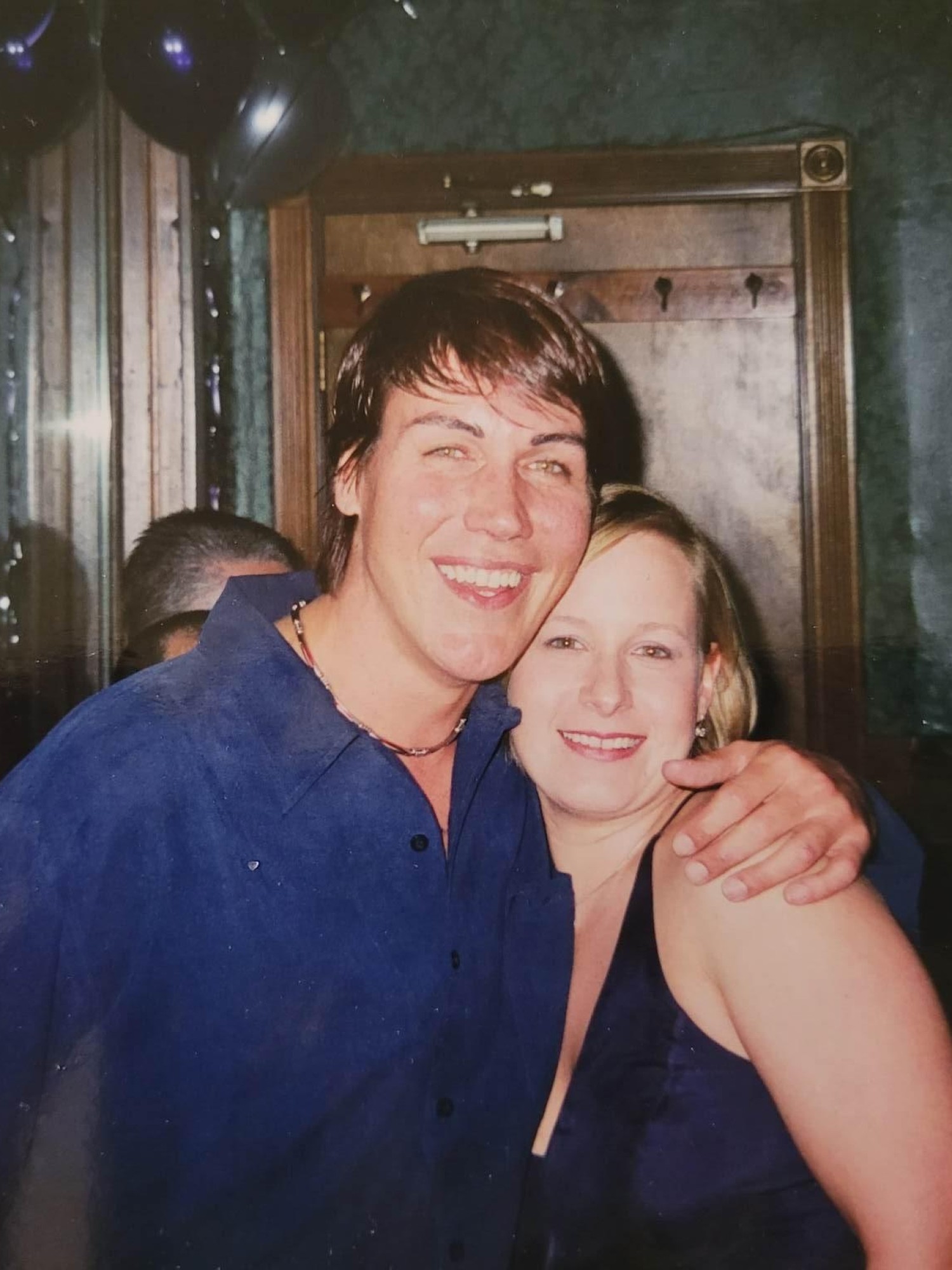
Vanessa never got caught up in drag queen drama. Max Barnett, who knew her since 1986, described her as a "whirlwind of happiness" who walked into every room with a beaming smile and contagious laughter.
One night, Barnett was sitting downstairs in Grubb’s Pub when he heard a violent commotion. Vanessa had fallen down the steep 25-step staircase into the basement. She landed at the bottom with a lit cigarette in one hand and an unspilled cocktail in the other.
Her only comment? "That first step is a doozy.”
Holly & Company: The Golden Age of Milwaukee Drag
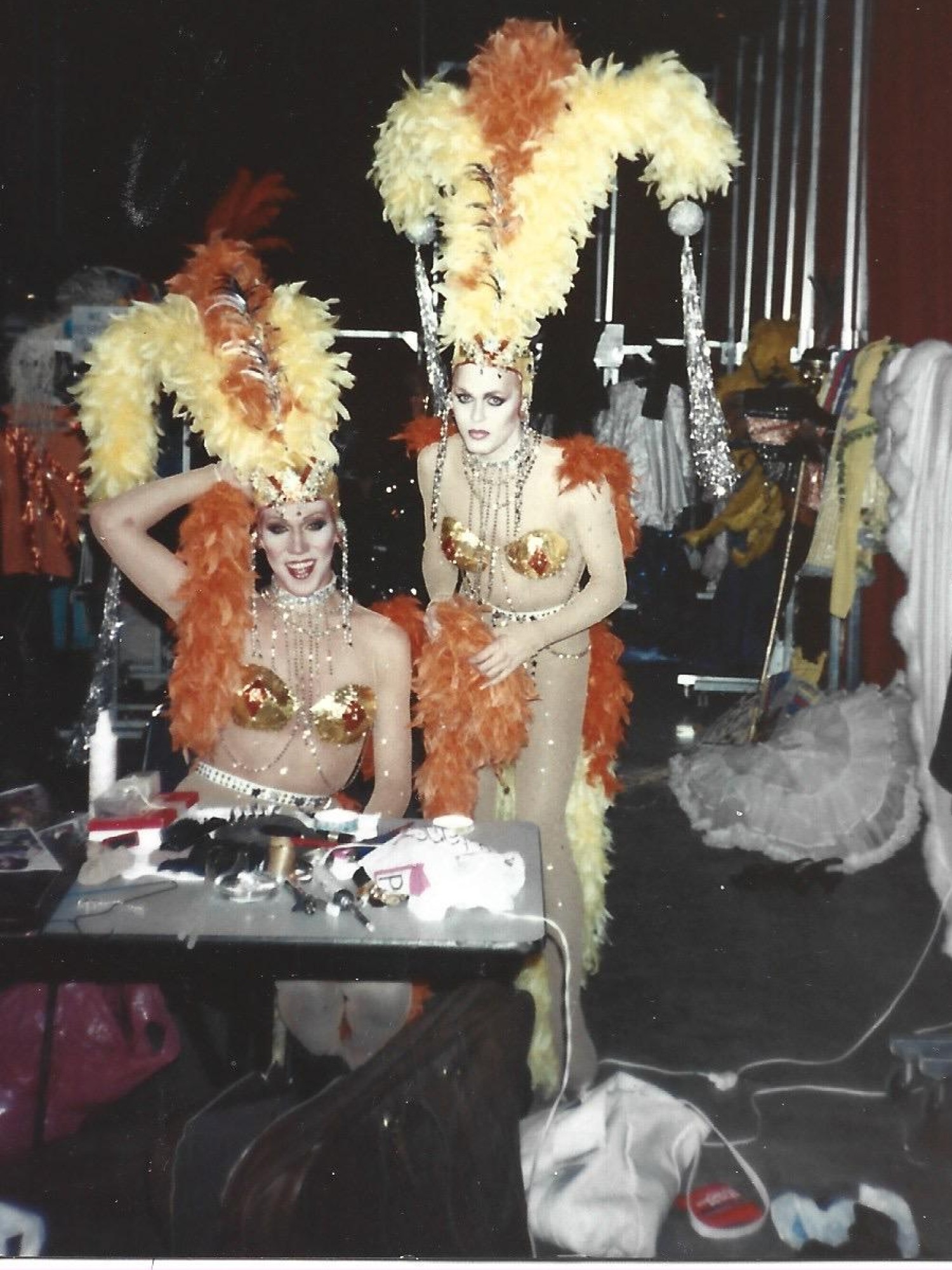
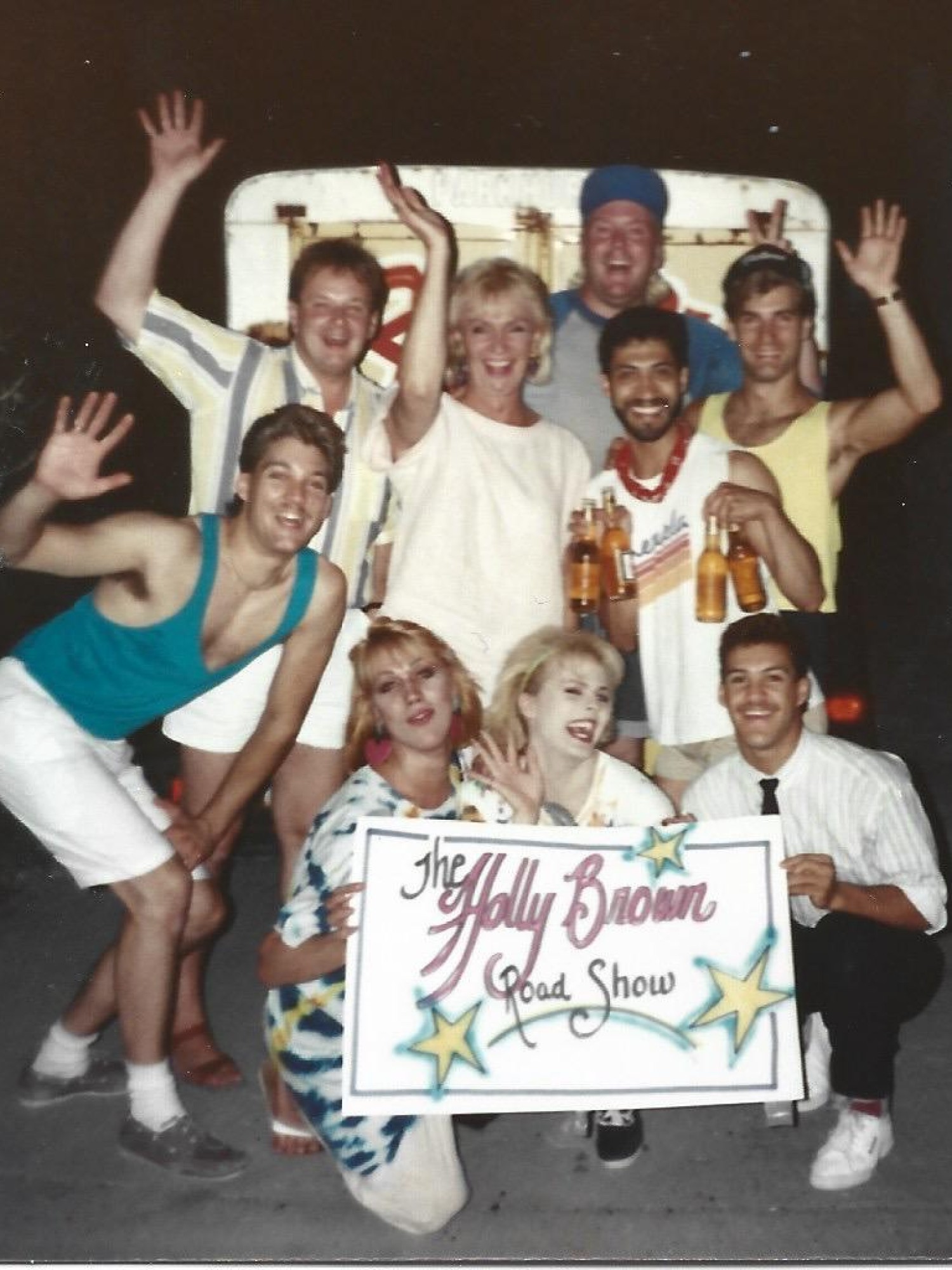
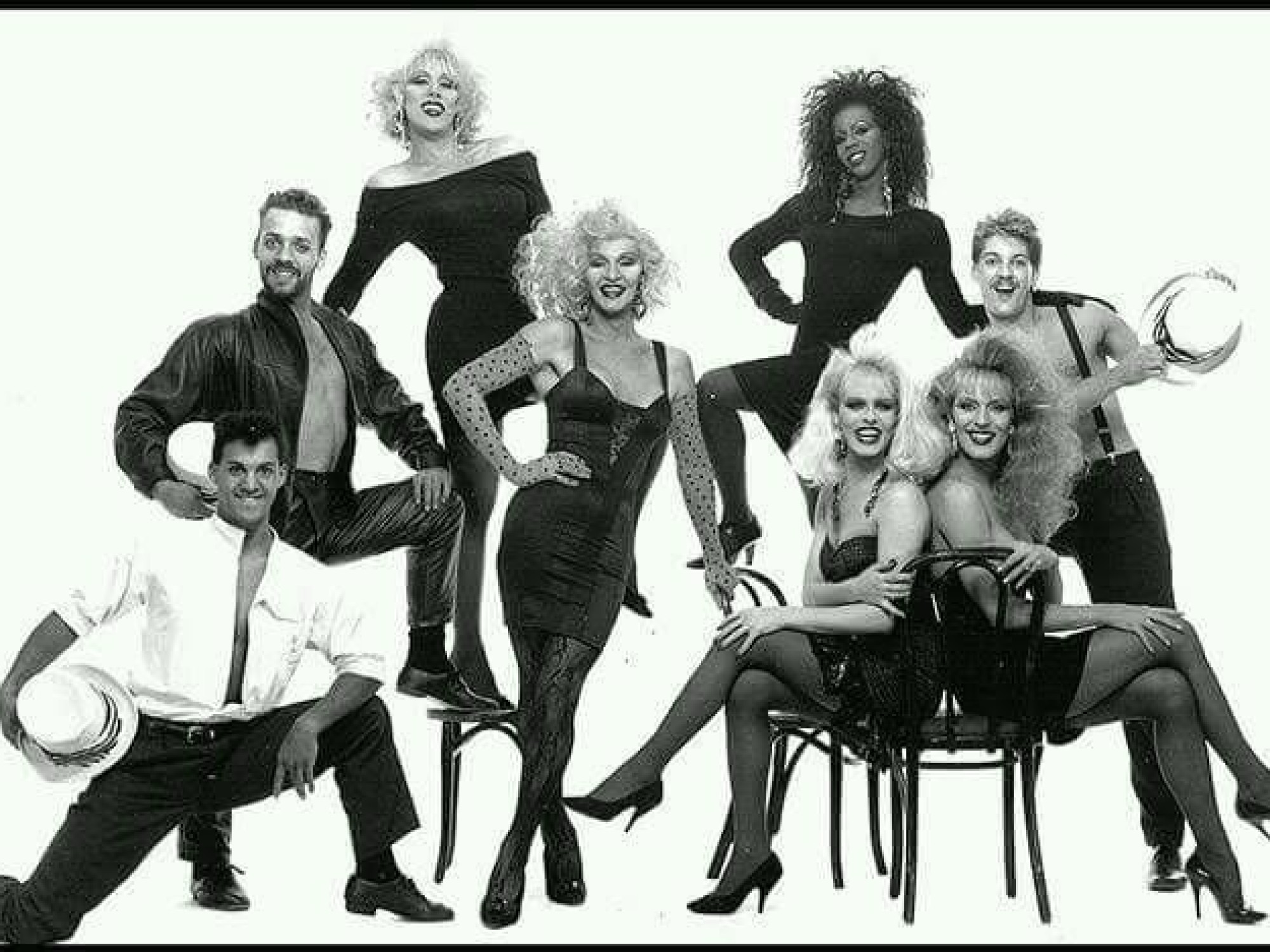
In the late 1980s, drag was soaring to new heights never seen in Milwaukee. Holly Brown, a close friend of Vanessa’s, launched a Vegas-style cabaret show called "Holly & Company" to rival the productions at Club 219.
Holly had one strict rule: “if you’re going to be a part of this, leave your ego at the door, and become part of something bigger than you’d ever know alone.”
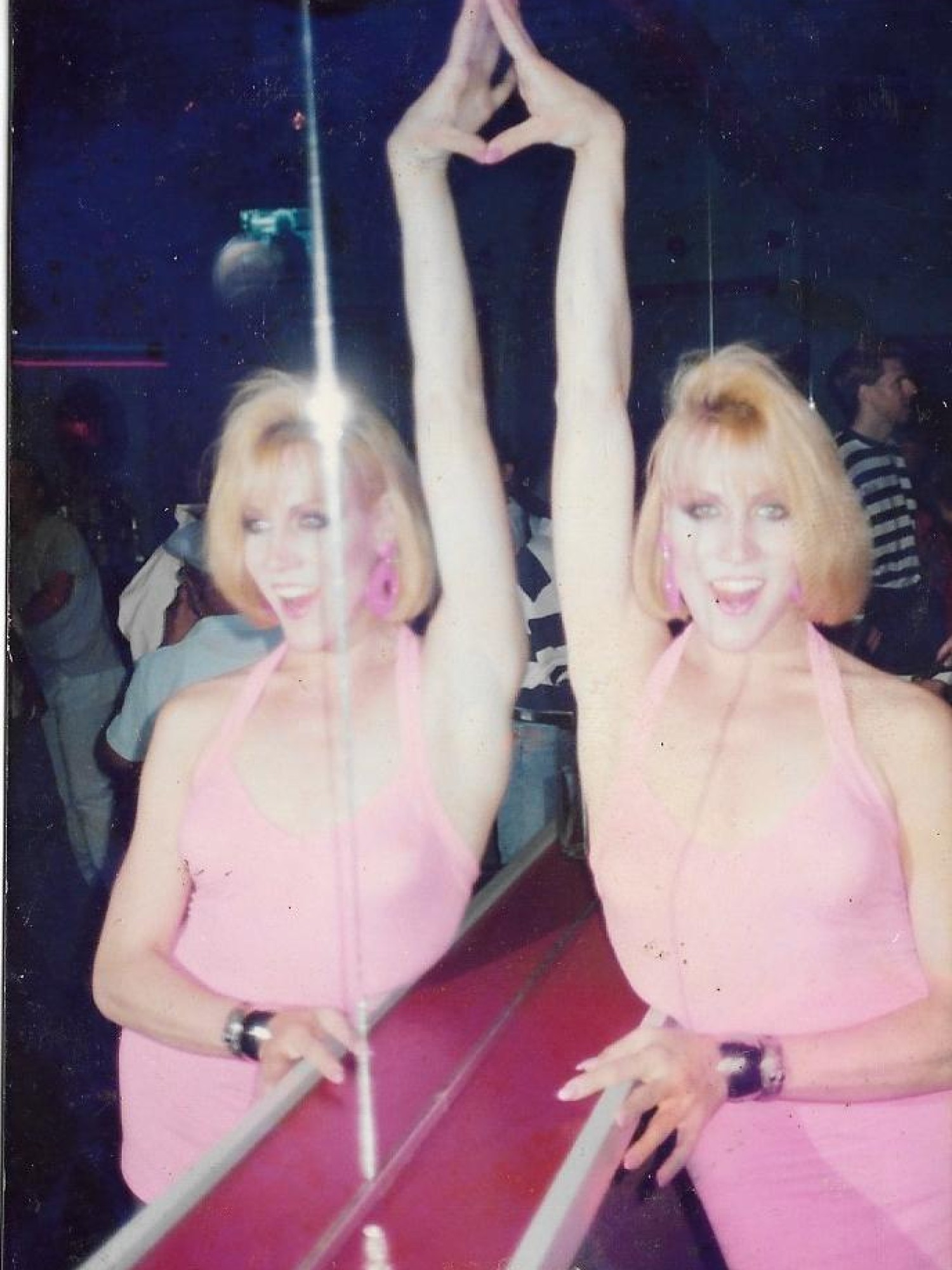
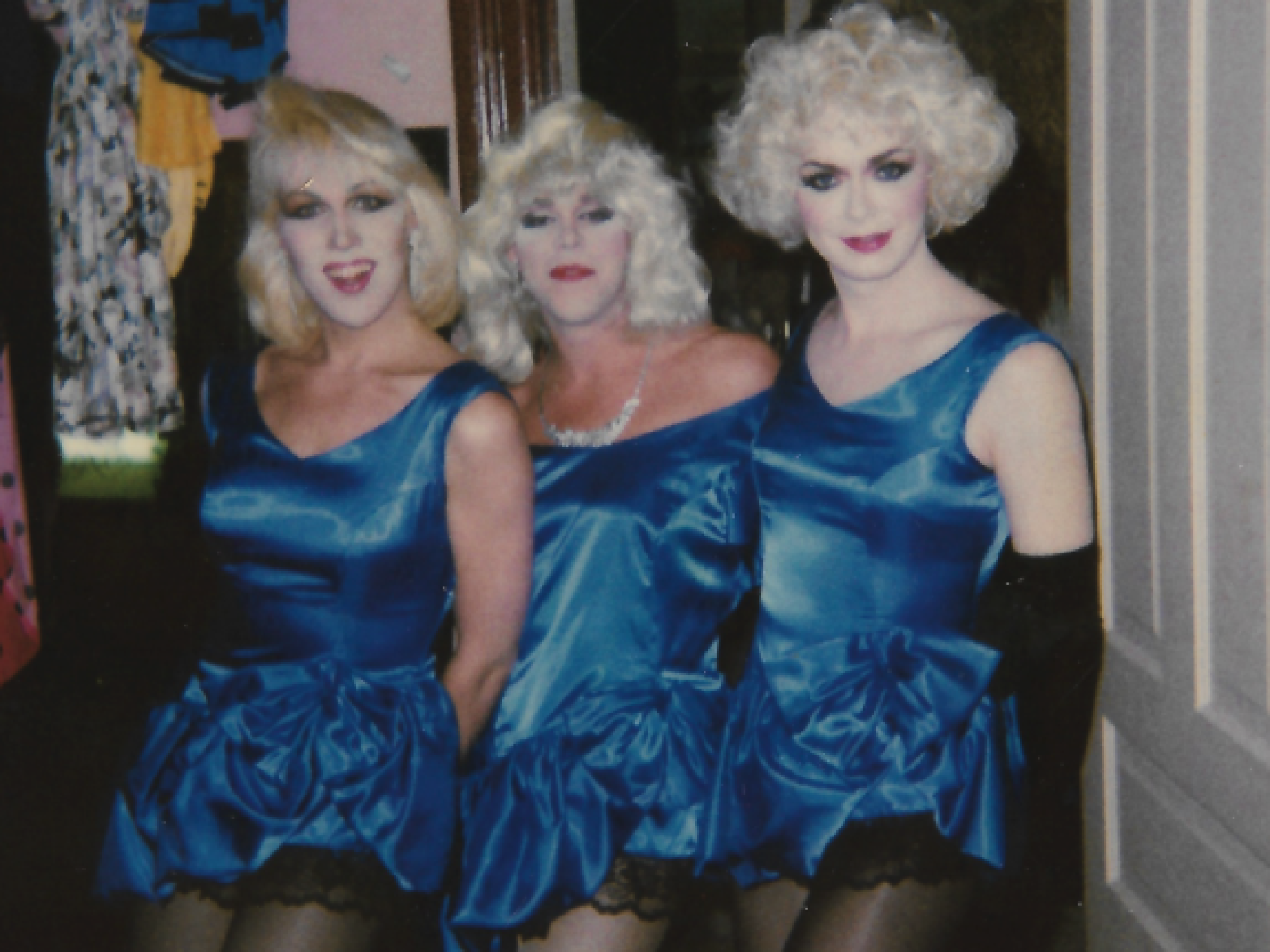
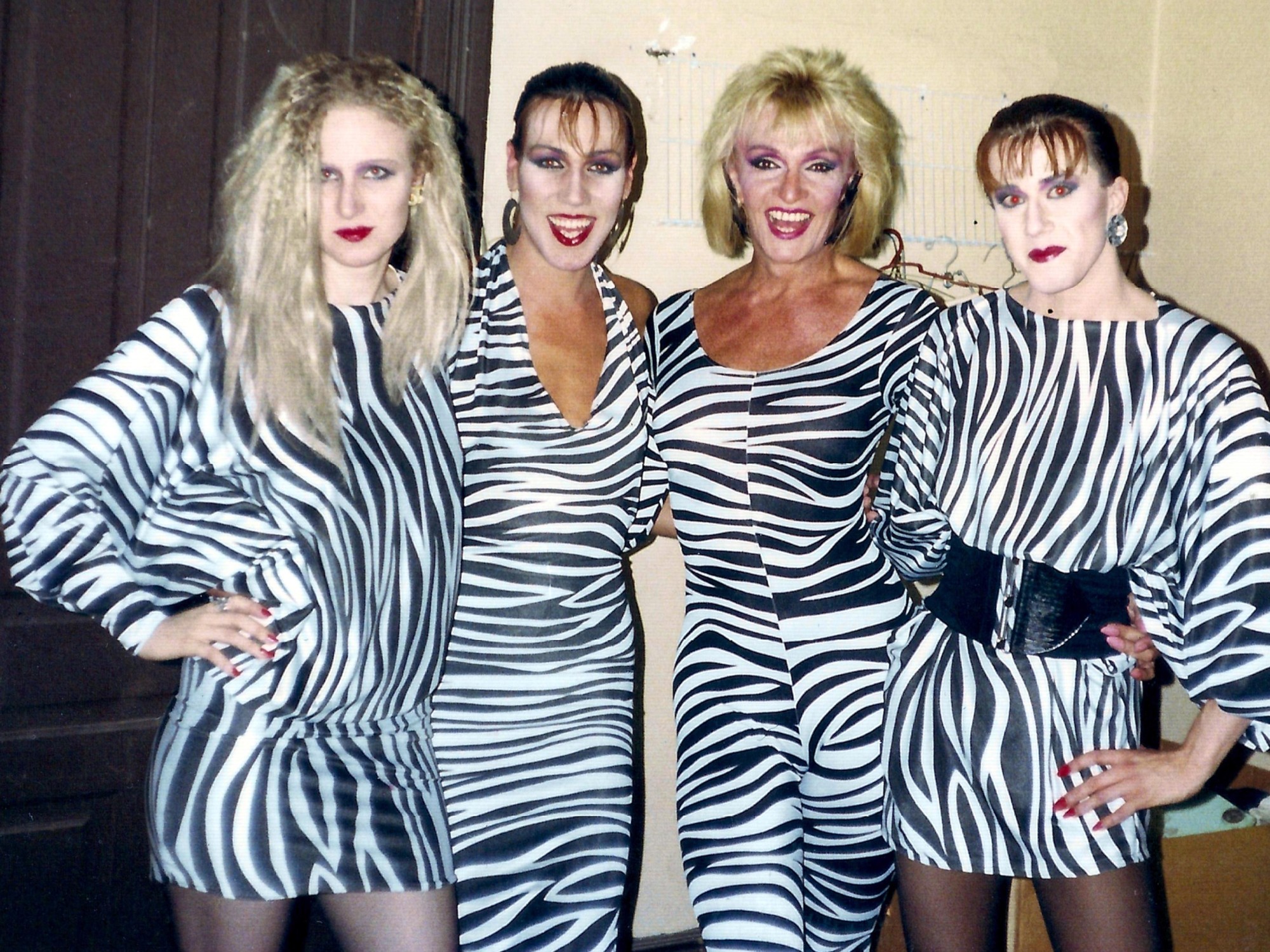
Vanessa was recruited to join the ever-growing cast and spent hours glue-gunning together costumes in the empty apartments above La Cage. She became a core member of the troupe as it skyrocketed to success. She became known for her Cher impersonation, which audiences went wild for. Over time, her castmates lovingly nicknamed her “Va-Doo-Doo” and “Va-Goomba.”
“She said yes to the chance to become more than who she was, and she never said no again,” said Goldie. “We became more than castmates, more than co-workers, we became a true ensemble of sisters and brothers and family. I would not trade those days for anything in the world.”
The girls weren’t afraid to get a little wild, either. Goldie remembers life as a never-ending party on and off the stage. Sundays were especially memorable.
“We’d do the 8pm show at La Cage, and head to 219 for their 11pm show, and then end up at Park Avenue dancing,” said Goldie. “Talk about a Sunday Funday. There’s nothing like that today. Nothing at all.”
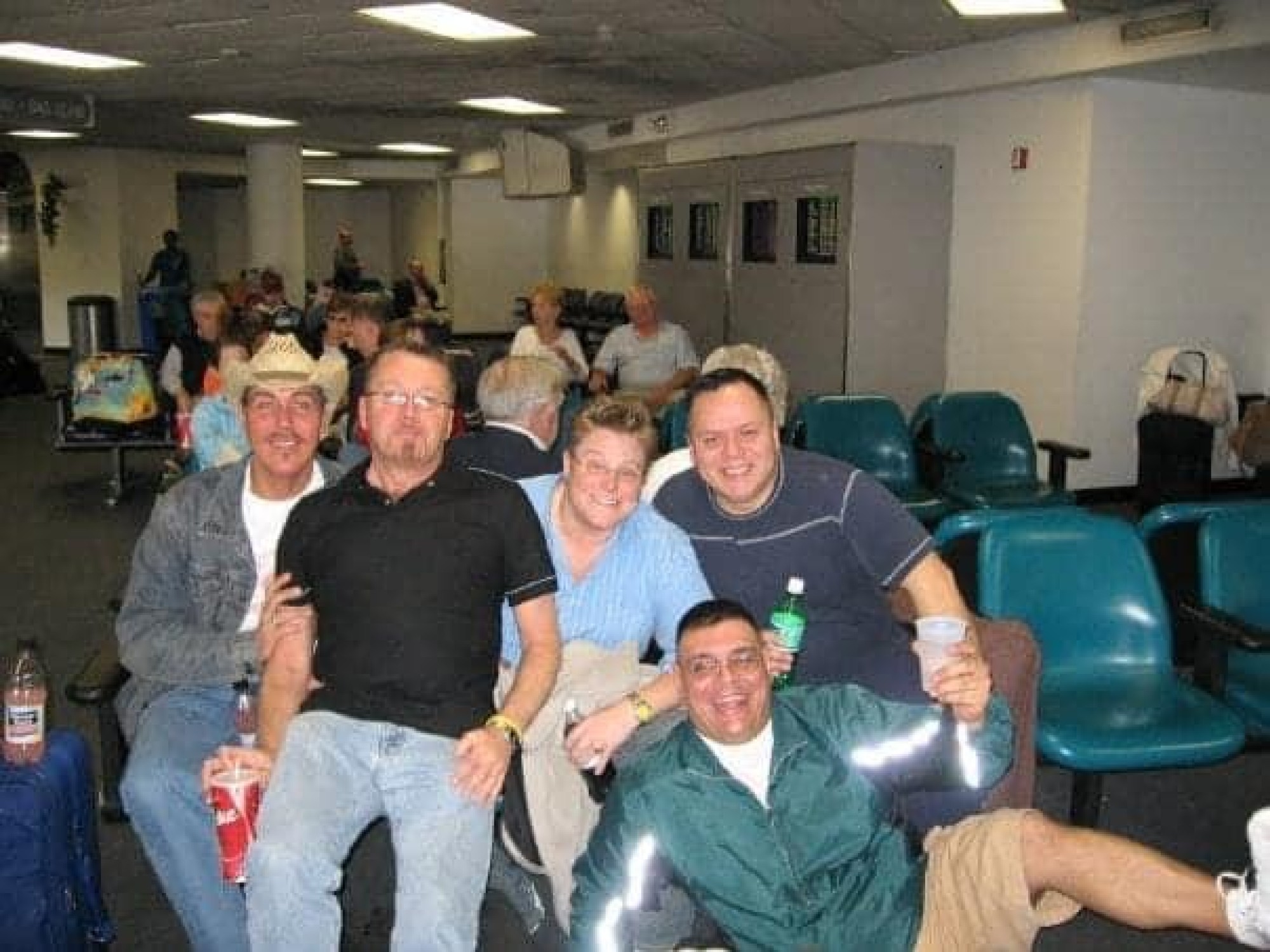
In 1988, Holly, Vanessa and David traveled to Las Vegas, a journey that has become legendary among their surviving friends.
The trip was chaotic. Vanessa, a heavy smoker who had never flown before, was terrified. On the nonsmoking flight, she succumbed to her nerves, smoked a cigarette in the lavatory, and flushed it. The ventilation system caught the smoke, flight attendants pounded on the door, and marshals were summoned to arrest Vanessa at the gate. Holly, furious, tried to change seats to disassociate herself from her. Fortunately, a sympathetic gay flight attendant smoothed things over with the authorities – but Holly wasn’t so quick to forgive and forget.
During the trip, a Hawaiian doctor gave Holly and Vanessa facial feminization injections, leaving their faces "super swollen," and forcing them to hide out in their hotel room to heal.
“My job was to bring them food – three times a day,” laughed Kotke.
Once Holly and Vanessa emerged, the trio attended Boy-Lesque at the Sahara. The show was produced by Kenny Kerr (1952-2013,) a groundbreaking Vegas “male actress,” celebrity, and philanthropist whose productions defied the anti-gay politics of the era. (Kerr famously remained closeted throughout the show’s heights. Much like other 20th century drag superstars, Kerr often ‘played it straight’ for the cameras to avoid being boycotted, blacklisted, or persecuted under strict sodomy laws.)
Needing a substitute for his Cher impersonator, Kerr asked Vanessa if she could fill in. It was the opportunity of a lifetime. Vanessa was initially brought to tears of excitement, but reality quickly set in. Her face was still swollen from the injections, and she didn't have her costumes; she feared she would be a "fat Cher.”
For the first time in her life, the fearless Vanessa backed out of a show.
Sobriety and survival
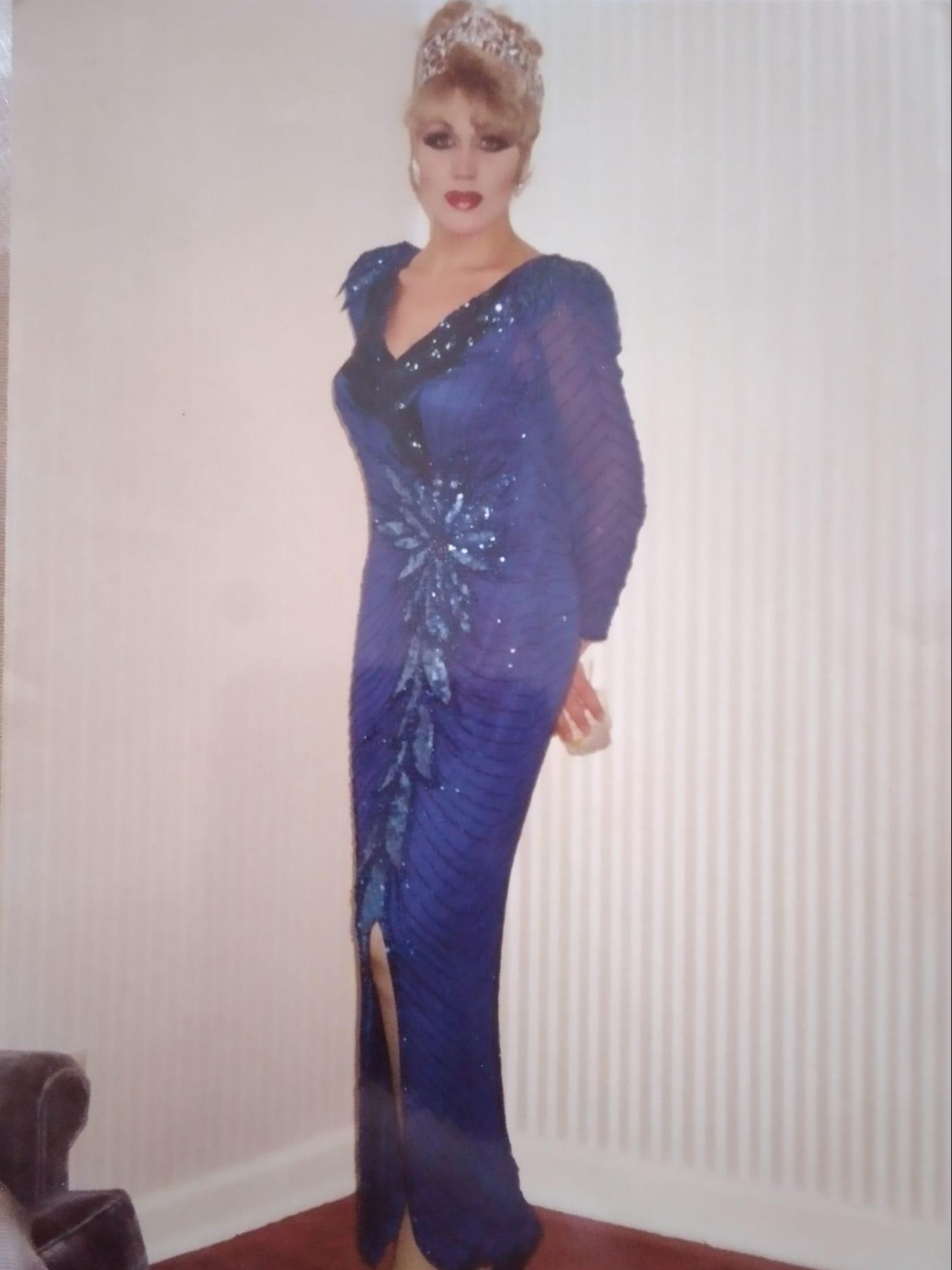
In 1990, Vanessa was queened Miss Gay Wisconsin at the annual pageant. Her grand performance, Cher’s “If I Could Turn Back Time,” involved her riding an actual motorcycle onto the stage.
Earning her crown, from prior year titleholder Mimi Marks, was one of the proudest moments of Vanessa’s life.
“There was not a single person in the Marc Plaza Ballroom who wasn’t on their feet cheering, applauding, screaming when she came out on that bike,” said Goldie. “Exquisite is not strong enough of a word to describe her performance.”
“Way back in the good old days, winning Miss or Mr. Gay Wisconsin was a huge deal,” said BJ Daniels. “She worked hard for that title by raising money for costumes and gowns and doing shows all over Milwaukee. It was true validation for Vanessa: after struggling to make it for years, she was now a bonafide star.”
Unfortunately, Vanessa’s drag career didn’t last much longer. Holly Brown left Milwaukee in April 1990, returning only for a brief New Year’s Eve run at Partners in December. After her departure, the production company was disbanded, and the performers all went their separate ways.
Holly passed away in Australia in November 1991, just as Vanessa was turning her crown over to Ms. Gay Wisconsin 1991 Kellie Greene.
Wayne pivoted into a new life for himself. He embraced sobriety, hoping to be an inspiration for others struggling with their own recoveries. He entered the real estate market as a Coldwell Banker agent. He also attempted to rebrand his social identity.
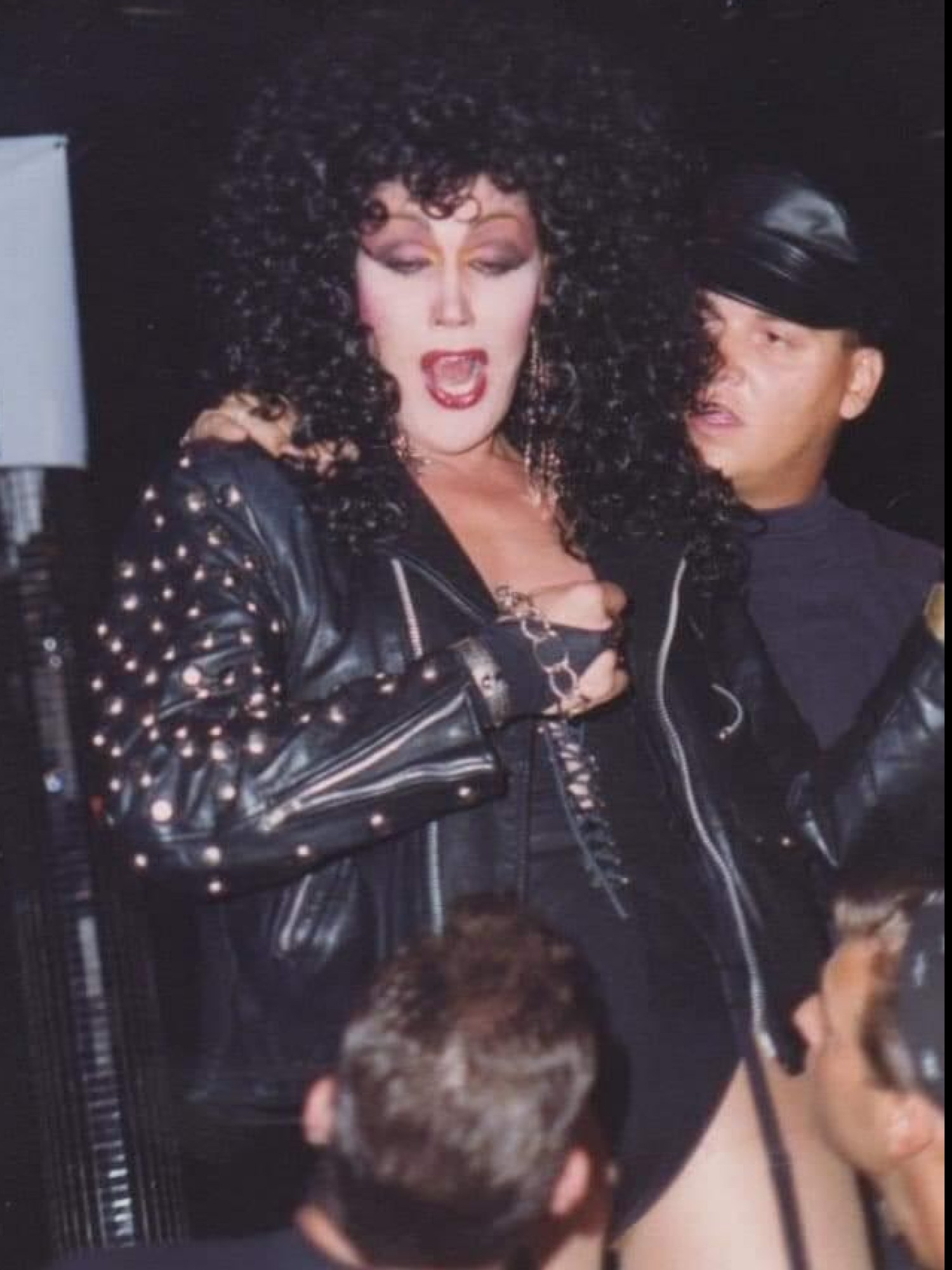
"When she decided to stop doing drag, she tried her hardest to become this leather queen," Max Barnett recalled. “It was an ironic twist -- the former pageant winning Miss Gay Wisconsin 1990 running around in a harness at Boot Camp calling herself a daddy – and it took a lot to get used to.”
Barnett joked that whenever Wayne opened his mouth, even in full leather, his "Vanessa purse" would still fall out.
“I teased her about this relentlessly,” said Max. “That was just how our relationship was.”
Underneath the carefree spirit, Wayne faced significant challenges. He was diagnosed with HIV in 1989, a diagnosis that had no treatment, no cure, and no viable prognosis at the time. Yet, he survived with HIV until 2011, when it developed into rapid onset lymphoma.
Despite these hardships, Wayne was dedicated to service. He mentored at-risk students, shared his stories at recovery meetings, and acknowledged the impact he had on LGBTQ families and recovery groups. He had no ego about his fame; he simply wanted to make the path easier for those coming after him.
“He would occasionally slip off the wagon,” said Barnett. “But he was human, like the rest of us, and he was carrying a lot of weight on those sturdy little shoulders.”
Living a flexible life
Vanessa’s gender identity was fluid long before the term "genderfluid" was commonly used. For about a year, Wayne lived as Vanessa full-time. He began hormone therapy and even had breast implants, seeking a "bigger booty" and a more feminine figure.
During this time, Vanessa worked jobs that were boldly visible. She drove a Yellow Cab taxi in full drag, working late shifts and giving free rides to friends or the occasional cute passenger. She waitressed at Mom’s Kitchen and the Wisconsin Club, where she served lunches and catered events for three years, often to customers who had no clue they were being served by a drag queen.
“She showed up in full face every day for that job, even though she wasn’t always the most passable,” said BJ Daniels. “The fortitude that it must have taken to walk that walk always astounds me.”
However, Wayne did not consider himself "transgender" in the modern sense.
"Trans was definitely not a word Vanessa would have used to describe himself," noted Melody, “he and his friends called themselves ‘queens,’ ‘girls,’ even ‘Marys,’ but they did not consider themselves to be female. It was more of an artistic expression than a gender expression.”
The feminization work was, in Melody's words, a "blip on the radar.”
Eventually, Vanessa stopped the hormones, stopped the injections, and returned to full-time life as Wayne. He had his breast implants removed, and tattooed Xs on his chest where they had once been. After working at the Wisconsin Club as Vanessa, Wayne became the first male waiter they ever hired. As Wayne, he waited on people who did not recognize him as the Vanessa who had served them for years.
“I will always call her she, because that’s how it was back in those days,” said BJ Daniels. “The pronoun was a badge of honor between fellow performers and friends.”
A legacy of joy
After the final outing to PrideFest, Wayne passed away on June 13, 2012, leaving behind an extended family to grieve, remember, and celebrate the person he was.
"He was just absolutely beloved by so many people,” said his mother Virginia. “We heard from so many people he’d known over the years. And each one of them had a good story to tell.”
Over a decade later, the comments on Wayne's obituary are still coming.
Vanessa as Cher (photo: Ricky Cornejo)
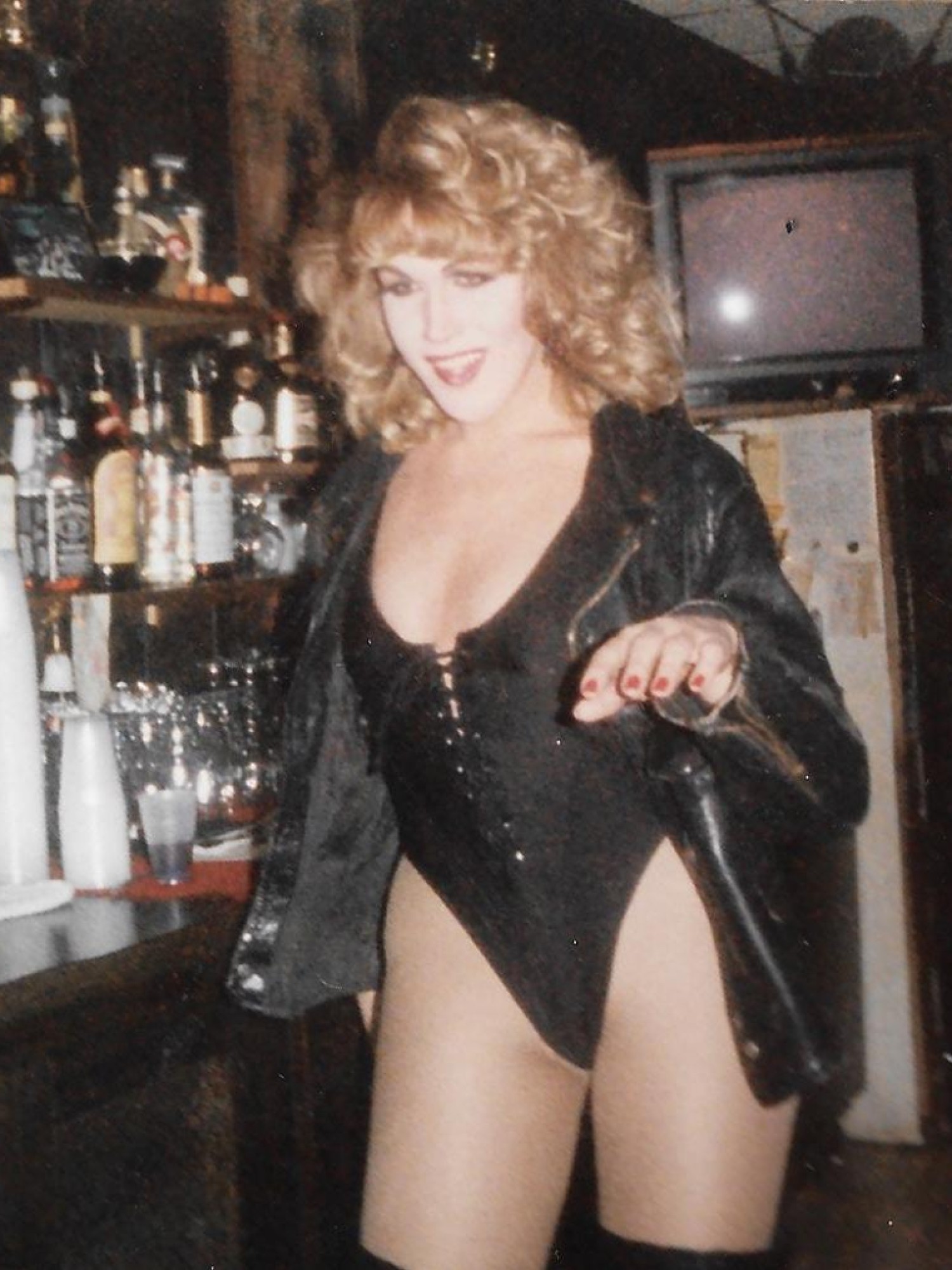
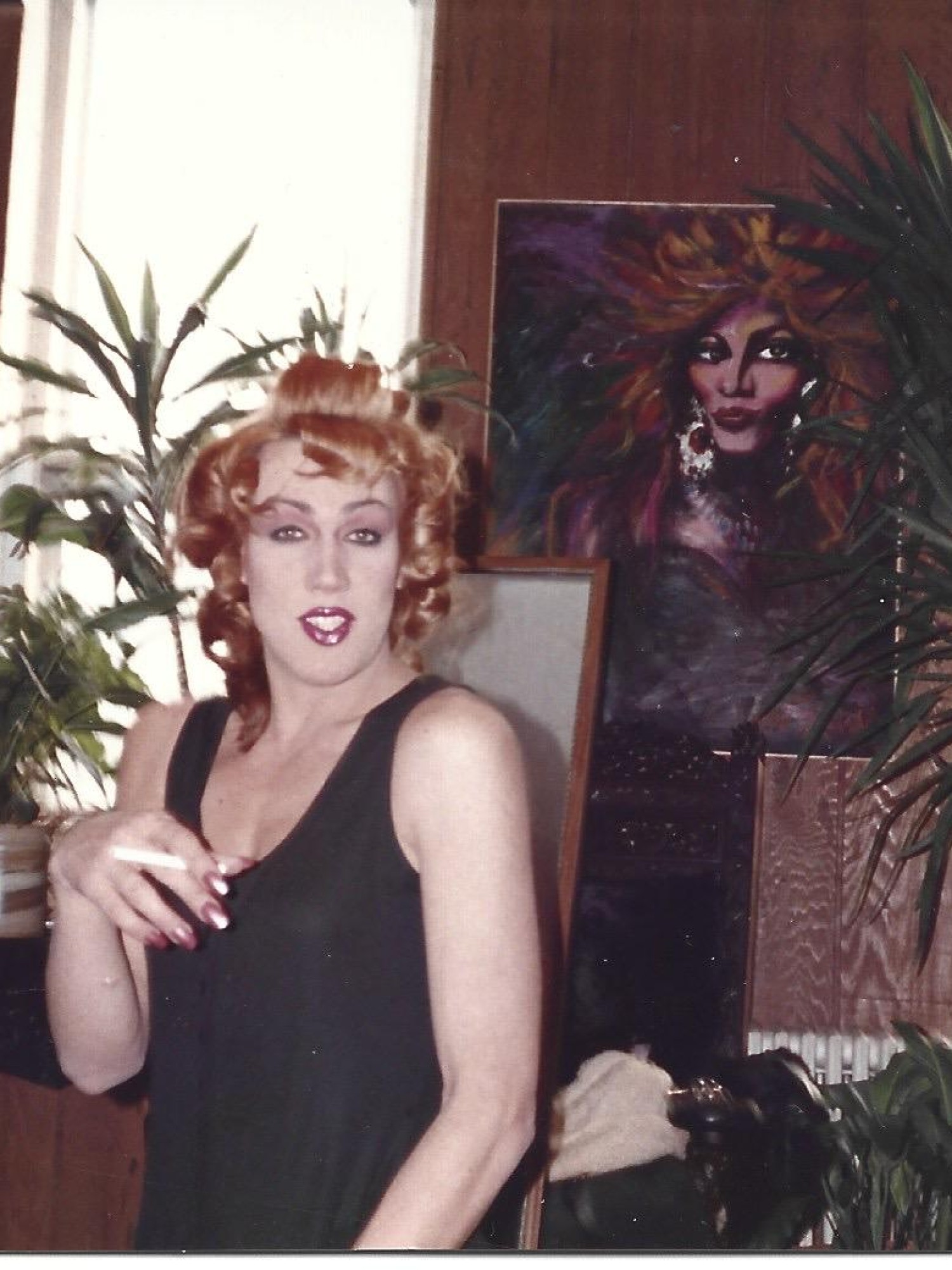
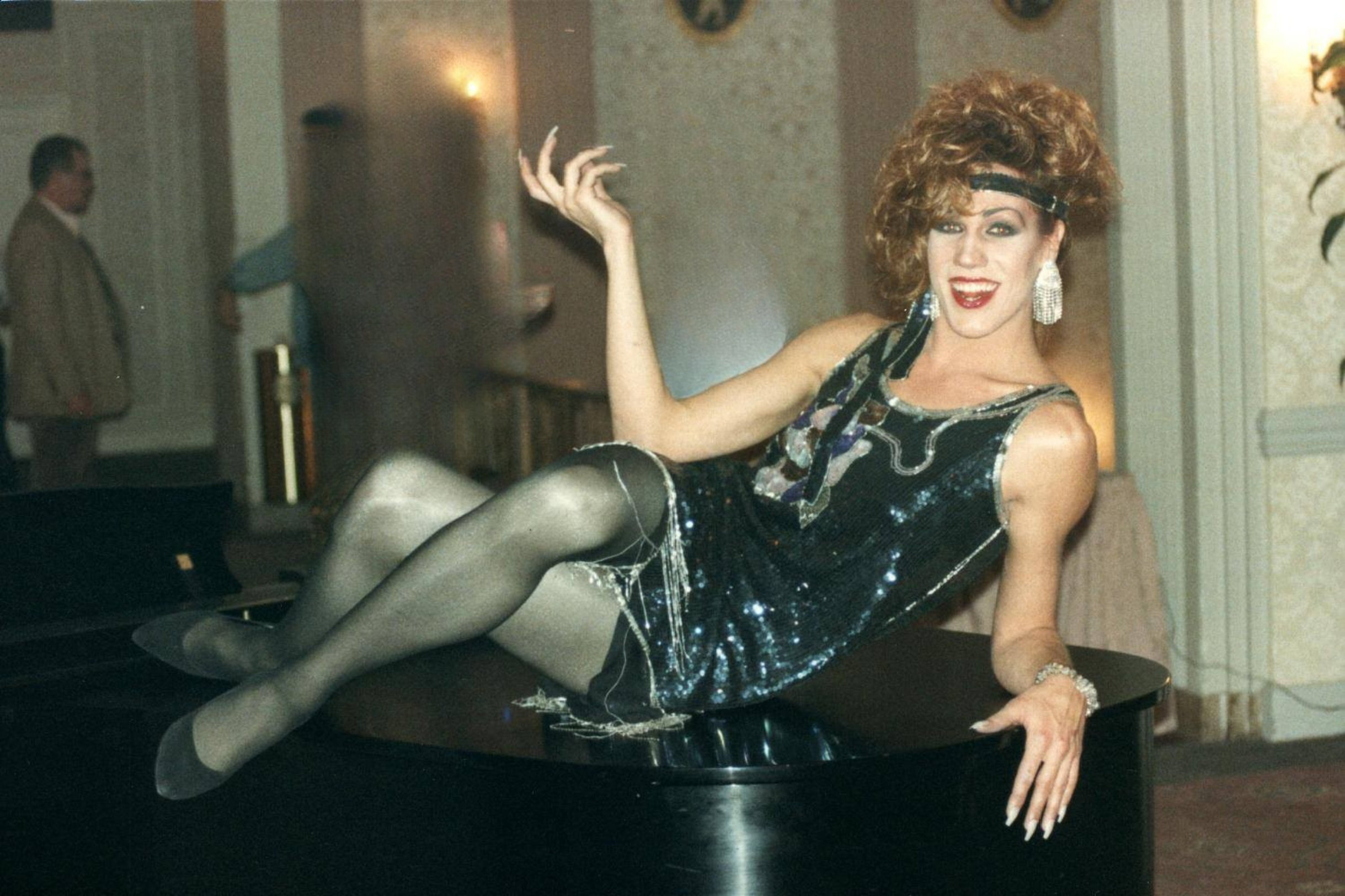
Vanessa at Fannies
Wayne and Melody
For Goldie, the loss was compounded by lost time. After exiting a long-term relationship, during which he didn’t participate in nightlife or drag shows, he reconnected with Wayne in his final years.
“It was like no time had passed,” said Goldie. “We started up right where we left off. We shared a ‘biiiiiiitch!’ and a big hearty laugh together. It felt just like old times.”
Wayne’s life was a testament to the vibrancy of Milwaukee’s gay history. He was a taxi driver in a dress, a leather queen with a showgirl’s heart, and a survivor who outlived the darkest days of the AIDS epidemic to see a new age of acceptance parade down 2nd Street.
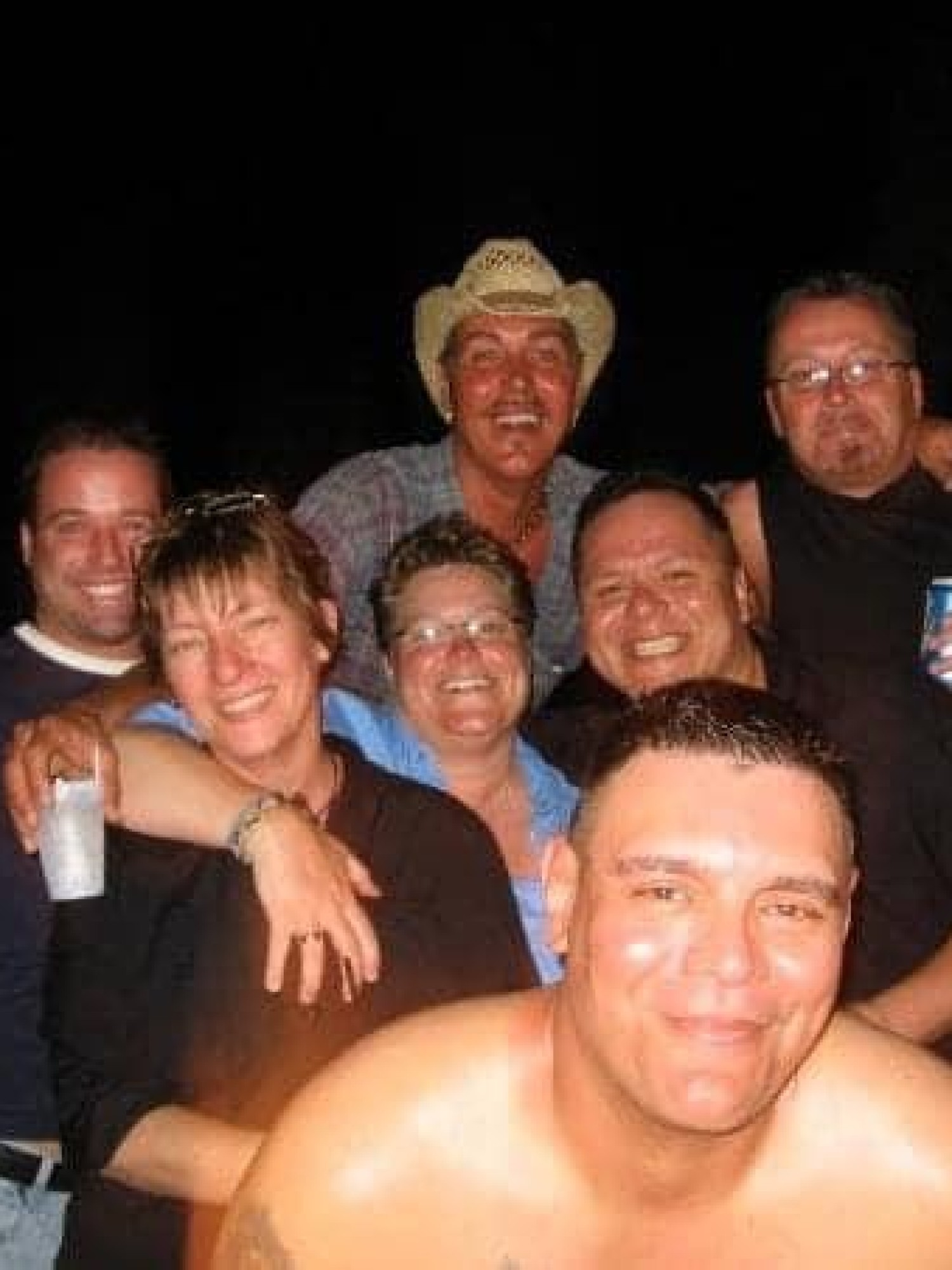
He is remembered for the sheer volume of his life. He lived in the "Viking Apartments,” known for its "soap opera level drama,” where afterbar parties lasted all weekend and sometimes until noon on Mondays. He was the free spirit who, during a backyard party where the hosts begged for "no drugs and no nudity," ended up naked in the hot tub and jumped into the swimming pool, mortifying the guests. He was the only drag queen to become a regular at Fannies, a lesbian bar that loved and embraced Vanessa as their own.
As Barnett concluded, "With Vanessa, every day was a new day. Every day was a fresh start to the story."
“Wayne really knew how to live. And he lived his life with a cigarette in one hand, a cocktail in the other, and laughter that made you realize, every fall down the stairs is just part of the show.”
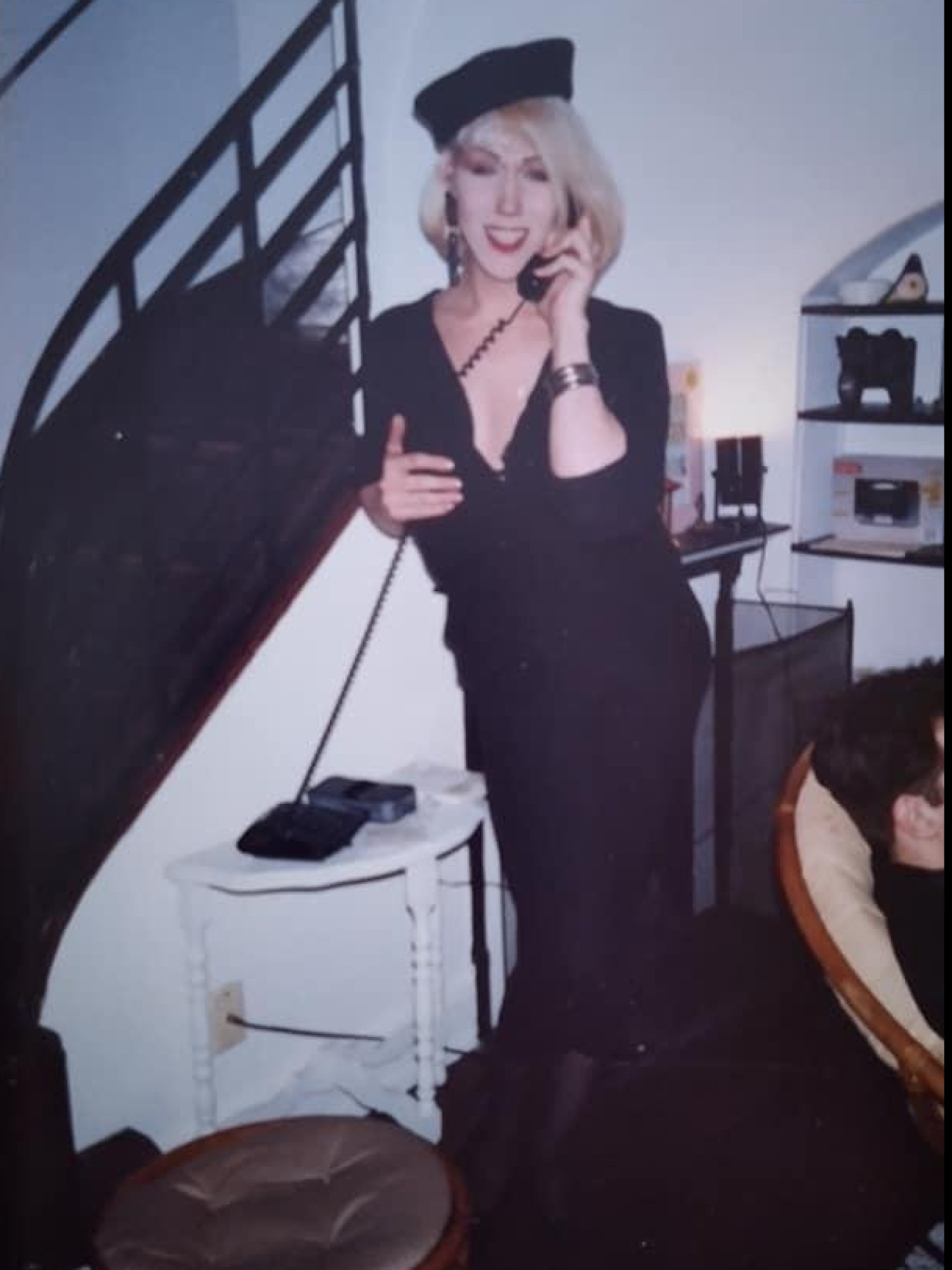
Holly Brown & Company
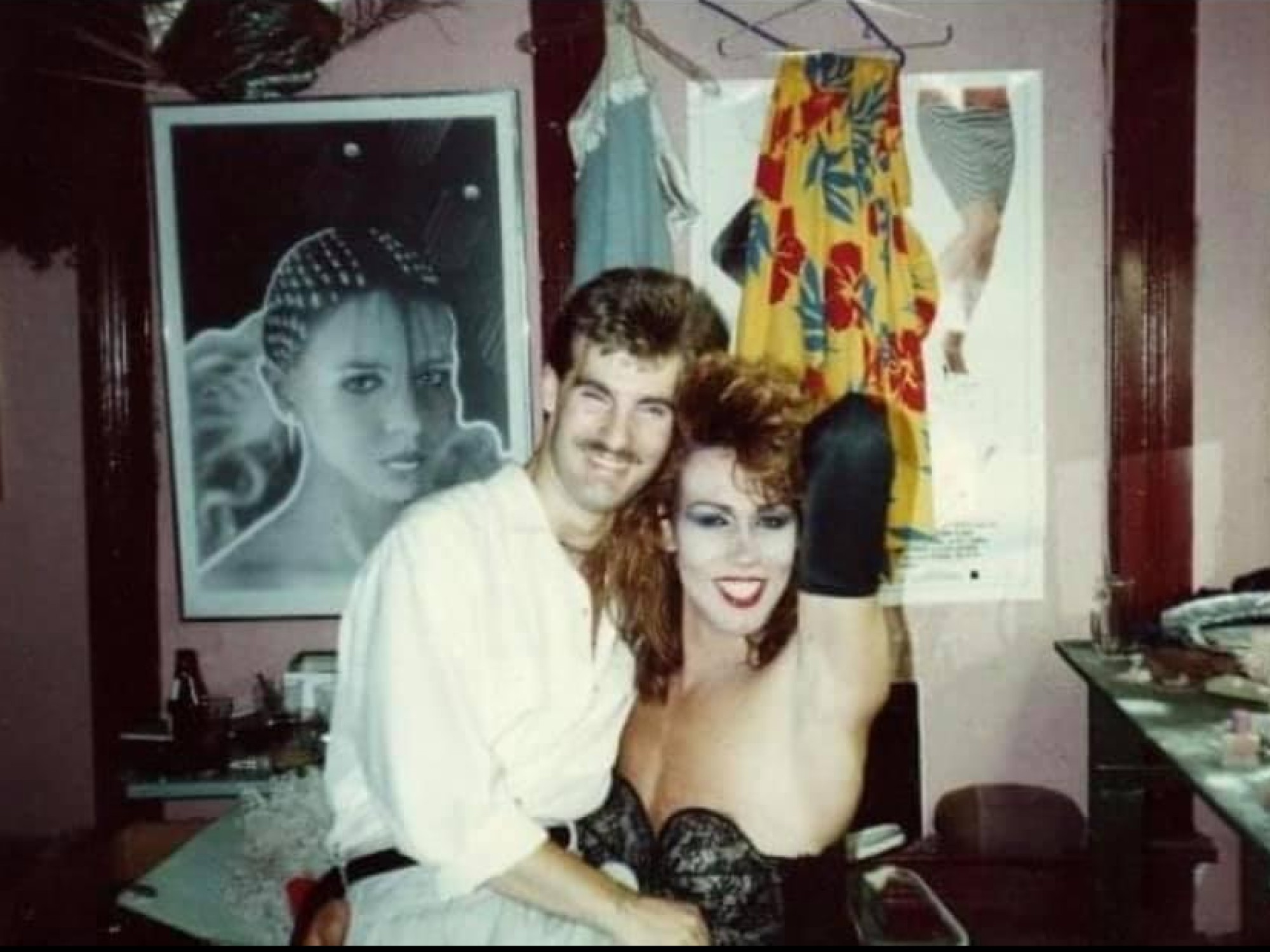
David and Vanessa
The concept for this web site was envisioned by Don Schwamb in 2003. Over the next 15 years, he was the sole researcher, programmer and primary contributor.
If you would like to contribute as a blog writer please contact us.
recent blog posts
January 10, 2026 | Michail Takach
December 17, 2025 | Michail Takach
December 16, 2025 | Michail Takach
The concept for this web site was envisioned by Don Schwamb in 2003, and over the next 15 years, he was the sole researcher, programmer and primary contributor, bearing all costs for hosting the web site personally.
This work is licensed under a Creative Commons Attribution-NonCommercial-ShareAlike 4.0 International License.
© 2026 Wisconsin LGBTQ History Project. All Rights Reserved.