
- Places

Senior Action in a Gay Environment (SAGE)
Support
Milwaukee, WI
State Region
Southeast
Founded / Started: 1993
Disbanded / Ended: 2012Communities Served
Mixed, Seniors
Logo:

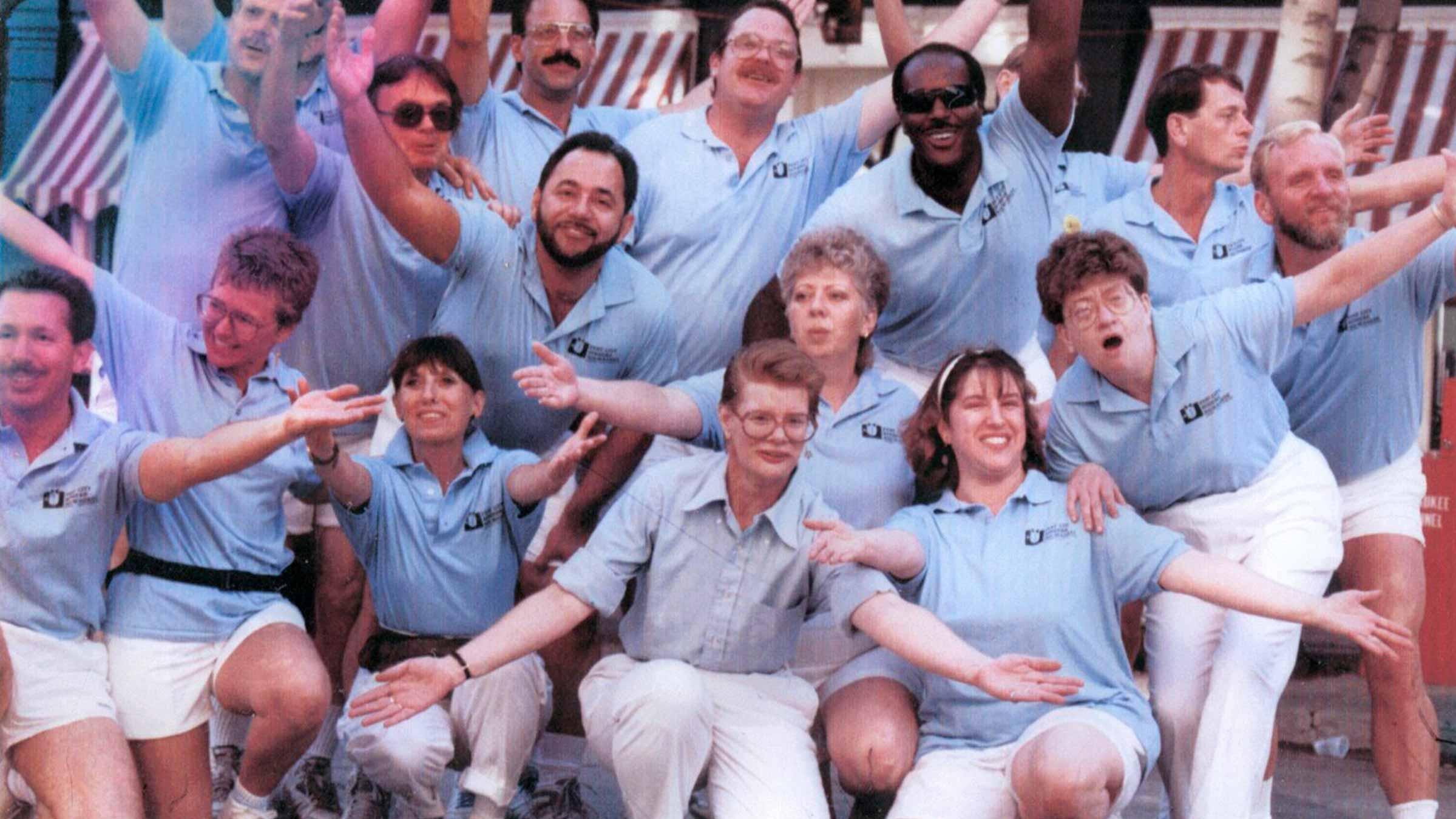
SAGE Milwaukee was Wisconsin’s first organization dedicated to LGBTQ seniors, providing advocacy, social programs, support services and community connections from 1993 to 2012.

INPUT ALWAYS WELCOME!
We are always looking for photos of the exterior and interiors of Bars and other Places, as well as information about ownership, activities and opening and closing background info about Places. We welcome your input and photos!
SAGE Milwaukee (Senior Action in a Gay Environment) was Wisconsin’s first organization devoted specifically to issues surrounding aging in the LGBTQ community.
Its origins traced to 1993, when the Cream City Foundation provided Milwaukee activist Eldon E. Murray with a grant to attend a SAGE conference in New York. Inspired by what he learned, Murray returned to Milwaukee and helped establish SAGE Milwaukee following an organizing meeting in December 1993. The organization held its first public meeting on January 8, 1994.
Modeled after SAGE, Inc. of New York City, the nation’s oldest and largest organization serving older gay and lesbian adults, SAGE was created to improve the quality of life for lesbian, gay, bisexual and transgender seniors. It became a Wisconsin nonprofit corporation and subsequently received federal 501(c)(3) tax-exempt status. The organization developed a membership base, published a monthly newsletter and offered regular social, educational and community programs.
During its first year, SAGE established its organizational structure, selected its board and officers, completed its incorporation and tax-exempt filings, and held 17 events. Among its early programs was a half-day training session for professionals working with older adults that focused on the particular needs of older LGBTQ people. By the end of 1994, the organization had 100 paid charter members and had published 12 monthly newsletters.
SAGE continued to expand its programming throughout the 1990s. It held dozens of events each year, participated in professional and community conferences, and developed relationships with organizations including the Milwaukee County Department on Aging and the Coalition of Wisconsin Aging Groups. In 1997, it began renting space in the basement of Lake Park Lutheran Church, where it held many of its programs. In 1999, it moved its office activities to the newly established Milwaukee LGBT Community Center.
The organization also worked to make the needs of LGBTQ seniors more visible within the broader aging-services community. In 1999, during Older Americans Month, SAGE brought the nationally acclaimed Village Elders: Portraits and Stories exhibition to Milwaukee. The exhibition featured portraits and biographies of gay and lesbian elders and was displayed at the Milwaukee LGBT Community Center, the Milwaukee County Department on Aging and the Washington Park Senior Center.
By 2000, SAGE had approximately 100 active members and had become an established voice on issues affecting LGBTQ older adults. Murray emphasized one of the central challenges facing LGBTQ seniors: although programs and services for older adults existed, many LGBTQ people either did not know about them or were reluctant to participate because they remained closeted. This highlighted the need for LGBTQ-specific outreach and culturally competent aging services.
Beginning in 2001, SAGE became an official provider of services to the Milwaukee County Department on Aging. County funding helped support outreach, advertising, a part-time social worker and educational programs for professionals working with older adults. Its annual training programs addressed the specific needs of LGBTQ seniors and drew dozens of professionals. SAGE representatives also served on county advisory committees and participated in initiatives examining the needs of underserved older adults in Milwaukee County.
During this period, the organization expanded its direct support services. Its social worker assisted individuals dealing with personal and other challenges, while Telephone Companion and Friendly Visitors programs connected volunteers with people seeking additional social support. SAGE also established a Dinner Club and continued publishing its newsletter, maintaining a website and developing other community communications.
SAGE operated from several locations during its history, eventually maintaining an office at the Milwaukee LGBT Community Center. By the early 2000s, the organization had developed a formal board structure, committees, policies and procedures, a strategic plan and an endowment intended to support services for LGBTQ seniors.
By early 2007, SAGE was reportedly offering between 14 and 16 events each month. However, public donations and private funding began to dwindle after the Great Recession, and the organization struggled to survive. In 2012, the SAGE Board of Directors dissolved its organization and donated its records to the UWM Archives. The Milwaukee LGBT Community Center absorbed most of SAGE's programming into its Older Adult program.
The UWM Libraries now house the SAGE Milwaukee Collection (1992-2012.)
INPUT ALWAYS WELCOME!
We are always looking for photos of the exterior and interiors of Bars and other Places, as well as information about ownership, activities and opening and closing background info about Places. We welcome your input and photos!
join our email list
Get WI LGBTQ History Project updates in your inbox.


