
- Places
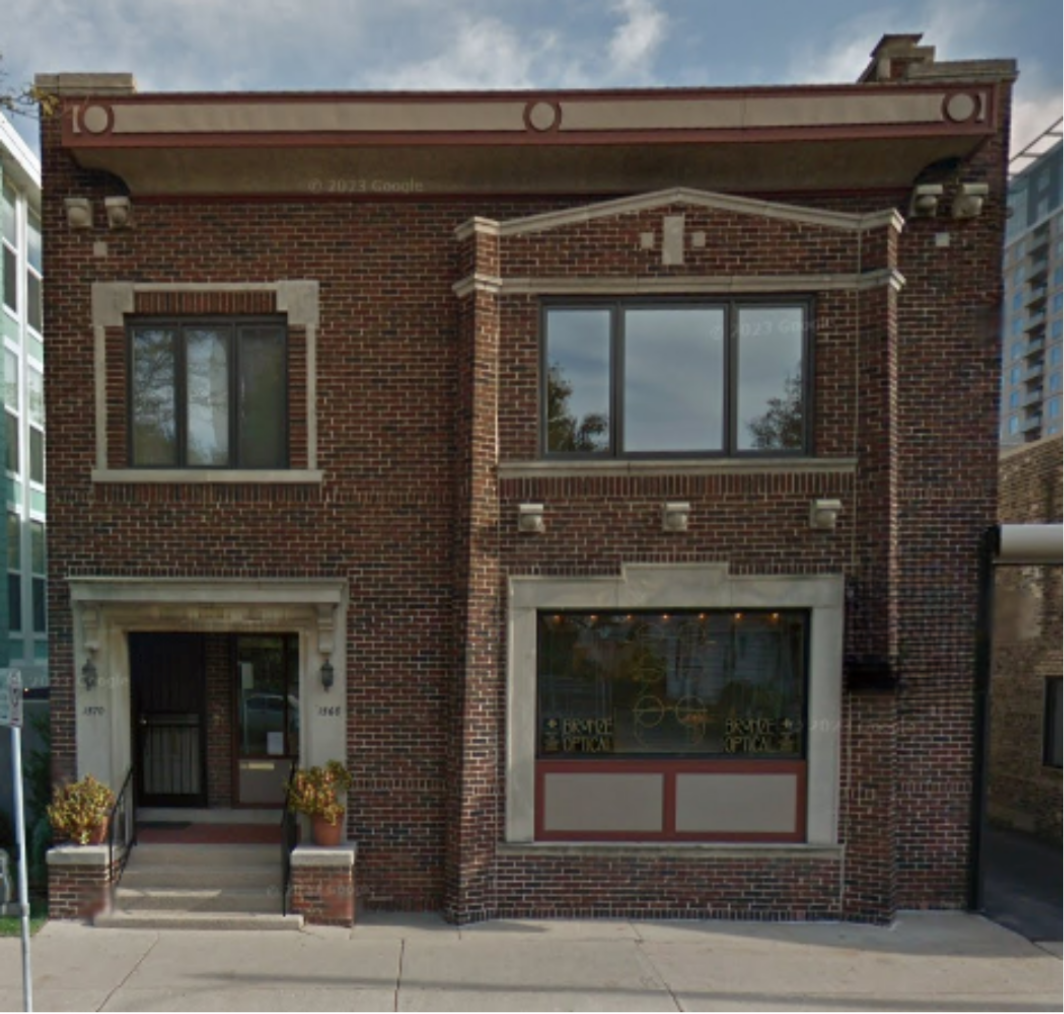
GPU Farwell Center
Community Center
1568 N Farwell Ave
Milwaukee, WI 53202State Region
Southeast WI
Neighborhood
East Side
Year Opened: 1975
Year Closed: 1981Exact Date Opened: Unknown
Exact Date Closed: UnknownClientele Primarily Identified As
Mixed, Black
Logo:

At the heights of Gay Peoples Union national prominence, Milwaukee's Farwell Center was an LGBTQ community hub, offering vital neighborhood services for six years.

INPUT ALWAYS WELCOME!
We are always looking for photos of the exterior and interiors of Bars and other Places, as well as information about ownership, activities and opening and closing background info about Places. We welcome your input and photos!
In June 1975, Milwaukee was home to one of the first LGBTQ community centers in the nation: the Gay People's Union Farwell Center (1568 N. Farwell Ave.)
For six years, the Farwell Center was a Brady Street neighborhood destination. The building was home to a library, classroom, counseling and crisis hotline services, public meeting rooms, legal advice clinic, speakers bureau, and a small performance / exercise space. For five years, GPU founder Louis Stimac taught gay history courses out of the building. The GPU VD Clinic, an early testing program that traveled to the city's bars and bathhouses at night, had a permanent home at the Farwell Center. Alyn Hess, a longtime GPU officer, actually lived in the building and served as the day-to-day business manager.
In June 1980, Milwaukee passed a landmark ordinance banning LGBTQ discrimination and celebrated its first pride parade in years. The community felt unstoppable, even invincible.
And then, GPU learned that their headquarters had been sold. Facing their inevitable eviction, GPU President Paul DeMarco vowed to relocate. He launched a Gay Community Center Planning Commitee and Building Fund. Neither were especially successful.
On April 15, 1981, GPU's lease came to an end and the Farwell Center closed forever. Homeless, exhausted, and most definitely frustrated, Paul DeMarco announced that GPU was cancelling its plans for a community center "until the community could come together and truly commit to supporting one."
In August 1983, Gay People's Union canceled its officer elections as there were not enough members to hold them. As new, more specialized, and more separatist organizations began to pop up, first generation groups like GPU began to slowly fade away. The activists of the 1970s found themselves totally overwhelmed with the AIDS crisis of the 1980s. The fight for progress was replaced with a fight for survival.
Although the GPU crisis hotline continued well into the late 1980s / early 1990s, Gay People's Union has only existed on paper for the past three decades.
INPUT ALWAYS WELCOME!
We are always looking for photos of the exterior and interiors of Bars and other Places, as well as information about ownership, activities and opening and closing background info about Places. We welcome your input and photos!
join our email list
Get WI LGBTQ History Project updates in your inbox.


