
- Places
 July 01, 2026 | Michail Takach
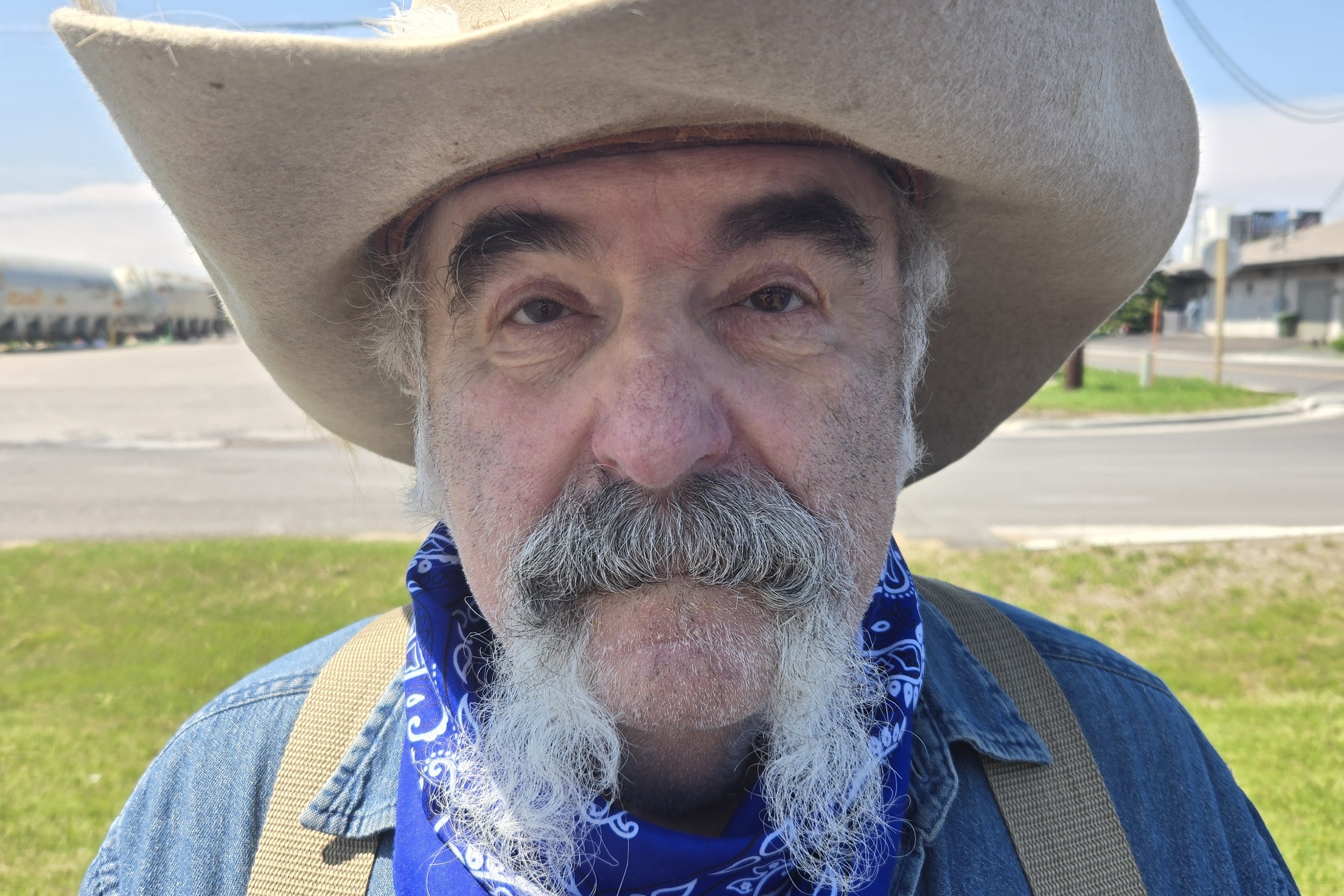
Bob Jansen: becoming the "Harvey Milk of the Northland"
Through a lifetime of leadership, he seized every opportunity to build a better world.
From the outside, the Main Club looked like any other tavern in a working-class port city. Originally located in Superior’s industrial north end, the Main was surrounded by railroad tracks, grain elevators, blue-collar taverns, old garages, and vacant lots. Two 800-foot cargo ships were parked nearby. Its closest neighbors were a biker bar and a massage parlor. Depending on which way the wind blew, the air outside was filled with the scents of grease, smoke, iron, and lake. For most people, this neighborhood wasn’t a daytime destination – but by night, it was an unlikely home for an emerging community that came from three states around.
Here, in the middle of it all, was the original home of the Main Club (1813 N. 3rd St.) – one of the most consequential LGBTQ landmarks in the Midwest – which continues to operate today in downtown Superior.
On the outside, it looked like any other tavern in town. On the inside, it was something else entirely: a room where a gay man from the Iron Range could hold another man's hand without calculating the cost, where a lesbian from rural Wisconsin could dance without watching the door, where the bulletin board near the entrance was always thick with apartment listings, healthcare referrals, legal resources, and political announcements that the rest of the world had not yet thought to provide.
The Main Club was not just a place to drink. It was a space that uniquely and unconditionally belonged to the LGBTQ community. It was a testament that locals could live openly and honestly in their hometown.
This year, we’re recognizing the man who built that space. Congratulations to Bob Jansen of Superior, Wisconsin, honored with a 2026 BeSeen Award.
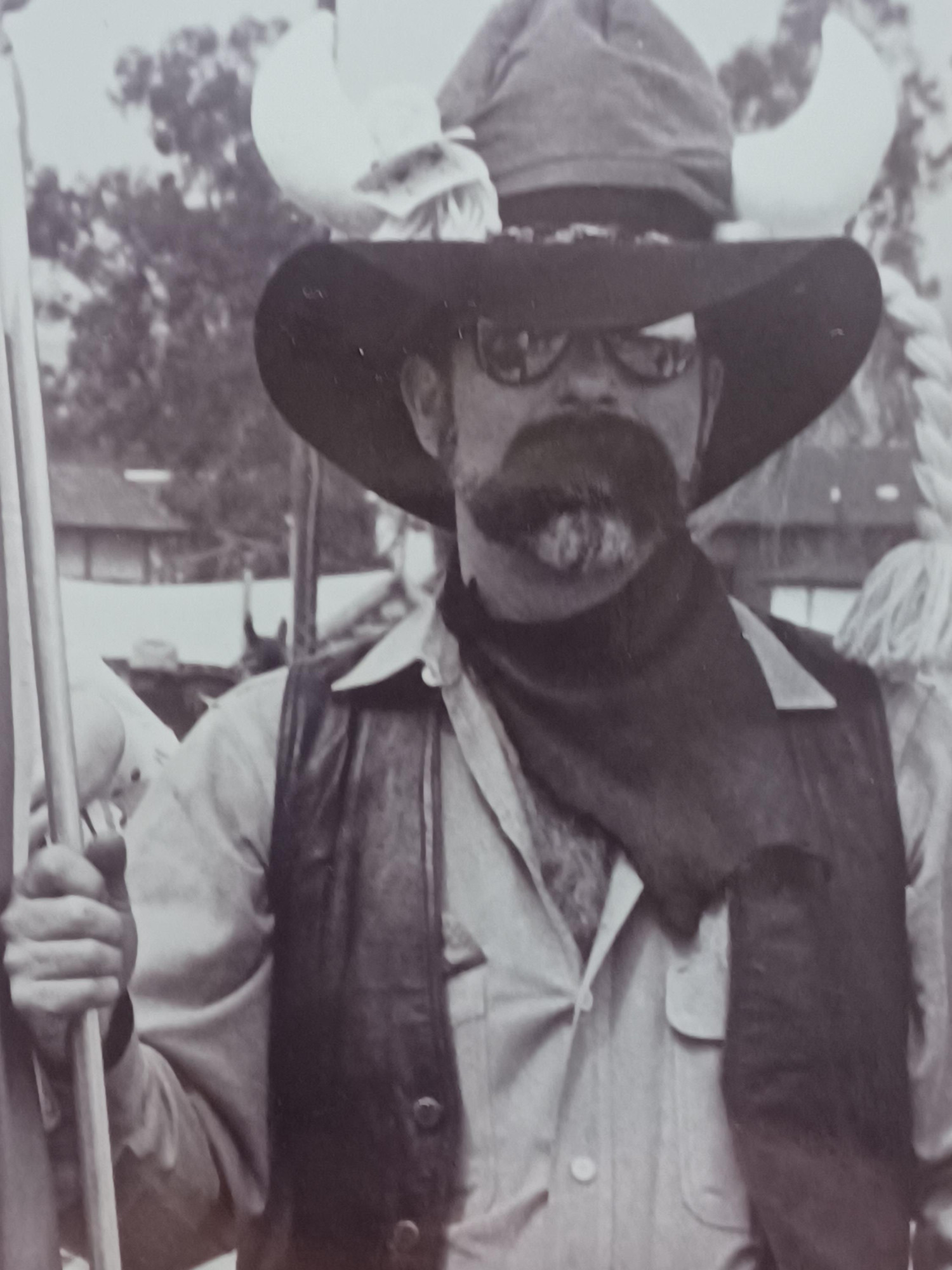 Photo credit: Bob Jansen
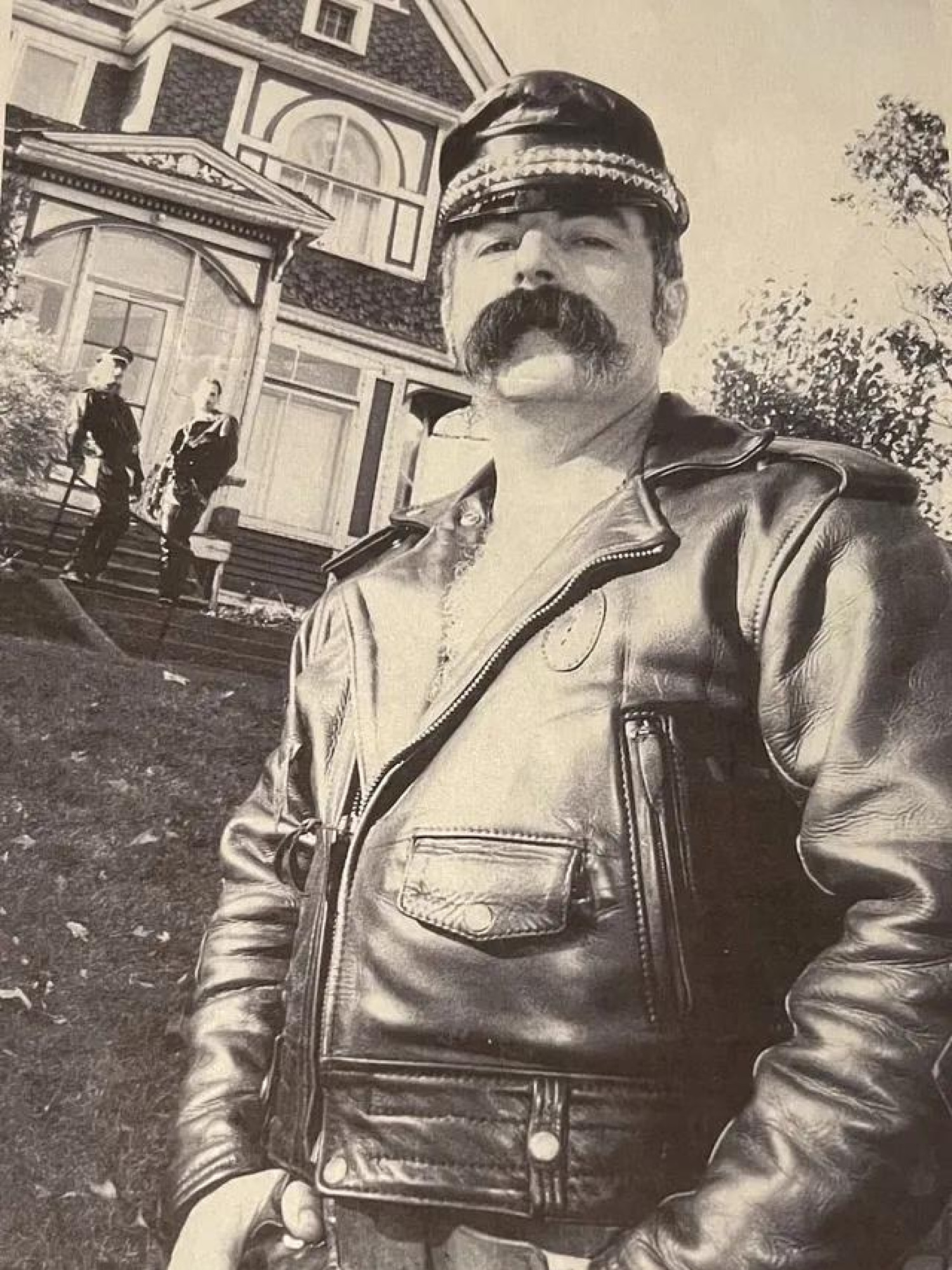 Photo credit: Bob Jansen
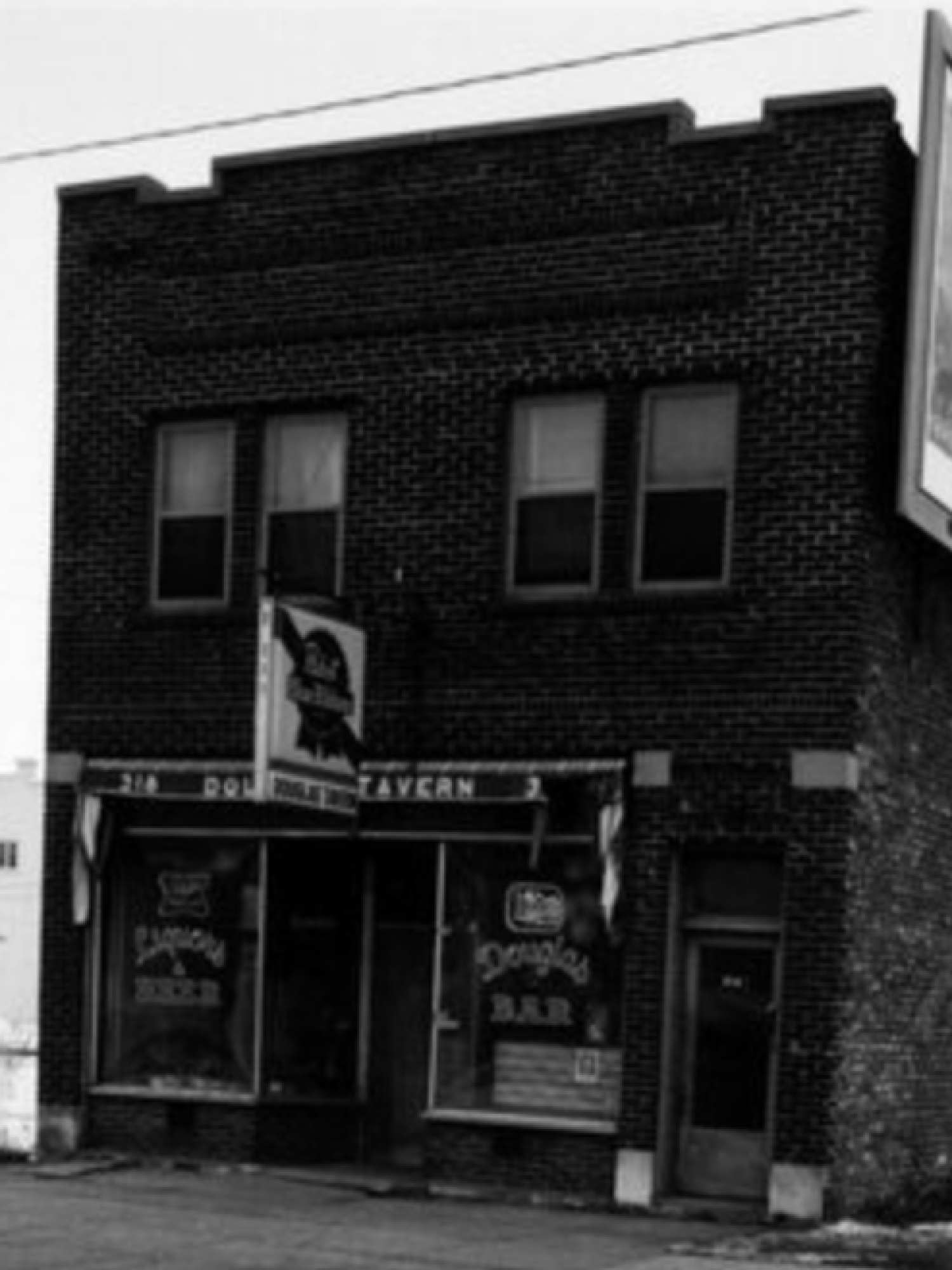 Douglas Tavern (318 Tower Ave.)
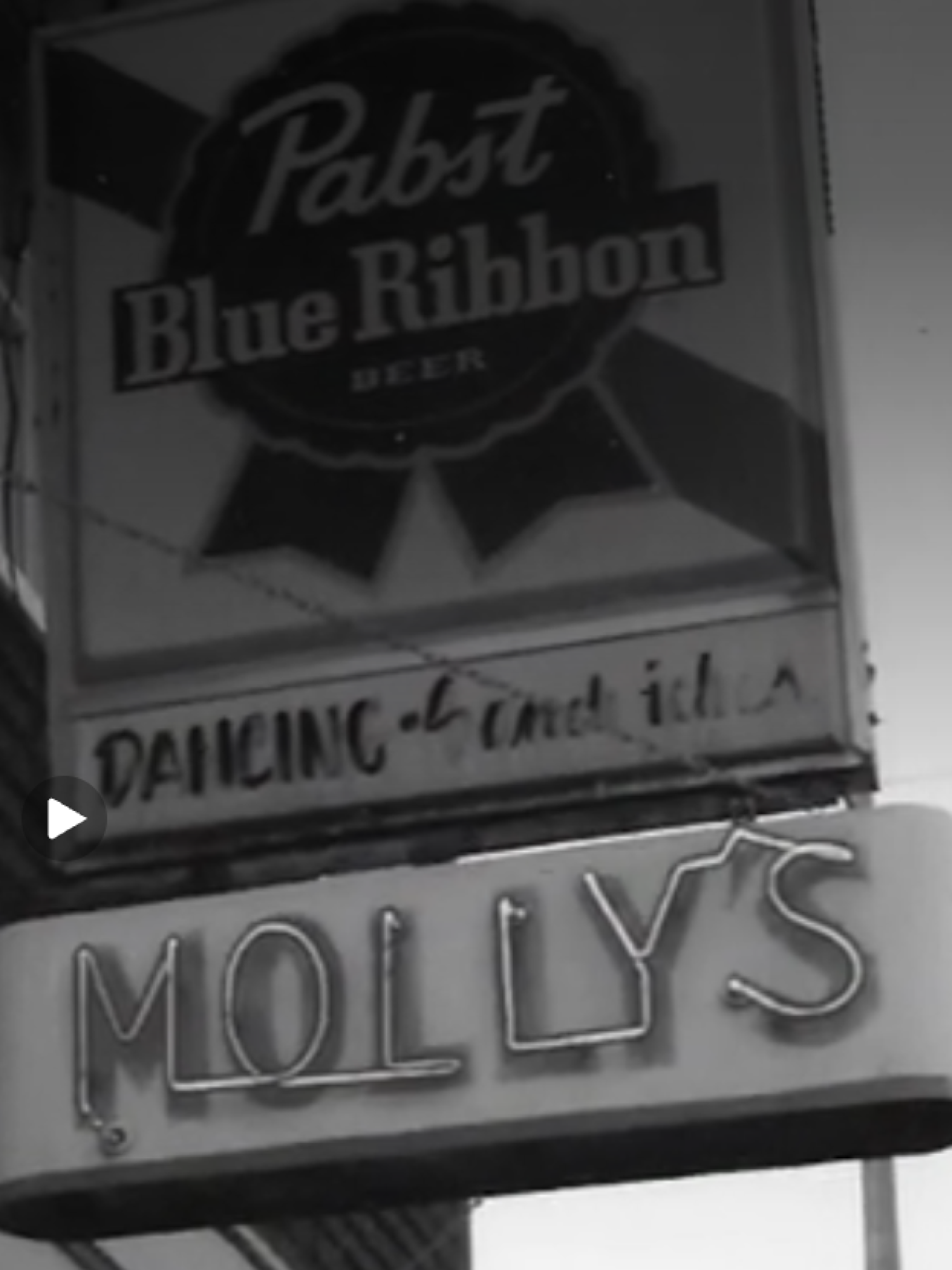 Molly's (405 Tower Ave.)
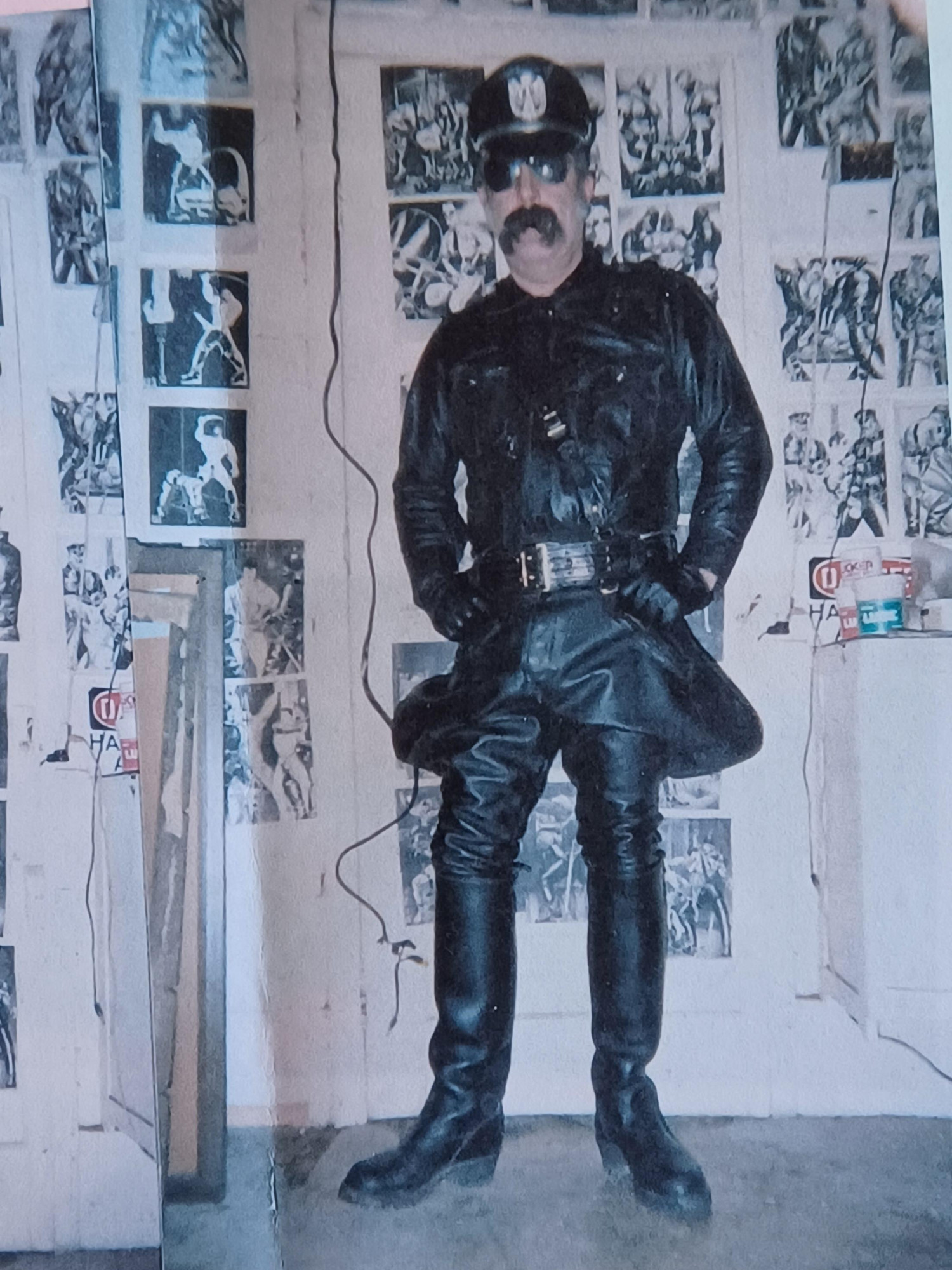 Photo credit: Bob Jansen
A historic turning point
Despite an outstanding performance record, Jansen was fired from St. Scholastica in 1982 when the Board denied his tenure and terminated his contract. The new college president, Dan Pilon, ignored all of Bob’s measurable achievements over seven years. Subsequent legal investigations determined that sexual identity was the only possible factor that influenced his dismissal. He learned that the previous theater director was fired for the same reason.
While people told Bob that board members disagreed with this decision, none of them spoke to him directly or offered any words of support.
The college ultimately settled, awarding compensation and recognizing his tenure -- but without reinstating his position. Bob knew he would have a very hard time finding another job in academia.
It was the kind of transformative moment that can either make or break a person.
Before moving forward, Bob reflected on his past. He remembered sitting in a bar in San Francisco’s South of Market neighborhood, where an older man spoke to him about earlier times with a weighted warning, “you just don’t know what it was like.” The gravity of those words sank into him. He realized that every generation inherits a world it did not build, shaped by the people who endured what came before. And, in turn, every generation owes the next its own version of that work. He’d filed it away at the time. Now, he had the opportunity to make good on it.
“It really was the chance of a lifetime,” said Bob. “With a year’s salary in my bank account, I could create something special -- something that would make the world a better place.”
“And hell, how often does the Catholic Church buy someone a gay bar?”
He envisioned something the Northland had never had: a gay bar owned by an openly gay person, designed from the beginning to be something more than a place to drink.
Financing was difficult. Bankers asked uncomfortable questions. They felt it was unwise to get involved with such an undesirable venture. One suggested he marry a woman, so she could tend the bar while he found "a real job."
Bob just kept looking.
Economic realities made Superior a smart home for the Main Club. A Wisconsin liquor license at the time cost roughly one thousand dollars. A Minnesota license ran approximately thirty thousand dollars, a price point dominated by the Marriotts and Radissons of the world. Independent ownership — the kind of ownership that could bend itself to community need rather than shareholder expectation — was simply more financially viable on the Wisconsin side of the St. Louis River. Wisconsin's bar culture reflected this: nearly every small town had one, because bars were social centers where weddings, funerals, and ordinary community life happened. The Main Club fit naturally into that tradition, even as it transformed it.
He found a building on North Third Street in Superior. The previous owner was an ex-Marine who had a colorful relationship with the local police department — arrested for breaking into his own bar, stripped of his liquor license, embroiled in a lawsuit against the city that left the mayor simmering. That history made Jansen's licensing application more complicated than it should have been. The mayor announced he wouldn't vote for any bar at that address regardless of who was opening it.
It was an uphill battle, but Bob patiently overcame his critics. The city's eventual verdict — "a gay bar would be just as bad as anything else" — was hardly a show of support. No one would mistake it for allyship, equity, or inclusion. It was a confession that the bar was very, very low – and the only way was up.
With the license approved, The Main Club planned a November 1983 opening.
Before the doors opened, Jansen did something unique: he hosted dinners at his home for longtime members of the community. He asked them a single question: what do you want in a bar? The answer was simpler than he expected.
"We want it clean and we want to be respected."
Those two words became the bar's foundation and remained its measure for forty years.
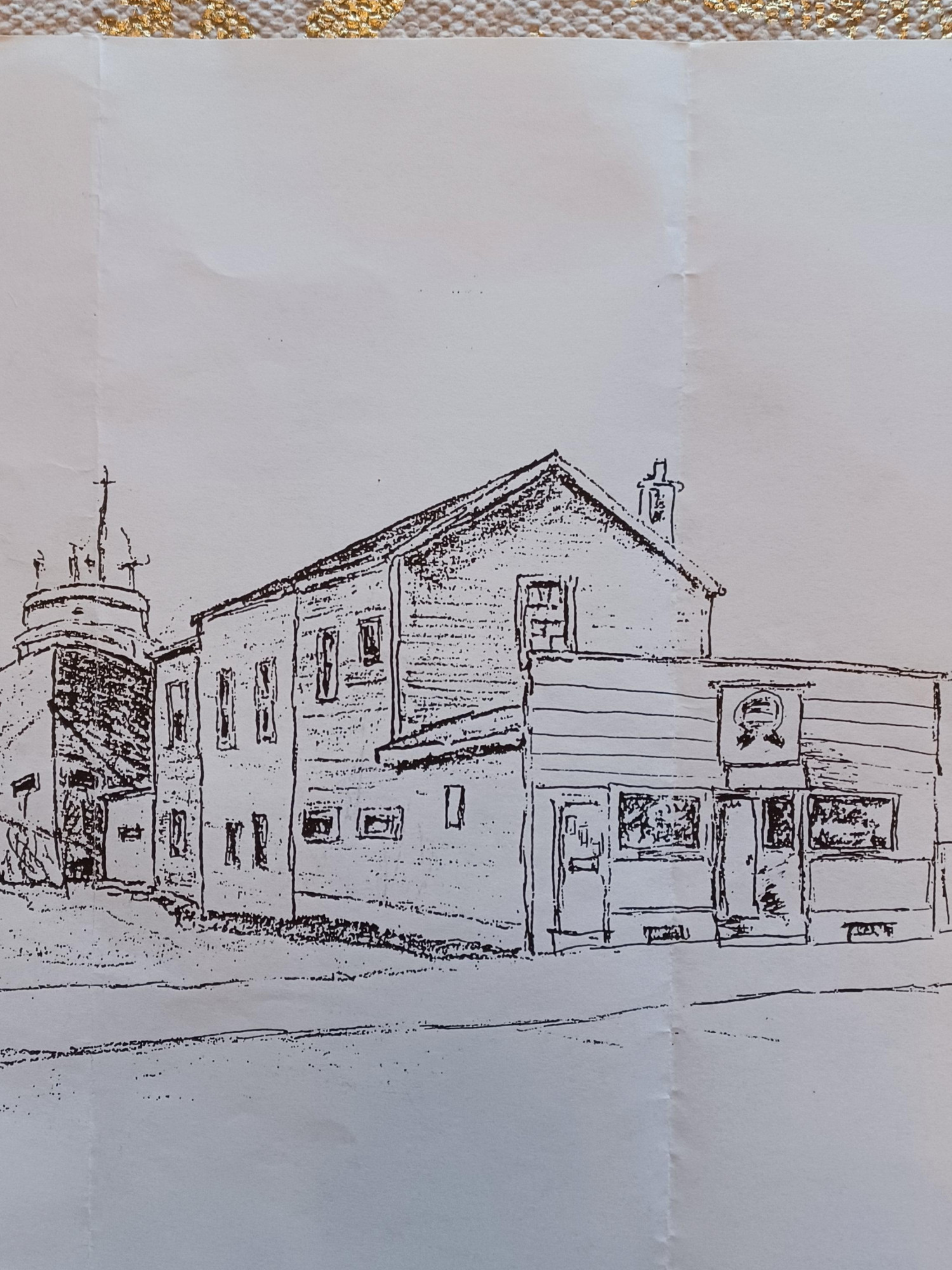 Photo credit: Bob Jansen
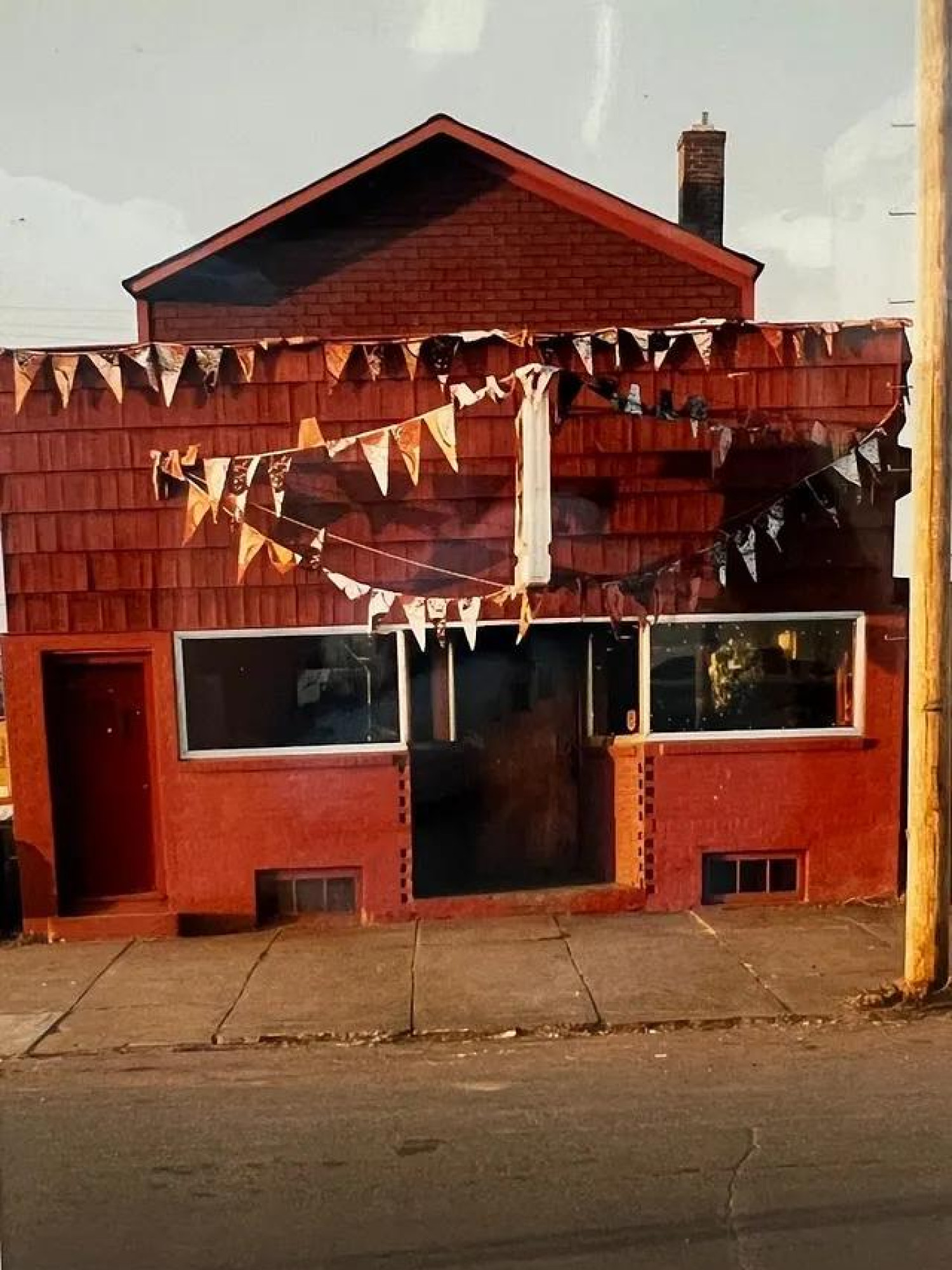 Photo credit: Bob Jansen
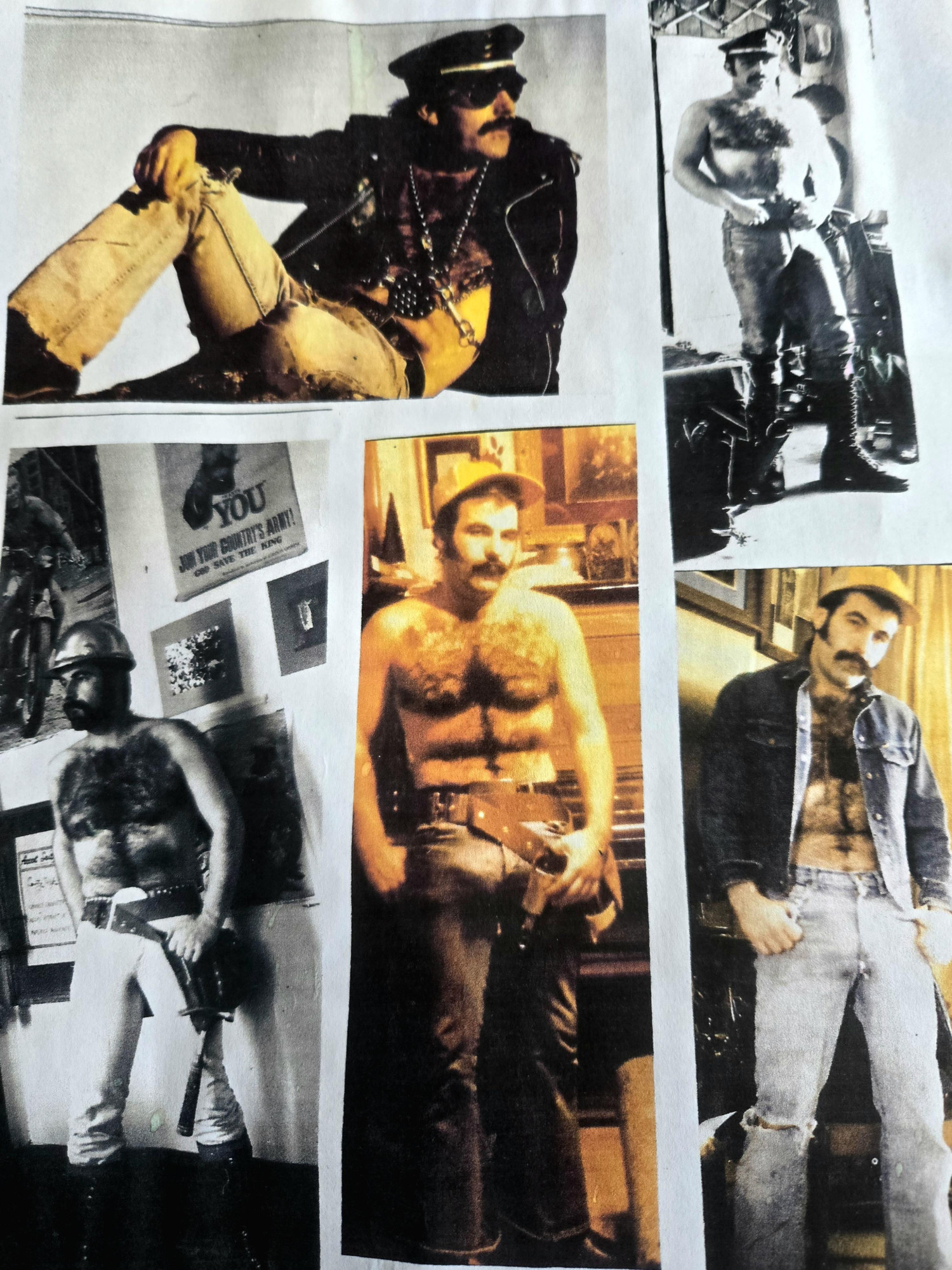 Photo credit: Bob Jansen
"Are you trying to be a biker?" one asked.
"I'm in leather,” Bob replied.
They hit it off immediately.
"Both of our groups were rejected by society," he said, “so we might as well get along rather than fight each other.”
It was a gamble, but it worked.
Surviving the triple threat
The Main Club opened at a turning point in national LGBTQ history. Three catastrophic threats were converging with a magnitude that nearly shattered the gay rights movement, just as Wisconsin achieved the historic Gay Rights Law (1982) and Consenting Adults Law (1983.) Each of them demanded energy, courage and resilience in the face of hate and homophobia.
The first was the AIDS crisis, still in a state of chaos and confusion. In 1983, AIDS was widely dismissed as an urban gay problem, something that happened in New York and San Francisco to people who were, in the dominant cultural imagination, already suspect. Jansen knew differently. Through his brother's contacts in San Francisco, he received early medical information — the kind of detailed, practical knowledge that institutions and governments were not yet organizing to distribute — and posted it on the bar's bulletin boards. Those updates, which arrived before public health messaging had caught up with the scale of the epidemic, may well have saved lives.
By the time the Main Club opened, over 2,000 people had already died of AIDS in the United States. Bob knew what he needed to do. He organized fundraisers. He collaborated with healthcare providers. He encouraged testing and treatment in a community that had not yet found language for what it was facing.
Some patrons objected; they came to the bar to escape the AIDS crisis, not be reminded of its dangers. Bob knew that silence would cost countless lives. He found himself performing simple but unexpected acts of compassion. For example, when customers passed away, and their survivors knew nothing of their private lives, he would clear out their “unmentionables” before the family arrived to handle their affairs.
“It was very important to me that they die with dignity,” he said. “They’d already been through enough shame while they were alive. If they wanted to go to their graves in the closet, I respected their choices.”
When Minnesota AIDS Project (MAP) proved “very uncooperative” in meeting the needs of the Northland, Bob worked with the St. Louis County Health Department to form Greater North AIDS Project (GNAP.) Eventually, the organizations merged to form one united statewide response.
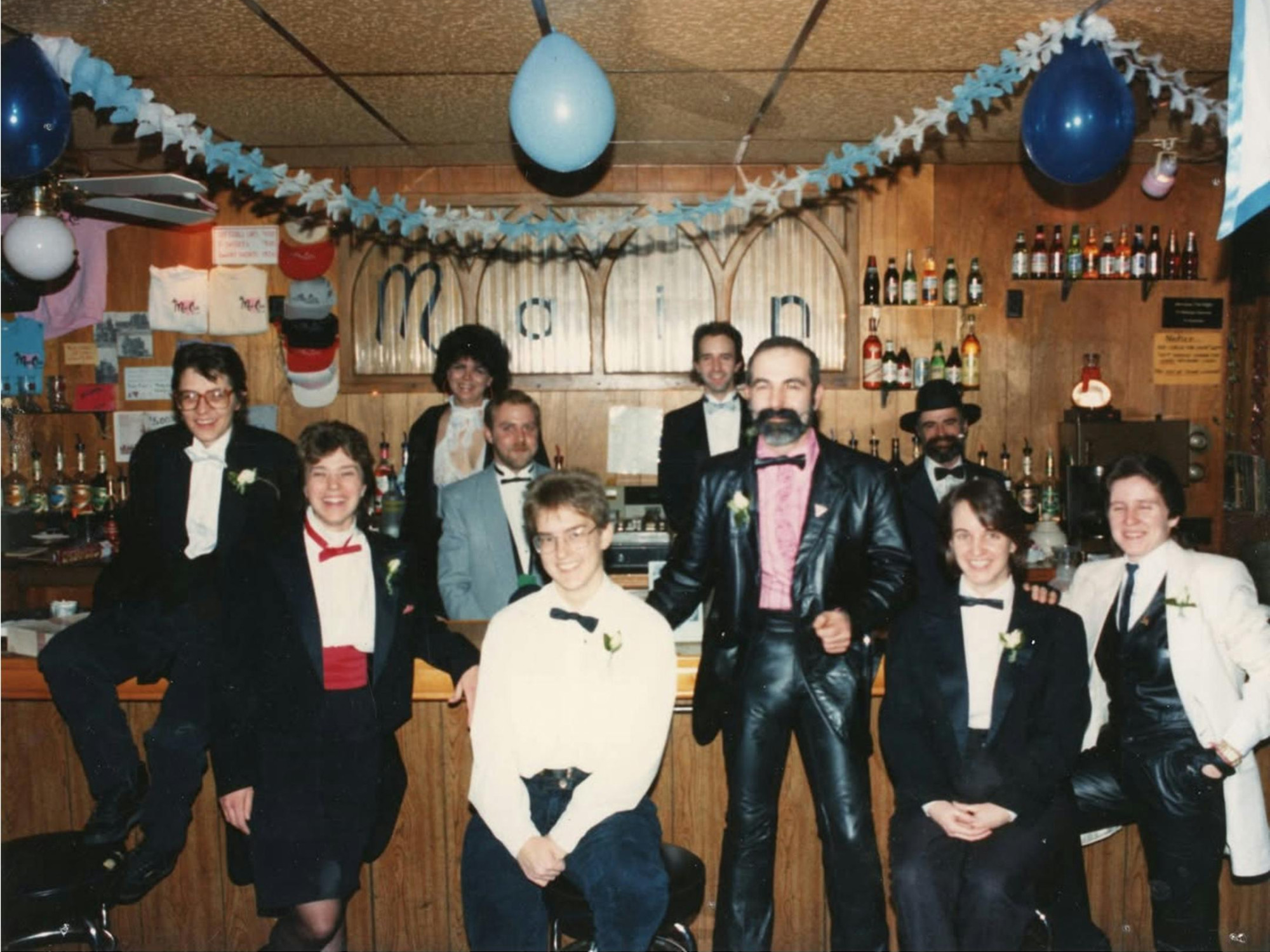 Photo credit: Bob Jansen
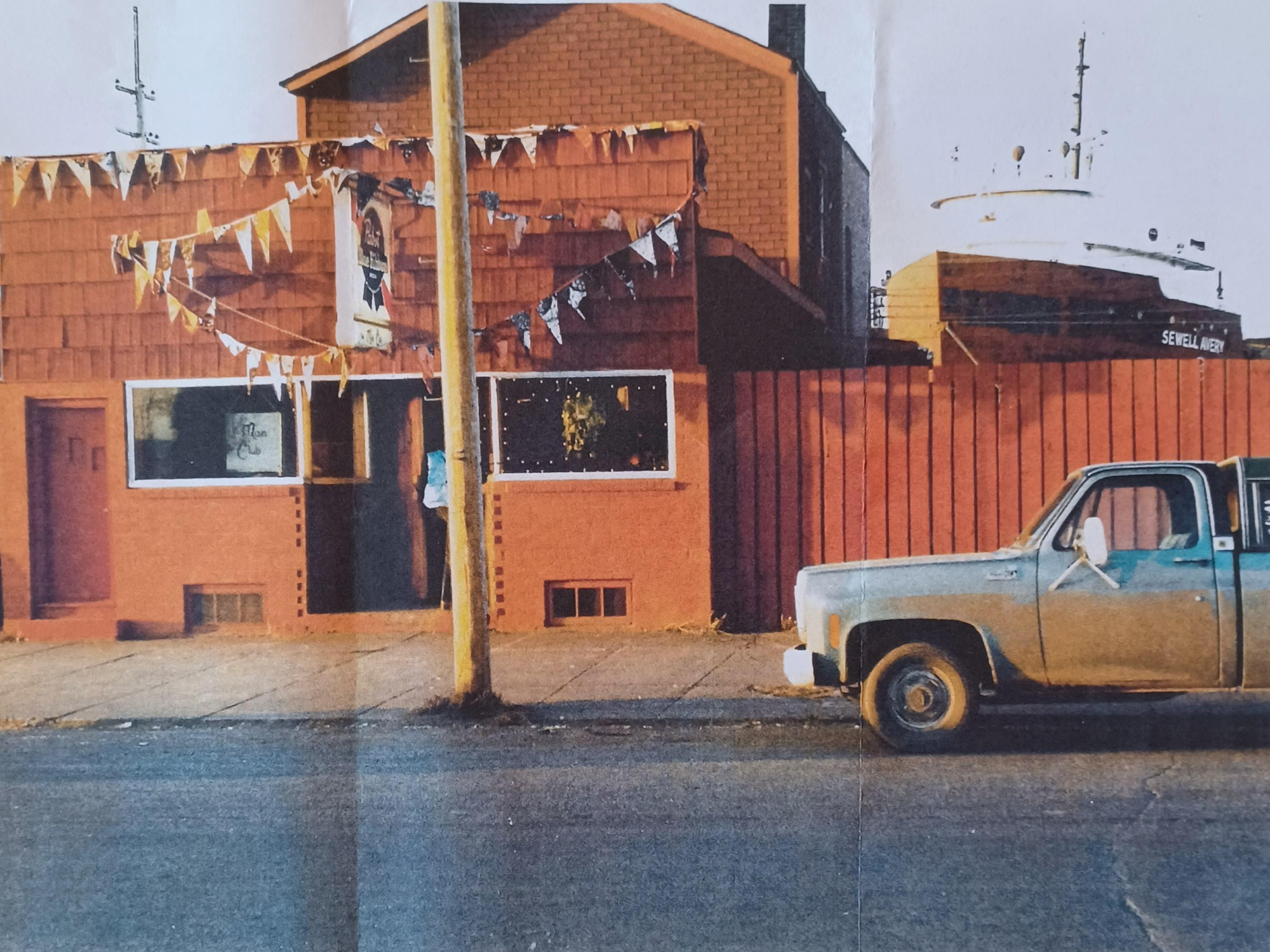 Photo credit: Bob Jansen
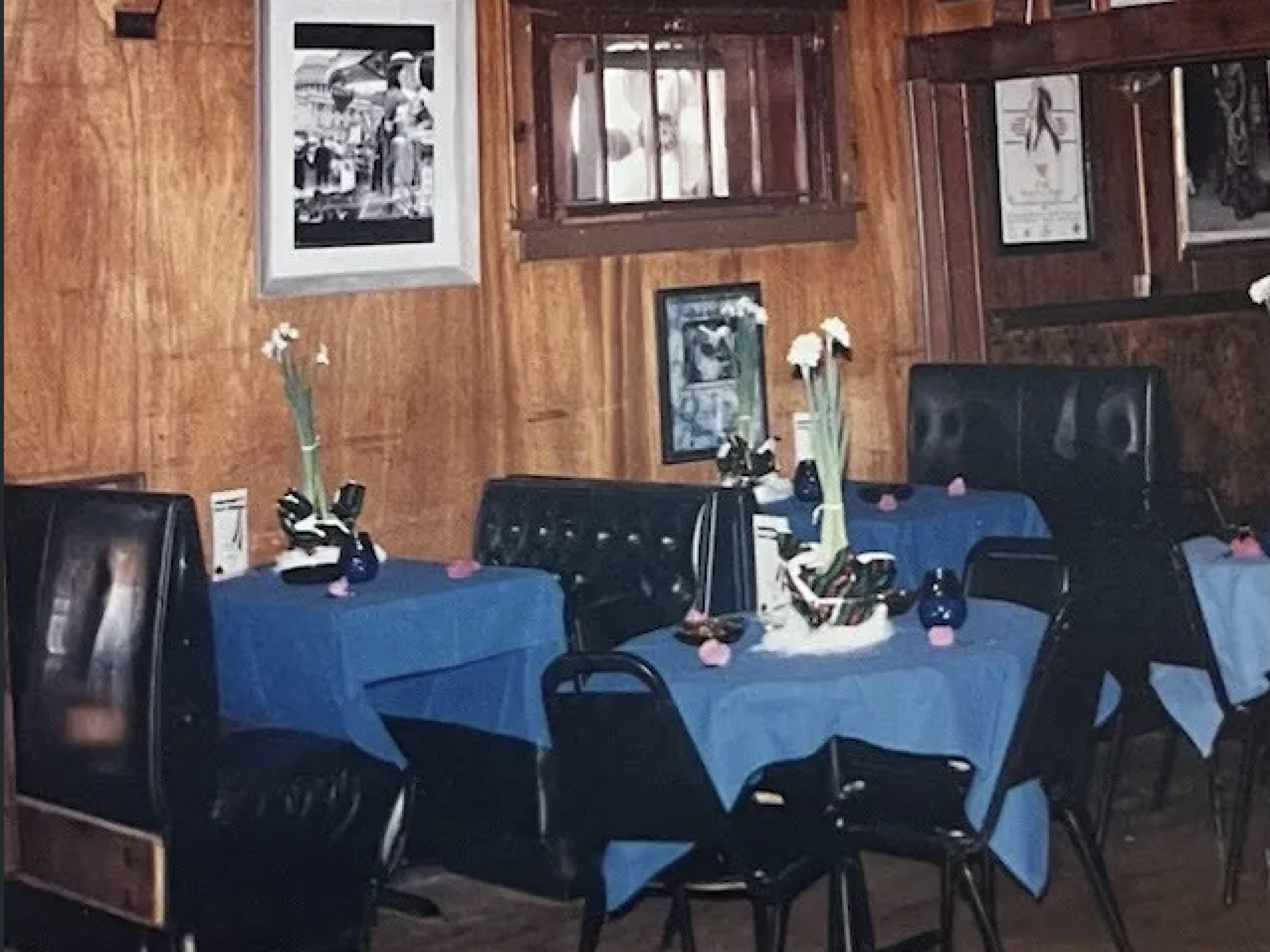 Photo credit: Bob Jansen
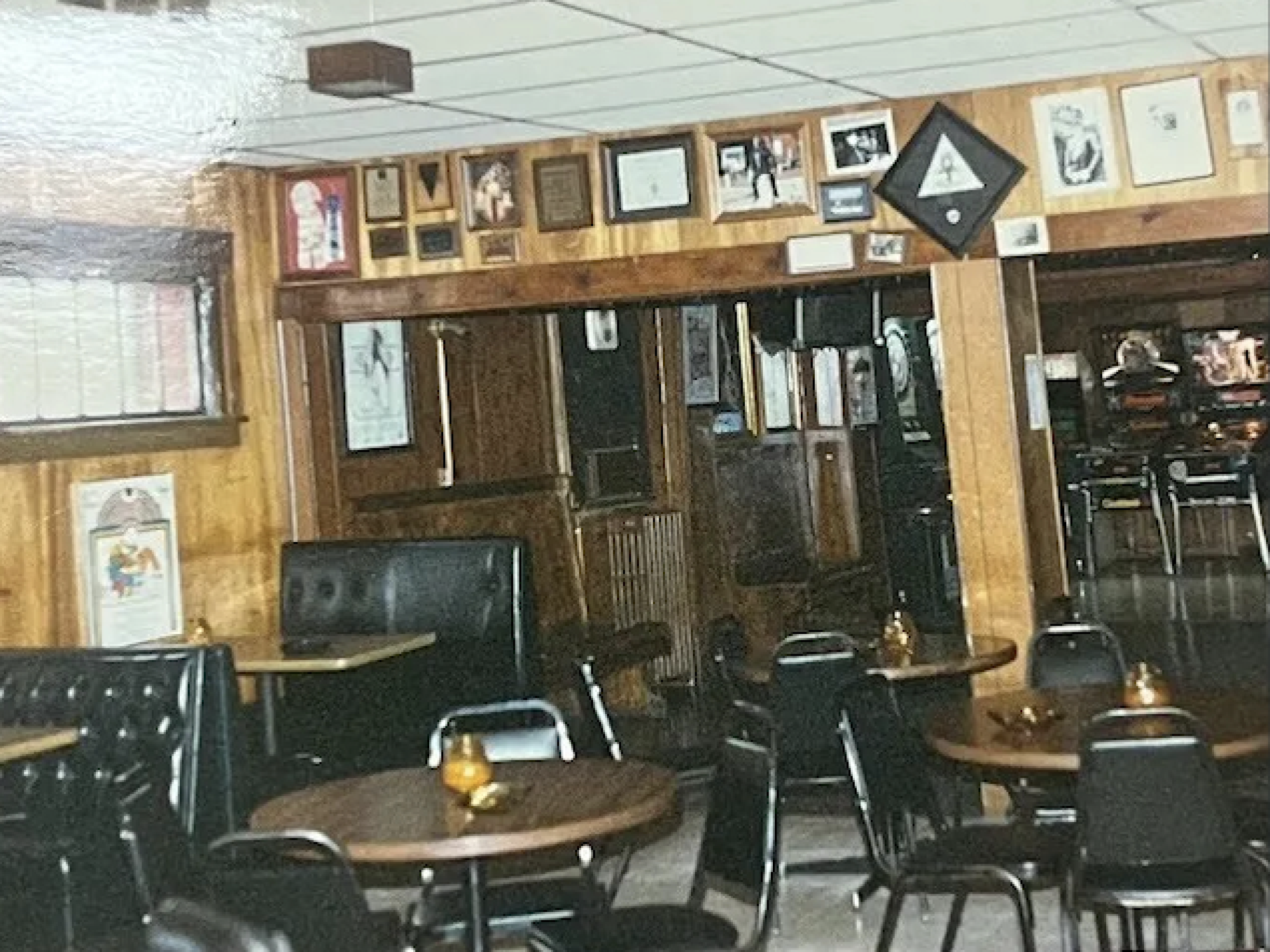 Photo credit: Bob Jansen
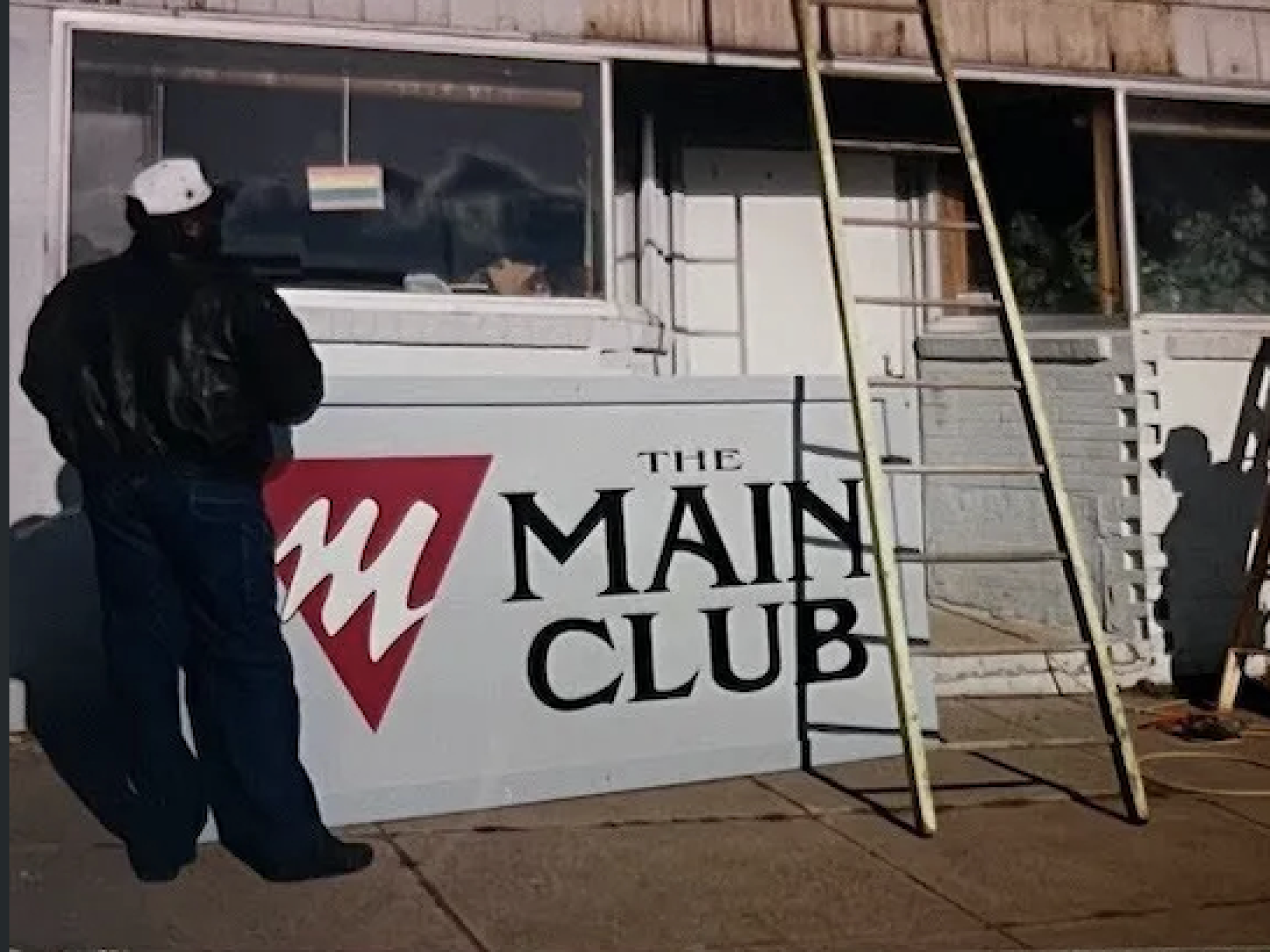 Photo credit: Bob Jansen
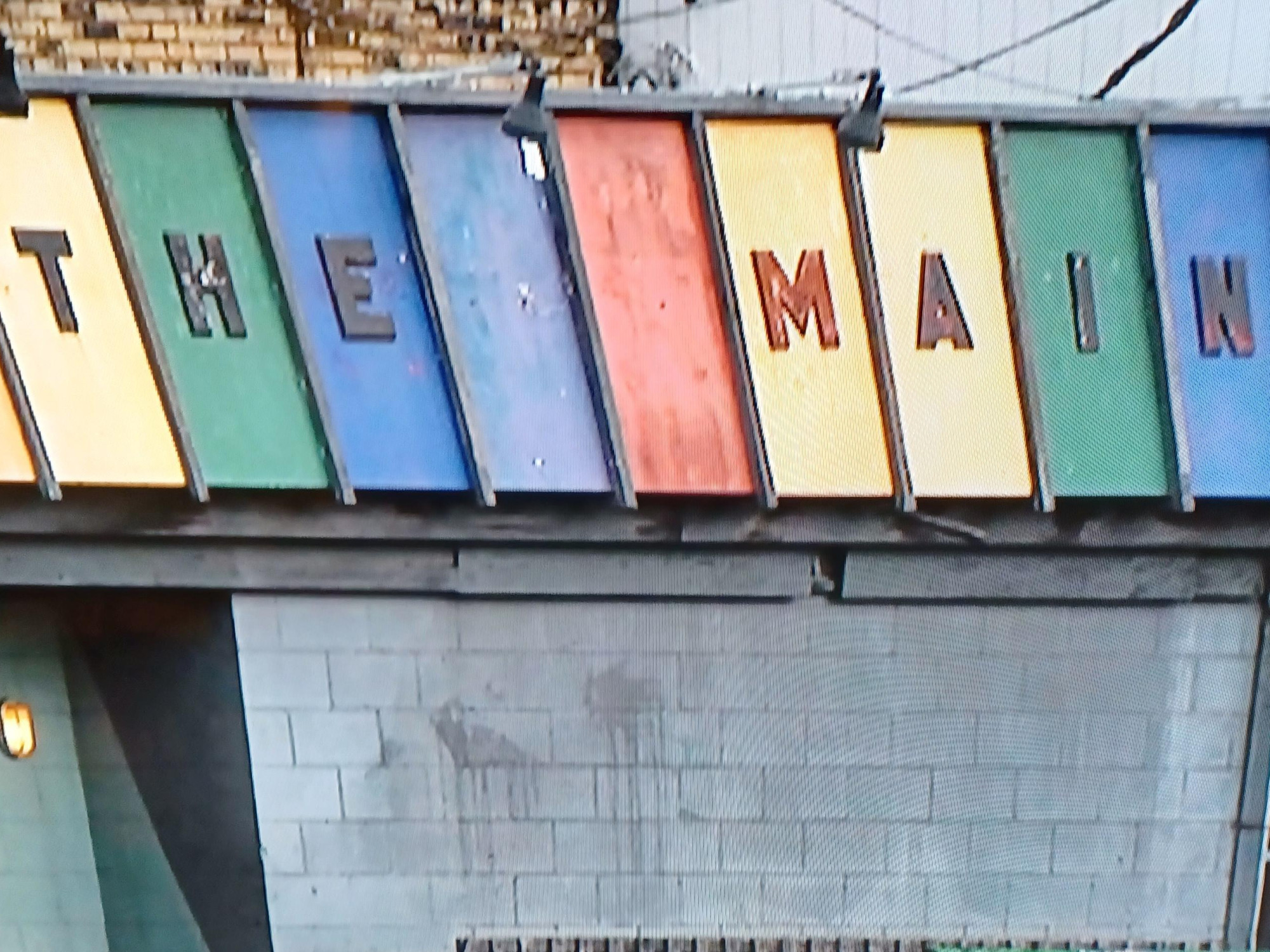 Photo credit: Bob Jansen
The second crisis was the Karen Thompson and Sharon Kowalski case — a landmark disability and LGBTQ rights case unfolding in the region. Sharon Kowalski had been severely injured in a car accident, and her partner, Karen Thompson, was denied the right to care for her because their relationship carried no legal recognition. The case galvanized LGBTQ organizing across the Northland, because it made the consequences of legal invisibility concrete. If you could love someone for years, and still be barred from their hospital room, what else could legally be taken from you?
The third was a local human rights ordinance debate in Duluth over whether to add sexual identity to the city's anti-discrimination protections. This sparked a tremendous homophobic narrative, revealing that the traditional liberalism of the Northland extended to worker’s rights, but not necessarily gay rights. The ordinance passed the city council, was vetoed by the mayor, the council overrode the veto, and the question ultimately went to a public referendum. Voters debated the risks: the ordinance would turn the Twin Ports into San Francisco, invite AIDS into the community, disintegrate family values, and discourage companies from doing business due to increased operating costs.
“Three things were happening all at once,” said Bob, “and I don’t know how I had the energy to keep up with all of it.”
The Main Club was command central for these threats: a meeting place, a fundraising venue, an information hub, and a place where people could feel, even in the middle of accumulated emergency, that they were not alone. Jansen's activism extended outward from these immediate crises: he joined the NAACP, served on nonprofit boards, participated in anti-violence initiatives, helped found the North Star Gay Rodeo, and became the first director of the Duluth Human Rights Commission. He served on the Free Clinic’s board of directors and as community liaison for the Douglas County Health Department.
“I didn’t like to see anyone oppressed,” he said. “I didn’t see anything that made us different from anyone else.”
“The Main Club saved a lot of lives,” said Inez Wildwood in Remember the Main. “People shared how they were suffering, how they thought about taking their lives, and people listened and cared.”
“People were seen in the Main Club when they were invisible in the world. People learned that they could be loved and accepted. They learned that they did not deserve to be victimized.”
Friends described him over the years in terms that circled the same qualities: "a big teddy bear," "a rabble rouser," "a knight in shining leather," “Queen of the Potlucks,” and — the comparison that stuck — "the Harvey Milk of the Northland.”
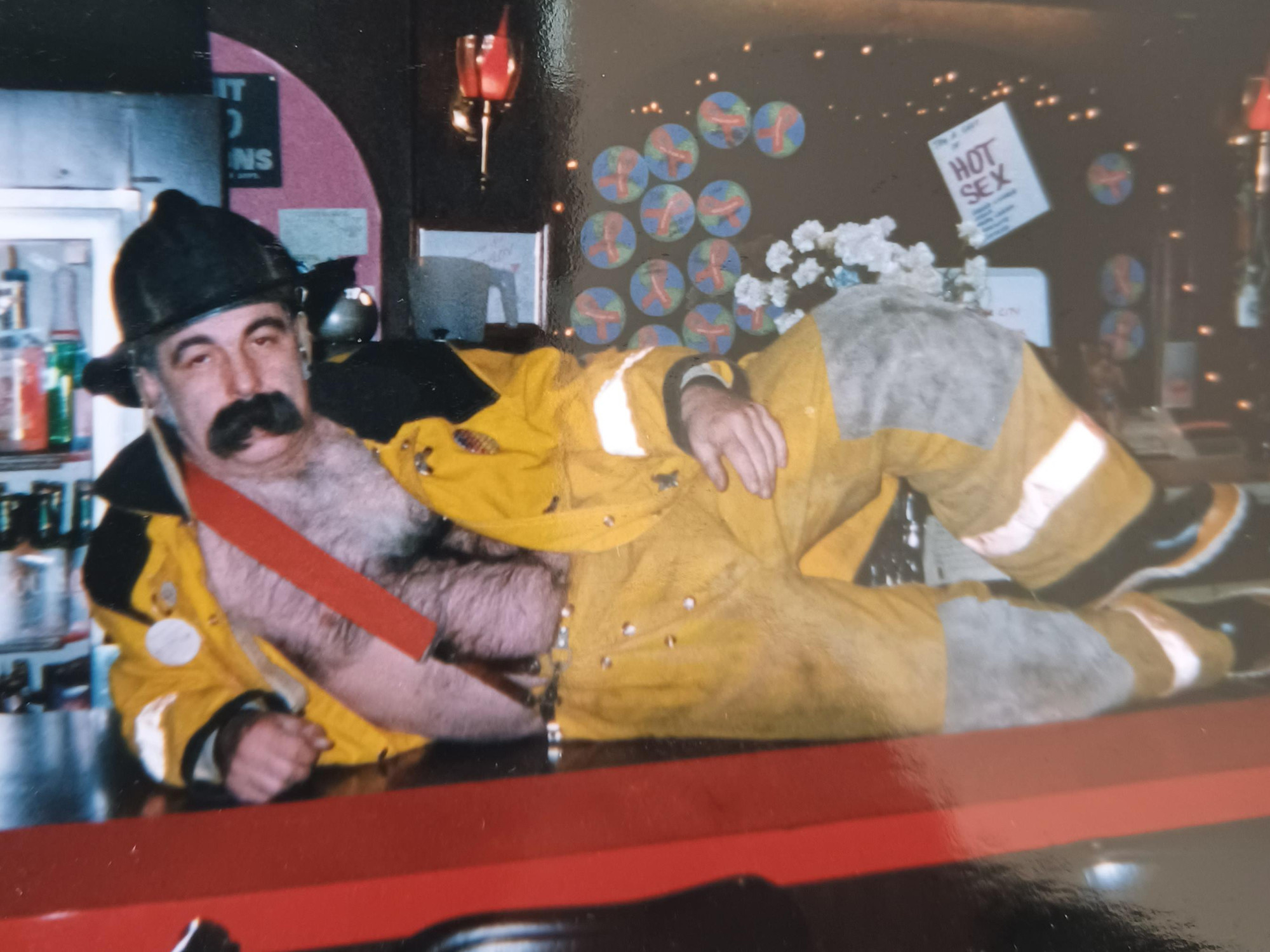 Photo credit: Bob Jansen
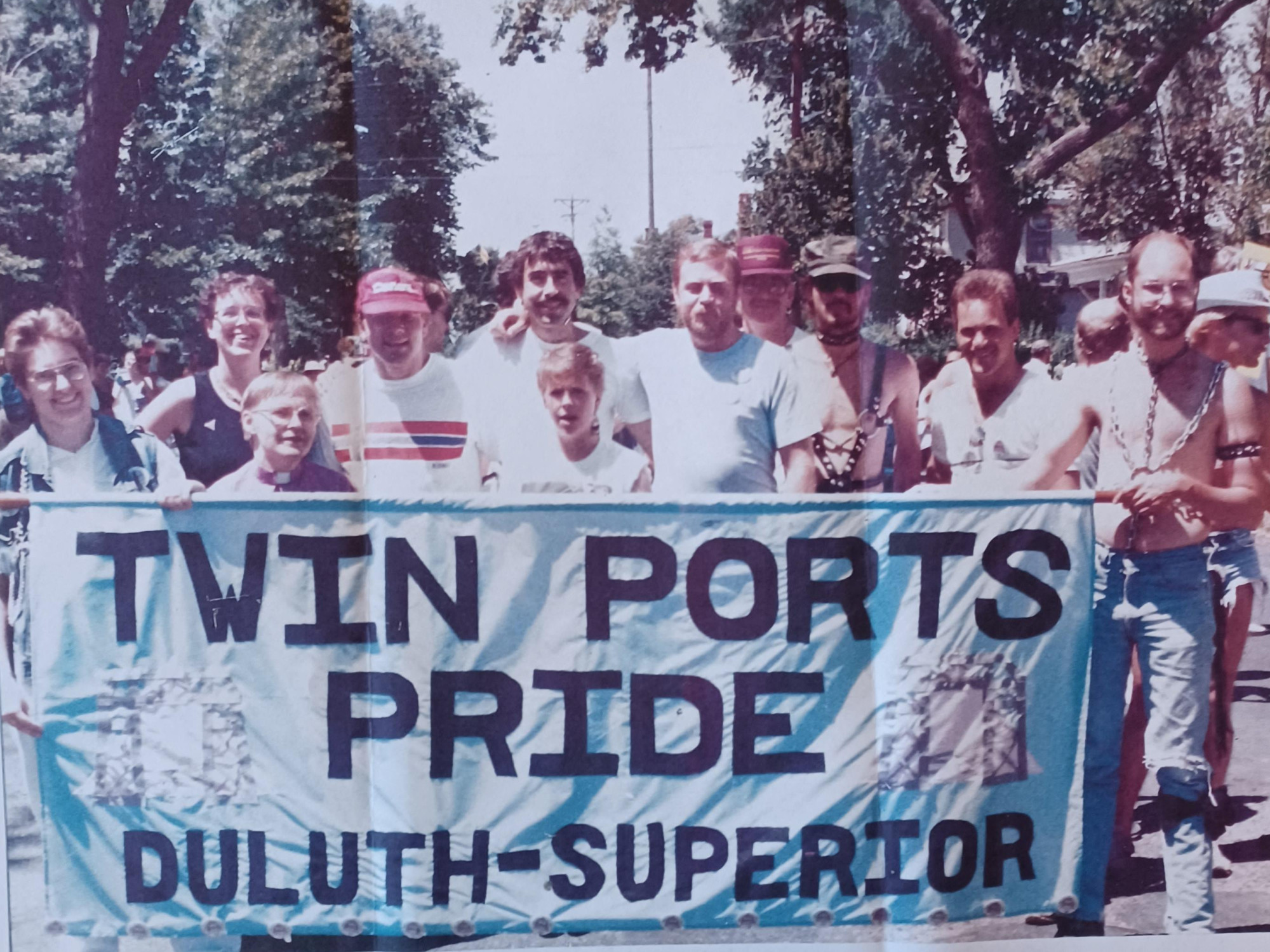 Photo credit: Bob Jansen
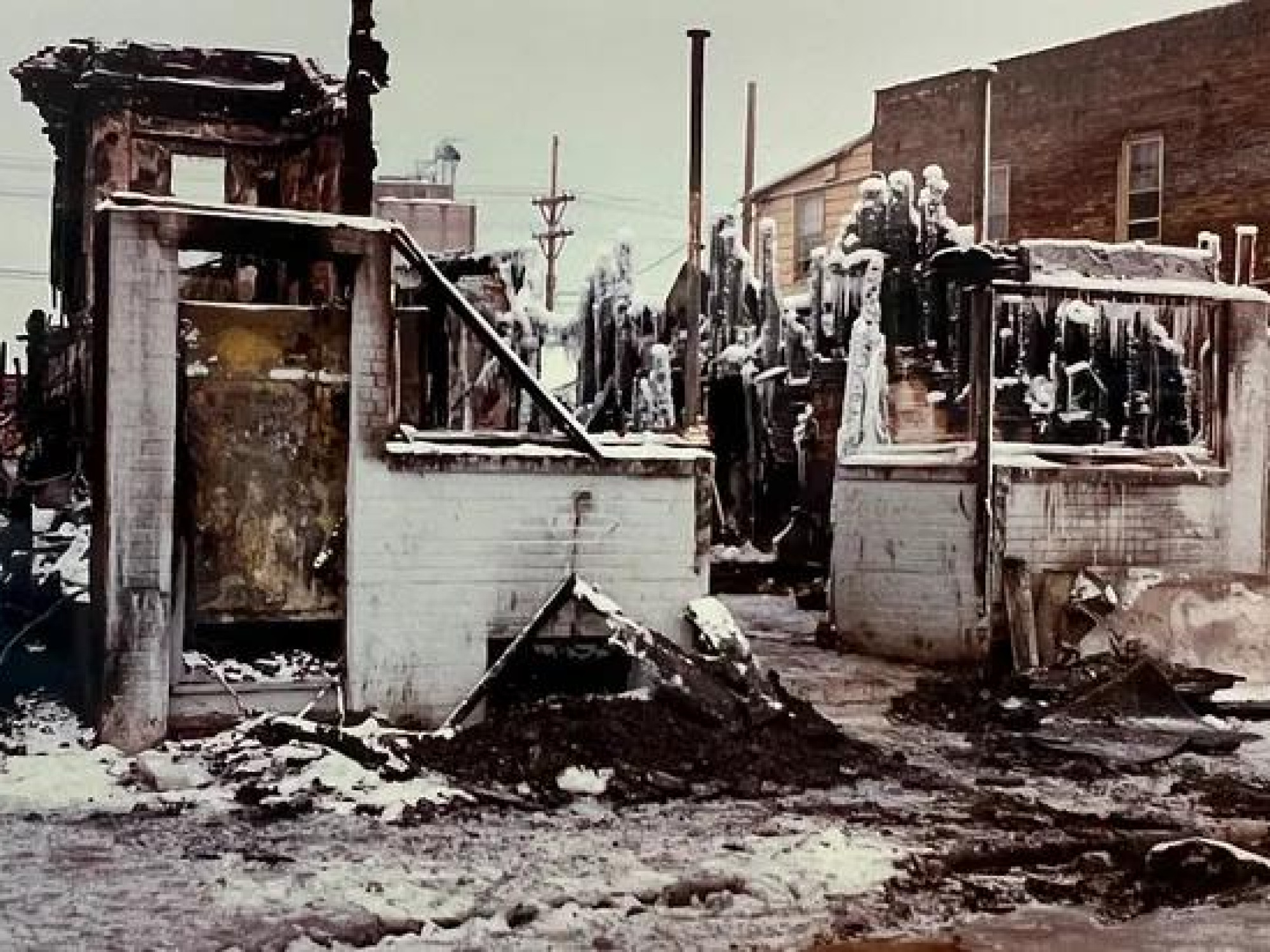 Photo credit: Bob Jansen
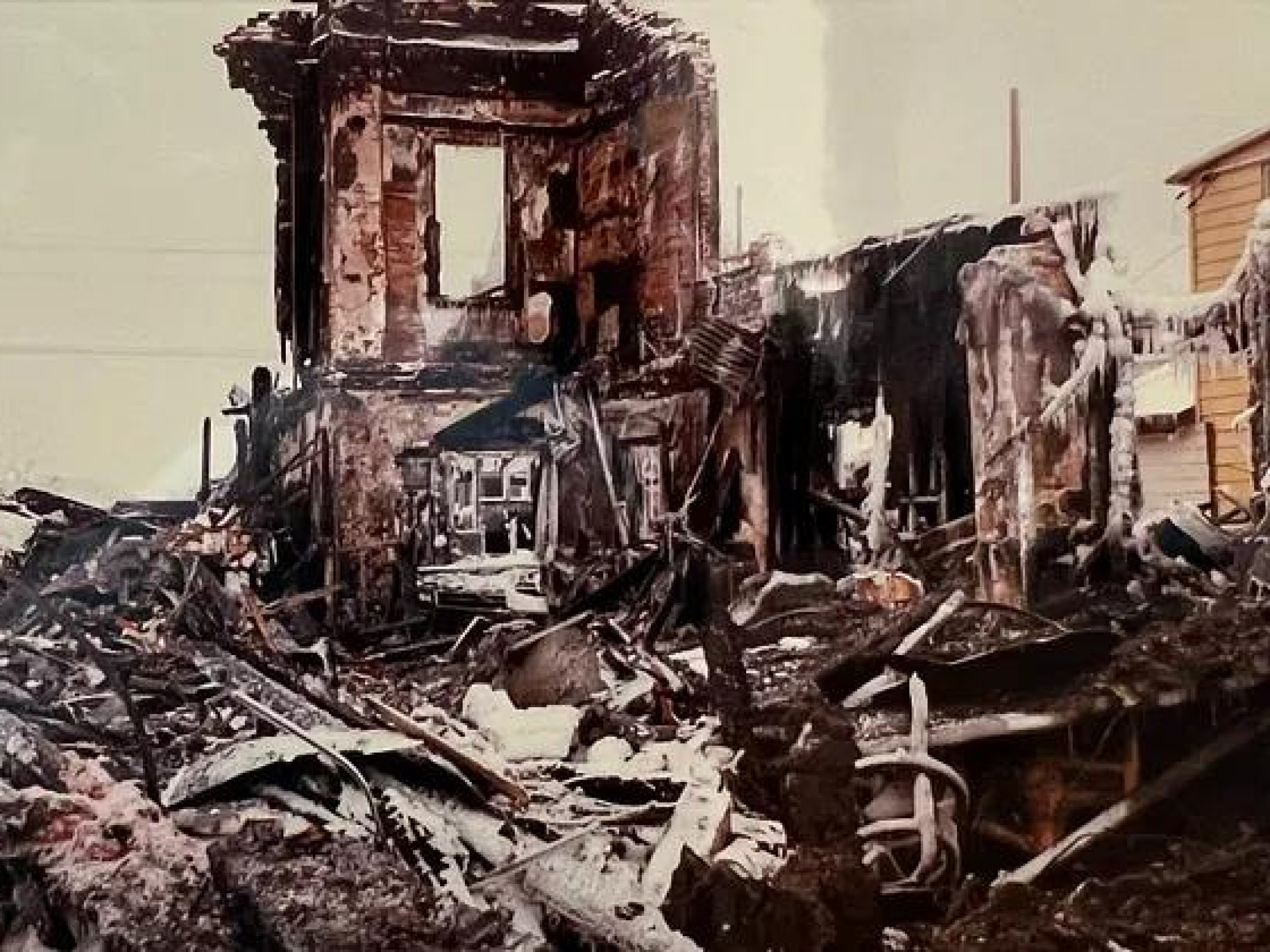 Photo credit: Bob Jansen
Fire trucks arrived minutes later to find 1813 N. Third Street in flames. As they fought to contain the blaze, the tavern burnt to the ground. The old wood and brick structure, built in 1890, had passed all building and fire inspections. There was no immediate evidence of arson. The fire began in the back of the building, but no cause was ever determined.
Two men, Laird Rengo, 40, and Troy Buchard, 32, were trapped in the upstairs apartment and died in the fire. Buchard was a bartender at the Main Club.
“When there was no place else to go, there was the Main Club,” a patron told the Wisconsin Light. “We called it home because that’s what it was. I’ve lost my home.”
“Everyone is in shock. No one can believe this happened. The whole town is very sympathetic,” said Joanne Moody.
Bob Jansen got the call while in the middle of an argument with his partner. He drove to North Third Street and found only charred remains. He went next door to a friend's bar, had a couple of drinks, talked it through, came home, and returned the next morning — at which point he was briefly taken into custody while investigators. He had to prove that he hadn’t burned down his own bar. Bob was cleared quickly of any suspicion. While this process was standard protocol with property fires, it was wildly disorienting in the middle of his grief.
Today, he realizes that he was not only surrounded by tremendous grief, but in a deep state of grief himself.
“I am not thinking about rebuilding right now. I am thinking about the people whose lives we lost, and those who feel they’ve lost their home when the bar burnt down,” he told the Wisconsin Light in January 1997.
“My mistake was telling people I needed time alone,” said Bob. “I told people not to call me, when I needed to hear from people most. It’s important to ask people for help when you go through those crises.
For a man who spent years supporting everyone else through their own emergencies, this was a genuinely hard lesson to learn.
“Silence is not the same thing as strength. Receiving care is also a skill.”
After a short period of “what now,” Bob knew what he had to do. The community response was all he needed to get motivated. Everyone wanted the bar reopened – and immediately started fundraising to get their home rebuilt. They hadn’t just lost a building. They’d lost a family member.
And the cause of the fire would never, ever be known. There was no closure, no justice, no goodbye.
Bob knew what he needed to do.
“I thought about a lot of things, but I never seriously considered walking away,” said Bob. “How could I?”
Once a new space was found, volunteers showed up in large numbers to help. They scrubbed floors, pulled staples from walls, cleaned toilets, whatever help was needed. It was a remarkable feat of strength, endurance, and love, but the Main Club reopened at 1217 Tower Avenue on July 23, 1997.
And thirty years later, it’s still there and thriving.
“We rose from the ashes in just six months,” said Bob. “That would be very, very difficult for any business to accomplish. But we did it. And I’m glad we did it.”
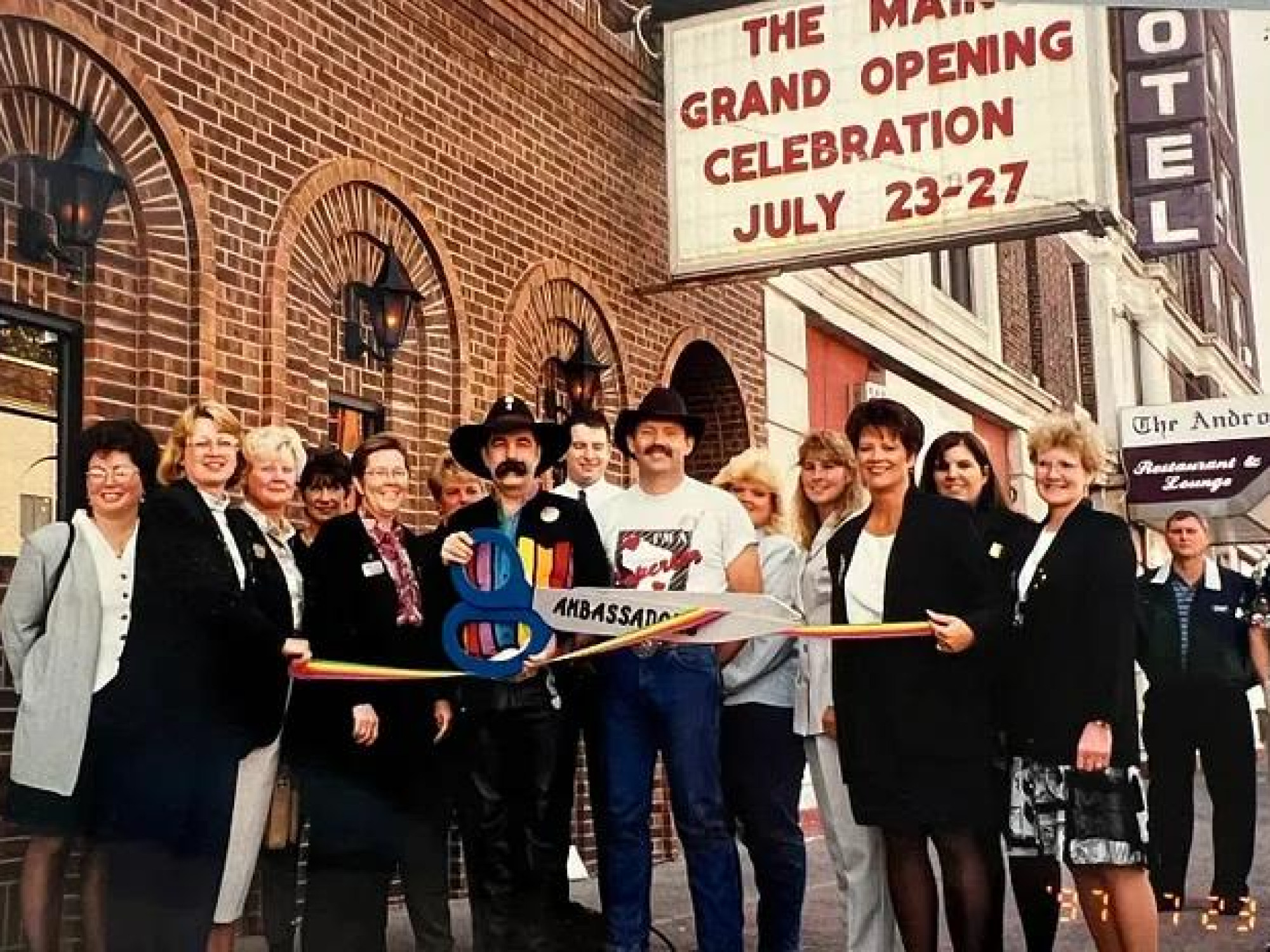 Photo credit: Bob Jansen
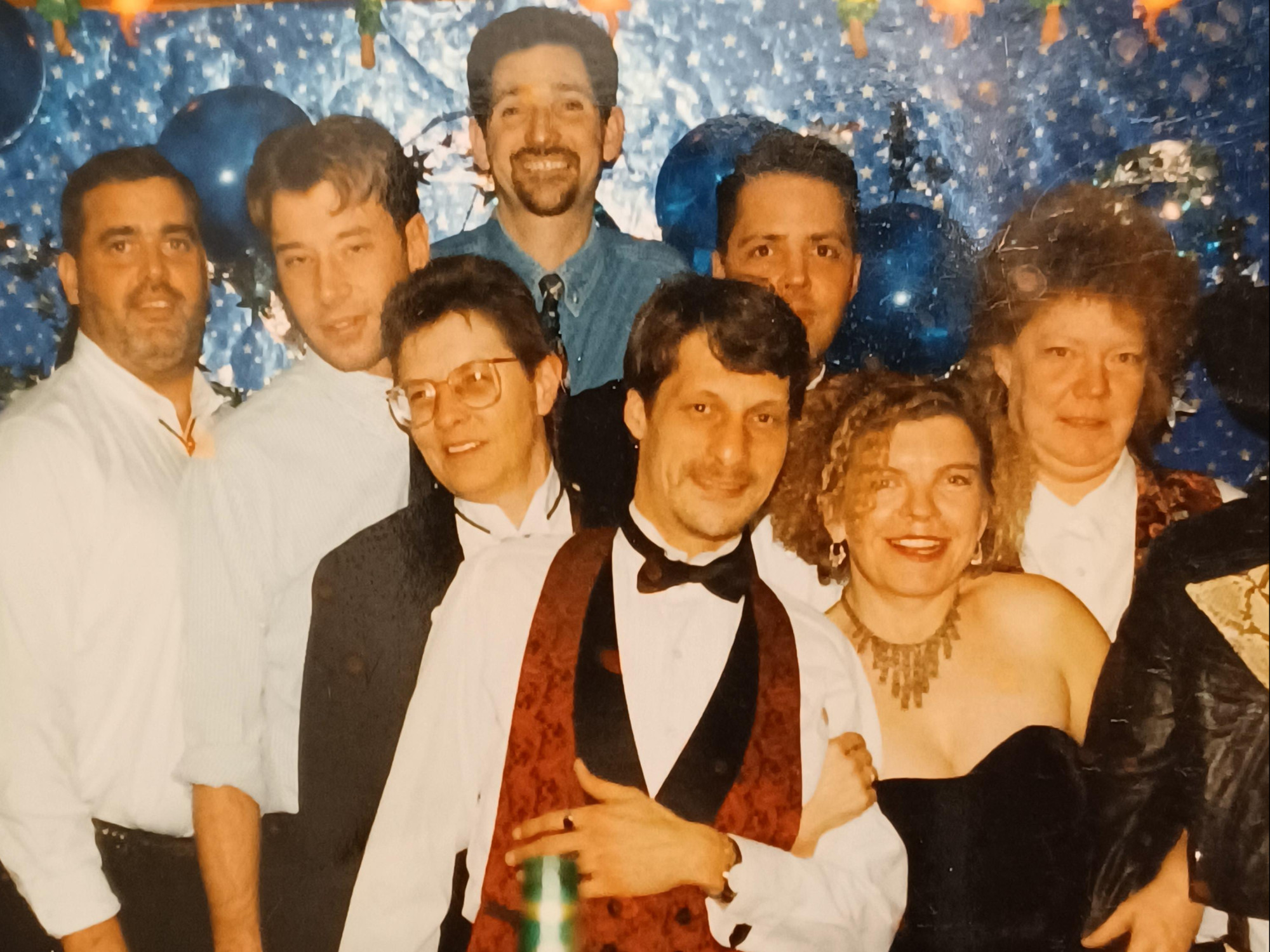 Photo credit: Bob Jansen
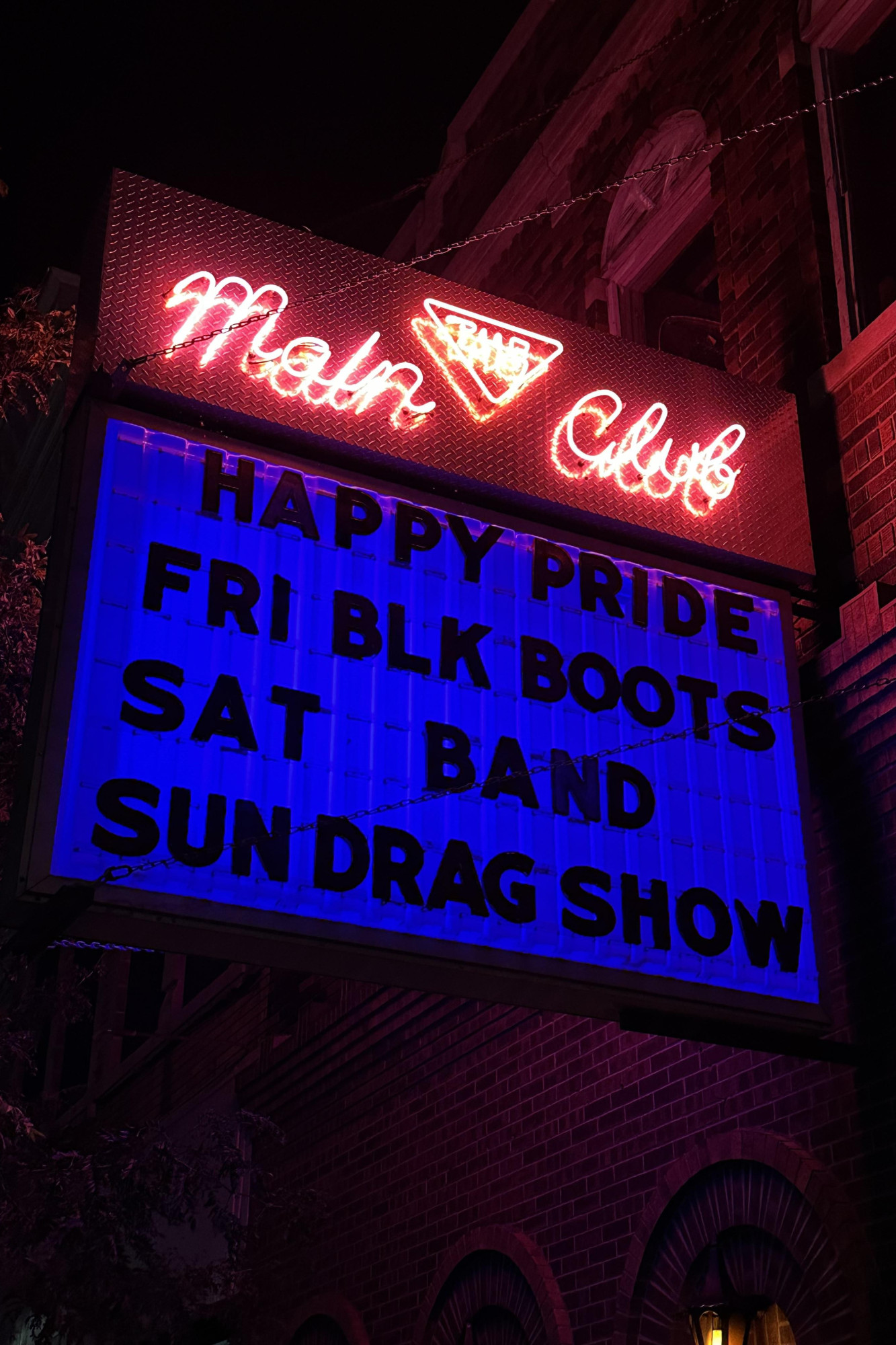
“I honestly believed that at the time,” said Bob. “Times were changing, business was down, and I felt it was time for me to go. I was not up to speed with what the kids wanted. There needed to be some fresh meat. It was time for someone else to take the wheel.”
“There’s a kind of wisdom that knows the difference between what you built for an earlier time, and what it needs to become for the future."
By September 2017, the Main Club was closed with an uncertain future. Fortunately, Shawn Roos and Larry Ricker stepped forward to purchase the bar, with a promise to keep the name.
“Bob got the Main Club to a certain level, and we are going to bring it to a different level,” Roos told the Duluth Reader in 2018.
They made a few changes – removing some of the vintage artwork, the pink pool tables, and the leather teddy bears that once lined the ceiling – while installing a new light system, sound system, and dance floor. The Main Club hosted live music and stage performances, including “Hedwig and the Angry Inch.”
Bob helped the new owners ease into their new space. Some habits died hard, though. A few weeks after handing over the keys, a salesperson came in and Bob started placing orders out of pure routine. And then he caught himself.
“It’s like being an empty nester,” he said. “Your kids have left the nest, now you just need to take a step back and just take care of yourself. That’s what I’ve been doing.”
Legacies live forever
Today, Bob doesn’t spend much time at the Main Club. That doesn’t mean he’s not keeping busy.
In 2018, he was named an Outstanding Alumni of the University of Wisconsin-Superior, specifically recognized for his civic leadership and lifetime of activism. He’d already received the Chancellor’s GLBT Advancement Award and the Fabulous Farewell Community Award from the University of Minnesota-Duluth.
He donated a lifetime of records to the University of Minnesota-Duluth Archives and Special Collections. Today, the Robert J. Jansen Pride Collection contains six boxes of archival materials that span sixty years.
On June 16, 2024, the City of Superior proclaimed Bob’s 75th birthday as Bob Jansen Day. He threw himself a birthday party – at the Main Club, of course – and invited the community to join him. Over 150 people showed up, including Superior Mayor Jim Paine and several elected officials.
He still attends Pride each year, though his role has changed from architect to witness. Every year, he is embraced by a long-time friend he hasn’t seen in years, and his response is always the same.
"I'm still alive."
He was invited to serve as Grand Marshall for Duluth-Superior Pride 2026. And he said yes – as long as they provide transportation.
Bob's story was celebrated in a new book, Remember the Main, published June 9, 2026 by the Minnesota Historical Society Press. Author Meg Gorzycki met Bob while enrolled at the College of St. Scholastica. While studying for her teacher's license, Meg worked alongside Bob at the Main Club and learned much about community organizing. They remained friends after she moved to the West Coast in 1985. Meg's goal with the book was to tell a true, positive story of what can happen when ordinary people do extraordinary things.
Bob gave her a lot of material to work with. She still describes him as "a social worker with a liquor license."
"He always said, 'I want people to feel the love and respect inside this bar that they should feel on the outside of the bar.' And he lived up to that ideal," Meg told Minnesota Public Radio.
Today, Bob is concerned about the crazy notion that the world doesn’t need gay bars anymore. He’s seen the world change – and not necessarily for the better – in the decade since his retirement. He's felt the chilling winds of intolerance blowing back through the Northland. And he remembers what the world looked like before LGBTQ people had their own spaces.
“Without places that are unconditionally ours, where will you go when your protections are gone? Who can you count on when your freedoms depend on what is politically and socially acceptable right now? When things get really, really bad in your life, and you just want to be around people who get you, where do you turn if all the gay bars are gone?”
“The Main Club was never just a place to drink. It was the core of our community. It was what we built, before we built everything else.”
What would Bob tell his younger self — the kid from St. Croix Falls who had no language for who he was, no map, no mirror, no clue where to turn for answers?
"Don't listen to me. Do your own thing."
"I wouldn't change anything," he said. “Not a damned thing.”
“The Main Club took people, gay and straight, who were rejected by their own families, and helped them find a new family who chose them and embraced them without reservation. That’s our legacy. That’s how we will be remembered. And nobody can take that away from us.”
And for everyone who drove through the dark to find their people, that means everything.
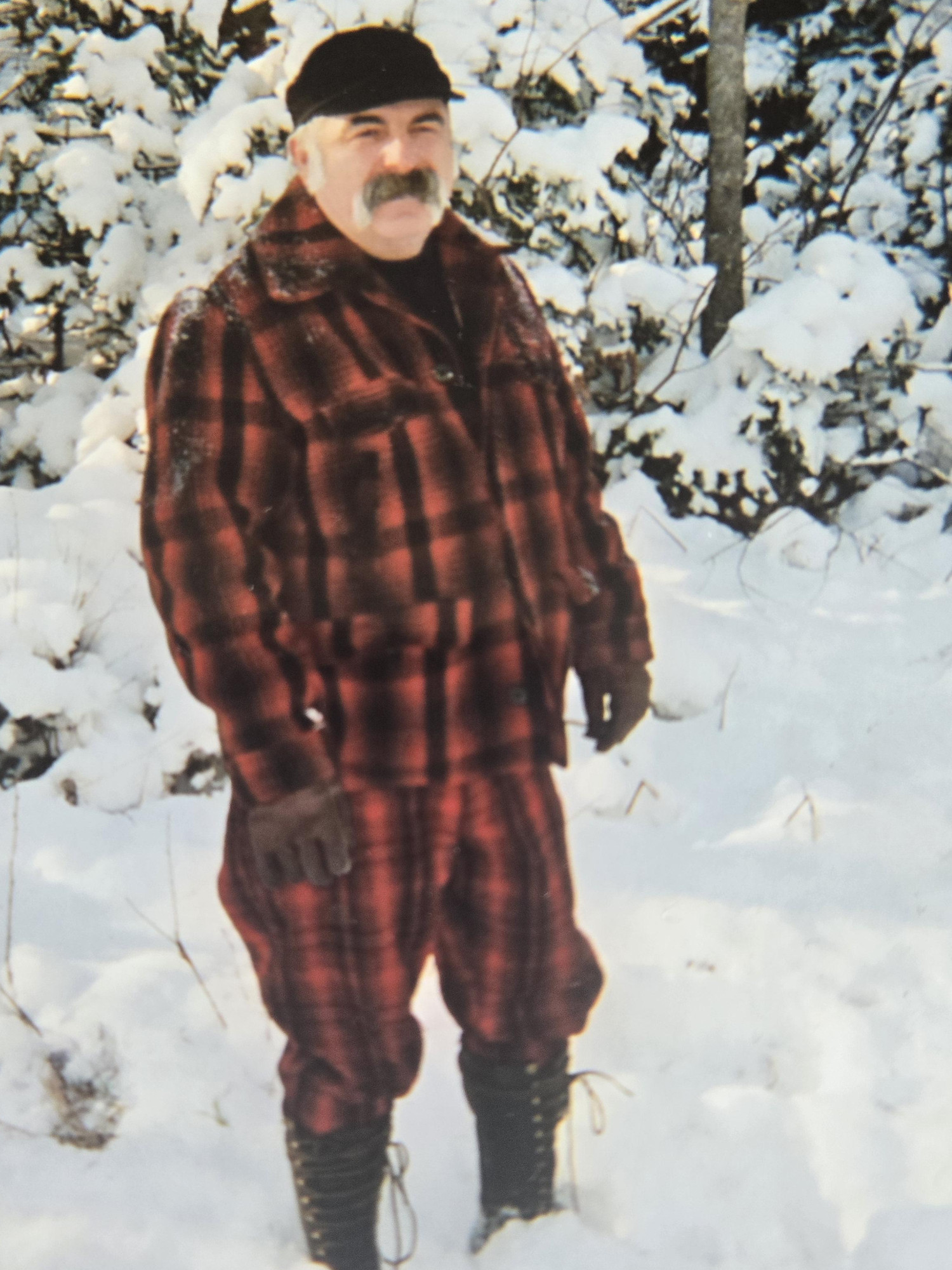 Photo credit: Bob Jansen
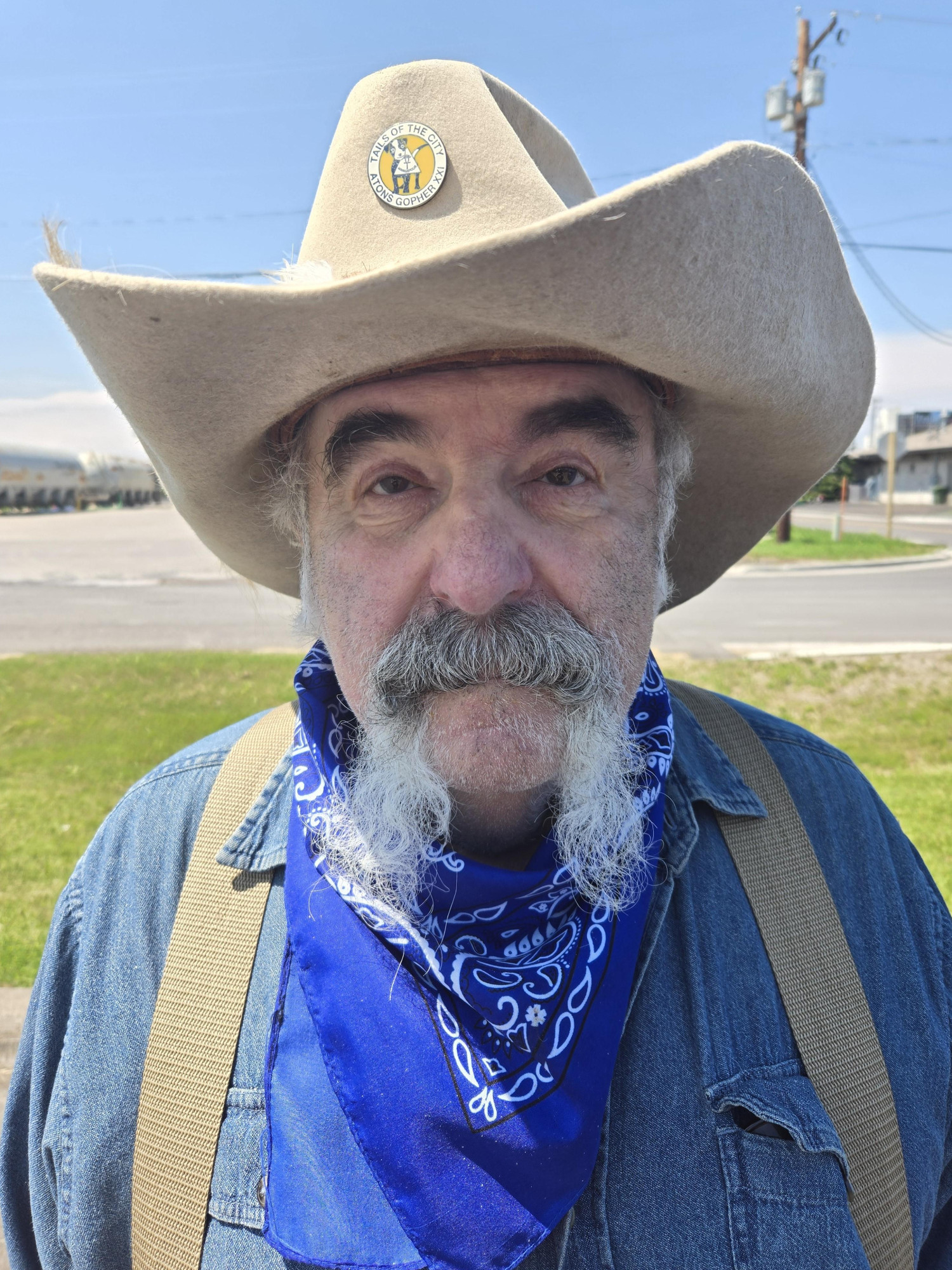 Photo credit: Bob Jansen

recent blog posts
September 25, 2026 | Amy Luettgen
Val Benner: finding identity, community, purpose, and belonging
September 18, 2026 | Amy Luettgen
Dr. Amney Castaneda: creating the support she once needed herself

September 11, 2026 | Amy Luettgen
The concept for this web site was envisioned by Don Schwamb in 2003, and over the next 15 years, he was the sole researcher, programmer and primary contributor, bearing all costs for hosting the web site personally.
join our email list
Get WI LGBTQ History Project updates in your inbox.


