Places
Wisconsin LGBTQ History Project Fundraiser
If you appreciate the History Project's work, we hope you'll support the second fundraiser in our 29-year history!
We are a self-funded, independent, all-volunteer, non-profit team -- and we provide most services FREE to the community.
Wisconsin LGBTQ History Project Fundraiser
If you appreciate the History Project's work, we hope you'll support the second fundraiser in our 29-year history!
We are a self-funded, independent, all-volunteer, non-profit team -- and we provide most services FREE to the community.
"Life was a party -- and we had fun with it."
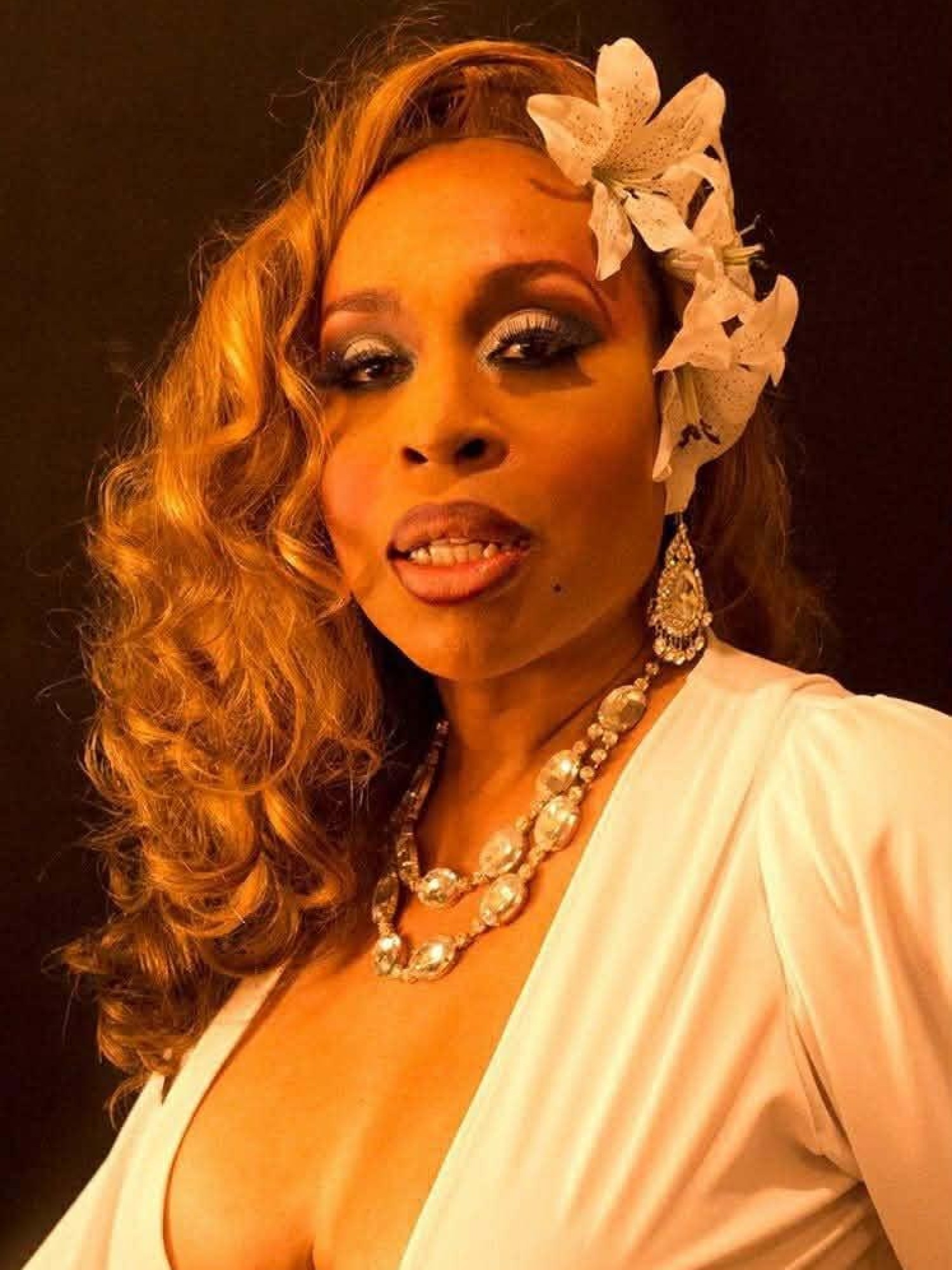
At five years old, Symone Wright would stand in front of her bedroom mirror, her small feet slipping into her mother’s high heels, a shimmery scarf wreathed around her shoulders. The soft click of the shoes on the linoleum floor and the secret thrill of seeing her reflection transformed lingered in her memory—a world of possibility captured in stolen moments before anyone else woke up.
In those quiet mornings in Washington Heights, she knew she was different, but could not yet name how.
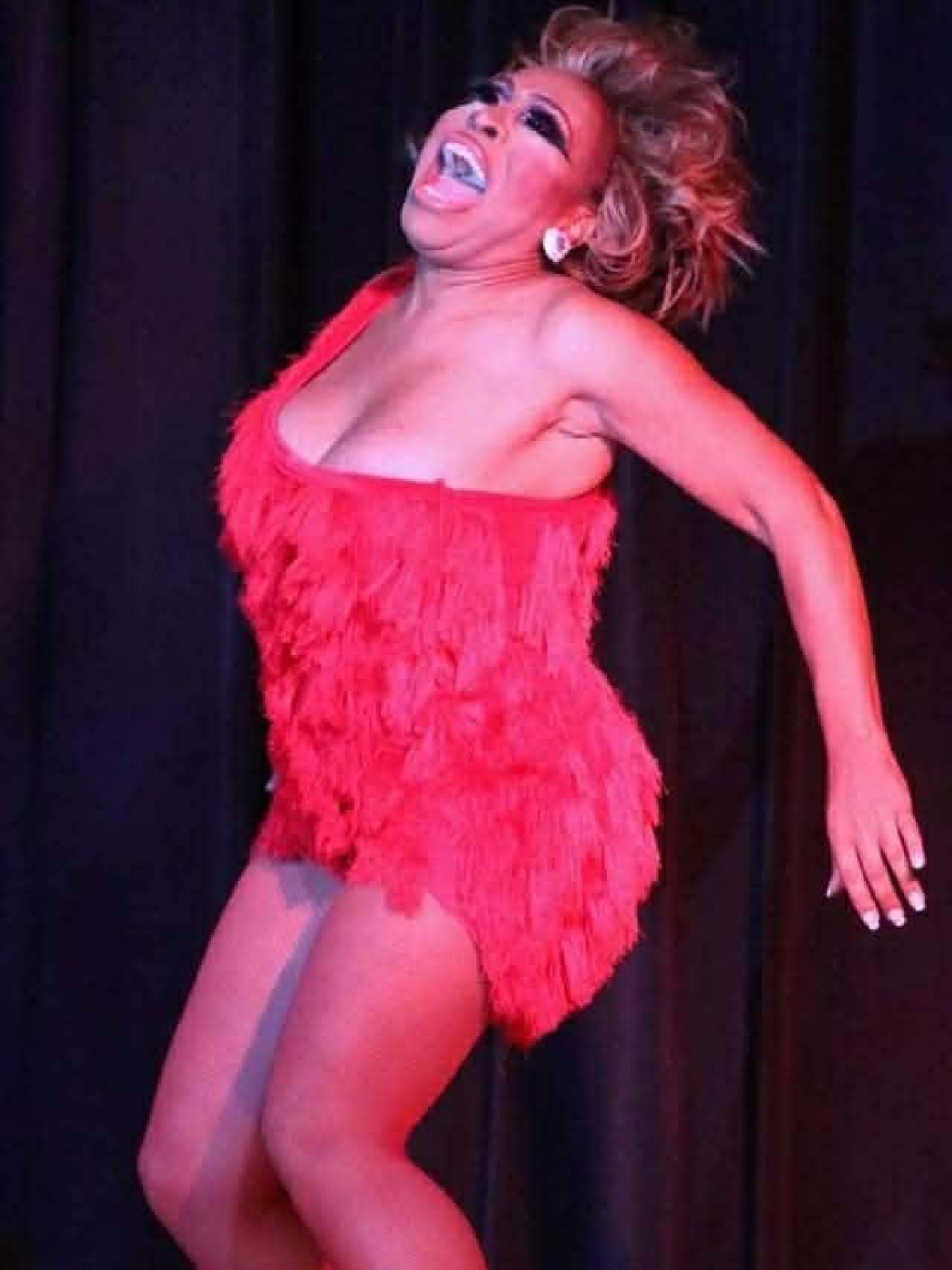
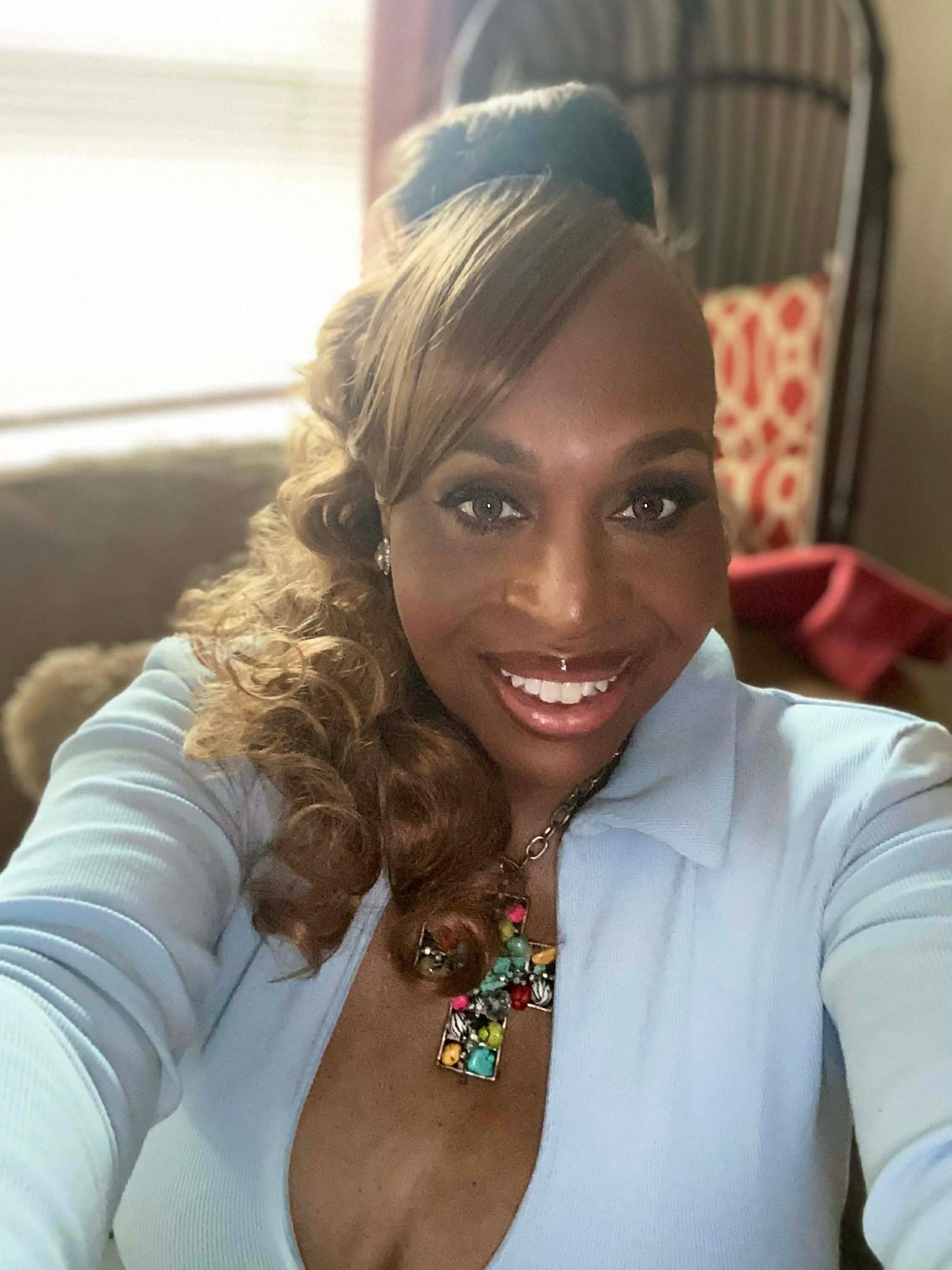
Born in January 1967 in Milwaukee, Wisconsin, Symone Wright (also known as Lady Symone) recognized by age five that she stood apart from other kids in her neighborhood.
Raised in a religious family, she faced challenges because she felt different from her peers.
As a child, she enjoyed dressing in her mother’s clothing, imagining herself as the most beautiful girl in the world. In the early 1980s, as she entered high school, she lacked mentors or support for her growing LGBTQ identity.
“I had to figure it out all on my own,” she said.
“My first gay friend was Neil Ferguson (RIP), who recognized my need to dress as my authentic self. He put me in drag and named me Ty Young Symone.”
With Neil’s support, in her teens, Symone visited Tina’s RTI, her first gay establishment. She remembers being scared on her first visit, but the place was glittering with light, smelled of designer cologne, and was filled with people dancing and voguing to house music.
It was a place that became home. Tina’s allowed her to explore this new world and find community.
“Back then, we were free spirits. Life was a party -- and we had fun with it. There was much joy, but also pain, and the mystery of discovering who we were."
"We enjoyed life! We all had each other's backs; we were family.”
Before Instagram, TikTok, and all the social media influencers, queer spaces in Milwaukee, like Emeralds, LaCage, C'est La Vie, and others, allowed for self-exploration.
She enjoyed new friends, with dancing and fashion as highlights of her early journey in the late 1980s.
Looking back, Symone realizes how those friendships and the freedom she felt on the dance floor helped build her confidence to be herself.
The spaces that welcomed her, including not only Tina’s RTI and Club 219, but also venues like LaCage and Cest LaVie, became more than nightlife: they offered safety, camaraderie, and a place for expression rarely found elsewhere in the Midwest.
Like many Midwestern cities, Milwaukee’s queer bars and clubs were crucial in helping LGBTQ people gather, celebrate, and truly exist as themselves.
Symone recalls that, just as Chicago had Baton Show Lounge or Minneapolis had The Gay 90s, Milwaukee’s own spots allowed young queer people to find kinship and carve out their identities together.
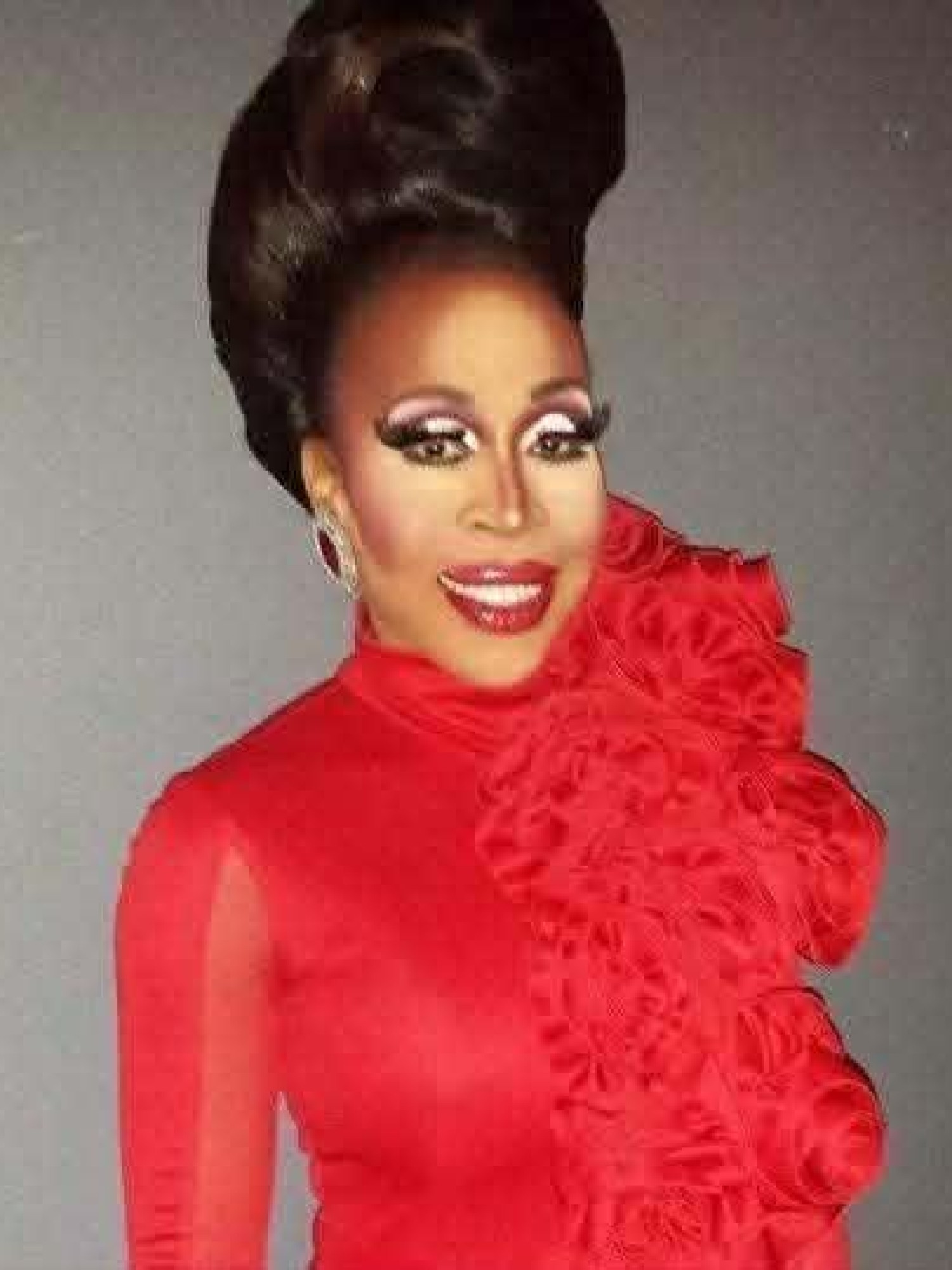
In 1988, Symone began drag thanks to Tony Canfora, owner of Club 219, who was impressed by her stage presence when she performed her first number, Boy George, at a weekly showcase.
The thrill of stepping onto that stage for the first time was mixed with nerves, but also gave her a sense of belonging she had longed for.
When Tony offered her a regular cast spot, Symone saw it as recognition of her talent and a door opening to a new chosen family. Through this opportunity, she met Ginger Spice, BJ Daniels, Erica Stevens, Mimi Marks, Sheri Payne, and others. She often reflects on how each of these friendships shaped her sense of artistry and helped her find strength in community.
Over the years, she crafted a style that balanced class and sex appeal, sometimes a little risque, and became known for her Tina Turner impression as well as her instant audience connection. The hard work that went into developing her signature style taught Symone the value of self-expression and perseverance, lessons she still carries with her.
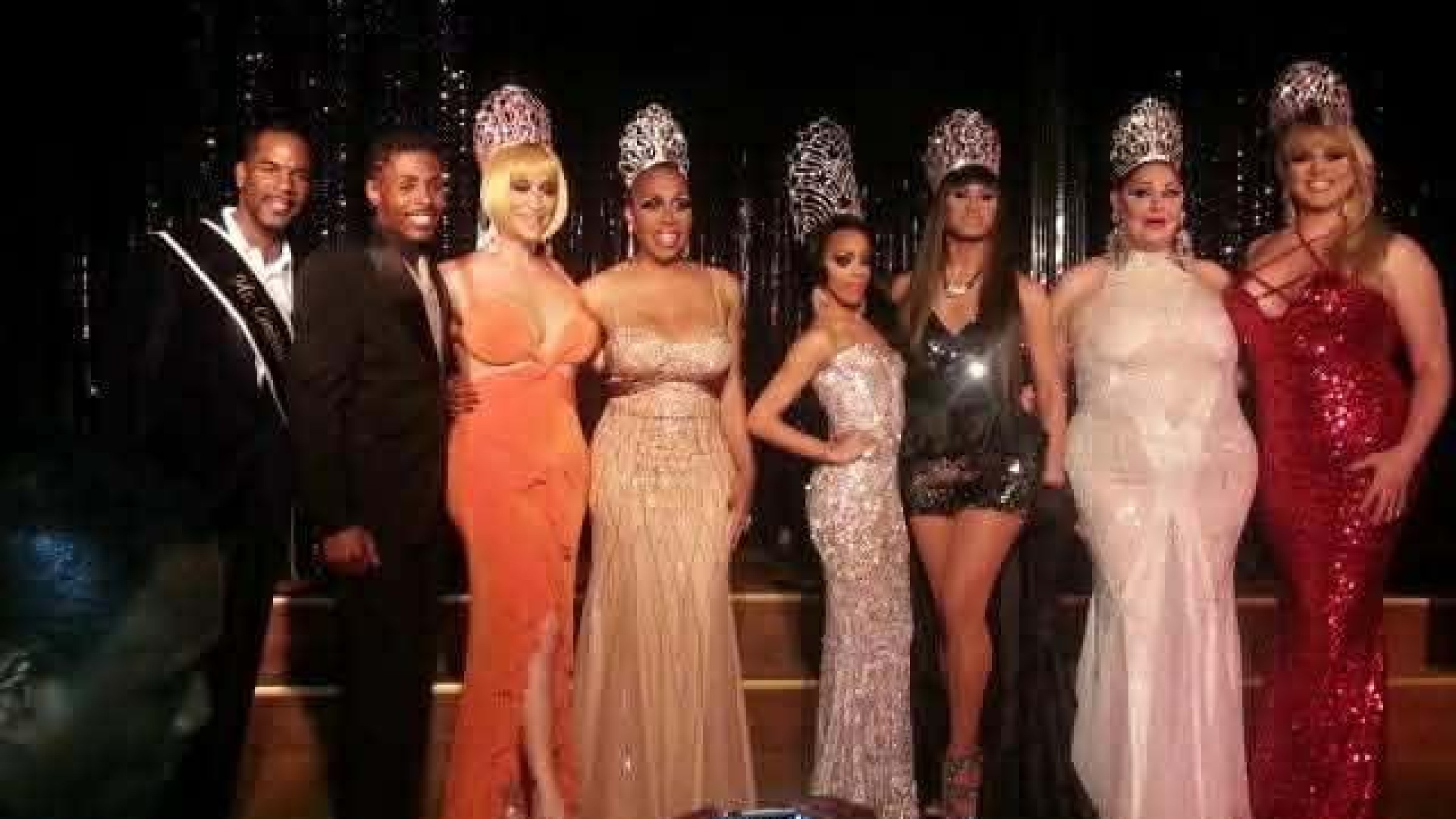
Along the way, Symone earned pageant titles: Miss Wisconsin Continental 1988-89, Miss La Cage 1998, Miss Wisconsin 1999, Miss Royal Continental Elite 2015, and Miss Arkansas Continental 2021, reflecting her progress over several decades. Winning each title reminded Symone how far she had come and that every stage milestone built her resilience.
Throughout her career, she has valued and respected many performers, including Bryanna Banxs, Jaida Essence Hall, Jazell Lakeshia Harvey, Shantell Dimarco, Montell Infiniti Ross, and Janyiah M. Diamond Valentino. She often thinks about how supporting and learning from others makes the world of drag stronger and more vibrant.
She believes drag has evolved. “It’s not just hitting anymore, it’s headed to a theater near you!”
About today's LGBTQ community, she says, “It’s doing things right. This generation is freer to live their lives. My advice: stay safe, but don’t stop the fight. Continue to live your own life no matter what.”
Symone earned a nursing degree from MATC and is grateful to work in healthcare today, continuing her dual paths.
Reaching this point in her career, Symone feels both proud and reflective, grateful for the perseverance and courage it took to succeed both on stage and in her profession.
"I am most proud that I am still here and able to work as a trans woman in a career that I love. Surviving some rejection and facing workplace discrimination could have stopped me, but I kept going.
Overcoming these challenges has made me more resilient, and every day that I get to live and work as my authentic self feels like a triumph."
"Live your truth, and never let the world dim your light."
The concept for this web site was envisioned by Don Schwamb in 2003. Over the next 15 years, he was the sole researcher, programmer and primary contributor.
If you would like to contribute as a blog writer please contact us.
recent blog posts
February 28, 2026 | Michail Takach
February 25, 2026 | Michail Takach
February 24, 2026 | Michail Takach
The concept for this web site was envisioned by Don Schwamb in 2003, and over the next 15 years, he was the sole researcher, programmer and primary contributor, bearing all costs for hosting the web site personally.
This work is licensed under a Creative Commons Attribution-NonCommercial-ShareAlike 4.0 International License.
© 2026 Wisconsin LGBTQ History Project. All Rights Reserved.