
- Places
 August 20, 2026 | Michail Takach
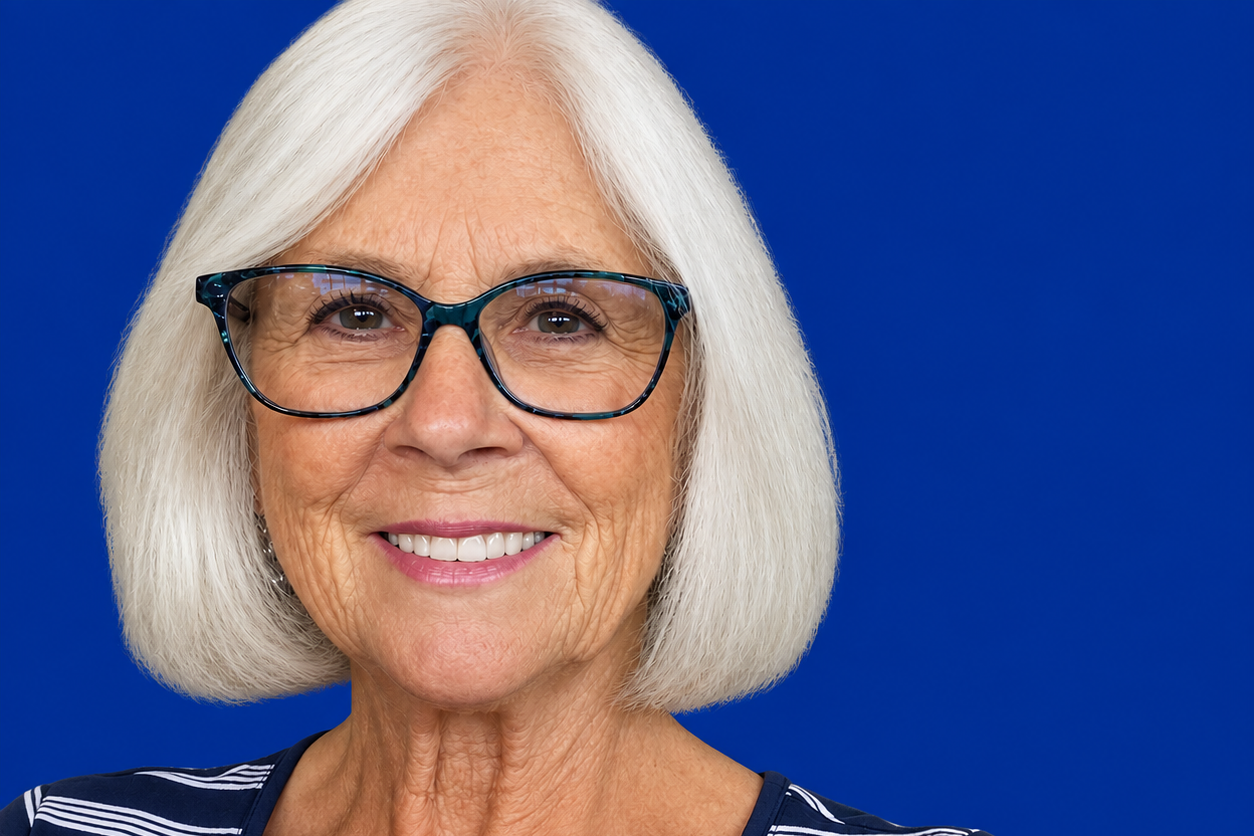
Pat Downing: teaching lessons of unconditional acceptance
Inspired by an extraordinary teacher, she's been a supportive LGBTQ ally for over six decades.
Pat DowningIt was after midnight when the phone rang at Pat’s apartment. She wasn’t expecting any calls at that hour, and she certainly wasn’t expecting the conversation that was about to happen.
Her friend Bob Lambert was on the line, and he seemed anxious and unsteady. Something had happened to him earlier that night that had shaken him. While waiting at a downtown Milwaukee bus stop, he’d been propositioned by another man. The encounter had been unsettling, and it stuck with him all the way home to the South Shore.
It wasn’t that the situation had upset or offended him. Quite the opposite.
"I think I might be gay," he finally admitted. He’d never said those words to her before. It's possible he had never said them to anyone.
Today, that confession might be met with a reassuring hug. Back then, saying these words out loud could invite catastrophe. Family rejection was not just the norm; it was the expectation. Churches condemned homosexuality as a sin. Many doctors felt gay people were sick and needed to be cured. Employers fired gay people outright. Most people stayed silent because silence was often the only way to survive. And even friends often turned their backs on someone who came out, because they were simply too risky to be seen or acquainted with.
Pat was barely out of high school. She had no training in counseling and no script for a conversation like this. But she knew one thing: she was not walking away from Bob in his moment of need. She was here to help him however she could.
Before calling Bob back, she did the only thing she knew to do. She picked up the phone and called the person who had taught her almost everything that mattered. Her former choir director, Margaret Hawkins, didn't offer a lecture about morality, legality, or psychology.
She simply gave Pat this advice:
"If he calls in the middle of the night," she said, "answer the phone. Always. You have to give him whatever he needs."
Ever since, Pat has been answering that call for help — sometimes literally, often figuratively — for the past sixty years. The word “ally” doesn't fully capture her life's work. Long the word “ally” was used, Pat was creating something much simpler yet far more powerful: a lifelong commitment that no human being would ever have to face the world alone.
Pat’s story speaks to the extraordinary ripple effect that begins when one caring adult changes the life of one young person—and how that young person, in turn, spends a lifetime paying the gift forward.
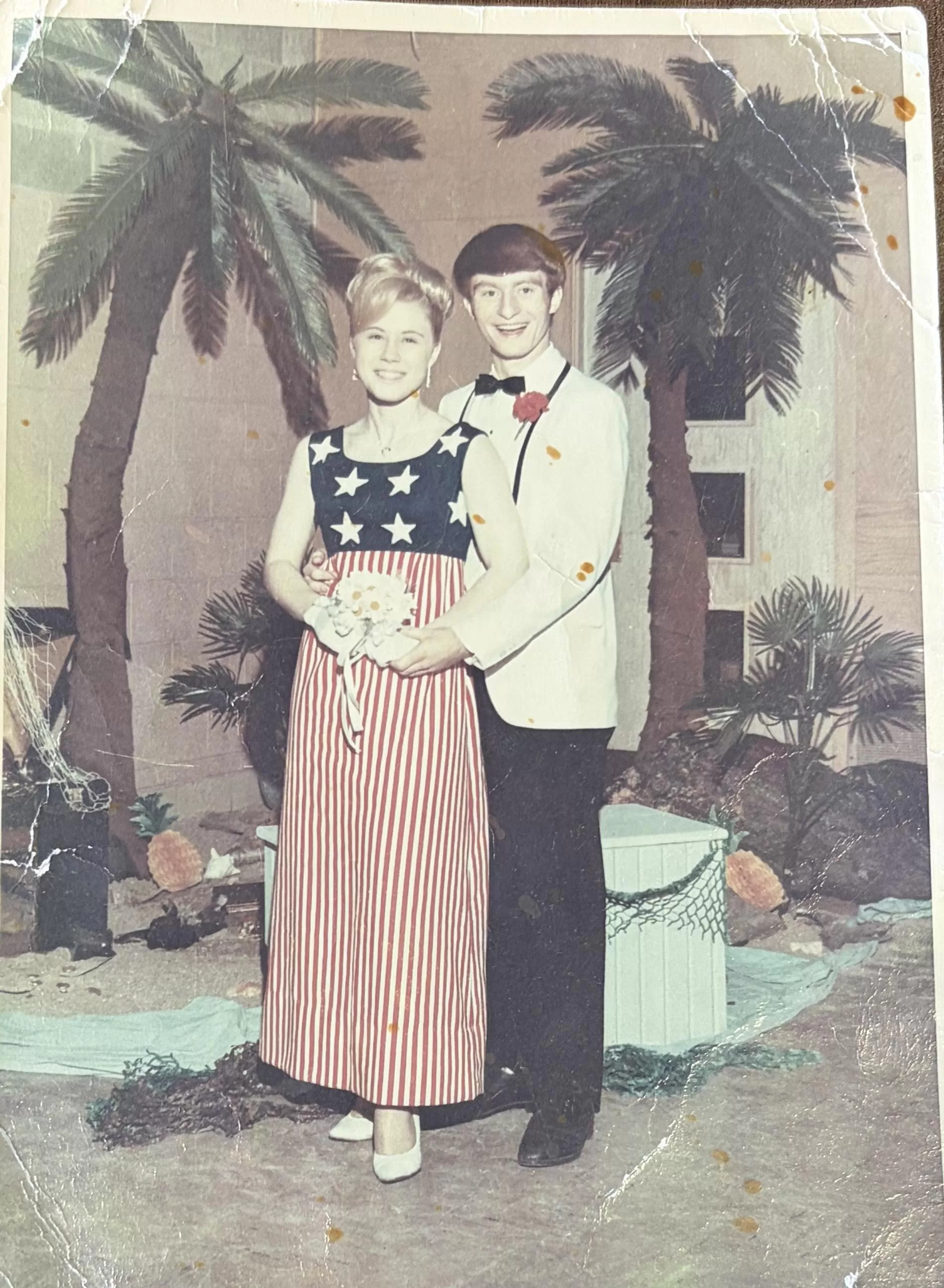 Pat's high school Prom
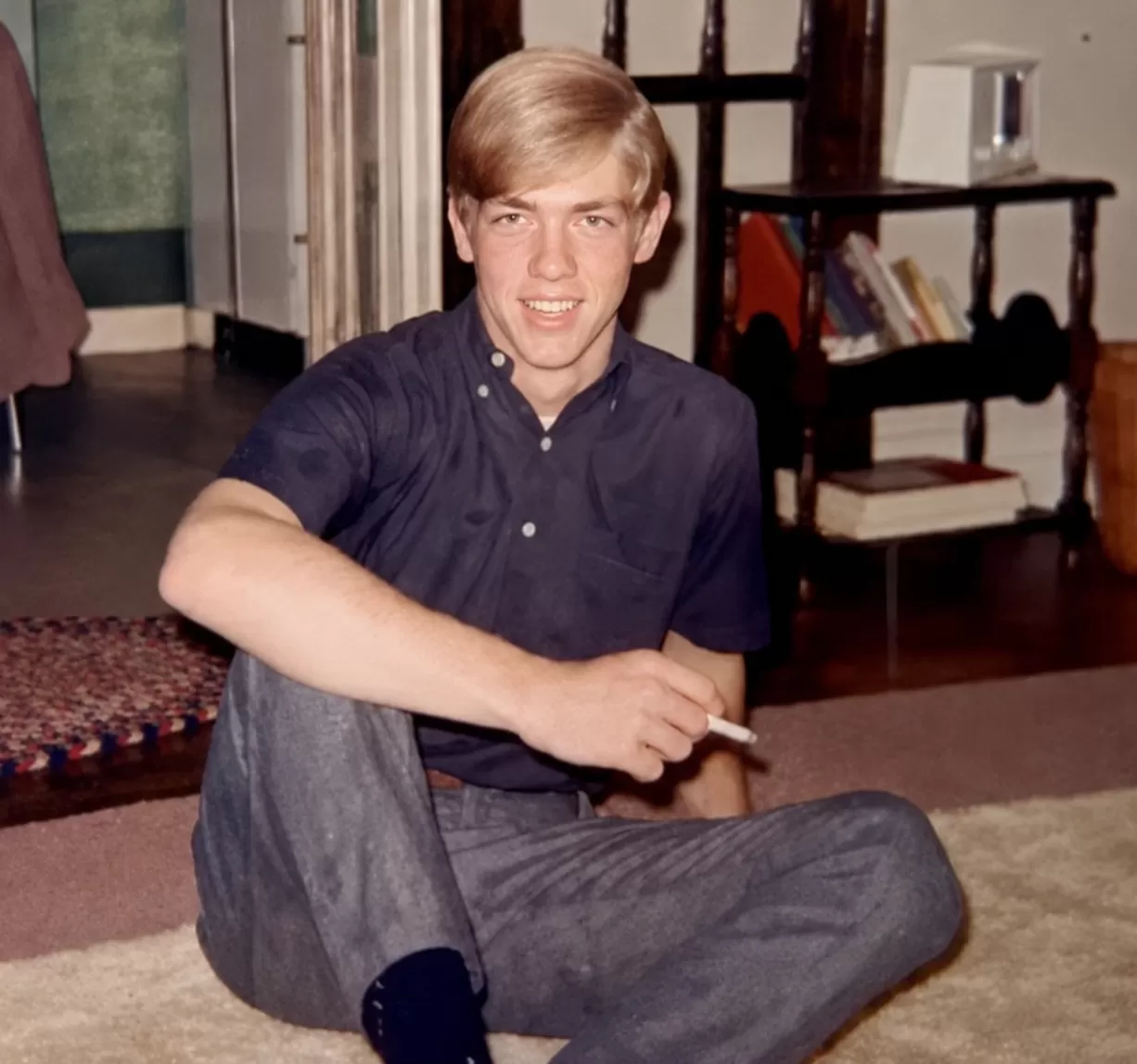 Pat's long-time friend Bob
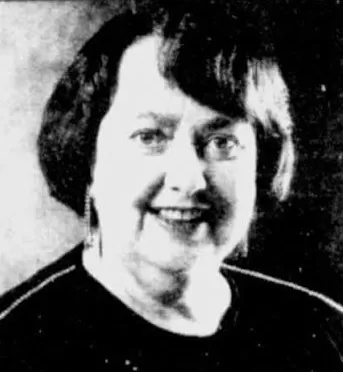 Margaret Hawkins (1937-1993)
“I thought I could ask no more out of life,” Margaret told the Milwaukee Journal. “I figured this was it. The end of the road. But how could I spend decades tucked in a small town when the world was out there, just waiting to be explored?”While some teachers told Pewaukee students to “stay home, go to technical school, be practical,” Margaret told them “there’s a whole world out there – go explore it.” She was described as a ‘dreamer in a crowd of mortals.’
Margaret left Pewaukee for the Milwaukee Symphony Orchestra in 1969, where she served as a guest conductor, led Music for Youth, and founded the Milwaukee Symphony Chorus in 1976.
She was the director of performance activities at the Wisconsin Conservatory of Music, where she founded the Chamber Choir Singers in 1971 and led them in concert at the Kennedy Center for the Performing Arts. The Choir wasn’t expected to survive – in Milwaukee’s overcrowded and underfunded arts landscape – and skeptics scoffed that it would be dead within a year. Instead, Margaret recruited over 200 voices in year one, and within a few years, as many as 900 singers/year would audition to be part of the company.
Margaret also served on the board of directors of Chorus America, chaired the American Choral Directors Association High School Standards Committee, and advised the National Endowment for the Arts music festival panel. She also taught art history at the Milwaukee Institute of Art & Design.
Margaret was known as a national treasure, and her talents were recognized across the nation. She was invited to conduct the Cleveland Orchestra, the Handel and Haydn Society of Boston, and the Philadelphia Orchestra. She was the first woman to conduct the Mormon Tabernacle Choir in 1989. She received a Michael Korn Founders Award from Chorus America in 1991 and a Leadership Award from the String Academy of Wisconsin in 1993. She was named “Musician of the Year” twice by the Milwaukee Sentinel.
Eventually, she would leave Pewaukee to direct the Milwaukee Symphony Chorus, and later, she was asked to direct the Mormon Tabernacle Choir. Still, the Milwaukee media wasn’t always very kind to Margaret – noting that she “didn’t look like a conductor,” “wasn’t glamorous,” and “wasn’t a social butterfly.” And they definitely noted that she was no quiet wallflower.
“She is willing to be outspoken anytime and anyplace,” wrote the Milwaukee Journal. “She can be tough as nails on her singer, screaming and fuming and sputtering and glowering. She can work their rears off, yell and bitch at them, and insult them for 2-1/2 hours. And yet, she’s the kind of teacher that attracts groupies by the dozen. And they’d do anything for her.”
“I become a mother to 500 people a week,” she responded. “Milwaukee has been good to me, but it has taken its time to do it.”
Those accomplishments made her memorable, but what made her unforgettable was her commitment to teaching students something bigger than music. She believed that education should expand a student’s moral imagination as much as their academic knowledge.
She and the school's art teacher created an interdisciplinary course tracing Western civilization through music and visual art, moving from Gregorian chant and cave paintings to the modern era. They took students to the Art Institute of Chicago, the symphony, and the ballet—not because those trips appeared in a curriculum guide, but because Hawkins believed young people deserved to encounter beauty firsthand.
“Not one of my college classes ever matched the quality of this program,” said Pat.
“Our Introduction to Fine Arts class took a trip to Chicago in 1967 that I’ll never forget,” she said. “There were 16 of us: Margaret told 4 of us to catch the bus two blocks south, 4 of us to catch the bus two blocks north, and the rest to stay with her at the bus stop in the middle.”
“She said, ‘when the last group is seated, Pat will start singing, and the rest of you will join in.’ It was the first flash mob I was ever part of.”
Margaret refused to pretend the world was fair. Whether she was discussing racism in the South, introducing students to civil rights, or quietly demonstrating how discrimination operated close to home, she taught her students to pay attention—not only to music, but to injustice.
“I remember her acting up at movies and live performances. She was asked to leave Nicolet High School during a production of South Pacific. They’d changed the word ‘damn’ to ‘darn’ in the song ‘There is Nothing Like a Dame,’ but left the word ‘n**ger’ in the show’s dialogue. Margaret was outraged. She yelled from the audience, ‘you are wrong about what is obscene and should be censored!’ This incident was reported to our high school principal the following day and she was reprimanded.”
As committed as she was to social justice, Margaret didn’t scold her students for their choices. Instead, she found ways to teach truth without judgement.
“When I was a senior in high school, she joined my prom date and I for an opera in Chicago. We wanted to look chic, cool, and adult, and decided we would smoke cigarettes during intermission with everyone else,” said Pat.
“When we told her our plan, she said she’d teach us how to smoke and look cool lighting, holding, and smoking cigarettes. She had us smoke three cigarettes each on the ride down, making corrections on the way. Well, my friend and I never smoked again after that ride. We had horrible headaches and felt nauseous. That was intentional on Margaret’s part. She was an addicted smoker and didn’t want us falling into that trap. And she taught us an important life lesson.”
Margaret drove to Stevens Point to see Pat perform two shows in college: a madrigal Christmas dinner and a performance of Mozart’s “The Magic Flute,” where Pat played the Queen of the Night.
“Margaret spent most of her summers in Europe, and she asked me to pick up her mail and pay her bills with the signed checks she left for me,” said Pat. “When I went to Europe with my college choir, she asked to see my itinerary before I left. When we arrived at our hotel in London, I found an envelope waiting for me from Margaret. It contained British currency and a list of things to do in London. This happened again at our hotels in the Netherlands and Germany. She really took care of me.”
Looking back now, Pat doesn't hesitate when asked what her life might have looked like without Margaret Hawkins.
"My life would have been horrible."
It is difficult to imagine a stronger testament to the influence of a teacher.
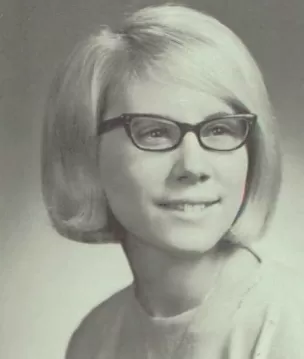 Pat Downing, 1967
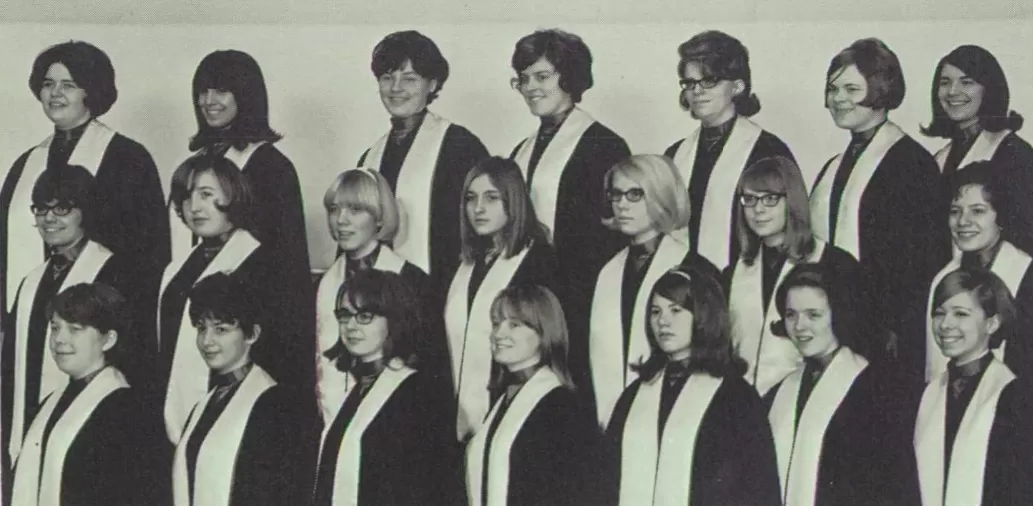 Pat Downing, Pewaukee High School Choir, 1967 (2nd row, fifth from left)
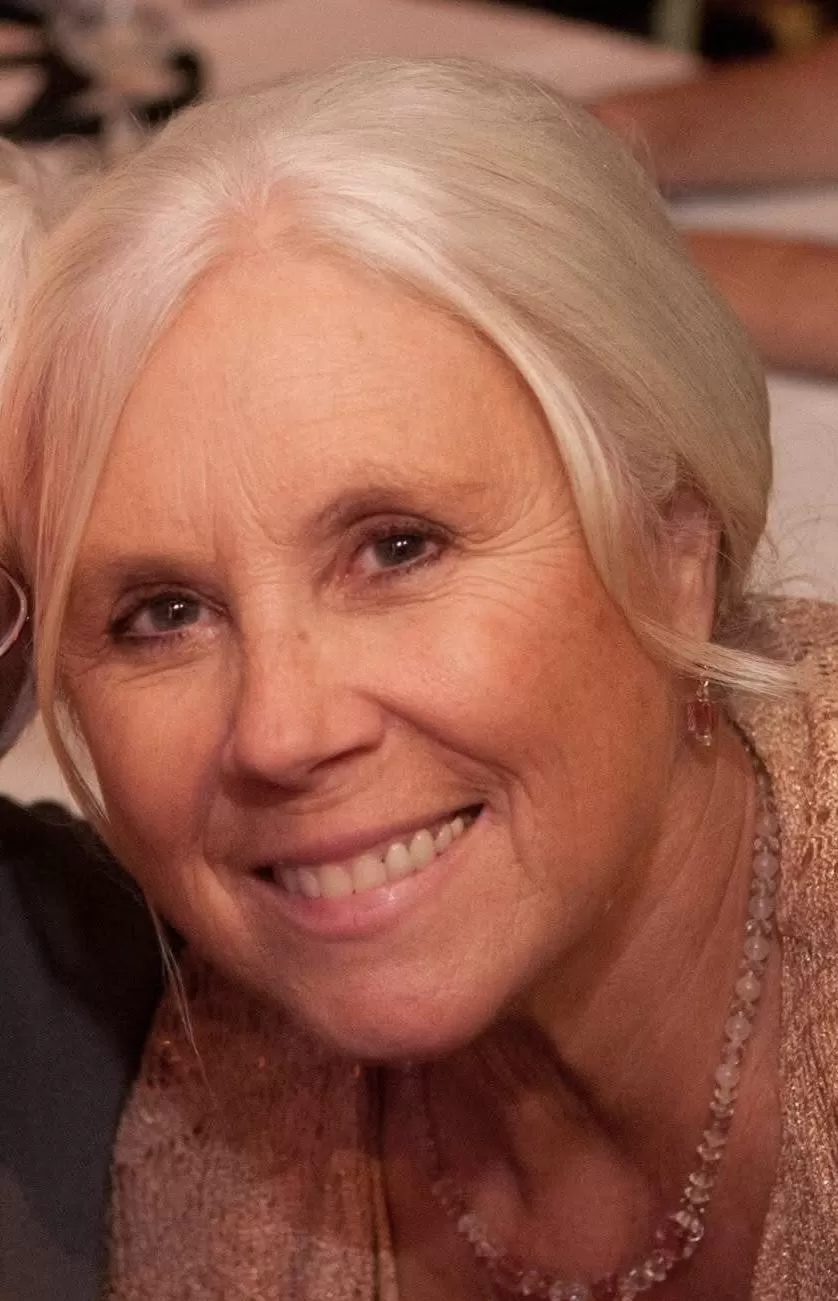 Pat in recent years
She felt completely accepted, supported and protected by a community of men, which was not something young women usually felt at the time.
“A single girl wasn’t always safe walking into a bar unaccompanied,” said Pat. “It would attract the wrong kind of attention. You were seen as looking for trouble. With my gay friends, I could go anywhere, do anything, talk to anyone. This freedom was incredible.”
When she married Tom Downing in 1972, nothing changed. Tom, a Vietnam veteran who returned from the war profoundly opposed to it, embraced Pat's circle of friends without hesitation.
"I didn't lose any of my friendships," Pat says. "Being married didn't change one thing."
Pat lost four friends to the AIDS crisis, and their absence still weighs heavy on her soul. She still remembers those nights together, solving the world’s biggest problems in her living room, forming a chosen family that lasted for decades.
“It feels so far away, and so close, at the same time,” she said.
Becoming the next Margaret Hawkins
Working in a suburban Waukesha County high school in the 1990s, Pat spent much of her day helping students learn and navigate computers.
Pat never set out to become the trusted adult at school. She certainly wasn't hired as a counselor or assigned to do any counseling. But something unexpected happened.
Students began opening up to her after class, sharing the frustrations and challenges they were experiencing, and the stories they couldn’t comfortably share with the other adults in their lives Word spread. If you were struggling, Mrs. Downing would listen.
One afternoon, a freshman revealed a harrowing story that still hurts Pat’s heart. He was often teased for being gay, but now the bullying had advanced to sexual violence. On the school bus, another student held him down and “humped” him while classmates watched and laughed. The violence itself was painful, but what devastated him most was that nobody came to his rescue.
"The worst part," he told her, "was hearing the laughter of people I thought were my friends.”
Pat knew this child needed a safe and accepting space. She called two choir teachers who led the school's theater program and explained what had happened. Their response came without hesitation.
"Send him to us. We’ll find a home for him.”
They didn't care whether he could sing, dance, or act. He joined the program and, perhaps more importantly, found his people.
When Pat tells that story today, she doesn't focus on her own role. Instead, she offers an observation every educator should remember.
"You don't have to wear a sign saying you're a safe person," she says. "Kids tell each other."
A legacy of safety and support
Over time, students facing every imaginable crisis sought her out.
Some were gay. Some were transgender. Some were dealing with difficult parents, bullying, depression, crushes, and other teenage anxieties. The only common thread was trust.
One of those students would later become acclaimed Milwaukee drag performer Esther Flonaze. When his parents struggled with him coming out, he responded with a simple truth.
"What’s the problem? Mrs. Downing is fine with me."
By the time Pat retired, the atmosphere in the school had changed dramatically.
"When I left," she says, "homophobia wasn't such a big bullying issue anymore. I know that progress isn’t permanent, trust me, but I also know it never happens accidentally.”
While some stand on the sidelines feeling powerless, Pat chose to make a difference. According to research from The Trevor Project, one in ten LGBTQ youth aged 13-17 attempted suicide within the past year, and LGBTQ youth of color attempted suicide at higher rates than white peers. Over half (59%) of all surveyed youth experienced homophobic or transphobic bullying within the past year.
However, LGBTQ youth with at least one accepting adult in their lives were 40% less likely to attempt suicide. Fortunately, 79% of youth surveyed in 2026 found that accepting adult in their lives.
“You always hear, what can one person do? Well, these statistics really show what one person can do,” said Pat. “Progress happens when adults care enough to intervene.”
By the time Pat retired in 2014, she’d impacted the lives of more students than she’d ever possibly imagined.
The circle closes
Pat estimates she’s still in contact with over one hundred former students scattered across the country. Some own businesses. Some are artists. Some have transitioned. No matter where life has taken them, they still stay in touch with the teacher who made them feel seen when they needed it most.
She still receives hugs in grocery stores from students she taught decades ago. She still hears from parents thanking her for helping their children through difficult years.
"I'm extremely proud of the fact that kids trust me," she says. "It has brought so much value to my life and my happiness."
There is a proud throughline that connects that late-night phone call in the 1960s to those triumphant hugs in the 2020s.
Margaret Hawkins invested in one young woman. That young woman answered the phone when a frightened friend called. She opened her apartment to people who needed refuge. Then she spent decades being the adult students trusted when they needed refuge of their own.
The lesson of Pat Downing's life is not that everyone must become an activist. It’s that anyone – and everyone – can and should make a difference.
“Becoming an ally isn’t as hard as people might think,” said Pat. “But it is a choice and a commitment. Start small. Pay attention. Notice who has been left out. Answer the call for help. Offer unconditional support. Be the adult who stays.”
Somewhere, another young person is waiting to discover that one accepting adult can change the course of an entire life. Pat Downing has lived both sides of that story.
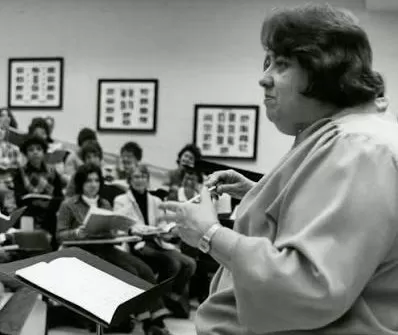 Margaret Hawkins
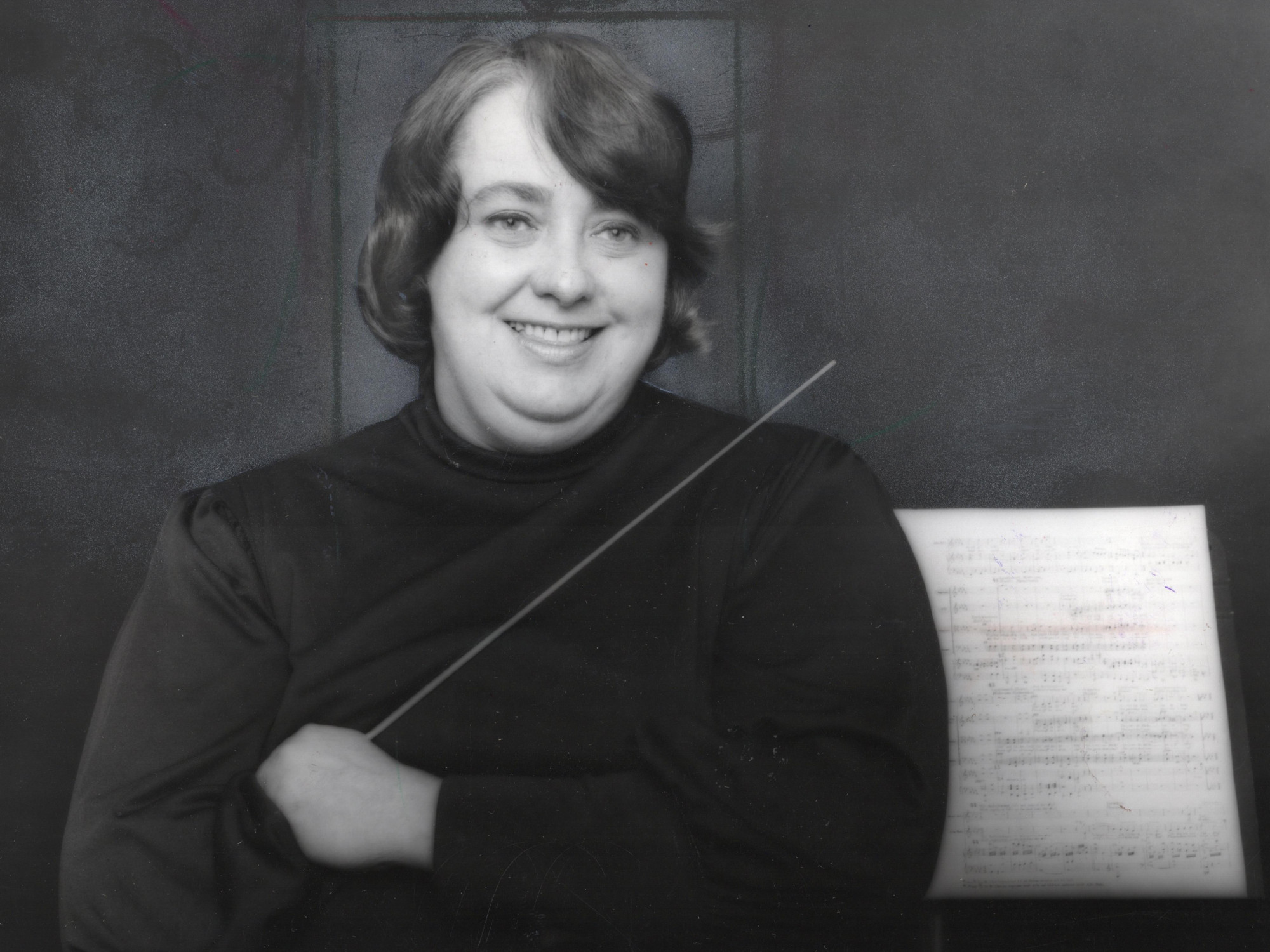 Margaret Hawkins, 1979
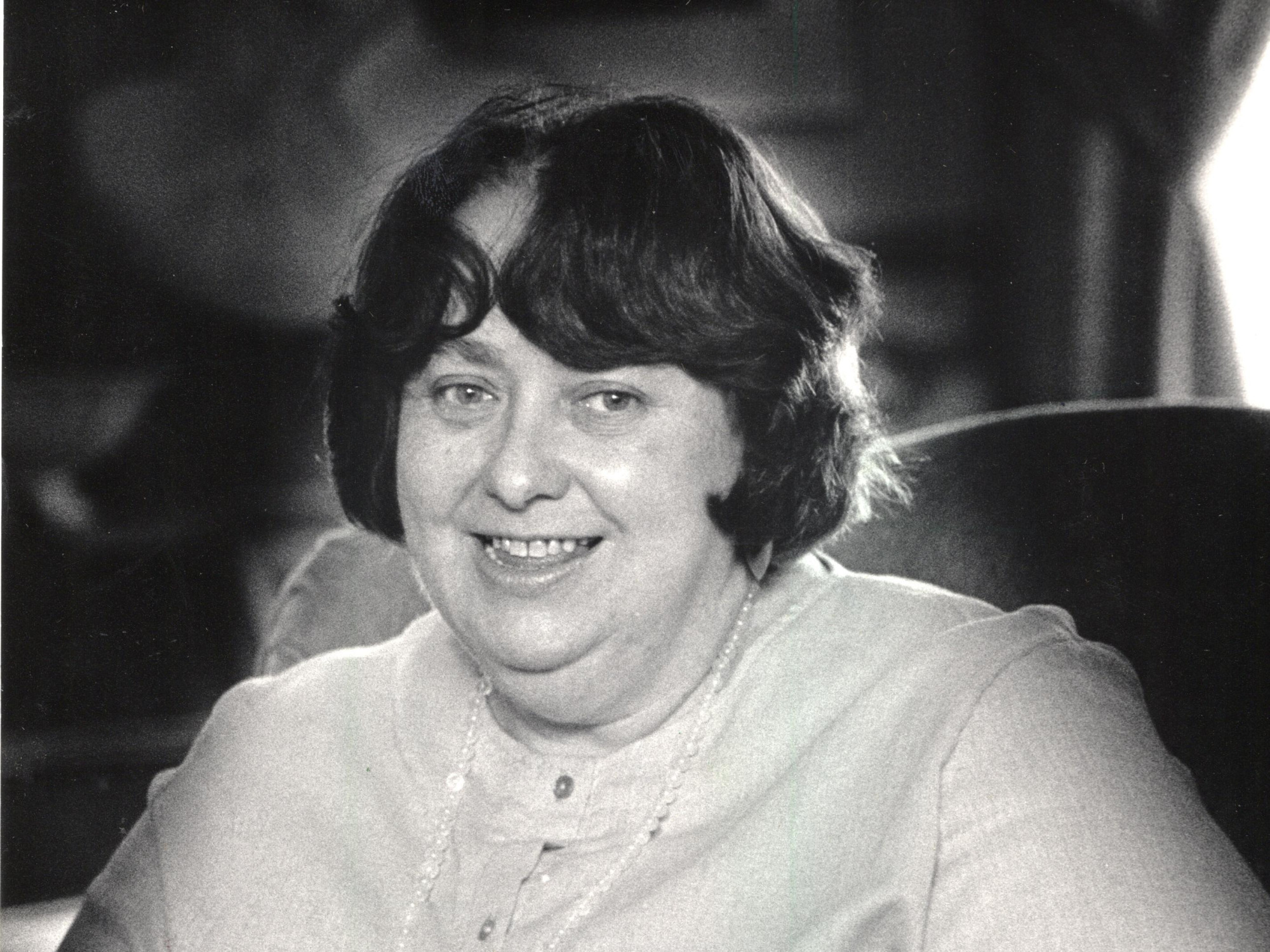 Margaret Hawkins, 1986
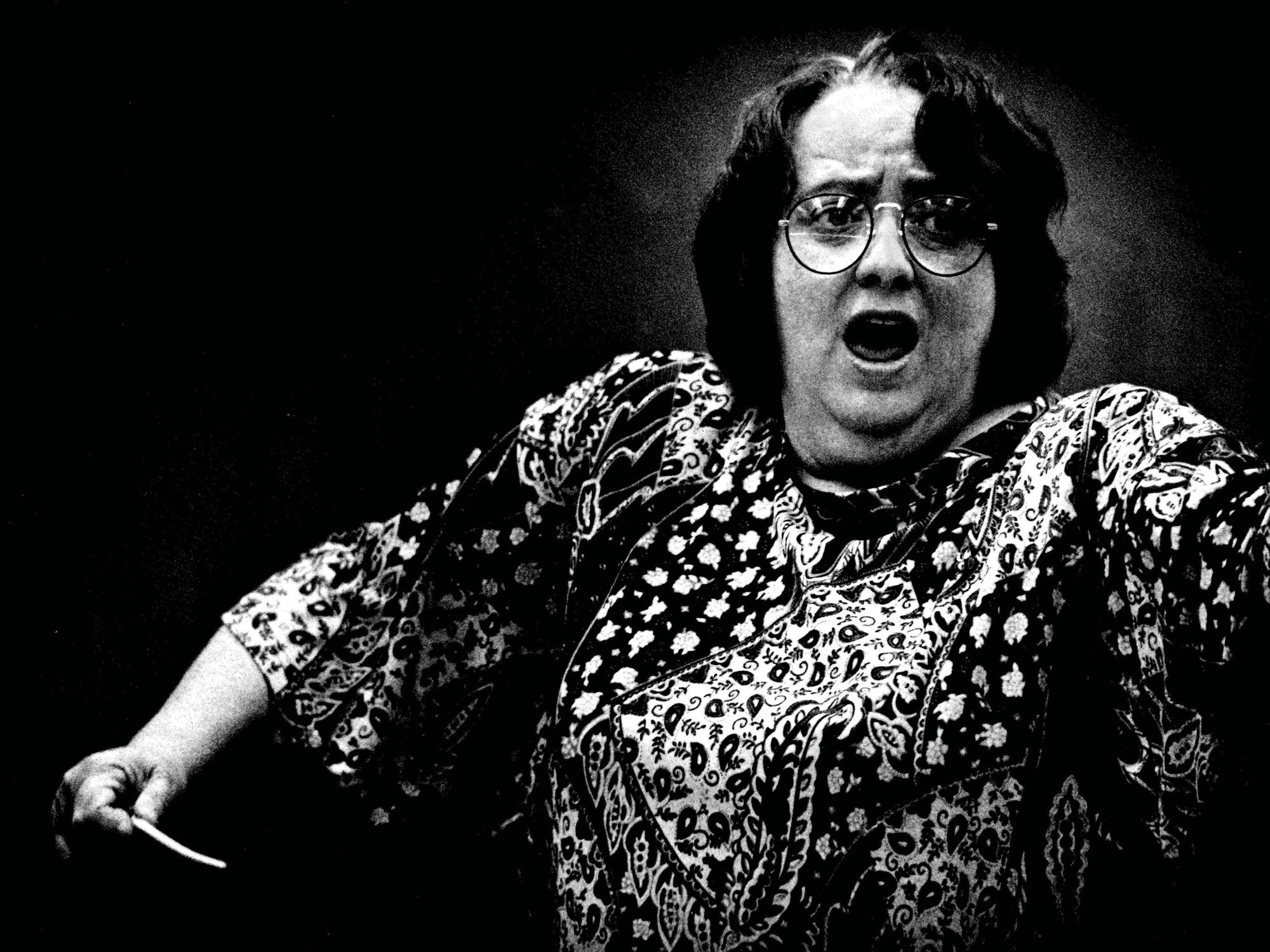 Margaret Hawkins, 1990

recent blog posts
September 25, 2026 | Amy Luettgen
Val Benner: finding identity, community, purpose, and belonging

September 18, 2026 | Amy Luettgen
Dr. Amney Castaneda: creating the support she once needed herself

September 11, 2026 | Amy Luettgen
The concept for this web site was envisioned by Don Schwamb in 2003, and over the next 15 years, he was the sole researcher, programmer and primary contributor, bearing all costs for hosting the web site personally.

join our email list
Get WI LGBTQ History Project updates in your inbox.


