- Places
 April 06, 2026
“My Brother’s Killer” criminologist revisits Kenosha cold case
Investigator seeks answers to 1983 murder of Eric Hansen
Eric Hansen, SSBLOn October 4, 1983, a hiker found the torso of 18-year-old Eric Hansen in a plastic trash bag in Petrifying Springs County Park in Kenosha, Wisconsin. The rest of his body was never found.
Hansen, formerly of St. Francis, Wisconsin, was described by newspapers as a “prototype of the troubled youth:” a child of divorce, an occasional runaway, an “emotionally disabled” high school dropout, and “alienated” from his classmates. When he last left home, Eric told hism other he was moving to Indiana.
As the homicide investigation continued, authorities revealed that Hanson was also a sex worker, well-known to the local gay community, and last seen outside Paradise Books (225 N. Water St.) in Milwaukee’s Historic Third Ward. After leaving home, and telling his mother he was moving to Indiana, Eric had reportedly moved in with a 50-year-old man.
Police initially suspected Hansen had been the victim of gay bashing. Despite many false starts, including links to serial killers Larry Eyler, Joachim Dressler, and even Jeffrey Dahmer, Eric’s murder has never been solved and Kenosha County Cold Case #83-13716 remains open to this day.
Now, the mystery has seized the attention of Clark Williams, whose groundbreaking work in the Billy Newton cold case is chronicled in "My Brother's Killer" (Rachel Mason, 2026.) Williams is revisiting the Hansen murder mystery through a modern-day, inside-out lens, hoping to identify something – anything – that might lead to justice for Eric.
“As I have come to know Eric, my heart breaks for him,” said Williams. “He was so young to have already lived through so much. We are the same age. That kid could have been me.”
While visiting Milwaukee for the April 18 premiere of “My Brother’s Killer,” Williams plans to walk in Eric’s shoes and retrace his last steps before disappearing on September 27, 1983. He’s already been conducting his own research, which may include interviews with Eric’s surviving friends and family.
He’s launched an online campaign asking anyone who knew Eric, visited the same Walker’s Point bars, or heard anything about the case in the 1980s to come forward.
“My hope is to rule in or rule out suspects in Eric’s murder,” said Williams. “I’m hoping to uncover previously unknown persons of interest. But my ultimate goal is to better understand who Eric was as a person.”
While building a detailed victimology, Williams has been utilizing the expansive archives of the Wisconsin LGBTQ History Project. Michail Takach, the organization’s president and chair, has been serving as a key resource and advisor to Williams in the victim-centered investigation.
“Eric Hansen has been a cautionary tale for young gay men for nearly 45 years now. We need to know who he was as a human being, so we can better support people like Eric living in the world today. Eric Hansen deserves justice, and together, we can find it.”
Anyone with information about the life and death of Eric Hansen is encouraged to contact Clark Williams directly at ClarkWilliams@hotmail.com or 408-829-0375. Confidentiality is assured.
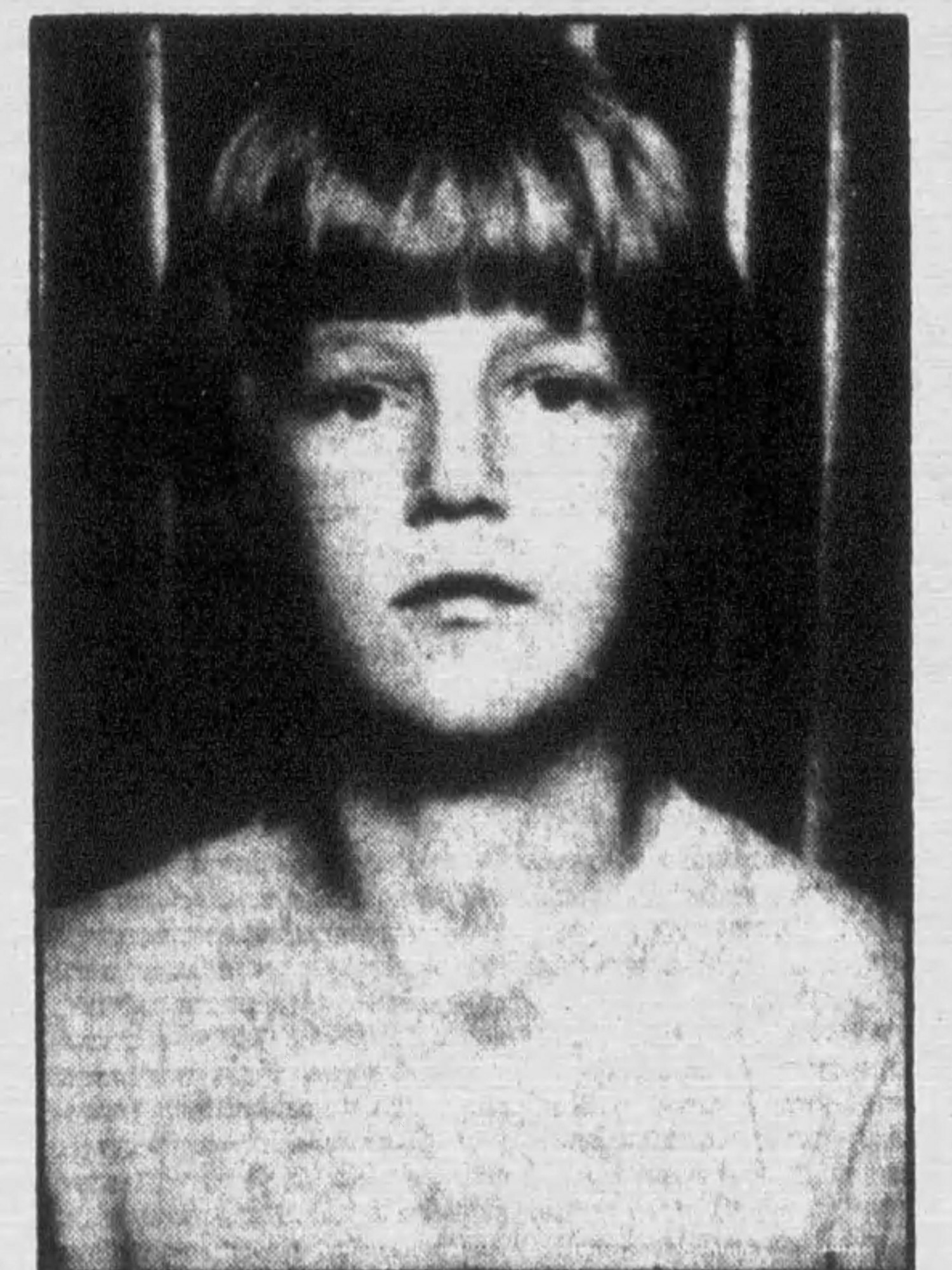 Eric Hansen (1964-1983)
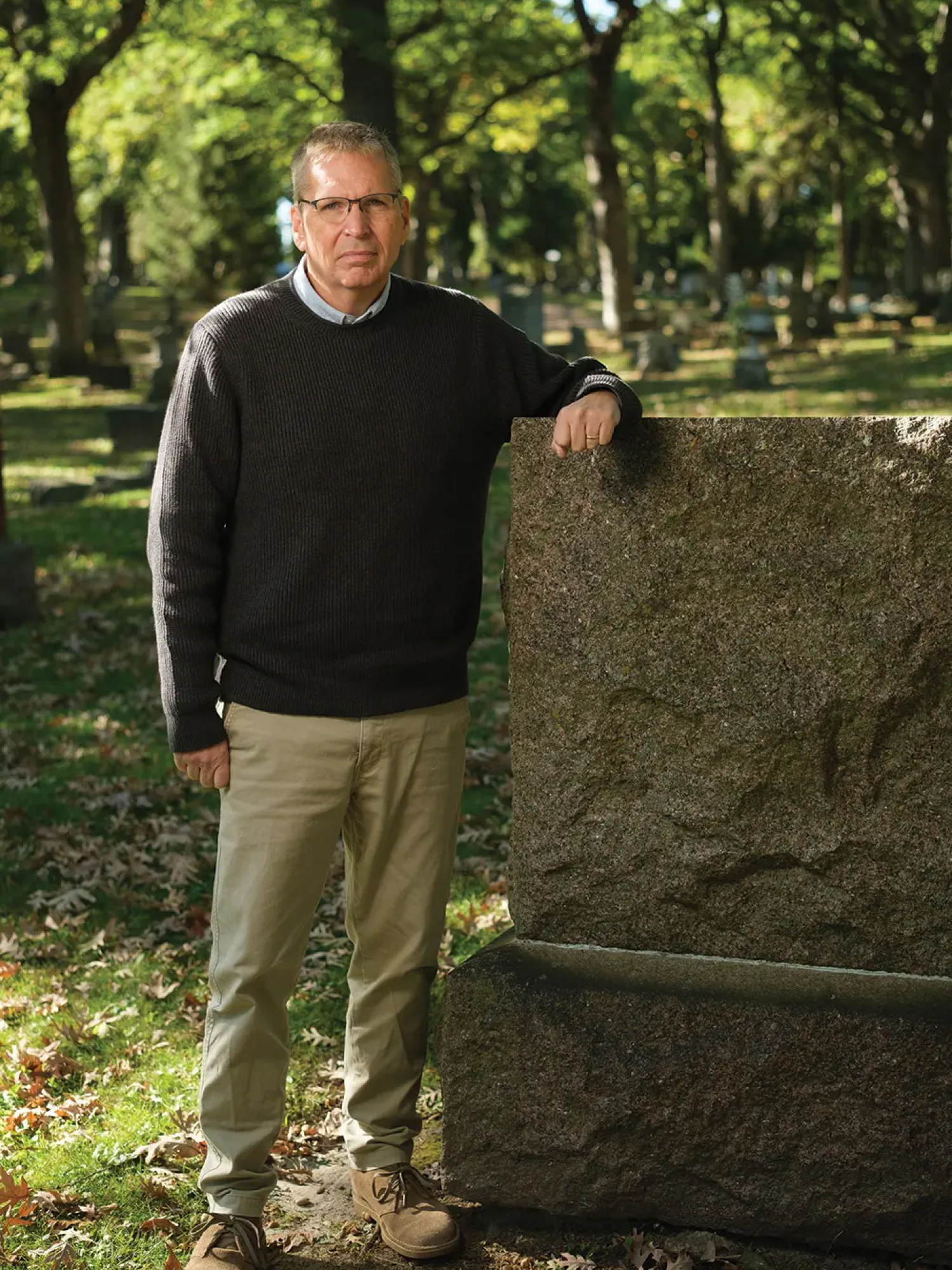 Clark Williams (photo credit: Ian DeGraff for Our Lives Magazine)
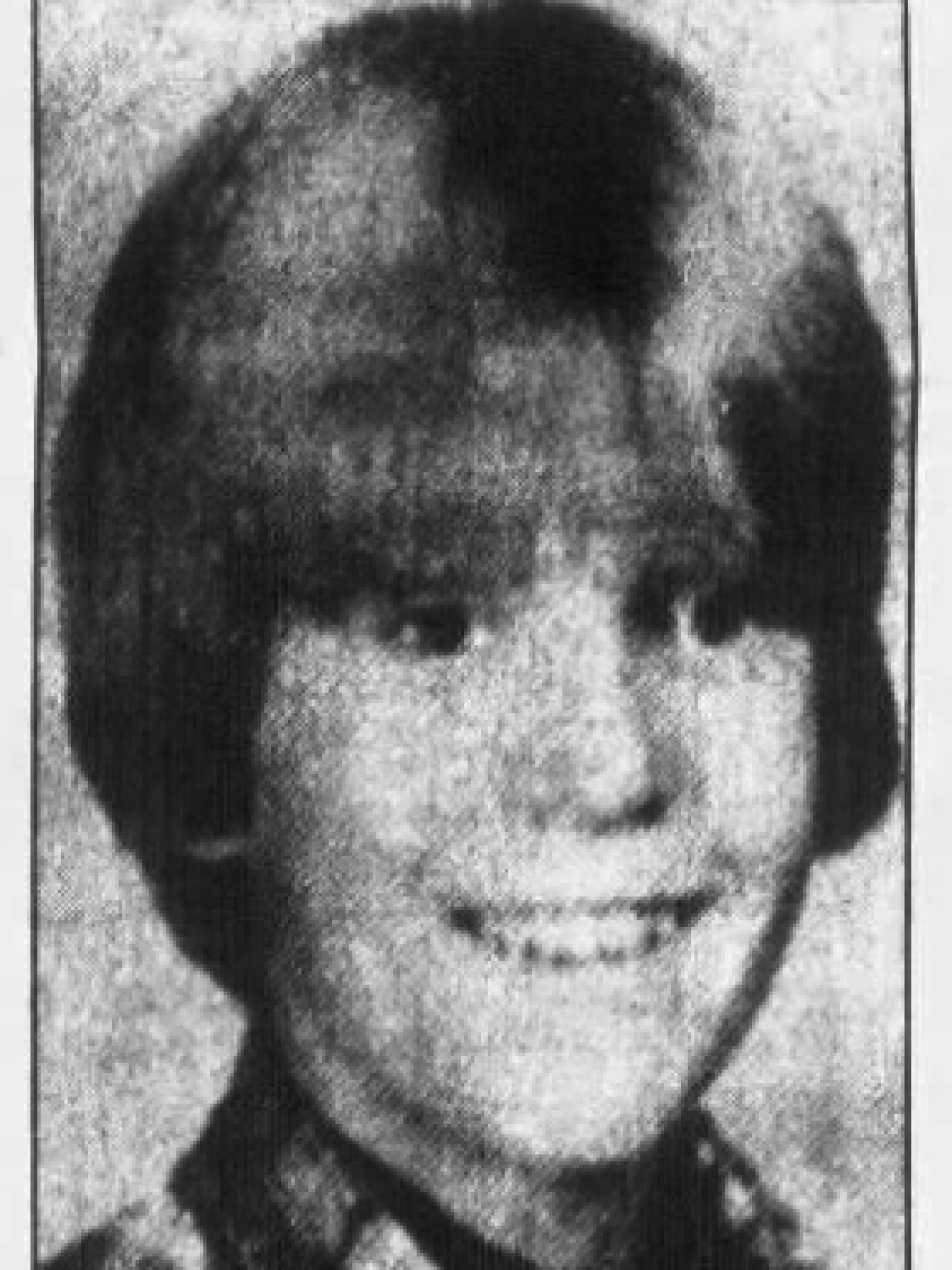 Eric Hansen (1964-1983)
Read More
join our email list
Get WI LGBTQ History Project updates in your inbox.