
- Places
 August 01, 2026 | Michail Takach
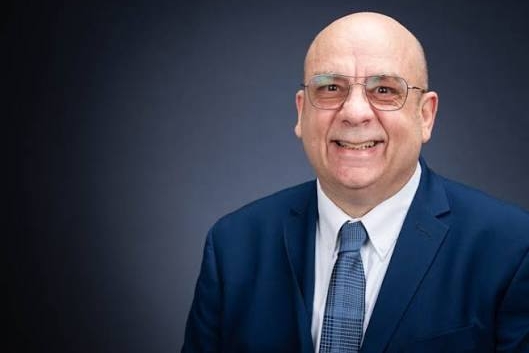
Tony "DJ Tonya" Aiello: spinning the sounds of freedom
After two decades as the La Cage House DJ, Tony's next chapter became his greatest remix.
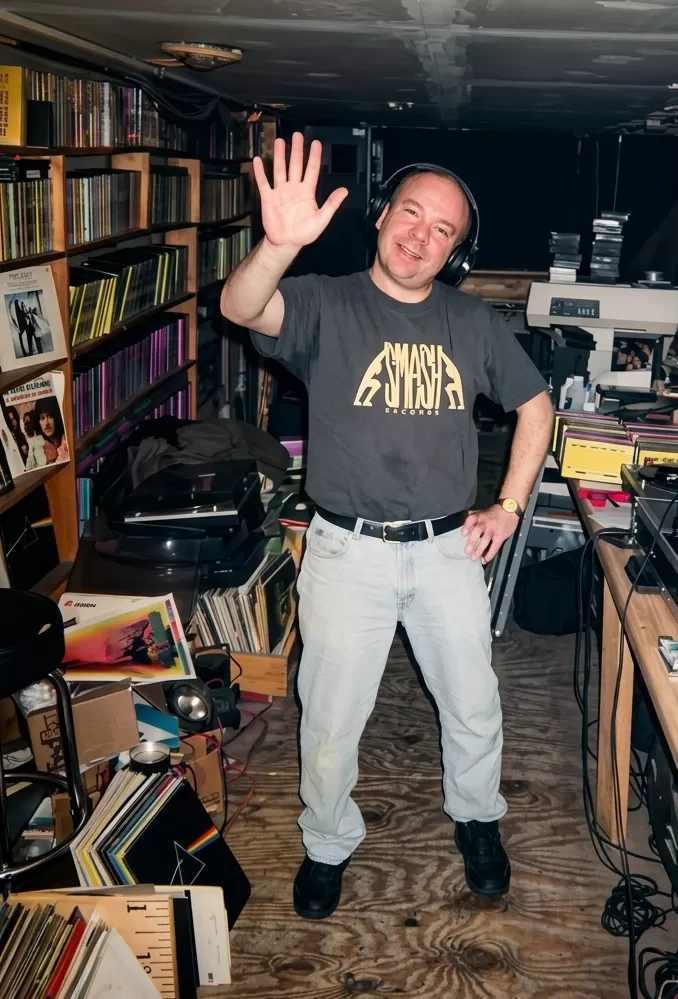
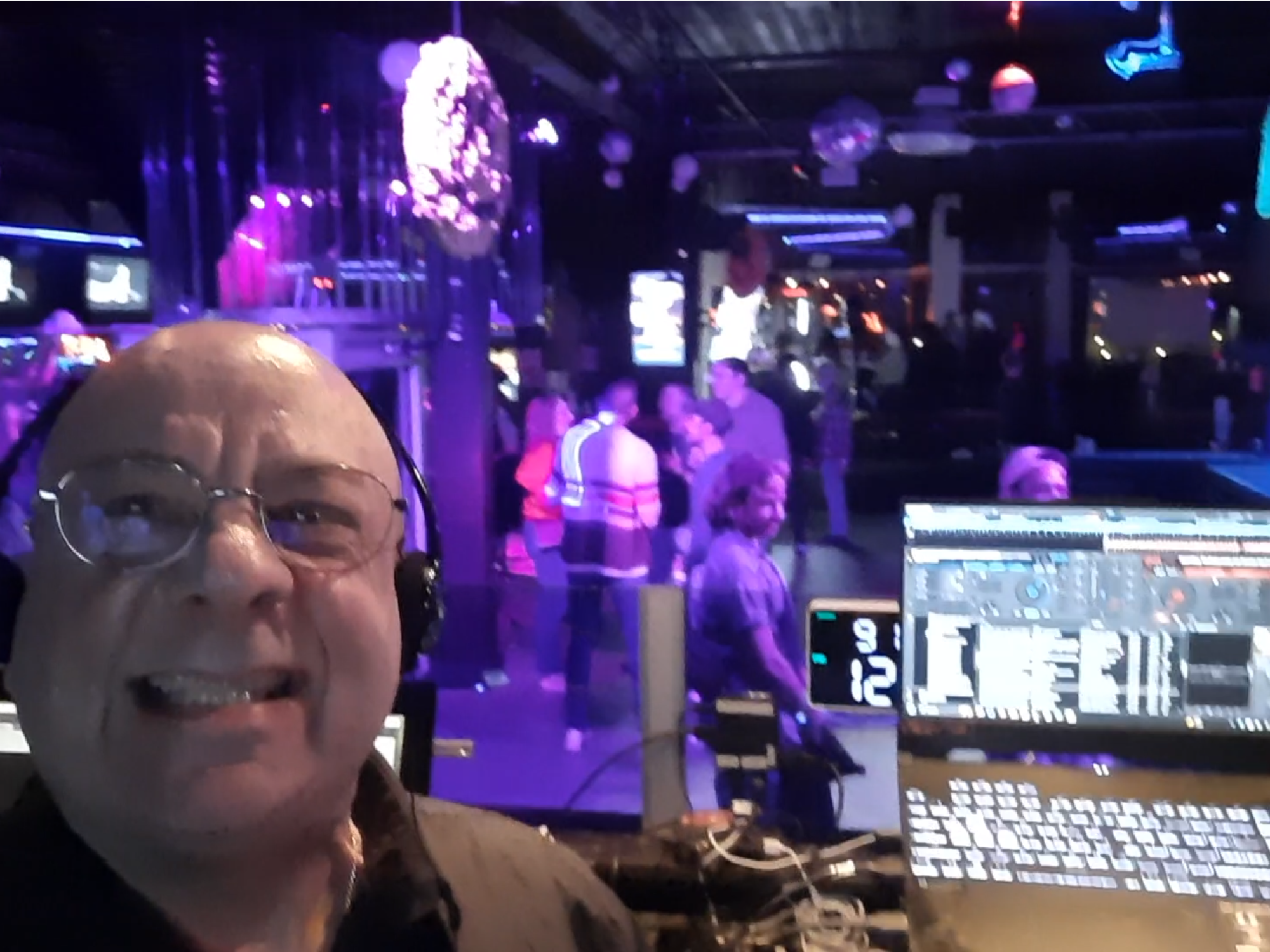
As PrideFest 2004 came to an end, Tony Aiello walked away from the La Cage turntables for the first time in two decades.
Known to thousands as Milwaukee’s "DJ Tonya," Aiello was facing down a devastating and life-threatening health crisis. After a relentless, pulsating 20-year career as the music maker of Walker’s Point, he bravely began preparing for the end of his life.
But this wasn’t the end. It was just the first beats of a whole new remix.
Today, the man who once spun records on Milwaukee’s sweatiest dance floors is forging the future as a university educator. Following a remarkable medical recovery and a return to academia, Aiello’s story is a testament to resilience, the evolution of LGBTQ nightlife, and the rhythm of a life lived across two very different chapters.
After attending a few meetings, the paranoia began to fade. Tony became more comfortable with who he was, and less concerned about who might see him. After the meetings, he’d join a group at Andrea’s Restaurant in downtown Racine, where conversations continued long into the evening.“It was like Racine’s version of Ma Fischer’s,” said Tony. “Through those gatherings, I learned about Jo’Dee’s, Racine’s gay bar. I never knew gay bars existed until those meetings. That’s where it all began.”
Jo’Dee’s International may have been a small tavern, but it would become a huge life-changer for Tony. It became a social sanctuary and the birthplace of his DJ career. It was an intimate venue with a capacity of just 85 people, featuring a small dancefloor, a mirror ball, and a unique "Murphy stage" that folded out from the wall.
“I didn’t even go there to drink,” he said. “Most nights, all I was drinking was Pepsi.”
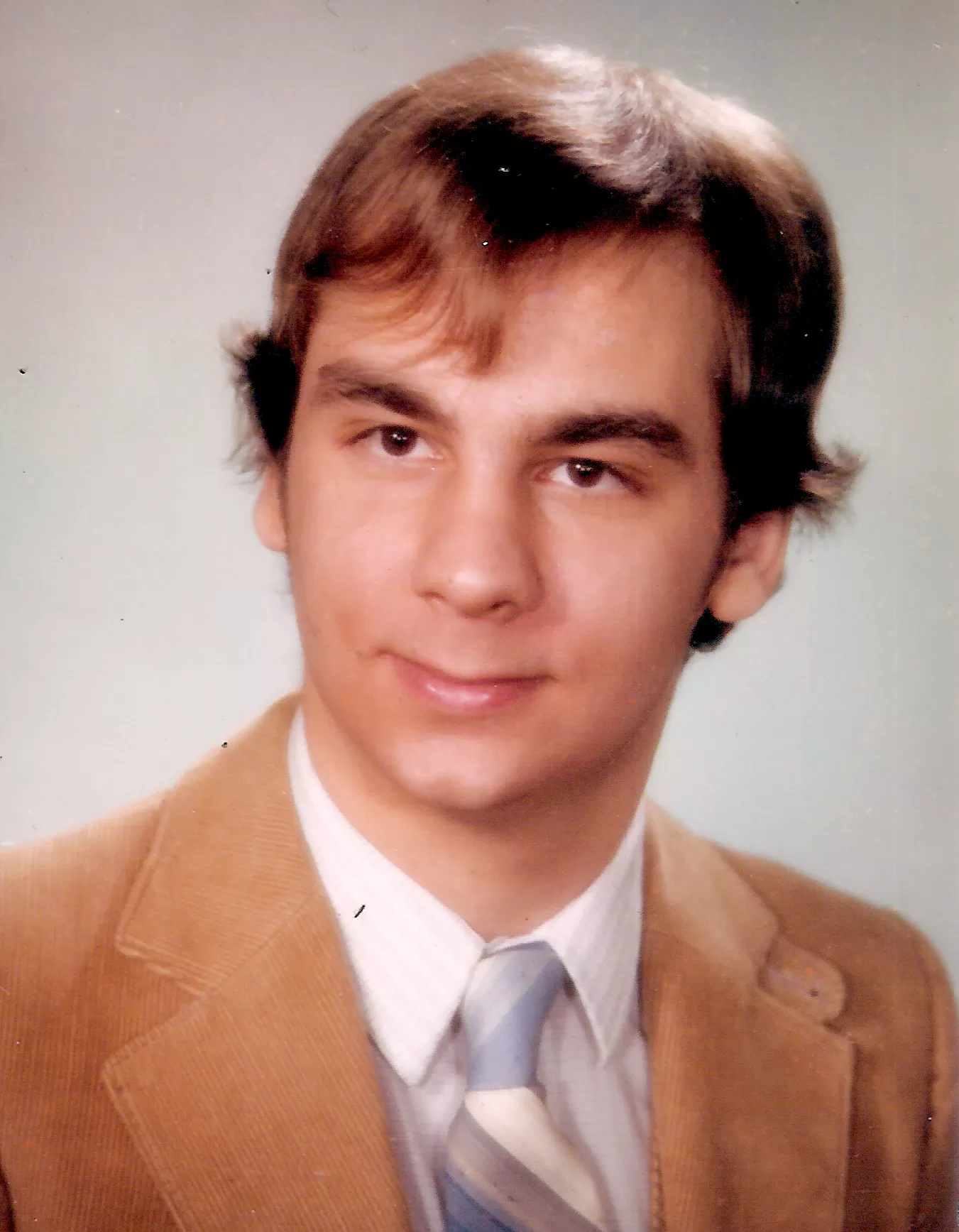
The bar was owned by Judy Kunza and her partner Margaret, a well-respected photographer who shot Aiello's senior portrait. Kunza, whom Aiello remembers as an "awesome human being" with a very distinct, butch appearance that frequently led to her being mistaken for a man, ran the establishment like a matriarch.
Jo’Dee’s was all about community. There was conversation, pinball, darts, a jukebox, arcade games, and a wall of Margaret’s latest photo shoots. Judy installed a wall of clocks from time zones around the world: Tokyo, New York, Chicago, Paris – and that’s how the name Jo’Dee’s International came to be.
“Pac-Man and Ms. Pac-Man were everyone’s favorites at the time,” said Tony.
Jo’Dee’s was more than just a watering hole; it was a safe house. Kunza owned the building and offered the upstairs apartments to patrons facing family rejection or the struggles of coming out. Many of the residents worked downstairs in the bar, forming a fiercely close-knit chosen family. The bar welcomed a diverse crowd of Racine workers, neighbors, youth, and elderly patrons alike.
"Judy always had excellent advice," Aiello said, “and she didn’t give a shit if you wanted to hear it or not. She was going to tell you anyway.” He added that even when they didn't see eye-to-eye, there was always mutual respect between them.
“At one point, there was a gay bar on every corner of Racine Street,” said Tony. “Not a lot of people know that. There was What About Me (the former Music Box,) a lesbian bar on 6th and Racine. Later, Bobby Lyons opened Stealers, a short-lived spot across the street.”
“Of course, Bobby owned The Shack on Highway 32 in Kenosha County. Since the Wisconsin drinking age was 18, and Illinois was 21, lots of kids crossed the border for The Shack. Bobby’s brother, Donald Lyons, DJ’d there and performed as ‘Layla’ in drag. The Shack was always packed on weekends. When Kenosha bar time rolled around (1am,) people would jump in their cars and head to Milwaukee where bars closed at 3:30am back then.”
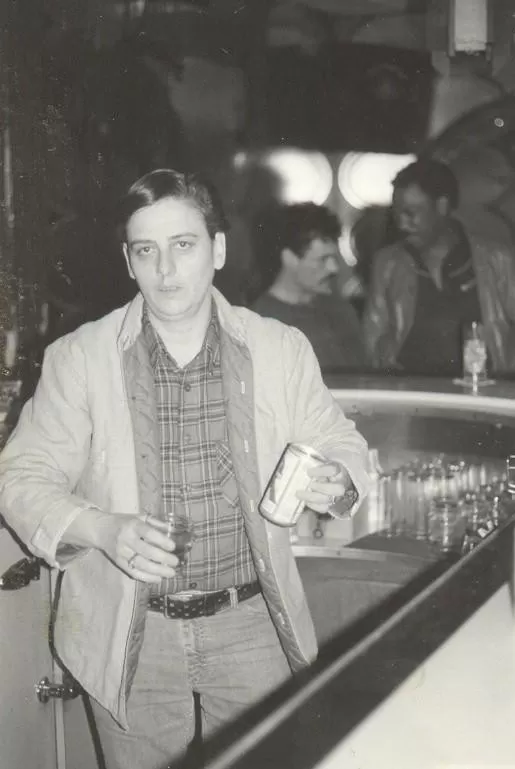 Judy Kunza (Photo credit: Todd Fortier)
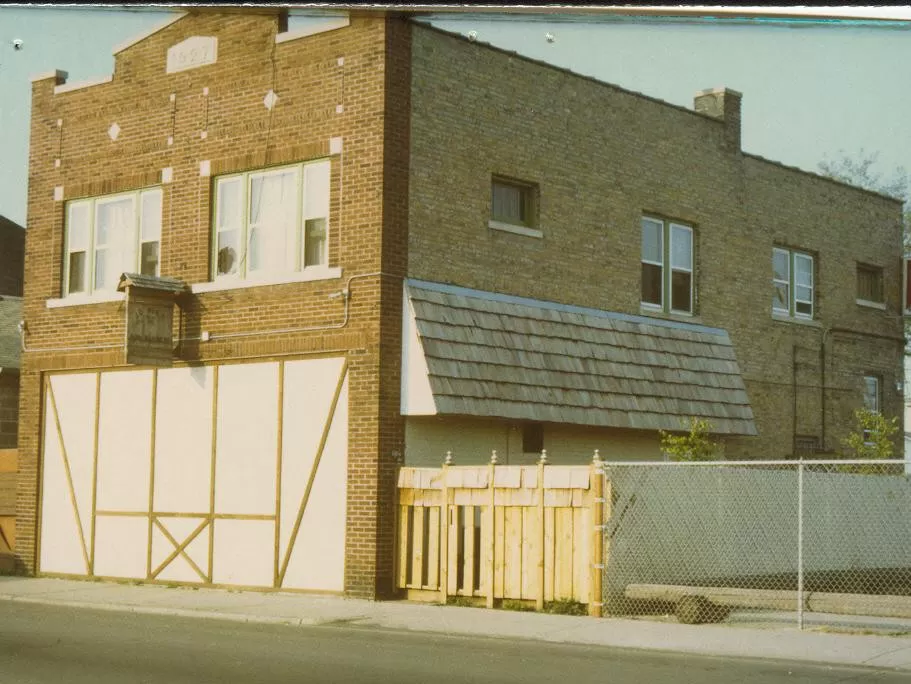 Jo'Dee's International (Photo credit: Todd Fortier)
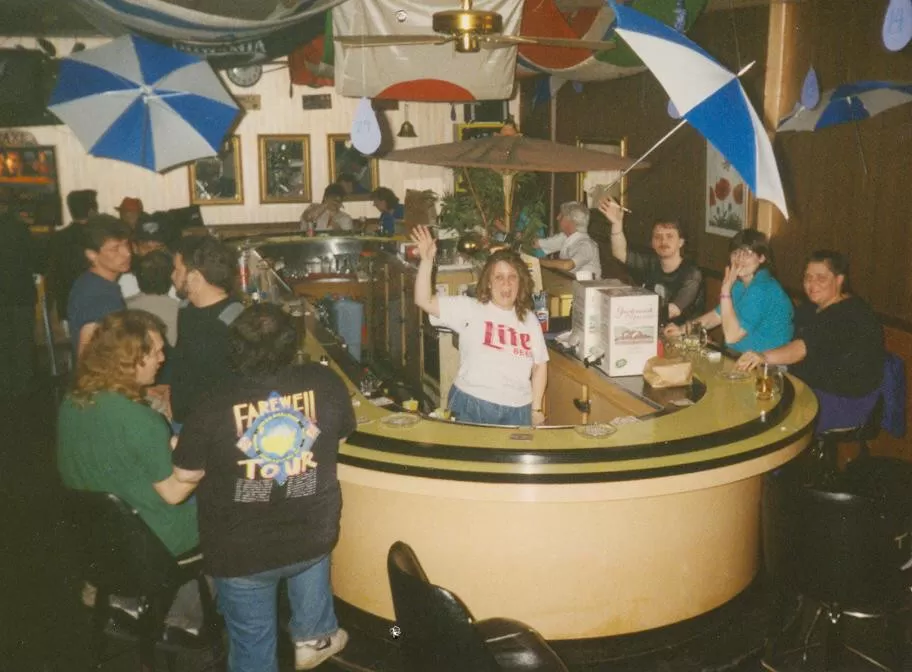 Inside Jo'Dee's International (Photo credit: Todd Fortier)
Getting facetime with George Prentice, owner of La Cage, was a challenge. George was very busy getting the new club open, and there were a lot of missed connections. Frustrated and feeling down, Aiello went out with friends to The Phoenix. To his absolute shock, the music playing over the speakers was his own audition tape. He soon discovered that the owner of Phoenix, Jim Seeboth, was George's business partner.
Tony was relieved: if his tape was good enough to be played at the Phoenix, it might just be good enough to play at La Cage.
He was right. George liked his mix tape – a lot – and he was hired.
In March 1984, he received the call to come in and practice at La Cage Nite Club.
“Before La Cage, I had barely experienced Milwaukee,” said Tony. “Miss Frankie, a Racine drag queen, introduced me to the city. We went to Factory, Club 219, Park Avenue, and Paradise Books on Water Street. I had no idea what I was walking into.”
“The afterhours scene at Paradise was an education unto itself. Men lined the walls waiting for eye contact or a signal. The concept of glory holes was completely new to me. Eventually, I discovered the bathhouse and Chicago Boystown scenes as well.”
“I was young, curious, and experiencing a much larger world than I knew in Racine.”
In its early days, La Cage was essentially one long, narrow room, with the DJ booth situated right next to the exhaust fan. The technology was primitive by today's standards: everything operated via push-button, relying on old A/B cable switches and three VCRs that required manual toggling. Tony was there from the very beginning, working the private soft opening on a Thursday night before the grand opening weekend.
Originally, head DJ Ty King handled the Top 40 tracks, while Tony played R&B and hip-hop as his alternate. After King left the business, Aiello cemented his nightlife legacy as the main DJ for La Cage. For the next 20 years, Aiello was a salaried employee, working five nights a week, including every single Friday and Saturday.
“I originally wanted to call myself DJ T,” said Tony. “No one else agreed. They said, your name is Tony A, so you’re Tonya now. I hated it at first! I didn’t like being called a girl’s name. Eventually, I gave in and the name stuck. DJ Tonya was born.”
La Cage was a dynamic, constantly evolving space. George Prentice was known for his “spare no expense” renovation projects which kept customers invested and engaged in the experience. The club never closed during these remodeling projects: patrons simply danced around the progress.
“I remember one fascinating project, where we replaced the entire floor of the adjacent building to create Dance Dance Dance,” said Tony. “The entire floor was gone, and you could see all the way into the basement of the building.”
At one point, La Cage installed telephones so patrons could call the DJ Booth with request. Tony had to create databases and indexing systems so songs could be located quickly.
“Back then, requests rarely came empty-handed,” said Tony. “If you wanted a favor from the DJ, you usually brought a drink. Today, people simply type a request into their phone, increase the font size, and walk past the booth holding it up for the DJ to read.”
The club attracted massive acts and wildly unpredictable moments. As Holly Brown & Company became increasingly popular, straight couples came for the drag shows and stayed for the dance music. La Cage featured live concerts by Bronski Beat and Dead or Alive (complete with a Pete Burns lookalike contest!) The bar was a favorite stop for visiting celebrities over the years, especially pop and dance acts performing at Summerfest.
“You never knew who might pop into the DJ booth back then,” said Tony. “One night, it was Belinda Carlisle!”
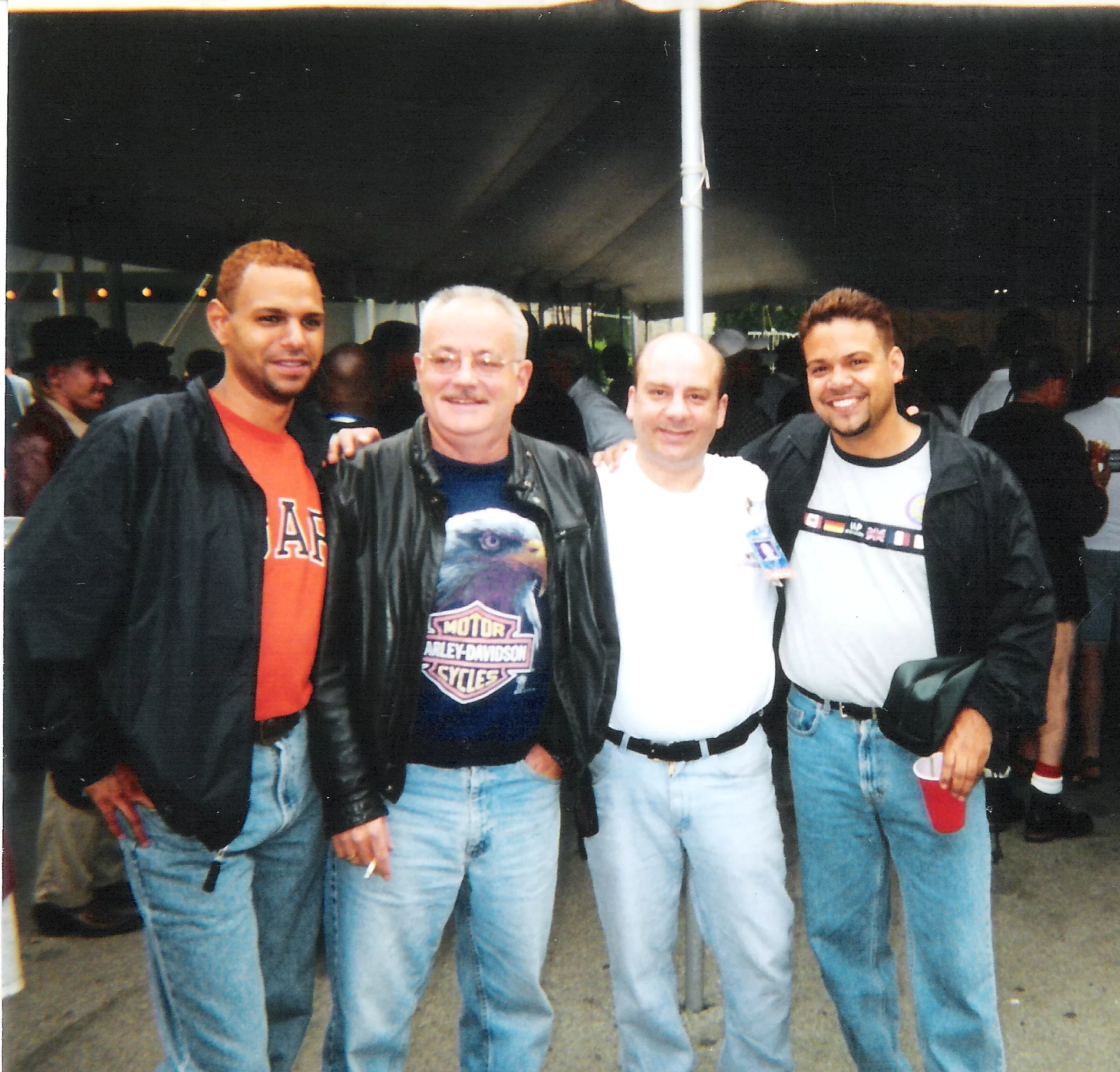
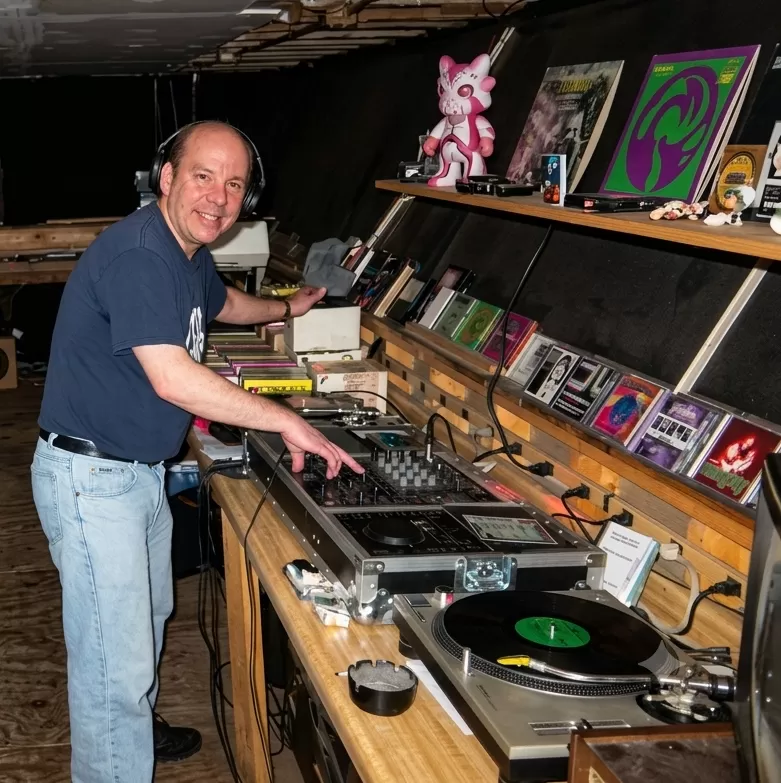
Tony was aboard the La Cage float for the 1990 Pride Parade. Later, he heard stories from performers, including Rudi DiAngelo and Jackie Roberts, that other people on the La Cage float were shot with BB guns.“Hate was out in the open, in your face, all the time.”
In the late ‘80s, Tony met Anthony Hughes, one of the first deaf patrons he befriended. Hughes loved La Cage because the immense sound system allowed him to physically feel the bass. Aiello was so moved by the presence of the deaf community in the club that he learned American Sign Language (ASL) just to communicate with them over the blaring music.
Tragically, Hughes was one of Jeffrey Dahmer’s victims.
“I can’t describe how it felt to read that in the newspaper,” said Tony. “It still hurts even now.”
In 1996, Dance Gay America recorded one of Tony’s La Cage sets.
“You never really see me in the footage,” said Tony, “as the focus was always on the dancers, performers, and personalities who made the scene special. Initially, the producers recorded audio using microphones in the room, which sounded terrible. I provided a direct feed from the DJ Booth so viewers could hear the music properly.”
Tony's voice is often remembered by La Cage customers, even if they never saw his face. One of his legendary announcements is still quoted today.
"Do not dance with a drink in your hand!" laughed Tony. "Yep. That was me yelling at you."
The 30-year Spring Break
The music began to fade in 2004.
Tony found himself facing two deeply challenging health issues. His hip was deteriorating from the inside out, requiring intensive surgery and therapy to heal. And then he was diagnosed with AIDS, which came with a course of medications with brutal side effects.
“I had to recognize the severity of my situation,” said Tony. “I needed to make immediate lifestyle changes, or I would simply not survive.”
When George Prentice suggested it was time to retire, noting he was planning to sell La Cage and retire himself, Tony realized he was at the end of this chapter. While he appreciated his retirement party among two decades of friends, he found very little joy in the celebration.
“I accepted a position with Custom Designed Lighting, Sound & Video, a company responsible for designing and installing technology systems in many of Milwaukee’s well-known clubs, including La Cage, Rain, and Steny’s,” said Tony. “I became general manager within a year.”
Chuck Cicirello, owner of Club 219, also made him an offer. Chuck needed a vice president on his liquor license, following the departure of DJ Kimberly Anne, and asked Tony to go into business with him. Despite the well-meaning advice of friends, Tony accepted the title.
But it was a somber final year. The club was out of money, the debts were stacked higher than the building stood, and the place was falling apart. The soda was flat. The performers weren’t getting paid anymore. When things broke, they were not repaired. When things were stolen, they weren’t replaced.
“There was a heat wave that summer, but we didn’t have air conditioning,” said Tony, “because someone stole the compressor.”
Tony was there until the tragic end of Club 219, when iconic fixtures were sold off at auction and disappeared into history.
While Club 219’s story ended in October 2005, Tony’s story had a surprise twist. Changing doctors and his course of treatment resulted in a shocking turnaround. As his health improved, he pursued the hip replacement surgery he long needed.
Today, Tony is undetectable – something he calls “miraculous.”
“When I realized, I was going to live, I remembered a promise I made to God,” said Tony. “If I lived, I would finish my computer science degree, abandoned so long ago when I was kicked out of my college housing. It was time to honor that promise.”
Following the Great Recession, his employer consolidated operations, which inspired him to decide he would return to college. After his “30-year spring break,” Tony enrolled at UW-Parkside in 2011. He was 49 years old.
“I worried people would laugh at me – a nearly 50-year-old man sitting in classrooms, full of young people,” said Tony. “I sat in the front row and made a promise to myself: I was going to prove I could still do this.”
To qualify for computer science coursework, Tony had to start all over with college algebra, trigonometry, calculus, analytical geometry, and discrete mathematics.
“Math was the challenge!” he said.
During his first week, a woman waved at him in the cafeteria. He smiled and waved back, although he didn’t recognize her. Later, he learned it was Chancellor Deborah Ford.
“That simple gesture gave me confidence. It made me feel like I belonged.”
Even as the coursework became more difficult, Tony earned Dean’s List and Provost’s List honors several times and graduated with multiple honor cords.
“My best friend had earned several in 2010, and I wanted to match him,” said Tony. “Or maybe even beat him!”
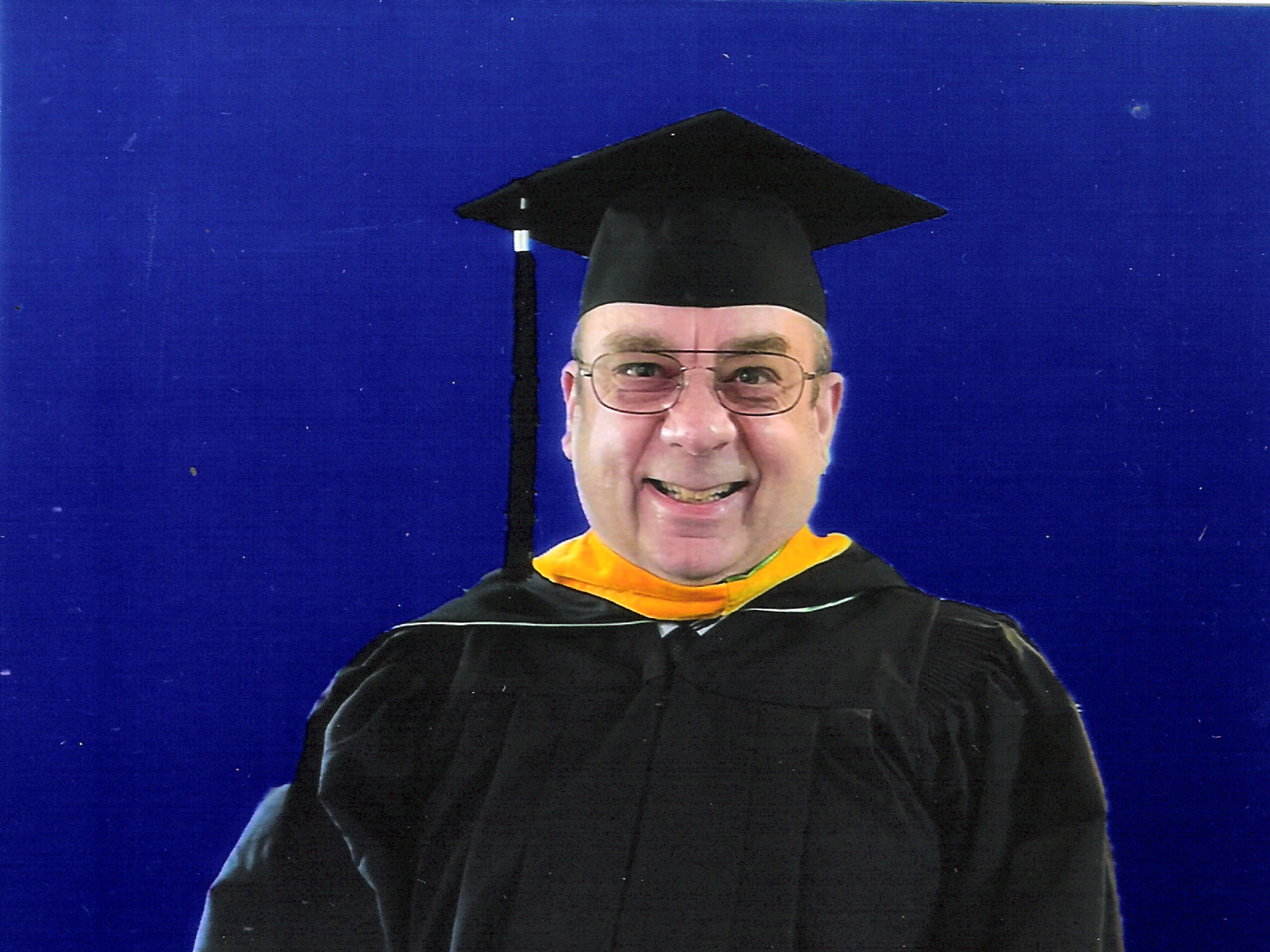
He didn’t just finish his degree: he excelled beyond his wildest dreams. He graduated with a Bachelor of Science in Computer Science, a minor in web development, and certifications in Linux administration and cybersecurity. He didn’t stop there: he immediately enrolled in the master’s program, and the university waived his entrance exam.
During his graduate studies, Tony worked on a prototype website called TiX-SOCIAL. Designed to replace physical event tickets, the surveillance-grade facial recognition system was powerful enough to scan, identify, and register an entire crowd.
UW-Parkside, in need of an instructor, asked Tony to teach Linux administration courses while he was still completing his master's degree. Following a colleague’s retirement, he navigated three rounds of interviews and secured a full-time teaching position in 2022.
When the COVID-19 pandemic forced education online, Aiello adapted quickly, ensuring his classes reached cloud computing modules before going remote. He also used masking to his advantage, undergoing some cosmetic surgery while his face was covered, joking that he was "probably the first masked person in Racine.”
“If I had finished my computer science degree in the 1980s, I would have been right in the middle of the transition from analog to digital technology,” said Tony. “My career still put me in direct contact with emerging technologies, so I didn’t miss the transition entirely. But my role would have been very different.”
“If I could go back and tell my younger self anything, it would be simple: stay in school.”
Farewell to a friendJudy Kunza passed away on June 5, 2012 at the age of 72. For over four decades, Judy had been a matriarch for her chosen family, guiding them through their challenges, cheering their celebrations, and lending a supportive shoulder to cry on. And now she was gone.
Without her visionary leadership, Jo'Dee's International struggled to keep the lights on. The neighborhood was evolving, crime was on the rise, costs were through the roof, and customers just weren't showing up like they used to. Difficult choices had to be made.
Jo'Dee's closed in May 2014 after 44 years in business. At the time, it was (remarkably) the second-longest operating gay bar in the state of Wisconsin, which was always a point of pride for Racine. There were no other queer spaces left in the city, and none rose up in Jo'Dee's wake. It was truly the end of an era.
Reflections on a changing world
Tony says that nowadays, he’s not really “Tonya” anymore. His students call him Professor, Tony, or just Aiello. But Tonya still makes fresh jams and share them online.
Tony will be releasing his next album, Portals II, later in 2026. He also has a Soundcloud account as well as a website and YouTube channel.
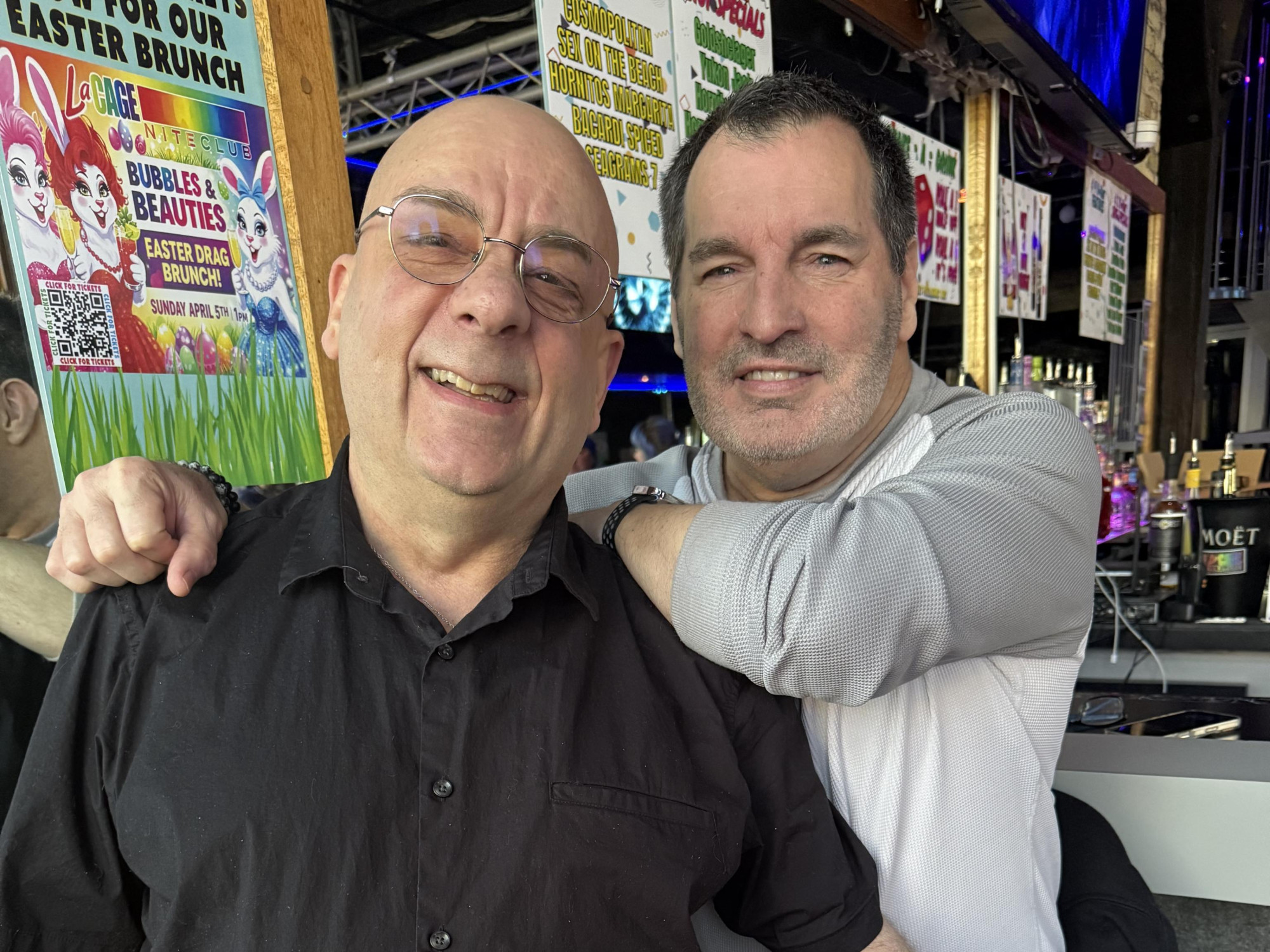
In March 2026, Tony returned to La Cage for the first time in 22 years to DJ the club’s anniversary celebration.
“It was an absolute blast!” he said. “I saw friends and former co-workers I haven’t seen in forever. Some traveled long distances for the event, and in a few cases, I didn’t even recognize them until we started talking. Getting older is strange. You look at someone and think ‘who is this?’ and then suddenly you recognize the smile, the eyes, the energy, and they’re instantly familiar again.”
It triggered memories, but also observations, about a world that seems to be changing faster than ever.
Dance music, he notes, has shifted drastically. To Tony, who used to break records over weeks on the Billboard charts, "AI generated loop DJs" simply do not constitute real music. He describes modern club mixes as "short attention span theater," criticizing the trend of playing mere 30-second clips of songs, which he likens to a modern-day “Stars on 45” medley.
“It was cheesy then, and it’s cheesy now,” he laughs.
He also wishes that there was more local club representation at events like PrideFest.
“We built that Dance Pavilion to showcase local DJs from LGBTQ bars across the state,” said Tony. “Now, the focus has shifted entirely to bringing in big-name talent, most of which has nothing to do with the LGBTQ community. There was a time when playing at PrideFest launched a DJ’s whole career.”
He also sees positive evolution. La Cage has become vastly more inclusive, without some of the rumblings of racial tension that was heard in the past. The club is no longer limited to youngest, prettiest, and most popular. In fact, he sees men his own age at La Cage, blending in with everyone else without feeling uncomfortable or unwelcome.
“La Cage has always been a unique space that people want to explore,” said Tony. “That has always been part of its magic: what’s going on in there? What am I missing out on?”
And from a purely business standpoint, he understands the necessity of mass appeal: keeping a massive, open-air venue requires packing it to the walls to stay open.
“It’s not like the old days, where you could close one side to make the other side look busy,” said Tony. “Nowadays, you need to pack the house, or it looks empty.”
“And, if there’s one thing I know, it’s that nobody wants to dance on an empty dance floor.”

recent blog posts

September 11, 2026 | Amy Luettgen
September 04, 2026 | Amy Luettgen
August 31, 2026 | Noah Johnson
The concept for this web site was envisioned by Don Schwamb in 2003, and over the next 15 years, he was the sole researcher, programmer and primary contributor, bearing all costs for hosting the web site personally.
join our email list
Get WI LGBTQ History Project updates in your inbox.


